






kostel Nanebevzetí Panny Marie (Dvory nad Lužnicí) Church
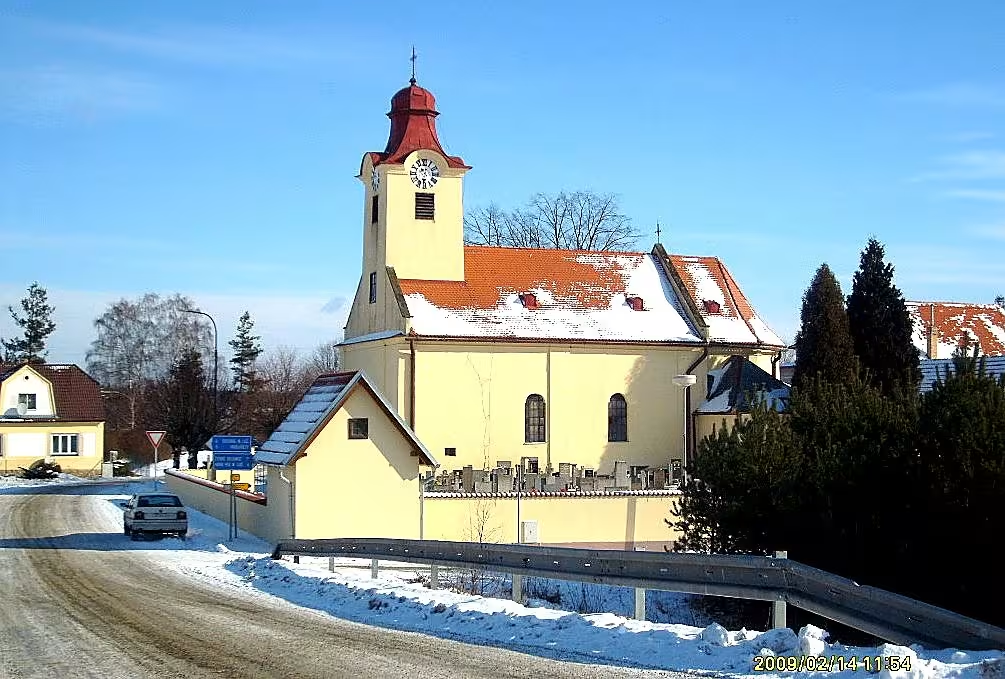
The Church of the Assumption of the Virgin Mary in Dvory nad Lužnicí exemplifies late Baroque rural architecture. Recognized as a cultural monument of the Czech Republic since 1963, it is part of the Roman Catholic parish of Suchdol nad Lužnicí. This church reflects the architectural and religious influences of the Josephine reforms that occurred in Bohemia during the latter half of the 18th century. These reforms led to the creation of many smaller churches and chapels, with Dvory nad Lužnicí's church being a notable example.
Constructed in 1788 amid Emperor Joseph II’s religious reforms, the Church of the Assumption was built to reduce the Catholic Church's influence while serving rural communities spiritually. Funding came from a religious foundation, highlighting the era's socio-religious dynamics. The church's orientation is noteworthy; with the main altar and presbytery facing east and the entrance and nave oriented westward, it aligns with traditional ecclesiastical design principles.
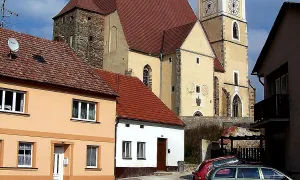
Architecturally, the church showcases late Baroque style through its brick construction and plastered surfaces. It features an oblong nave transitioning into a polygonal presbytery, with a sacristy attached as an annex. The western façade is distinguished by flat pilasters, and above the entrance stands a tower with a spire originally covered in shingles until 2004 when it was replaced with slate tiles. This change highlights preservation efforts and adaptations over time.
Throughout its history, the church has undergone several renovations reflecting changing needs and aesthetic preferences. In 1854, significant updates were made to the main altar, pulpit, and entrance. By 1878, a new painting had been installed, and repairs conducted on the organ. The original shingle roof was replaced with slate tiles in 2004, marking another phase of preservation. Additionally, the church tower received clocks in 1863, enhancing its functionality.
Adjacent to the church lies a cemetery enclosed by a low plastered wall topped with tile roofing, adding to the site's historical ambiance. Access is provided through a two-winged iron gate supported by raised plastered pillars, positioned perpendicularly to the church entrance, emphasizing thoughtful integration of functional and aesthetic elements in its design.
Today, the Church of the Assumption remains an active place of worship under the Roman Catholic parish of Suchdol nad Lužnicí. Its historical significance, architectural beauty, and serene setting make it a worthwhile visit for those interested in exploring Czech cultural heritage. Visitors can appreciate not only the church's religious importance but also its role as a reflection of broader historical reforms that shaped rural ecclesiastical architecture in Bohemia.
Then and now
Drag the slider to compare how the landmark may have looked when it was built with the view today.
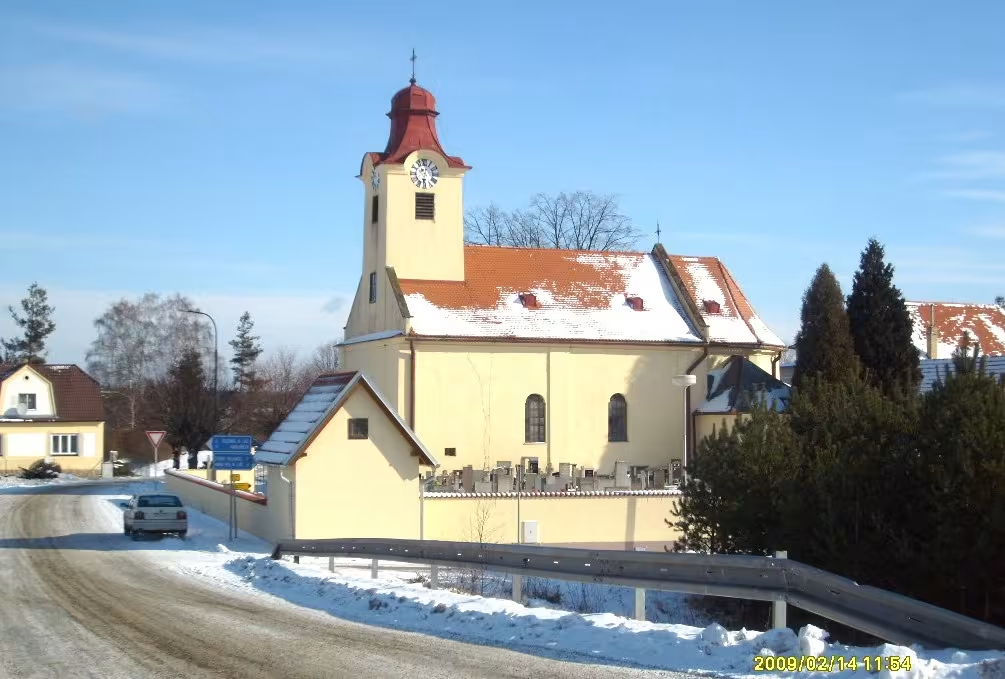

The historical appearance on the left is an AI-generated visualisation and serves as inspiration only.
Historical milestones
- 1788
- Construction of the church completed.
- 1854
- Renovation of the main altar, pulpit, and entrance.
- 1878
- Installation of a new painting and repair of the organ.
- 1863
- The church tower was equipped with clocks.
Architectural development
Constructed in the late Baroque style, the church features a brick structure with plastered surfaces. It has an oblong nave leading to a polygonal presbytery and a sacristy attached as an annex. The western façade is divided by flat pilasters, and the tower above the entrance is topped with a spire covered in shingles until 2004 when it was replaced with slate tiles.
Historical events
The church was built in 1788 during the period of Josephine reforms.
In 1854, significant renovations were made including the main altar, pulpit, and entrance.
A new bell was installed after World War I, sourced from the Church of St. John the Baptist in Krabonoši.
Points of interest
- The Church of the Assumption was built during a period when Emperor Joseph II sought to diminish the Catholic Church's influence by establishing smaller rural churches and chapels, reflecting broader socio-political changes in Bohemia.
- Originally covered with shingles, the church tower's spire underwent a significant transformation in 2004 when it was replaced with slate tiles, highlighting ongoing preservation efforts and adaptations over time.
- The church’s unique orientation, with its main altar facing east and entrance to the west, adheres to traditional ecclesiastical design principles, showcasing how architectural norms were maintained even during periods of reform.
- In 1863, the installation of clocks on the church tower added a new layer of functionality to this historic structure, blending practicality with aesthetic considerations in its design.
- The cemetery adjacent to the church is enclosed by a low plastered wall topped with tile roofing, adding historical ambiance and demonstrating thoughtful integration of functional and aesthetic elements.
Guide
This guide is narrated by a synthetic voice generated by artificial intelligence.
Show guide text
This text was created by artificial intelligence and has not been editorially reviewed. It may contain inaccuracies.
Welcome to the Church of the Assumption of the Virgin Mary in Dvory nad Lužnicí, a cherished cultural monument nestled within the scenic beauty of Jihočeský kraj. As you stand here today, take a moment to absorb the serene atmosphere surrounding this exquisite example of late Baroque rural architecture. Notice how the church is oriented with its main altar and presbytery facing east, inviting the morning light to grace its sacred space, while the entrance and nave are positioned to the west.
The story of this church begins in 1788 when it was completed during a transformative period under Emperor Joseph II. This era marked significant socio-political shifts as he sought to diminish the Catholic Church's influence by establishing smaller rural churches like this one. These structures served not just spiritual needs but also reflected broader changes within Bohemia, providing communities with accessible places of worship.
As you explore further, pay attention to the architectural details that define its character. The church showcases a classic late Baroque style, evident in its structured layout and elegant lines. Although specific architects remain unknown, their vision is palpable in every element—from the harmonious proportions to the thoughtful orientation of the space.
Throughout its history, this church has witnessed numerous changes. In 1854, it underwent significant renovations with updates to the main altar, pulpit, and entrance, ensuring these central features remained vibrant focal points for worshipers. By 1878, a new painting adorned the interior while repairs were made to the organ, enhancing both its visual and auditory appeal. A notable addition in 1863 was the installation of clocks on the church tower, marking time with precision and grace.
While exploring, take a moment to look up at the church's spire. Originally covered with shingles, it stands as a testament to the evolving architectural practices over centuries. This feature is not just an aesthetic choice but also a historical marker that speaks volumes about the community’s resilience and adaptability through time.
As you continue your journey around this historic site, let yourself be drawn into its rich tapestry of stories and transformations. Each stone, each detail holds whispers of the past, inviting you to delve deeper into its history and significance.
Thank you for joining us on this exploration of the Church of the Assumption in Dvory nad Lužnicí. We hope it has inspired you to further discover the wonders that lie within its walls and beyond. Enjoy your visit!
Tips for visitors
The best time to visit the Church of the Assumption of the Virgin Mary is during late spring or early autumn when the weather is pleasant, and the natural light enhances the beauty of the church's architecture. These seasons offer comfortable temperatures for exploring both the church and its surroundings without the crowds typically found in peak tourist months.
When visiting the church and its cemetery, it's a good idea to bring comfortable walking shoes as you may wish to explore the area around the church on foot. Additionally, consider bringing a camera or smartphone with a good camera for capturing photos of the church’s intricate details. Sunscreen and water are also recommended if you plan to spend several hours outdoors.
For photography enthusiasts, the best spots include the southwest side of the church where the cemetery offers unique perspectives against the backdrop of the church's architecture. Early morning or late afternoon light provides soft shadows that highlight the textures of the plastered walls and iron gate. Exploring different angles around the church can yield diverse shots from the same location.
Nearby, within a 30-minute drive, visitors can explore additional historical sites and natural beauty in the Jihočeský kraj region. The proximity to Suchdol nad Lužnicí offers more cultural insights with its own parish church and local history. For nature lovers, the surrounding countryside provides scenic routes for walking or cycling, perfect for a leisurely afternoon after visiting the church.
Frequently asked questions
Can the monument be visited?
Religious buildings are usually open mainly during services; at other times a visit is normally arranged with the parish or the operator. We have not verified specific times.
Where is the monument?
Location: Dvory nad Lužnicí, Jihočeský kraj. The map on this page shows the exact spot.
Why is the monument protected?
It is listed in the Central List of Cultural Monuments of the Czech Republic as a cultural monument (register no. 32666/3-1901).
Businesses nearby
Do you run a restaurant, accommodation, shop, museum, rental, wellness or other visitor service near this monument? Show yourself directly to the people heading to it — this is how they will see you in the app and on the web:
Nearby
Adjacent to the church on its southwest side lies a cemetery enclosed by a low plastered wall topped with tile roofing. The main entrance is through a two-winged iron gate supported by raised plastered pillars, perpendicular to the church entrance.
Accommodation nearby
Themed route
Thematic Walking Tour: Dvory nad Lužnicí
1. Kostel Nanebevzetí Panny Marie
Type: Historical Church
Begin your journey at the heart of Dvory nad Lužnicí with the stunning Kostel Nanebevzetí Panny Marie. This church is a remarkable example of Baroque architecture, featuring intricate designs and historical significance that draw visitors from far and wide. Its serene atmosphere offers a perfect starting point for exploring the rich cultural heritage of this charming village.
2. Church Cemetery
Type: Historical Cemetery
Adjacent to the southwest side of the church lies the Church Cemetery, enclosed by a low plastered wall topped with tile roofing. This site provides an intimate glimpse into local history and traditions, as it is the final resting place for many generations of villagers. The cemetery's two-winged iron gate, supported by raised plastered pillars, adds to its historical charm and invites reflection on the past.
3. Church Entrance Area
Type: Architectural Feature
Explore the area around the church entrance where you'll find the beautifully crafted main entrance. This section highlights the architectural elegance of the church's facade and offers a chance to appreciate the craftsmanship involved in creating such a historic landmark. The perpendicular alignment with the cemetery gate creates a harmonious balance between the two structures, enhancing their historical narrative.
4. Surrounding Church Grounds
Type: Open Space
Conclude your tour by wandering through the open spaces surrounding the church grounds. This area provides an opportunity to absorb the tranquil environment and reflect on the cultural significance of the site. The expansive views allow for a moment of peace, offering a perfect ending to your thematic exploration of Dvory nad Lužnicí's historical treasures.
This walking tour offers a comprehensive look at the architectural and historical wonders surrounding Kostel Nanebevzetí Panny Marie, providing insight into the cultural fabric of this picturesque village.
Seasonal recommendations
Spring: Visiting the Church of the Assumption of the Blessed Virgin Mary during spring offers a unique experience as nature awakens around Dvory nad Lužnicí. The surrounding landscape is adorned with blooming flowers and lush greenery, creating a picturesque setting that enhances the historical charm of the church. During this time, the soft morning light beautifully illuminates the architecture, casting gentle shadows and highlighting intricate details. Visitors should be prepared for occasional rain showers, so wearing layers and bringing an umbrella or raincoat is advisable. Early mornings are ideal to avoid larger crowds as tourists flock to enjoy the vibrant spring scenery.
Summer: Summer at the Church of the Assumption brings warm weather and long days, making it perfect for exploring both the church's interior and its serene surroundings. The lush greenery reaches full bloom, providing a refreshing backdrop that complements the historical architecture. However, this is also the peak tourist season, so arriving early in the morning can help avoid crowds and ensure a more tranquil visit. Comfortable walking shoes and light clothing are recommended due to the warm temperatures, and staying hydrated is essential as you explore.
Autumn: Autumn transforms the Church of the Assumption into a stunning tableau with its fiery foliage and crisp air. The changing leaves create a vibrant tapestry that enhances the church's historical beauty, offering photographers and nature lovers an ideal setting for capturing breathtaking views. As temperatures begin to cool, visitors should dress in layers to comfortably enjoy their visit throughout the day. This season typically sees fewer tourists compared to summer, providing a more peaceful atmosphere for appreciating the site.
Winter: Winter offers a unique charm at the Church of the Assumption with its snow-covered surroundings and serene atmosphere. The church stands out against the white landscape, creating a picturesque scene reminiscent of traditional European winterscapes. Due to shorter daylight hours, it's best to plan your visit during midday when lighting is optimal for photography and exploration. Visitors should dress warmly in layers, as temperatures can be quite cold, and check the opening times as they may vary with the season. The quietness of winter offers a peaceful experience, perfect for reflection amidst the historic setting.
Visualizations and artistic views


The visualisations are generated by artificial intelligence and serve as inspiration.
Photos from the area
Real photos taken near the monument


Zdroj a licence jsou uvedeny u každého snímku.
Tips from visitors
No tips yet. Be the first!
Log in and add your tip.
Sources and literature
Photos: Stanislav Kroupa / Public domain — Wikimedia Commons. The author and licence also appear when you hover over the image.
Faktickým podkladem tohoto textu byl článek na Wikipedii, jehož autory jsou přispěvatelé Wikipedie. Článek je dostupný pod licencí CC BY-SA 4.0.
Location on the map


Příběhy a pověsti
Legendy, pověsti a příběhy spjaté s touto památkou

Fotografie návštěvníků
Zatím žádné fotografie. Buďte první, kdo přidá fotografii z návštěvy!
Log in a přidejte svou fotografii nebo hodnoťte.
Za ověřenou návštěvu v aplikaci získáte víc bodů — poznáme podle GPS, že jste na místě.
Reviews and comments