






kostel Nanebevzetí Panny Marie (Olbramkostel) Church
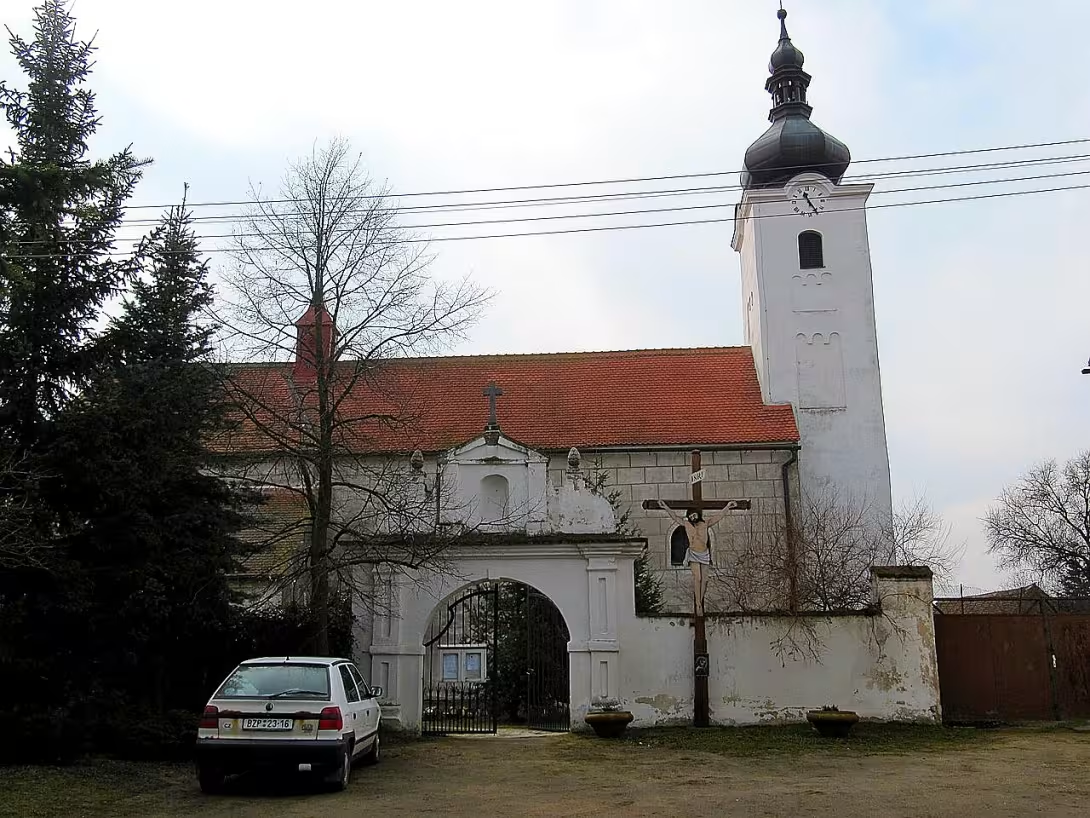
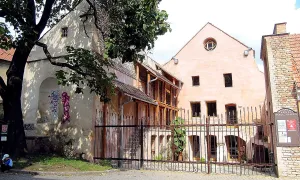
The Church of the Assumption of the Virgin Mary in Olbramkostel is a remarkable parish church located at the village's heart. This architectural gem reflects its historical evolution from Romanesque and Gothic origins, through Renaissance influences, to Baroque embellishments. Recognized as a cultural monument of the Czech Republic, it serves both as a place of worship and a symbol of the region's rich religious history. Nearby stands an 18th-century Baroque parsonage, while remnants of a former monastery and provostship were lost in 1527.
The church dates back to at least 1293 when it was first documented, likely constructed by Olbram ze Schenku. Initially Romanesque, the structure later incorporated Gothic elements as its architectural narrative unfolded over centuries. During this period, Bohemia was part of the Holy Roman Empire, marked by significant religious transformations, including shifts from Catholicism to Protestantism during the Reformation and a subsequent reinstatement of Catholic dominance following the Thirty Years' War.
Architecturally, the Church of the Assumption of the Virgin Mary showcases a blend of styles. Its core is rooted in Romanesque design with Gothic additions reflecting its medieval origins. The church underwent significant transformations during the Baroque period, particularly in 1719 when it was extensively renovated and adorned with a side chapel dedicated to Saint Isidore. Further Baroque modifications followed throughout the structure. In 1846, the roof was covered with tiles, and by 1863, the church had been significantly expanded and renovated.
Throughout its history, the church has experienced changes in ownership and religious practices. By 1526, following estate sales, Lutheran services were conducted within its walls until Catholicism resumed after the Thirty Years' War. The addition of a tower in 1593 marked another architectural milestone. In 1921, both the village and the church underwent repairs, reflecting ongoing preservation efforts.
Several key events have shaped the church's history. Notably, during World War II in 1942, two of its bells were requisitioned for wartime purposes. Despite these challenges, the church has remained a focal point of community and religious life.
Today, the Church of the Assumption of the Virgin Mary stands as a well-preserved monument open to visitors who wish to explore its rich history and architectural beauty. Its designation as a cultural monument ensures continued maintenance for future generations. The combination of historical significance, architectural evolution, and community role makes it a compelling destination for those interested in Olbramkostel's heritage.
Visiting this church offers an opportunity to connect with the past while appreciating the craftsmanship and dedication that have preserved it through centuries. Its enduring presence serves as a reminder of the cultural and religious narratives that have shaped the region, inviting visitors to delve into its storied history.
Then and now
Drag the slider to compare how the landmark may have looked when it was built with the view today.
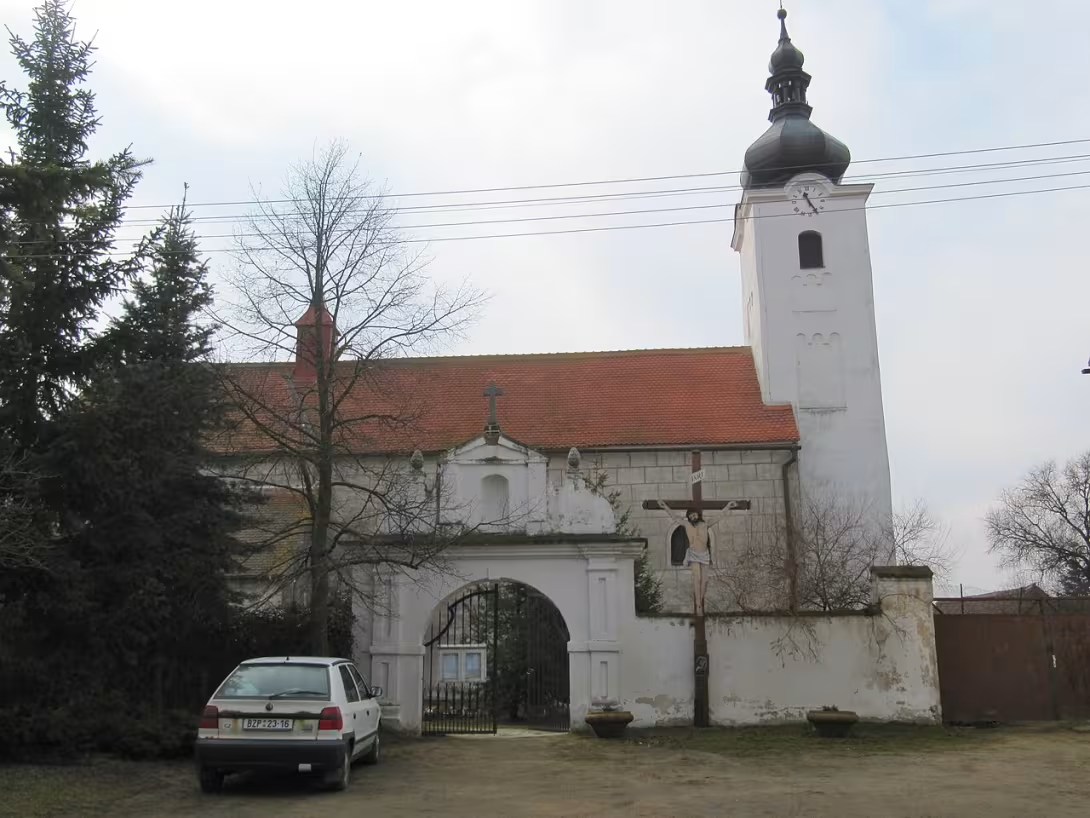
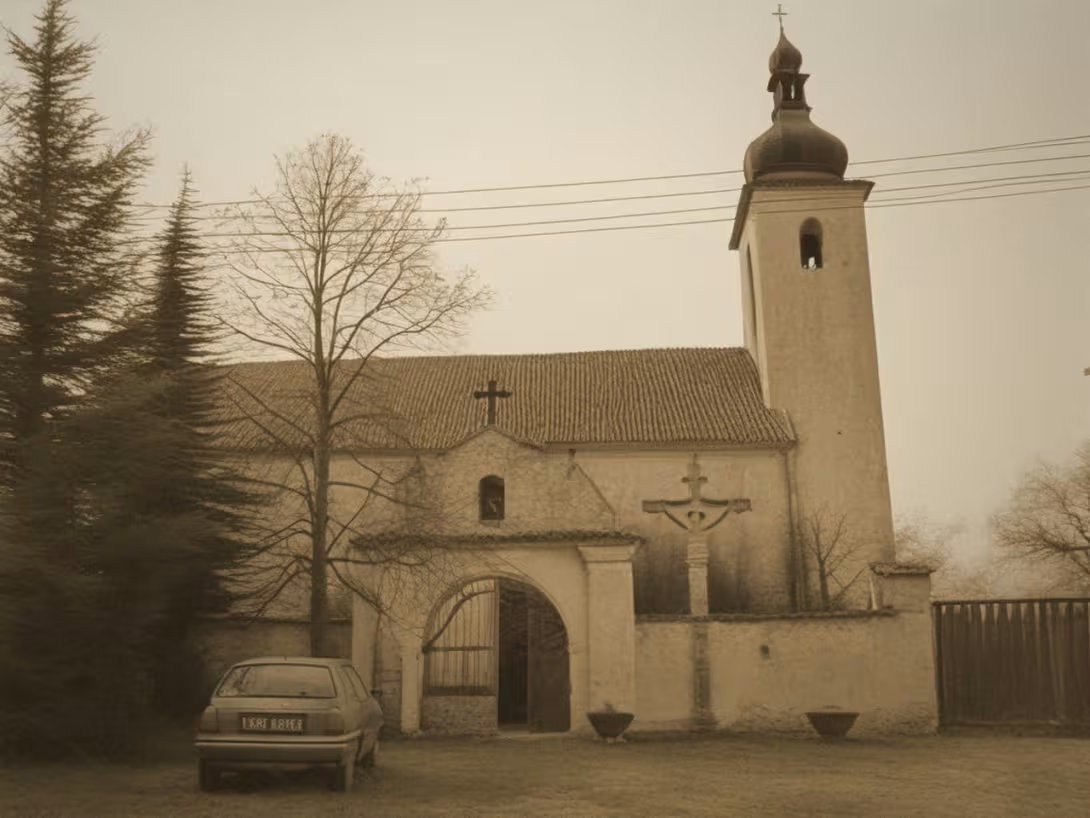
The historical appearance on the left is an AI-generated visualisation and serves as inspiration only.
Historical milestones
- 1293
- First written mention of the church.
- 1526
- Lutheran services began after the sale of estates.
- 1593
- A tower was added to the church.
- 1719
- Baroque renovations and addition of a side chapel dedicated to Saint Isidore.
Architectural development
Originally constructed in Romanesque style with Gothic additions, the church was significantly transformed during the Baroque period. In 1719, it received a new side chapel and underwent further Baroque modifications. The roof was covered with tiles in 1846, and extensive renovations and expansions occurred in 1863.
Historical events
The first written mention of the church dates back to 1293, likely built by Olbram ze Schenku. The church transitioned from Romanesque to Gothic styles over time.
In 1593, a tower was added to the church. By 1526, following the sale of estates, Lutheran services were held until after the Thirty Years' War when Catholicism resumed.
The church underwent significant Baroque renovations in 1719, including the addition of a side chapel dedicated to Saint Isidore.
Points of interest
- The Church of the Assumption of the Virgin Mary in Olbramkostel was initially constructed by a figure named Olbram ze Schenku around 1293, whose historical significance and contributions to architecture are less documented compared to more renowned figures.
- In 1527, remnants of a former monastery and provostship associated with the church were lost, hinting at a once larger ecclesiastical complex that has since vanished, leaving only fragments of its past grandeur.
- During World War II in 1942, two of the church's bells were requisitioned for wartime purposes, an event reflecting the broader impact of global conflicts on local religious and cultural artifacts.
- The church underwent a significant Baroque transformation in 1719, including the addition of a side chapel dedicated to Saint Isidore. This particular dedication is intriguing as it highlights lesser-known saints who played roles in the region's spiritual life.
- By 1846, the church was covered with tiles, marking a shift from its earlier architectural styles and reflecting evolving building practices and aesthetic preferences over the centuries.
Guide
This guide is narrated by a synthetic voice generated by artificial intelligence.
Show guide text
This text was created by artificial intelligence and has not been editorially reviewed. It may contain inaccuracies.
Welcome to the historic site of Olbramkostel, where you stand before the Church of the Assumption of Virgin Mary, a remarkable testament to architectural evolution and cultural heritage. As you gaze upon this stunning parish church nestled in the heart of Olbramkostel village, take a moment to absorb its grandeur and rich history.
Let's delve into the origins of this magnificent structure. The first written mention of the church dates back to 1293, when it was constructed by a figure named Olbram ze Schenku. While his contributions are less documented than those of more renowned architects, Olbram's influence is etched in the very stones of this sacred edifice.
As you explore further, notice how the architecture tells a story of transformation. The church began with a Romanesque-Gothic core, reflecting the architectural styles prevalent during its initial construction. Over time, it embraced Renaissance and Baroque elements, evident in its elegant details and ornate features that speak to centuries of artistic evolution.
Now, turn your attention to the tower added in 1593. This addition not only enhanced the church's skyline but also symbolizes a period of growth and change within the community. Nearby stands an 18th-century Baroque parsonage, its presence adding another layer to the historical tapestry surrounding you.
The year 1719 marked significant Baroque renovations, including the addition of a side chapel dedicated to Saint Isidore. These changes not only enriched the church's aesthetic but also reflected shifting religious and cultural influences during that era.
As we wander through this sacred space, consider the stories and lives intertwined with its history. While specific historical figures associated with Olbramkostel remain largely unknown, their legacy is preserved in every corner of this monument.
Here's an intriguing tidbit: In 1527, remnants of a former monastery were present nearby, hinting at a once vibrant religious community that has since faded into the annals of history. This mystery adds a layer of intrigue to your visit, inviting you to ponder what secrets lie beneath the surface.
As we conclude our journey through Olbramkostel, I invite you to continue exploring this cultural monument. Each step reveals more about its storied past and architectural splendor. Thank you for joining me on this immersive experience, and may your curiosity guide you to uncover even deeper insights into this cherished landmark.
Tips for visitors
The Church of the Assumption of the Virgin Mary, or Olbramkostel, is best visited during late spring to early autumn when the weather is pleasant for exploring its architectural beauty and surrounding landscapes. This period also coincides with local festivals that often take place in the village, offering a vibrant cultural experience alongside your visit.
For those preferring public transport, it's advisable to check current routes and schedules as they may vary seasonally.
When visiting Olbramkostel, consider bringing comfortable walking shoes for exploring both the church interior and its surroundings. A camera with a zoom lens can be beneficial for capturing detailed architectural features without disturbing any ongoing services. Additionally, carrying water and sunscreen during warmer months is recommended to stay hydrated and protected from sun exposure.
Photography enthusiasts will find several spots around Olbramkostel ideal for capturing the church's stunning architecture, especially during golden hour when the light enhances its Gothic elements. The west façade offers a dramatic backdrop, while the interior provides opportunities for detailed shots of frescoes and sculptures. Always be mindful of any photography restrictions inside the church.
Within 30 minutes from Olbramkostel, visitors can explore nearby natural attractions such as the scenic trails in the surrounding countryside, offering beautiful views and opportunities for picnics or leisurely walks. These areas are perfect for families looking to enjoy a day out in nature after visiting the historical site.
Frequently asked questions
Can the monument be visited?
Religious buildings are usually open mainly during services; at other times a visit is normally arranged with the parish or the operator. We have not verified specific times.
Where is the monument?
Location: Olbramkostel, Jihomoravský kraj. The map on this page shows the exact spot.
Why is the monument protected?
It is listed in the Central List of Cultural Monuments of the Czech Republic as a cultural monument (register no. 1000142938).
Businesses nearby
Do you run a restaurant, accommodation, shop, museum, rental, wellness or other visitor service near this monument? Show yourself directly to the people heading to it — this is how they will see you in the app and on the web:
Accommodation nearby
Themed route
Tematická výletní trasa: Kostel Nanebevzetí Panny Marie (Olbramkostel)
1. Kostel Nanebevzetí Panny Marie (Olbramkostel) - Hlavní cíl - Typ: Historický kostel - Proč stojí za návštěvu: Tento barokní kostel, postavený v 18. století, je architektonickou perli obce Olbramkostel. Jeho bohaté interiér a historie přitahují milovníky dějin i umění. Je to centrální bod trasy, kde začínáte svou cestu po kulturním dědictví oblasti.
2. Kaple svatého Jana Nepomuckého - Typ: Kaple - Proč stojí za návštěvu: Tato kaple, nacházející se v blízkosti kostela Nanebevzetí Panny Marie, je známá svou historickou architekturou a klidným prostředím. Je ideální pro ty, kteří hledají místo na odpočinek a reflexi po návštěvě hlavního kostela.
3. Kamenné sochy v okolí - Typ: Historické památky - Proč stojí za návštěvu: V blízkosti kostela se nachází několik kamenných soch, které představují důležité historické postavy a symboly. Tyto umělecké prvky dodávají oblasti jedinečnou atmosféru a jsou svědky bohaté kulturní minulosti.
4. Nádvoří kostela - Typ: Historické nádvoří - Proč stojí za návštěvu: Nádvoří kostela je ideálním místem pro pohled na celkovou architektonickou strukturu a pro chvíle relaxace. Zde si můžete užít klidné okolí, zatímco se podíváte na detaily stavby a její historii.
Tato trasa nabízí pohled na kulturní a historické aspekty obce Olbramkostel, zaměřený především na kostel Nanebevzetí Panny Marie a jeho okolí.
Seasonal recommendations
Spring: Visiting Olbramkostel's Church of the Assumption of the Virgin Mary during spring offers a unique experience as nature awakens around this historic site. The surrounding landscapes are adorned with vibrant wildflowers and fresh greenery, creating an idyllic backdrop for your visit. Soft morning light enhances the architectural details of the church, making it a perfect time for photography enthusiasts. As temperatures begin to rise, visitors should dress in layers to accommodate fluctuating weather conditions. While the site is less crowded than in summer, arriving early can provide a serene experience before larger groups arrive.
Summer: Summer at Olbramkostel's Church of the Assumption of the Virgin Mary is characterized by long daylight hours and warm temperatures, making it ideal for exploring both the church and its natural surroundings. However, this peak season also attracts more visitors, so arriving early in the morning can help avoid larger crowds. Comfortable walking shoes and light clothing are recommended to stay cool during your exploration.
Autumn: Autumn brings a stunning transformation to Olbramkostel with its warm hues of reds, oranges, and yellows enveloping the church's historic architecture. The cooler temperatures make for pleasant strolls around the church grounds, as nature prepares for winter. This season is less crowded than summer, providing a more tranquil atmosphere to appreciate the site's beauty. Visitors should dress in layers to adjust to the changing weather and consider bringing a light jacket or sweater as the day progresses.
Winter: Winter at Olbramkostel offers a serene and magical experience with snow often blanketing the area around the Church of the Assumption of the Virgin Mary. The church takes on an enchanting appearance against the snowy landscape, especially when illuminated by soft winter lighting. However, shorter daylight hours mean earlier closures, so planning your visit for midday is advisable to make the most of your time. Warm clothing and sturdy footwear are essential to stay comfortable during this chilly season, as well as being mindful of potential icy paths.
Visualizations and artistic views


The visualisations are generated by artificial intelligence and serve as inspiration.
Photos from the area
Real photos taken near the monument


Zdroj a licence jsou uvedeny u každého snímku.
Tips from visitors
No tips yet. Be the first!
Log in and add your tip.
Sources and literature
Photos: Palickap / CC BY-SA 3.0 — Wikimedia Commons. The author and licence also appear when you hover over the image.
Faktickým podkladem tohoto textu byl článek na Wikipedii, jehož autory jsou přispěvatelé Wikipedie. Článek je dostupný pod licencí CC BY-SA 4.0.
Location on the map




Fotografie návštěvníků
Zatím žádné fotografie. Buďte první, kdo přidá fotografii z návštěvy!
Log in a přidejte svou fotografii nebo hodnoťte.
Za ověřenou návštěvu v aplikaci získáte víc bodů — poznáme podle GPS, že jste na místě.
Reviews and comments