






kostel Nanebevzetí Panny Marie (Šlapanice) Church
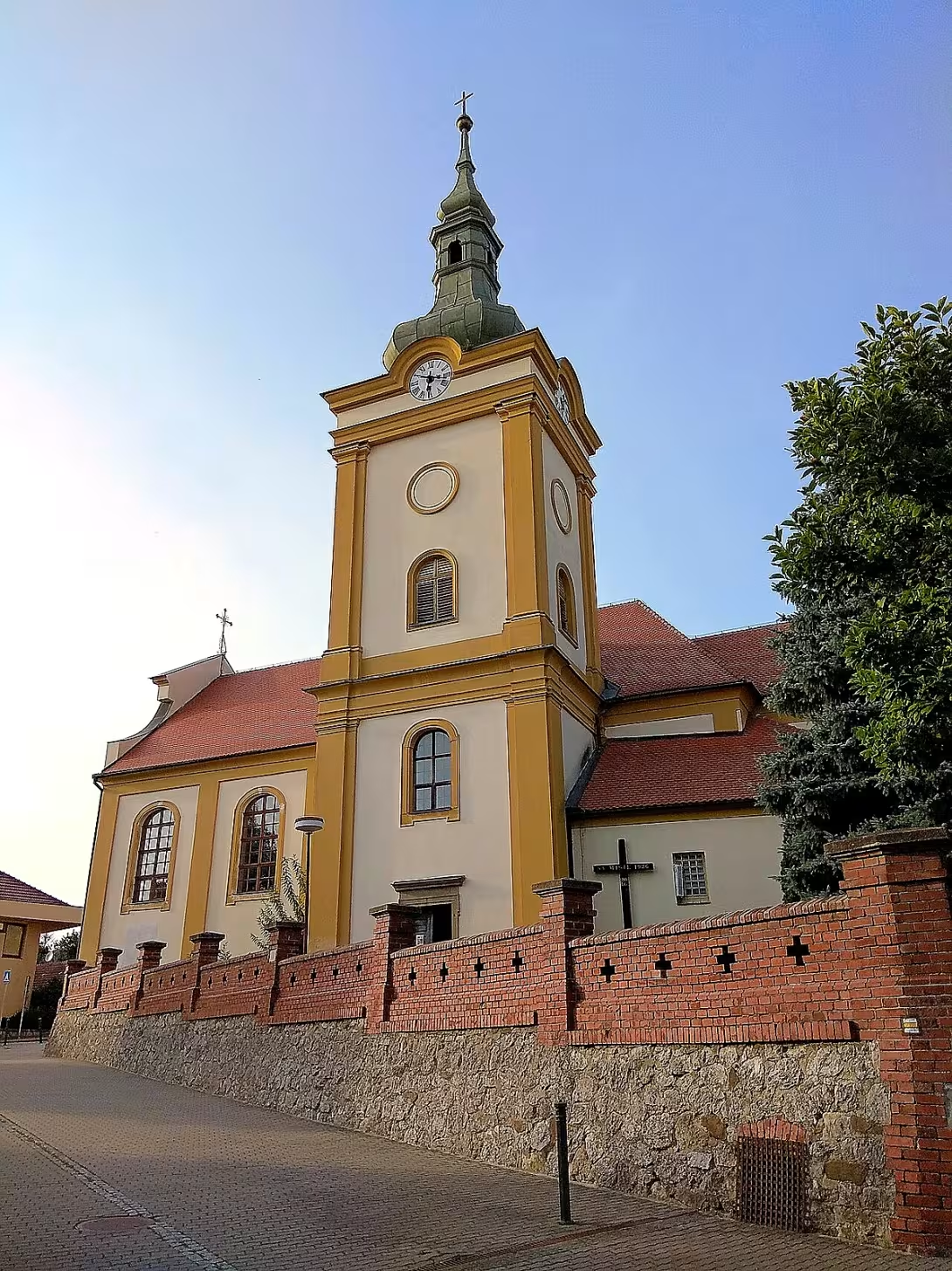
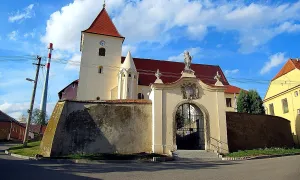
The Church of the Assumption of the Virgin Mary in Šlapanice is a Roman Catholic church located in the town of Šlapanice, Brno-venkov District. This historical monument serves as both a parish and deanery church for the local community, reflecting its significance in regional religious life. Originally constructed at the turn of the 12th and 13th centuries as a Romanesque structure, it was replaced by a Gothic church between the 13th and 14th centuries. Recognized as a cultural monument in the Czech Republic, it is noted for its rich history and architectural evolution.
The origins of this church date back to the transition from the 12th to the 13th century when it began as a Romanesque building. By the turn of the 13th and 14th centuries, this structure was replaced by a Gothic church, aligning with broader European architectural trends during that period. The late medieval era in Bohemia saw significant social and political changes, including conflicts like the Hussite Wars, which influenced the region's cultural landscape.
Architecturally, the Church of the Assumption showcases elements from both Romanesque and Gothic styles. From its original Romanesque phase, only fragments remain, such as a Romanesque capital embedded within the tower’s structure and parts of the foundation in the presbytery area. The Gothic influence is evident through features like the cross-vaulted ceiling in the presbytery and remnants of Gothic windows and doors. Over time, the church underwent significant transformations; it was baroque-reconstructed between 1753 and 1755, with further repairs needed after a fire two years later. In 1887, its tower was heightened and equipped with clock faces from Podolsk Castle, marking another phase of architectural enhancement.
Throughout its history, the church has witnessed several dramatic events. In the early 15th century, during periods of unrest at the turn of the 14th and 15th centuries, bandits fortified themselves within the church. They were ultimately defeated by Brno citizens on Easter Sunday in 1401. The church also played a role following the Battle of Slavkov in December 1805 when it served as a holding place for 400 Russian prisoners and functioned as a makeshift hospital.
Today, the Church of the Assumption stands as a testament to its storied past while continuing to serve its community. It houses five altars and features stained glass windows from 1890, adding to its artistic appeal. A stone cross near the church staircase, dating back to 1750, further enriches its historical narrative. The church underwent comprehensive restoration between 1989 and 1990, ensuring its preservation for future generations.
Visitors today can explore this monument not only as a place of worship but also as a cultural landmark that encapsulates centuries of history. Its architectural evolution from Romanesque to Gothic and baroque styles offers insights into the artistic and historical shifts in Bohemia. The Church of the Assumption of the Virgin Mary in Šlapanice is worth visiting for its rich heritage, architectural beauty, and enduring significance within the local community.
Then and now
Drag the slider to compare how the landmark may have looked when it was built with the view today.
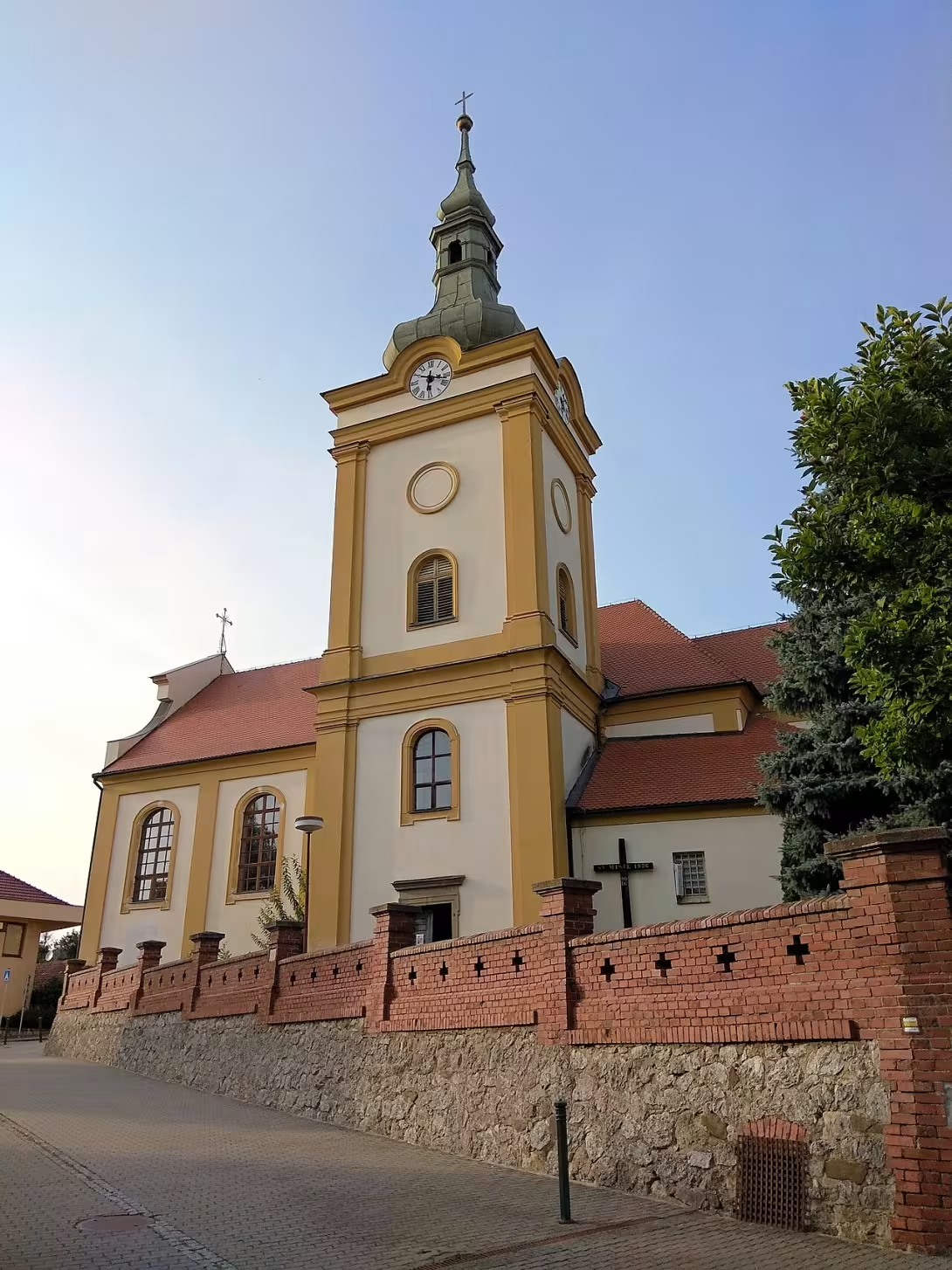
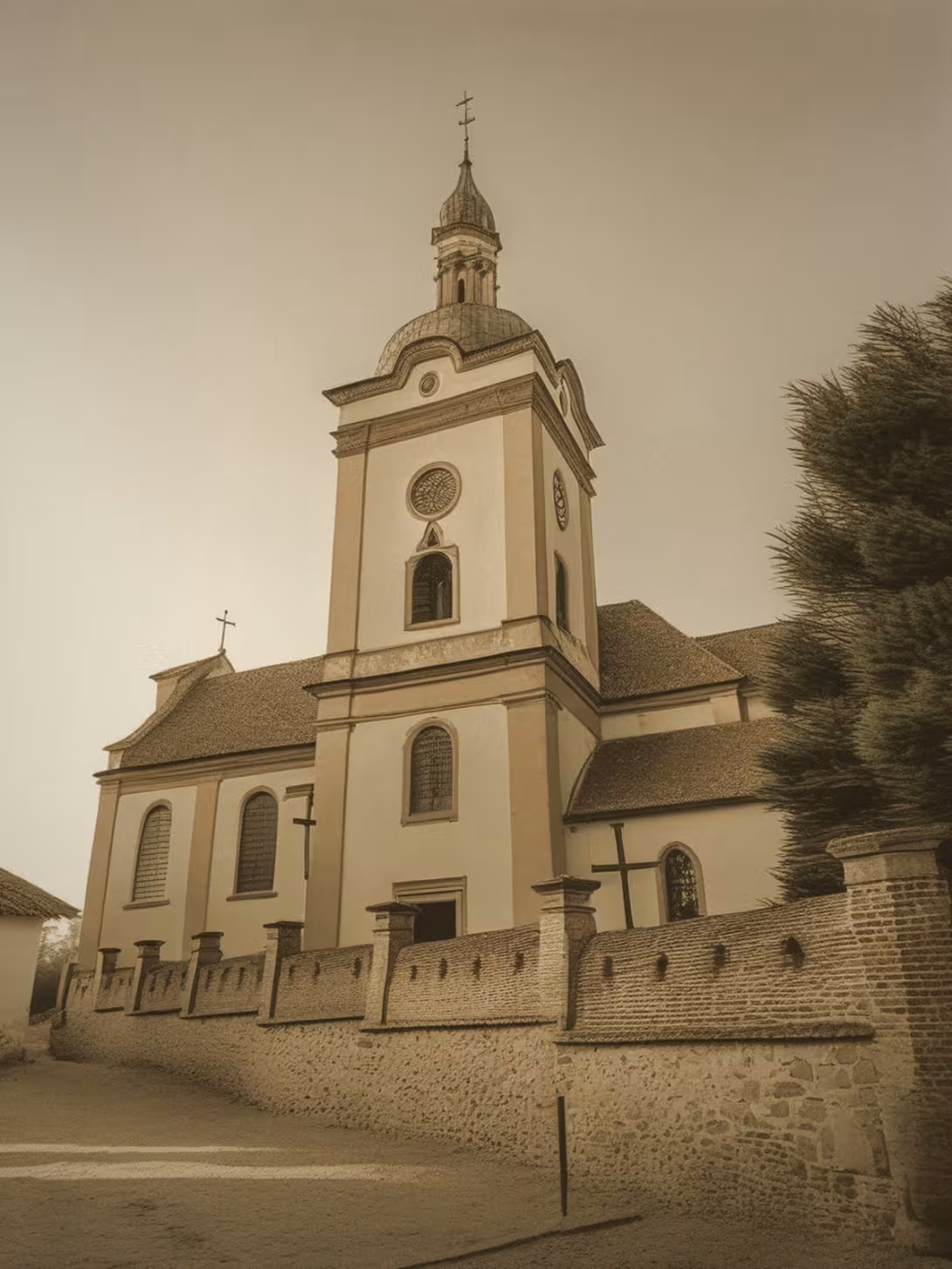
The historical appearance on the left is an AI-generated visualisation and serves as inspiration only.
Historical milestones
- c. 1200
- The original building as a Romanesque church.
- 13th to 14th century
- Replacement of the Romanesque church with a Gothic structure.
- 1401
- Bandits hid in the church, defeated by the inhabitants of Brno.
- 1753-1755
- Baroque reconstruction of the church.
- 1757
- Repairs after a fire.
Architectural development
The original Romanesque structure was replaced by a Gothic church between the 13th and 14th centuries. The church underwent significant baroque reconstruction from 1753 to 1755, with additional repairs after a fire in 1757. A major renovation occurred in 1887 when its tower was heightened and equipped with clock faces from Podolsk Castle. Further comprehensive restoration took place between 1989 and 1990.
Historical events
In the early 15th century, during unrest at the turn of the 14th and 15th centuries, bandits fortified themselves within the church. They were defeated by Brno citizens on Easter Sunday in 1401.
After suffering damage from fires and wars over the centuries, the church was baroque-reconstructed between 1753 and 1755, though it required further repairs after a fire two years later.
In December 1805, following the Battle of Slavkov, 400 Russian prisoners were held in the church, which also served as a makeshift hospital.
Points of interest
- During the early 15th century, bandits used the Church of the Assumption as a fortification during periods of unrest, and they were defeated by Brno citizens on Easter Sunday in 1401.
- After the Battle of Slavkov in December 1805, the church served as a temporary holding place for 400 Russian prisoners and was also used as a makeshift hospital.
- The church's tower was heightened in 1887 and equipped with clock faces that were originally from Podolsk Castle, adding a unique historical element to its structure.
Guide
This guide is narrated by a synthetic voice generated by artificial intelligence.
Show guide text
This text was created by artificial intelligence and has not been editorially reviewed. It may contain inaccuracies.
Welcome to the historic Church of the Assumption of the Virgin Mary in Šlapanice, a gem nestled in the heart of this quaint town within the Brno-venkov District. As you stand before its venerable façade, take a moment to soak in the serene atmosphere that surrounds you. This Roman Catholic church is not just an architectural marvel but also serves as the spiritual center for the local community, acting both as a parish and deanery church.
The story of this sacred site begins around the turn of the 12th century when it was first constructed as a Romanesque structure. Over time, between the 13th and 14th centuries, the original edifice gave way to a Gothic masterpiece that stands before you today. As you gaze upon its architecture, notice how the church embodies the transition from Romanesque solidity to the soaring verticality characteristic of Gothic design.
One fascinating chapter in this church's history occurred during the early 15th century when bandits found refuge within its walls amidst periods of unrest. In a dramatic turn of events, Brno citizens defeated these intruders on Easter Sunday in 1401, adding a layer of local legend to the church’s storied past.
The church underwent significant transformations over the centuries, notably during the mid-18th century when it was reimagined in Baroque style between 1753 and 1755. This period brought about extensive renovations that enhanced its aesthetic appeal. However, not long after, a fire necessitated further repairs in 1757, leaving behind subtle marks of resilience.
As you continue to explore this remarkable site, let your imagination wander through the centuries. Picture the church as it stood during pivotal moments in history, such as when, following the Battle of Slavkov in December 1805, its doors opened to provide temporary refuge for Russian prisoners of war.
Before we conclude our journey here, take a moment to appreciate the enduring spirit of this place. It stands not only as a testament to architectural evolution but also as a silent witness to the vibrant history that has unfolded around it.
We invite you to linger a little longer, perhaps exploring the surrounding area or reflecting on the stories encapsulated within these walls. Thank you for visiting the Church of the Assumption of the Virgin Mary in Šlapanice. May your journey through its past inspire a deeper appreciation for the rich tapestry of history that shapes our world today.
Tips for visitors
The best time to visit the Church of the Assumption of the Virgin Mary in Šlapanice is during late spring or early autumn when the weather is pleasant, and the crowds are minimal. This period offers a serene atmosphere that enhances your experience while exploring the church's architectural beauty and historical significance. Additionally, visiting on weekdays can provide an even quieter environment compared to weekends.
Parking near the church may be limited, so it is advisable to use public transportation or park in nearby areas if available. The town of Šlapanice is accessible by bus from larger cities such as Brno, and you should verify current routes and schedules using a transport search tool. Walking around the town center after your visit can also be enjoyable.
When visiting the church, consider bringing comfortable walking shoes, especially if exploring the surrounding areas on foot. A hat or sunscreen might be useful during sunny days to protect yourself from the sun while admiring the architecture. Additionally, carrying a small water bottle will help you stay hydrated throughout your visit.
For photography enthusiasts, the best spots for capturing the church's beauty are at sunrise or sunset when the light is soft and warm, casting beautiful shadows and highlights on the structure. The eastern facade of the church often provides stunning views during these times. Be mindful of any restrictions regarding flash photography inside the church to preserve its interior.
Families with children will find the visit enjoyable as there are no specific activities within the church itself; however, exploring the town of Šlapanice can be a delightful experience for kids. The area offers picturesque landscapes and local shops that might interest younger visitors. A short walk from the church is the historic center of Šlapanice, where families can enjoy some leisurely time.
Businesses nearby
Do you run a restaurant, accommodation, shop, museum, rental, wellness or other visitor service near this monument? Show yourself directly to the people heading to it — this is how they will see you in the app and on the web:
Events nearby


Zdroj akcí: otevřená data měst a obcí ČR (Národní katalog otevřených dat) a kalendář akcí Národního památkového ústavu.
Accommodation nearby
Trips and activities nearby
Guided tours, tickets and activities nearby from GetYourGuide
Affiliate link: if you buy from the partner, we may receive a commission. The price for you does not change.
Search tours and activities →Themed route
Tematická výletní trasa: Kostel Nanebevzetí Panny Marie (Šlapanice)
1. Kostel Nanebevzetí Panny Marie (Šlapanice) - Hlavní cíl - *Typ:* Historická památka - *Proč stojí za návštěvu:* Tento barokní kostel je nejvýznamnější architektonickou pamatkou v Šlapanicích. Jeho bohaté historie a umělecká hodnota, zejména fresky a sochařské prvky, nabízejí návštěvníkům hluboký pohled do minulosti obce.
2. Obecní úřad Šlapanice - *Typ:* Historická budova - *Proč stojí za návštěvu:* Tato historická budova, která kdysi sloužila jako zámek, je dnes sídlem obecního úřadu. Její elegantní architektura a historie představují zajímavý pohled na místní správu a život v minulosti.
3. Šlapanické náměstí - *Typ:* Historické náměstí - *Proč stojí za návštěvu:* Centrální náměstí obce je domovem několika historických budov a památek. Je to ideální místo pro relaxaci a prohlédnutí si místní kultury, s možností procházet kolem významných staveb z minulosti.
4. Šlapanické muzeum - *Typ:* Historická budova - *Proč stojí za návštěvu:* Muzeum je umístěno ve starobylém domě, který zachovává původní interiér a nabízí výstavy o historii Šlapanic. Je to skvělé místo pro poznání místních tradic a dějin.
5. Kostel svatého Jana Nepomuckého - *Typ:* Historická památka - *Proč stojí za návštěvu:* Tento kostel je dalším významným barokním monumentem ve městě. Jeho architektura a historie představují důležitou součást kulturního dědictví obce.
Tato trasa nabízí návštěvníkům komplexní pohled na historii a kulturu Šlapanic, s zaměřením na jejich architektonické a kulturní památky.
Seasonal recommendations
Spring: Visiting the Church of the Assumption of the Virgin Mary in Šlapanice during spring offers a unique experience as nature begins to bloom around this historic site, creating an enchanting atmosphere with vibrant colors and fresh scents. The soft light filtering through budding trees enhances the church's architectural details, making it an ideal time for photography enthusiasts. Visitors are advised to wear comfortable walking shoes suitable for potentially muddy paths due to spring rains. Although crowds may not be as dense as in summer, arriving early can ensure a more tranquil exploration of this serene site.
Summer: The summer months bring long days and warm weather, perfect for exploring the Church of the Assumption of the Virgin Mary in Šlapanice when it is surrounded by lush greenery. This season often attracts larger crowds, especially during peak tourist times, so planning your visit early in the morning can help avoid the busiest periods. Light, breathable clothing is recommended to stay comfortable under the sun, and carrying a hat or sunglasses can provide additional protection. The extended daylight hours offer ample time for leisurely exploration of both the church's interior and its picturesque surroundings.
Autumn: Autumn transforms Šlapanice into a tapestry of warm colors as leaves change hues around the Church of the Assumption of the Virgin Mary, providing a stunning backdrop that enhances the historic charm of the site. The cooler temperatures make it an ideal time for a leisurely visit without the summer crowds. Visitors should dress in layers to accommodate fluctuating weather conditions and consider bringing a light jacket or sweater as evenings can become quite chilly. This season's softer lighting also creates a cozy atmosphere, perfect for appreciating the church’s architectural beauty.
Winter: The winter months offer a unique perspective of the Church of the Assumption of the Virgin Mary in Šlapanice, with its historic architecture standing out against a backdrop of snow-covered landscapes and bare trees. The shorter days mean that visiting early is advisable to make the most of daylight hours. Visitors should dress warmly in layers, including hats, gloves, and scarves, as temperatures can be quite cold. While some areas might experience reduced opening times during this season, the tranquil atmosphere provides a peaceful setting for those looking to enjoy the church's serene beauty away from the hustle and bustle of busier seasons.
Visualizations and artistic views


The visualisations are generated by artificial intelligence and serve as inspiration.
Photos from the area
Real photos taken near the monument

Zdroj a licence jsou uvedeny u každého snímku.
Tips from visitors
No tips yet. Be the first!
Log in and add your tip.
Sources and literature
Fotografie: Martin Strachoň / CC BY-SA 4.0 — Wikimedia Commons. The author and licence also appear when you hover over the image.
Faktickým podkladem tohoto textu byl článek na Wikipedii, jehož autory jsou přispěvatelé Wikipedie. Článek je dostupný pod licencí CC BY-SA 4.0.
Location on the map

Příběhy a pověsti
Legendy, pověsti a příběhy spjaté s touto památkou

Fotografie návštěvníků
Zatím žádné fotografie. Buďte první, kdo přidá fotografii z návštěvy!
Přihlaste se a přidejte svou fotografii nebo hodnoťte.
Za ověřenou návštěvu v aplikaci získáte víc bodů — poznáme podle GPS, že jste na místě.
Reviews and comments