






Kostel Nanebevzetí Panny Marie, svatého Wolfganga a svatého Benedikta Church
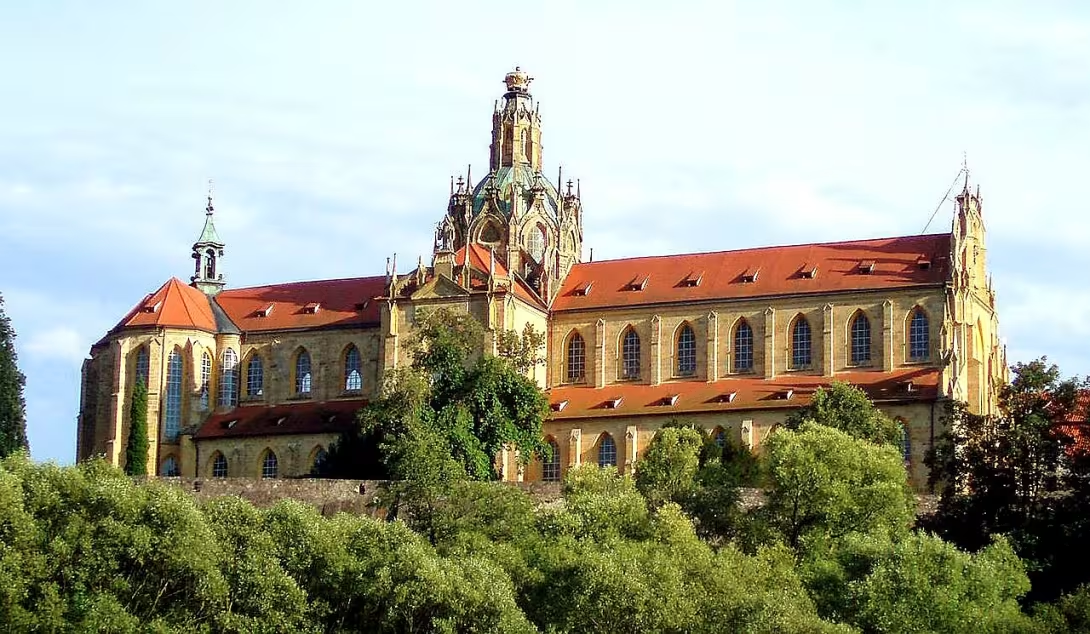
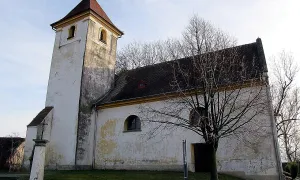
The Church of the Assumption of the Virgin Mary, Saint Wolfgang, and Saint Benedict in Kladruby is a monumental three-nave monastic church within the Kladruby Abbey complex. Originally built at the start of the 12th century in late Romanesque style, it was transformed between 1712 and 1726 into Baroque Gothic architecture under Jan Blažej Santini-Aichel's design. This blend of historical continuity and architectural innovation makes it a notable monument of Czech Baroque architecture.
The church was initially part of the Kladruby Abbey complex, founded in 1108 by Duke Svatopluk and completed by Duke Vladislav I in 1115. Consecrated in 1233, it suffered devastation at the hands of the Hussites in 1421, leaving it roofless and without vaults for an extended period. Over time, partial reconstructions occurred, with significant renovations between 1592 and 1598, and again from 1664 to 1670 focusing on the interior.
The Baroque Gothic transformation began when Abbot Maurus Fintzguth decided in the early 18th century that substantial renovation was necessary due to structural issues. The project was entrusted to Jan Blažej Santini-Aichel, whose design aimed to reflect historical continuity and emphasize the enduring presence of the Benedictine order in Bohemia. Construction proceeded in three phases: from June 1712 to August 1716 for the nave; by late 1717 for the transept and dome; and following the relocation of the main altar to the crossing on January 14, 1718, leading up to the completion of the eastern part of the church. The church was solemnly consecrated in December 1726.
Architecturally, the transformation involved shortening the floor plan by 660 cm, centralizing the dome and creating a visual focal point both inside and outside. The original Romanesque walls were largely replaced with new stone blocks. Distinctive elements of Santini's design include the Baroque Gothic dome over the crossing, the western façade, and the northern transept corner. Spiral staircases at junctions between side aisles and choir walls enhance both functionality and aesthetics. The dome itself is octagonal with a Marian crown, adding to its unique character.
Throughout its history, the church has been closely associated with significant figures such as Duke Svatopluk and Duke Vladislav I, who played crucial roles in its early development. The Baroque transformation under Santini's guidance marked a pivotal moment in its architectural evolution.
Today, the Church of the Assumption of the Virgin Mary, Saint Wolfgang, and Saint Benedict stands as a testament to both historical resilience and artistic innovation. It is recognized as a national cultural monument of the Czech Republic since 1995. Visitors can appreciate its intricate Baroque Gothic design and the harmonious blend of history and architecture that it represents. This church remains an essential destination for those interested in exploring the rich tapestry of Bohemian heritage and architectural evolution.
Then and now
Drag the slider to compare how the landmark may have looked when it was built with the view today.
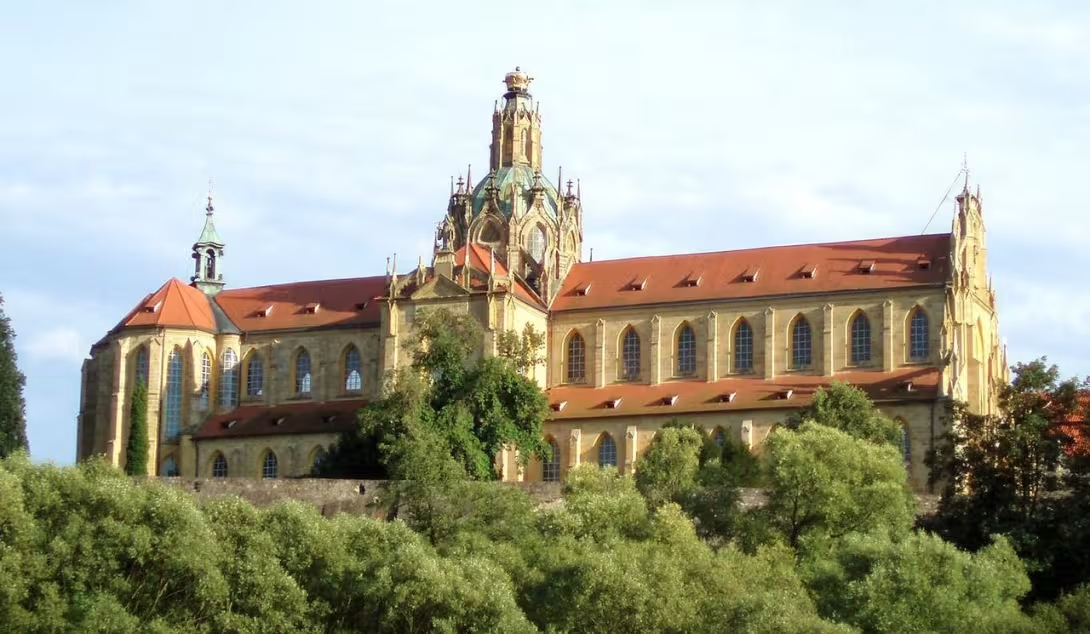
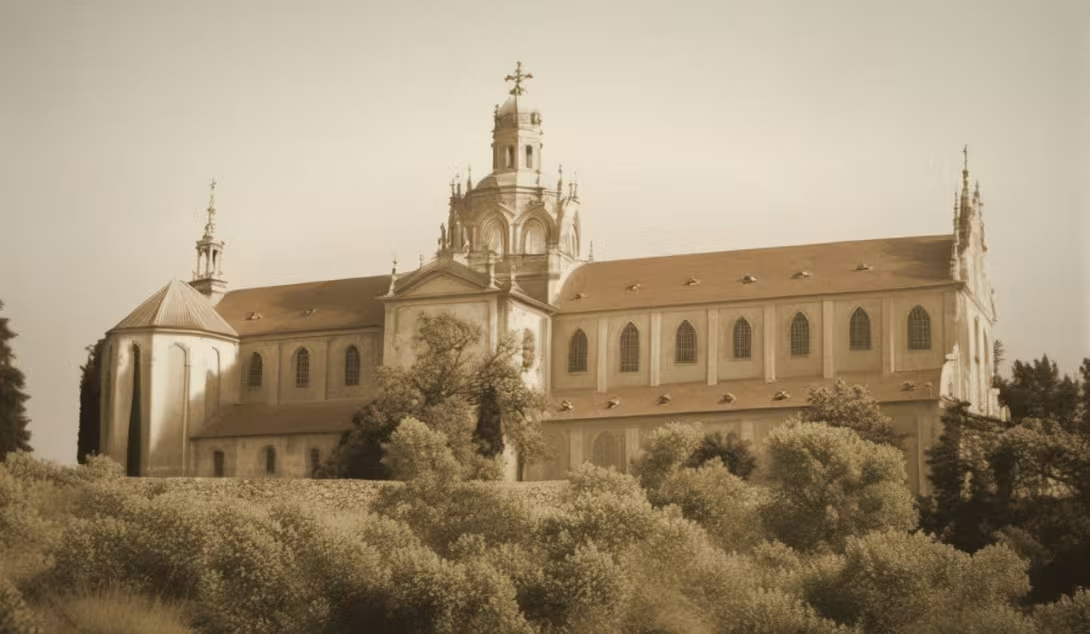
The historical appearance on the left is an AI-generated visualisation and serves as inspiration only.
Historical milestones
- 1233
- The church was consecrated.
- 1421
- Hussites devastated the church.
- 1718
- Main altar relocated to the crossing, marking further reconstruction.
- 1726
- Church solemnly consecrated after Baroque Gothic transformation.
Architectural development
Initially constructed in late Romanesque style, the church underwent significant changes starting in 1712. Jan Blažej Santini-Aichel's design introduced a Baroque Gothic aesthetic, featuring a shortened floor plan and a prominent dome over the crossing. The original Romanesque walls were largely replaced with new stone blocks, while the exterior was characterized by distinctive elements like the dome, western façade, and northern transept corner.
Historical events
- 1233
- The original church was consecrated.
- 1421
- The Hussites devastated the church, leaving it roofless and without vaults for a long time.
- 1718
- Relocation of the main altar to the crossing marked the start of further reconstruction in the eastern part of the church.
- 1726
- The church was solemnly consecrated after its major Baroque Gothic transformation.
Points of interest
- The Church of the Assumption of the Virgin Mary, Saint Wolfgang, and Saint Benedict in Kladruby uniquely blends late Romanesque origins with Baroque Gothic architecture, a transformation led by Jan Blažej Santini-Aichel between 1712 and 1726.
- Originally part of the Kladruby Abbey complex founded in 1108 by Duke Svatopluk, the church was left roofless for an extended period after being devastated by the Hussites in 1421.
- During its Baroque Gothic transformation, the church's floor plan was shortened by 660 cm to centralize the dome and create a visual focal point both inside and outside, reflecting Santini’s innovative design approach.
- A distinctive feature of Santini's design is the octagonal dome with a Marian crown over the crossing, which adds to the church's unique architectural character.
- The church includes spiral staircases at junctions between side aisles and choir walls, enhancing both functionality and aesthetics in its intricate Baroque Gothic design.
Guide
This guide is narrated by a synthetic voice generated by artificial intelligence.
Show guide text
This text was created by artificial intelligence and has not been editorially reviewed. It may contain inaccuracies.
Welcome to the awe-inspiring Church of the Assumption of the Virgin Mary, Saint Wolfgang, and Saint Benedict here in Kladruby. As you stand before this monumental structure, take a moment to absorb its grandeur within the serene surroundings of the Kladruby Abbey complex.
This church's story begins in the early 12th century when it was originally constructed in the late Romanesque style. Over time, it has witnessed significant historical events and undergone remarkable transformations. The most notable change occurred between 1712 and 1726 when the church was reconceived by the visionary architect Jan Blažej Santini-Aichel. His design introduced Baroque Gothic elements that now define its majestic appearance.
As you explore this sacred space, notice how the fusion of architectural styles creates a unique tapestry of history. The transformation led by Santini-Aichel is evident in the church’s intricate details and grandeur. Although specific features aren't detailed here, take a moment to appreciate the harmony between old and new that defines its character.
The church's journey through time is marked by pivotal events. In 1233, it was consecrated, signifying its importance as a spiritual center. However, in 1421, during turbulent times, the Hussites devastated this sacred site. Despite such challenges, the church endured and continued to evolve. By 1718, further reconstruction efforts saw the main altar relocated to the crossing, setting the stage for its final transformation. In 1726, after Santini-Aichel's masterful redesign, it was solemnly reconsecrated, emerging as a beacon of Baroque Gothic architecture.
Throughout its history, figures like Svatopluk and Vladislav I have been associated with this church, contributing to its rich tapestry of stories and significance. Their influence is woven into the very fabric of Kladruby’s heritage.
One intriguing aspect that draws visitors here is how seamlessly the late Romanesque origins blend with Baroque Gothic elements under Santini-Aichel's guidance. This architectural dialogue between eras offers a fascinating glimpse into the church's evolution, making it a unique testament to resilience and artistic vision.
As you conclude your visit, I invite you to continue exploring Kladruby’s enchanting landscape and uncover more of its hidden treasures. Thank you for joining us on this journey through history and architecture. Farewell, and may your travels be filled with discovery and wonder.
Tips for visitors
The best time to visit the Church of the Assumption of the Virgin Mary, Saint Wolfgang, and Saint Benedict is during late spring or early autumn. These seasons offer pleasant weather that enhances your experience while exploring the Kladruby Abbey complex. The natural light during these months also provides excellent conditions for photography, allowing you to capture the intricate details of the church's architecture. Additionally, visiting outside peak tourist seasons can result in a more peaceful and contemplative visit.
Parking is available near the Kladruby Abbey complex, but it's advisable to check ahead for availability as spaces may be limited during busy times. Public transportation options are also accessible; you can reach Kladruby using regional trains or buses. For those traveling by car, there are roads leading directly to the area, making it convenient for visitors who prefer driving. Always verify current transport schedules and routes in advance through a reliable travel app or website.
When visiting the church, consider bringing comfortable walking shoes as you'll likely explore more of the abbey complex beyond just the church itself. A camera is recommended to capture the stunning architecture and serene surroundings. Additionally, carrying a water bottle and some snacks can be helpful if you plan on spending several hours at the site. If you're interested in learning more about the history and significance of the church, bringing along a guidebook or downloading information from the official website beforehand can enrich your visit.
Photography enthusiasts will find many spots within the church that offer beautiful compositions, especially during the golden hours of early morning or late afternoon when natural light filters through the stained glass windows. The interior's high ceilings and detailed frescoes provide ample opportunities for capturing stunning images. Be mindful of photography restrictions in certain areas to preserve the sanctity of the site.
For families with children visiting the Church of the Assumption, there are several nearby attractions within a 30-minute drive that can make your trip more enjoyable. Consider exploring the Kladruby Stud Farm, known for its thoroughbred horses, which offers an engaging experience for kids interested in animals and equestrian activities. Additionally, the picturesque landscapes around Kladruby provide opportunities for family-friendly outdoor activities such as walking or cycling.
Businesses nearby
Do you run a restaurant, accommodation, shop, museum, rental, wellness or other visitor service near this monument? Show yourself directly to the people heading to it — this is how they will see you in the app and on the web:
Events nearby
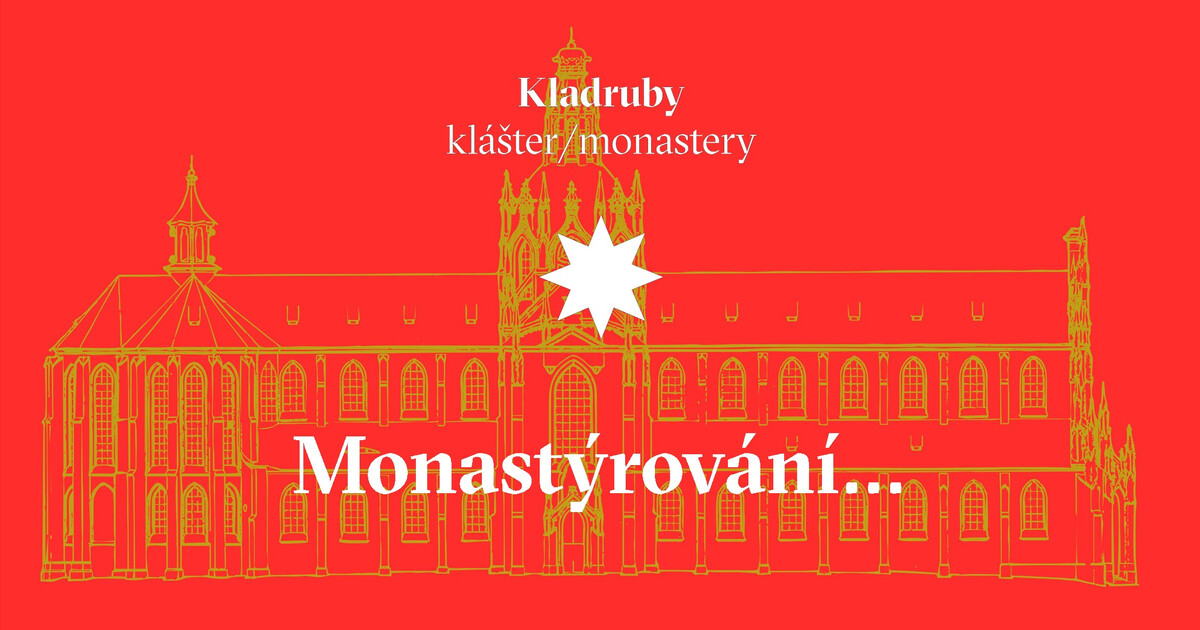
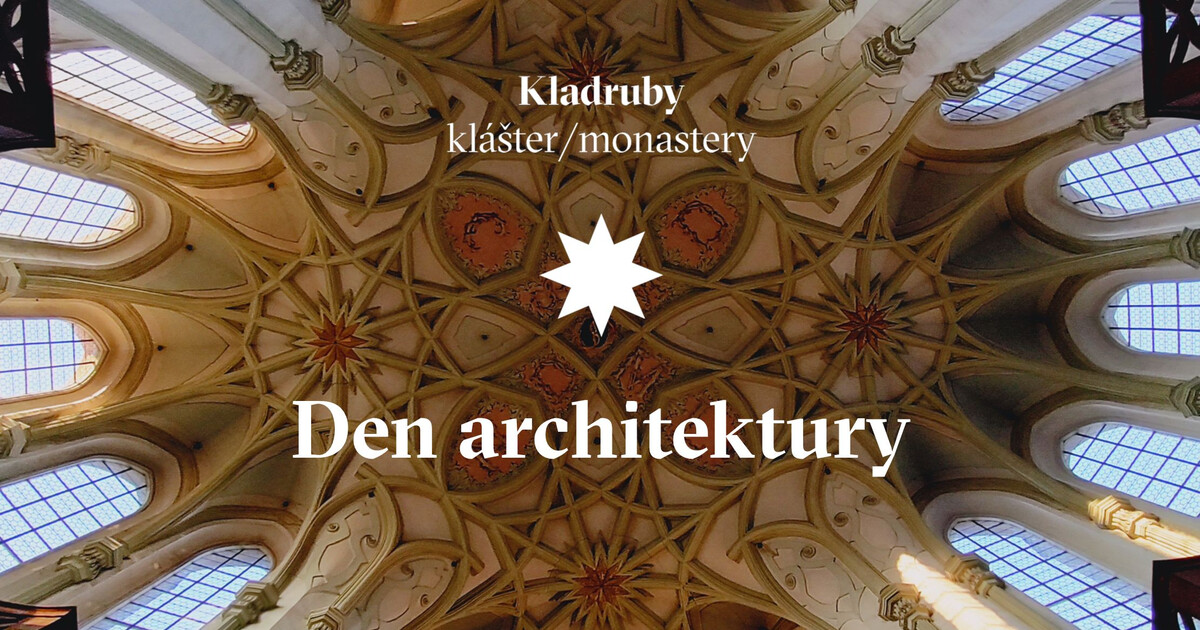
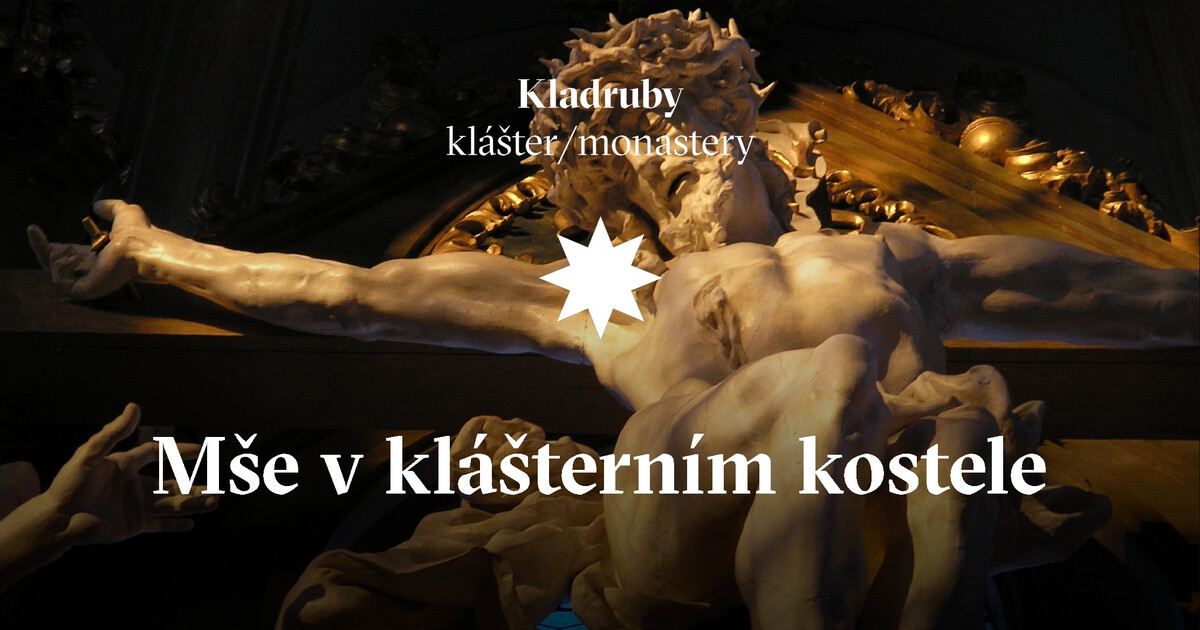
Zdroj akcí: otevřená data měst a obcí ČR (Národní katalog otevřených dat) a kalendář akcí Národního památkového ústavu.
Accommodation nearby
Trips and activities nearby
Guided tours, tickets and activities nearby from GetYourGuide
Affiliate link: if you buy from the partner, we may receive a commission. The price for you does not change.
Search tours and activities →Themed route
Tematická výletní trasa: Kostel Nanebevzetí Panny Marie, svatého Wolfganga a svatého Benedikta
1. Kostel Nanebevzetí Panny Marie, svatého Wolfganga a svatého Benedikta *Typ:* Kostel *Proč stojí za návštěvu:* Tento barokní kostel je architektonickou perli obce Kladruby. Jeho bohatá historie a umělecký význam přitahují lidi, kteří se zajímají o duchovní a kulturní památky regionu. Vnější i vnitřní dekorace nabízejí pohled na historické umělecké styly.
2. Kladruby - Místní tržiště *Typ:* Tržiště *Proč stojí za návštěvu:* Po prozkoumání kostela se vyděte na místní tržiště, kde si můžete užít atmosféry regionálních produktů a potravin. Je to skvělý způsob, jak poznat místní gastronomii a podpořit místní obchodníky.
3. Kladruby - Historické nádvoří *Typ:* Nádvoří *Proč stojí za návštěvu:* V okolí kostela se nachází historické nádvoří, které je ideálním místem pro relaxaci a pochopení kontextu obce. Zde si můžete užít klidné chvilky a zírat na architektonické prvky okolního prostředí.
4. Kladruby - Lokální park *Typ:* Park *Proč stojí za návštěvu:* Pro ty, kteří chtějí výlet zakončit klidnou procházkou, je místní park ideálním volbou. Poskytuje krásné zelené prostory a pohledy na okolní krajinu, což je skvělá příležitost pro relaxaci po návštěvě kostela.
Tato trasa nabízí kombinaci kulturních a klidných zážitků v obci Kladruby, kde můžete ocenit její historické i přírodní krásy.
Seasonal recommendations
Spring: Visiting the Church of the Assumption of the Virgin Mary, Saint Wolfgang, and Saint Benedict in Kladruby during spring offers a unique experience as nature begins to awaken. The surrounding landscapes are adorned with blooming flowers and lush greenery, creating an enchanting atmosphere that enhances the historical beauty of the church. This time is ideal for enjoying outdoor activities like walking or picnicking nearby, taking advantage of the mild weather. Visitors should dress in layers to accommodate fluctuating temperatures and consider arriving early to avoid larger crowds as spring becomes a popular season for tourists exploring the region.
Summer: Summer at Kladruby's historic church is characterized by vibrant sunlight that casts a warm glow over its architecture, highlighting intricate details often missed during other seasons. The lush summer foliage provides a picturesque backdrop, making it perfect for photography enthusiasts and nature lovers alike. With longer daylight hours, visitors can explore the area extensively, though it’s advisable to arrive early in the morning or later in the afternoon to avoid peak tourist times and enjoy a more tranquil visit. Light, breathable clothing is recommended due to warmer temperatures.
Autumn: The autumn season transforms Kladruby into a kaleidoscope of colors with its stunning foliage, offering a magical setting for visiting the church. This period provides a serene atmosphere as nature prepares for winter, making it an ideal time for those seeking a peaceful retreat from the bustling summer crowds. Cooler temperatures mean visitors can comfortably explore without the heat, but carrying a light jacket is advisable as evenings can be brisk. The golden hues of autumn make this an excellent season for capturing the church's beauty through photography.
Winter: Winter brings a unique charm to Kladruby’s historic church with its serene snow-covered landscape and crisp air that enhances the architectural details. The atmosphere during this time is tranquil, offering a peaceful experience away from the summer crowds. Visitors should be prepared for shorter daylight hours by planning their visit accordingly and dressing warmly in layers to stay comfortable while exploring. Despite potential closures or reduced opening times, winter offers a quiet opportunity to appreciate the church's historical significance amidst the beauty of the Plzeňský region’s snowy scenery.
Visualizations and artistic views


The visualisations are generated by artificial intelligence and serve as inspiration.
Photos from the area
Real photos taken near the monument


Zdroj a licence jsou uvedeny u každého snímku.
Tips from visitors
No tips yet. Be the first!
Log in and add your tip.
Sources and literature
Fotografie: Orange.man / Public domain — Wikimedia Commons. The author and licence also appear when you hover over the image.
Faktickým podkladem tohoto textu byl článek na Wikipedii, jehož autory jsou přispěvatelé Wikipedie. Článek je dostupný pod licencí CC BY-SA 4.0.
Location on the map

Příběhy a pověsti
Legendy, pověsti a příběhy spjaté s touto památkou
Fotografie návštěvníků
Zatím žádné fotografie. Buďte první, kdo přidá fotografii z návštěvy!
Přihlaste se a přidejte svou fotografii nebo hodnoťte.
Za ověřenou návštěvu v aplikaci získáte víc bodů — poznáme podle GPS, že jste na místě.
Reviews and comments