






Kostel Narození Panny Marie (Kadaň) Church
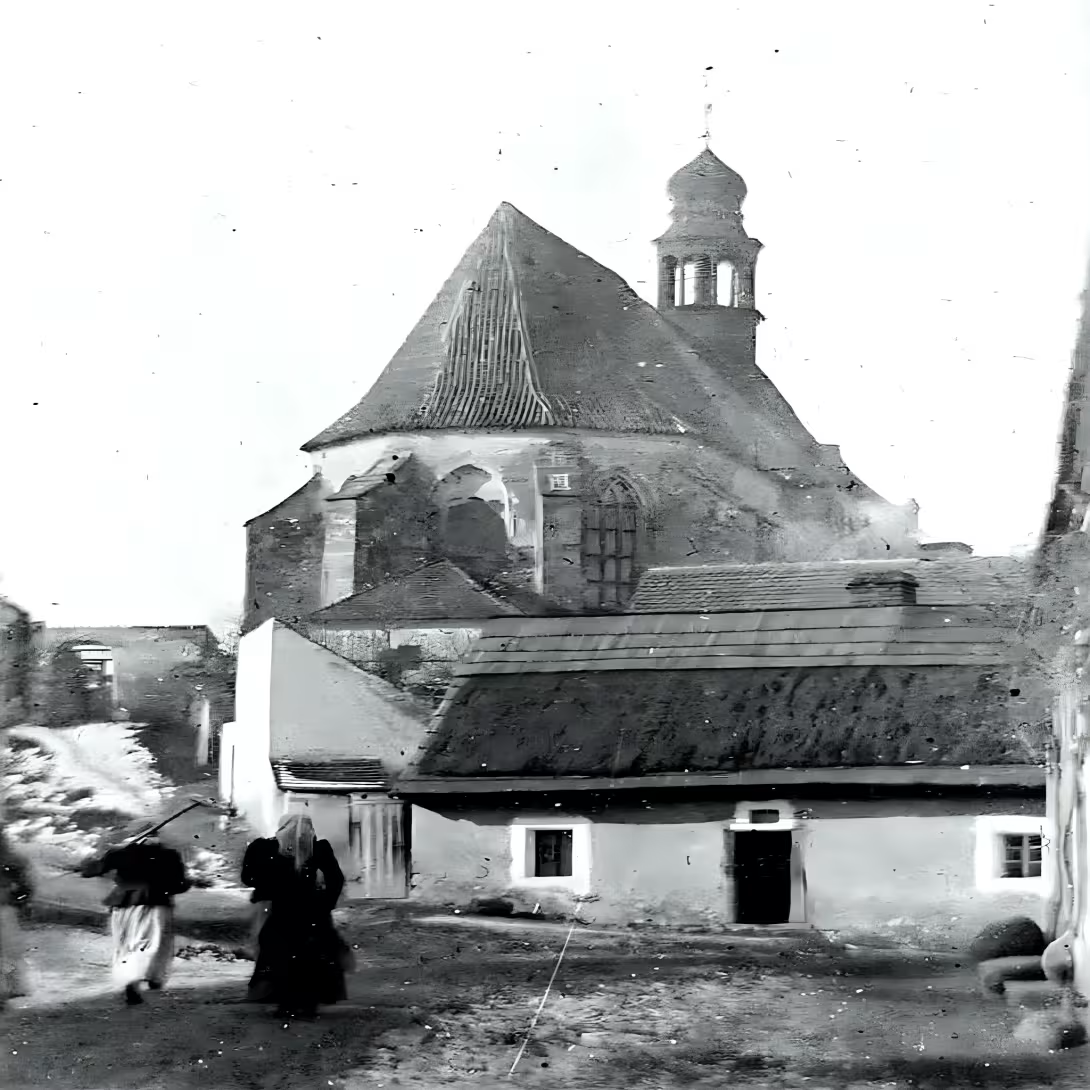
Objekt se nedochoval — na místě dnes nestojí. Následující text popisuje jeho historii, ne současnou návštěvu.
The Church of the Birth of the Virgin Mary in Bystřice is a historic monument located on a prominent peninsula above what once was the village of Bystřice in Chomutov district. Originally built as a Romanesque structure, later passed transformations through Gothic, Renaissance and Baroque styles. This church is of historical importance thanks to its development for centuries and its role in the ecclesiastical landscape of Bohemia.
The oldest documented mention dates back to 1352, when the church paid six goushes in the papal tithe, suggesting its status as one of the poorer churches in the kadani deanery. Originally a filial church under the Prunerov parish experienced significant changes over time. The Gothic era brought architectural innovation across Europe and this church was no exception; suffered damage around 1421, but was restored with contributions of the Kadaň citizens at the end of the 15th century.
Architecturally, the church began as a Romanesque structure before developing through various styles. It represented an oblong ship with simple walls and rectangular windows. The polygonal presbytery had butlets and pointed windows, while the main entrance was on the west facade, decorated with a shield above it. The late-Gothic portal in the north wall led to a ship separated from the presbytery by a triumphant arch with shaped vases. At the end of the 16th century the church was rebuilt into Renaissance style and a new tower and Baroque elements appeared at the beginning of the 18th century.
Throughout its history, the fortunes of the Church were closely linked to the wider ecclesiastical development in Bohemia. During the Gothic era, architectural innovation was important throughout Europe, which also affected this site. The Renaissance brought new artistic styles to the region, which reflected the reconstruction of the church. In the Baroque period, religious art and architecture flourished in response to counter-reformation, which further enriched the aesthetics of the church.
Key events include damage around 1421 and subsequent efforts by the citizens of Qadana to recover. Despite the plans for demolition in 1967, thanks to the expansion of the Lome of Admission frescoes were discovered within the church, which prompted further examination. Unfortunately, it was demolished in 1968 before these could be thoroughly examined.
Today, while the body structure is no longer standing, its historical significance remains the subject of interest. The site serves as a reminder of architectural and cultural changes that have shaped Bohemia for centuries. Visitors who are interested in ecclesiastical history and architectural evolution will find the story convincing and offer insights into the wider historical context of the region. His legacy calls for reflection on the dynamic interaction between art, architecture and the community throughout history.
Then and now
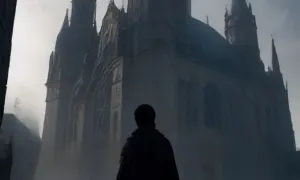
Drag the slider to compare how the landmark may have looked when it was built with the view today.
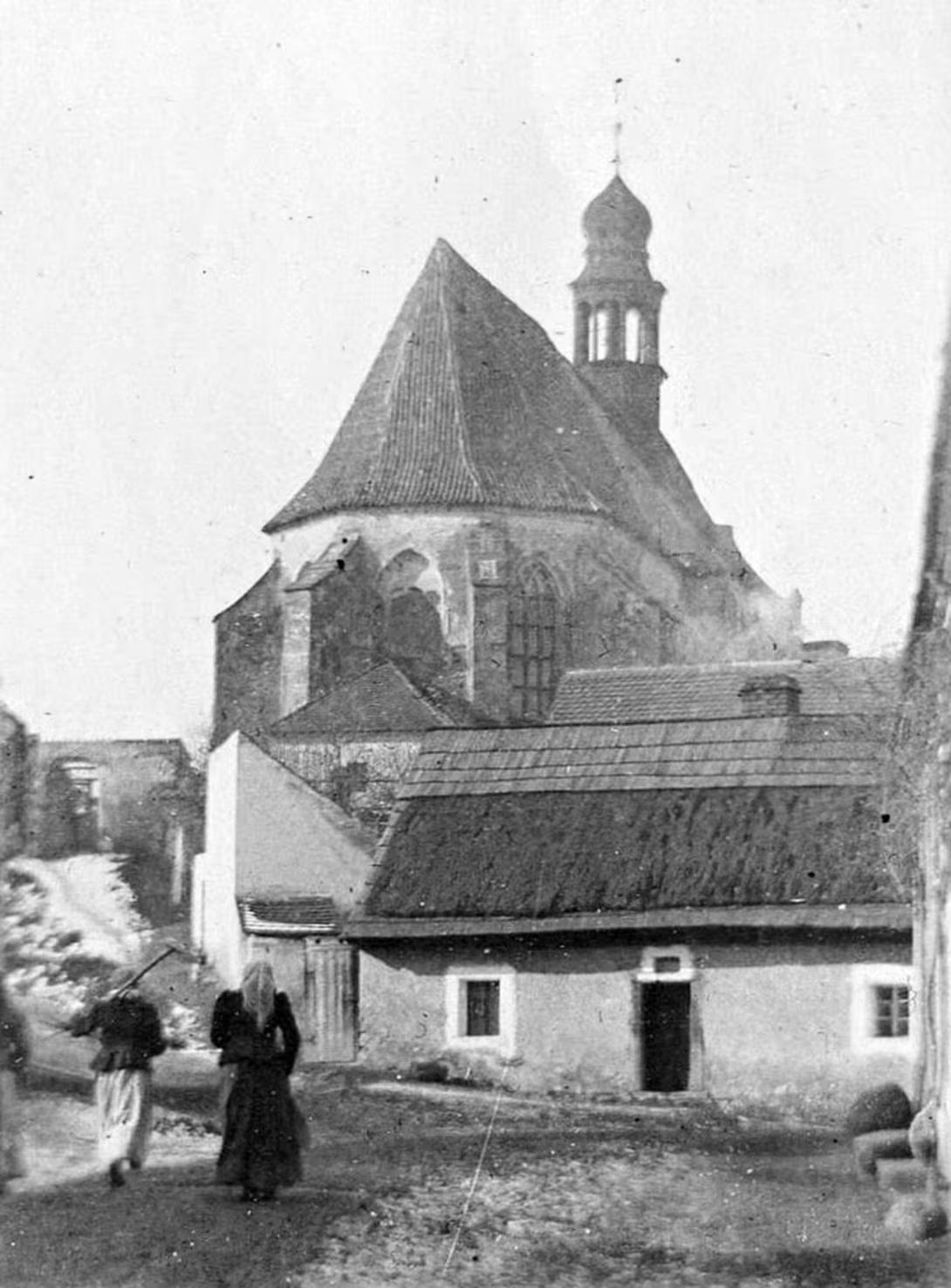
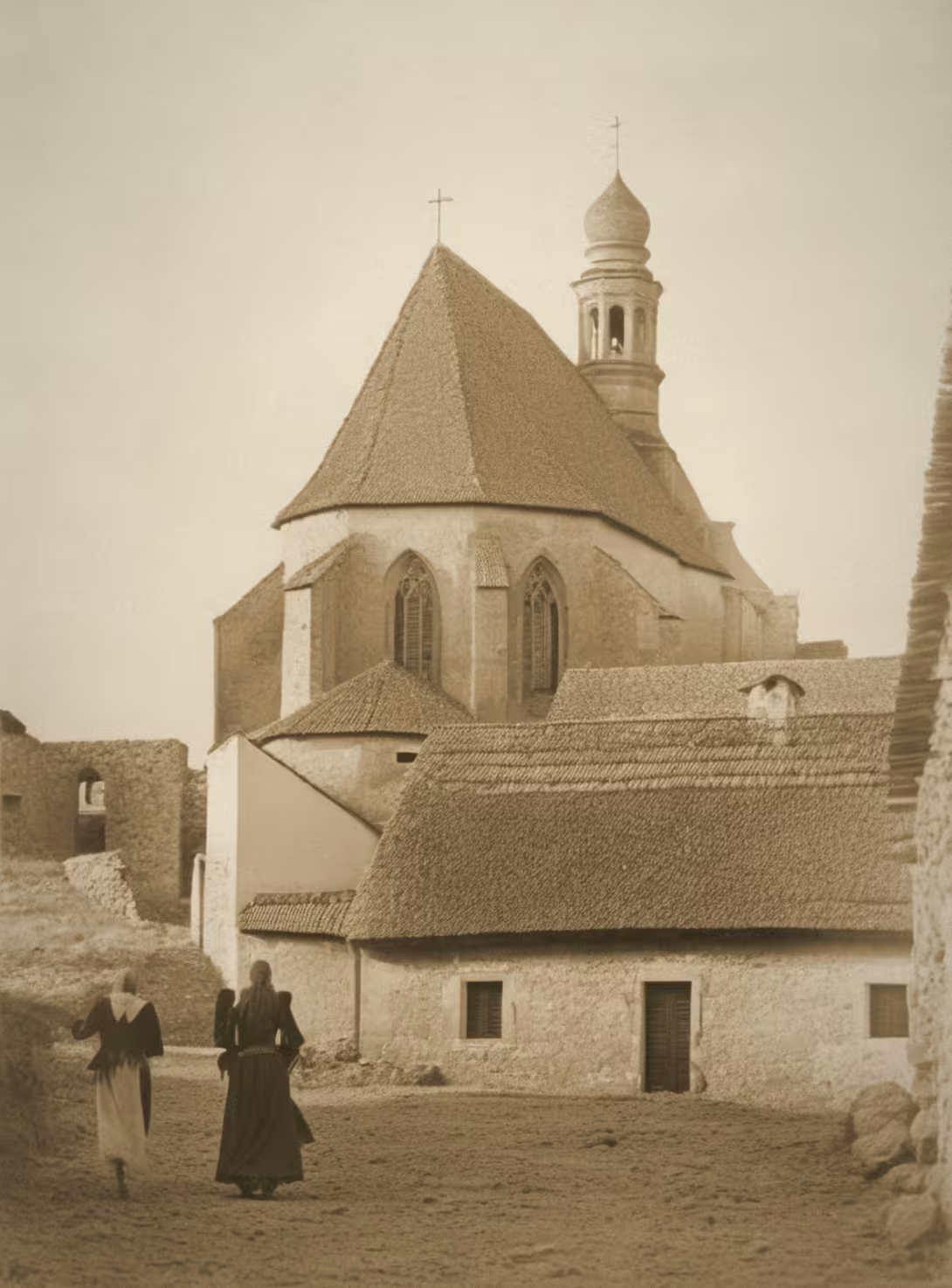
The historical appearance on the left is an AI-generated visualisation and serves as inspiration only.
Historical milestones
- 1352
- The oldest country of the church in all its resources.
- 1421
- The church suffered with the luck of Hussite wars.
- 15th Century
- Restoring the church with the support of the citizens of Kadana.
- End of the 16th Century
- Removing to Renaissance style, including a new tower.
- The Beginning of the 18th Century
- The transfer of baroque elements.
Architectural development
the church began as a Romanesque structure and evolved through Gothic, Renaissance and Baroque styles. It represented an oblong ship with rough walls and rectangular windows, while the polygonal presbytery had buttenses and pointed windows. The main entrance was on the west facade, decorated with a shield above it. The late-Gothic portal in the north wall led to a ship separated from the presbytery by a triumphant arch with shaped vases. Baroque stucco decorations were added later.
Historical events
1352: The first documented mention of the payment of six grosses in the Pope's tithe, which indicates its status as one of the poorest churches in the Kadani Deanery.
1421: The church was damaged and later restored with the help of Kadaň citizens.
1967-1968: Decision on the demolition of the village including the church as a result of enlargement plans for the Loma of the Arrival, which led to its destruction before a thorough examination of the frescoes.
Points of interest
- Despite its original position as a poorer church in the Kadan Decary, the Church of the Birth of the Virgin Mary in Bystřice played an important role in Czech ecclesiastical history thanks to its architectural evolution for centuries.
- the church went from Romanesque to Gothic, Renaissance and finally Baroque styles. This reflects wider European trends in architecture and art, which shows how the local structures were influenced by continental movements.
- In 1421, the church suffered damage during stormy times, but later was restored with contributions from citizens Kadaň, showing community involvement and resilience while preserving historical monuments.
Before his demolition in 1968, frescoes were unexpectedly discovered in the church. These works of art prompted a request for further examination, which underlines the potential undiscovered art that once decorated the structure.
- The planned demolition church was temporarily stopped when these frescoes were found in preparation for the expansion of the Lome of Oneness. This discovery underlines how historical sites can hold unexpected treasures that contribute to our understanding of past cultures and communities.
Guide
This guide is narrated by a synthetic voice generated by artificial intelligence.
Show guide text
This text was created by artificial intelligence and has not been editorially reviewed. It may contain inaccuracies.
Welcome to the Church of the Birth of the Virgin Mary in Bystřice, a remarkable historical jewel nestled on a prominent peninsula above what once disappeared village Bystřice in Chomutov district. As you stand here, take a moment to absorb the calm beauty and deep sense of history that surrounds you.
The origin of this church dates back to the roots of Romanesque, with the first documented mention from 1352. Over time he became a filial church under the parish of Prunerov, which intertwined into the church structure of Bohemia. In the early 14th century it turned into a Gothic structure that reflected architectural trends and spiritual zeal of the era. But his journey through history was not without problems; In 1421 during the stormy Hussite wars, the church suffered considerable damage.
Despite these disadvantages, the resilience of this sacred place is evident in its subsequent renovation. At the end of the 15th century, with the support of the people of Kadana, she went through a renewal that breathed new life into his walls. As you walk around, notice how the structure harmoniously blends elements from different periods, culminating in the Renaissance transformation at the end of the 16th century when a new tower was added. At the beginning of the 18th century they brought further changes with Baroque decorations, adding layers to his architectural story.
When exploring, pay attention to the exterior and interior functions of the church that reflect these historical transformations. Notice how every era has left its mark, from the foundation of Romanesque to Gothic elements and later Renaissance and Baroque supplements. Architecture church tells the story of endurance and adaptation for centuries of change.
While specific architects remain unknown, the Church of the Birth of the Virgin Mary in Bystřice stands as proof of collective effort and community spirit. Its history is linked to the history of people who have supported its survival and transformation over the years.
One of the fascinating aspects of this church is its humble beginnings in the cadadian deanery, where it was considered a poorer church. Yet, thanks to its architectural evolution, it gained meaning in Czech ecclesiastical history, which shows how beauty and meaning can emerge from modest origins.
At the end of your visit to this historic place, I invite you to think about the layers of history encapsulated inside these walls. Every stone tells the story of faith, resilience and community. Thank you for joining me in examining the Church of the Birth of the Virgin Mary in Bystřice. May his rich past inspire you to continue your journey in this remarkable area.
Businesses nearby
Do you run a restaurant, accommodation, shop, museum, rental, wellness or other visitor service near this monument? Show yourself directly to the people heading to it — this is how they will see you in the app and on the web:
Nearby
ITEX Show interactive overview of the surroundings - restaurants, accommodation, rentals and other places within a 15 km radius.
Data: OpenStreetMap contributors, 15 km radius.
‡ Historical monuments
- Franciscan monastery in Kadani (2.2 km)
- Franciscan monastery in Kadani (2.3 km)
- Museum clock (7.8 km)
- Holy Trinity (7.9 km)
- Kleinstejn (10.9 km)
- Maleš (11.7 km)
- Triple column (12.2 km)
- Fallen from the world's wars (12.2 km)
Restaurant and catering
- U two bears (6.3 km)
- U Sucháče (6.4 km)
- Club Drak (6.8 km)
- Bowling (7.1 km)
- Panorama (7.3 km)
- pizzeria Kamenka (7.6 km)
- Koliba Satanka (7.7 km)
- Šifa (7.8 km)
Accommodation
- Automobile Pruners (4.7 km)
- Pytloun Wellness Hotel Hasisteln (6.4 km - Place 110)
- Tošá (6.5 km - Behind Cork 348)
- Autocamp U jezu (7.5 km)
- Bohemia Excellent (8.0 km)
- Czech house (11.5 km - Leipzig 2097 / 44)
- Beethoven (12.0 km - Beethoven 1146)
- Táboríště The second mill (12.1 km)
› Rental and sports
- Sport Center Labyrinth (1.1 km)
- Skatepark (1.4 km)
- Zavova overvis (2.3 km)
- Pavel Havlichek (6.9 km - 17 November 467)
- Sport hala (9.4 km)
- Pump track (11.8 km)
- Squash Fitness Chomutov (12.6 km - Bricklayer 5478)
- Sports hall Březenecká (13.2 km - Březenecká 4704)
© Tourism and nature
- Kadaň - Lower tank (2.5 km)
- Educational Path still life (6.7 km)
- Pigeon top (7.3 km)
- IPA Double (7.6 km)
- Egerberg (7.6 km)
- Mravenchak (7.6 km)
- Information centrum (7.9 km)
- Black top (8.1 km)
Visualizations and artistic views


The visualisations are generated by artificial intelligence and serve as inspiration.
Tips from visitors
No tips yet. Be the first!
Log in and add your tip.
Sources and literature
Photos: autor neuveden / Public domain, rozlišení zvýšeno umělou inteligencí — Wikimedia Commons. The author and licence also appear when you hover over the image.
Faktickým podkladem tohoto textu byl článek na Wikipedii, jehož autory jsou přispěvatelé Wikipedie. Článek je dostupný pod licencí CC BY-SA 4.0.
Location on the map
More monuments – Kadaň
Show all in the municipality
Příběhy a pověsti
Legendy, pověsti a příběhy spjaté s touto památkou
Fotografie návštěvníků
Zatím žádné fotografie. Buďte první, kdo přidá fotografii z návštěvy!
Log in a přidejte svou fotografii nebo hodnoťte.
Za ověřenou návštěvu v aplikaci získáte víc bodů — poznáme podle GPS, že jste na místě.
Reviews and comments