






Kostel Narození Panny Marie v Malé Chuchli Church
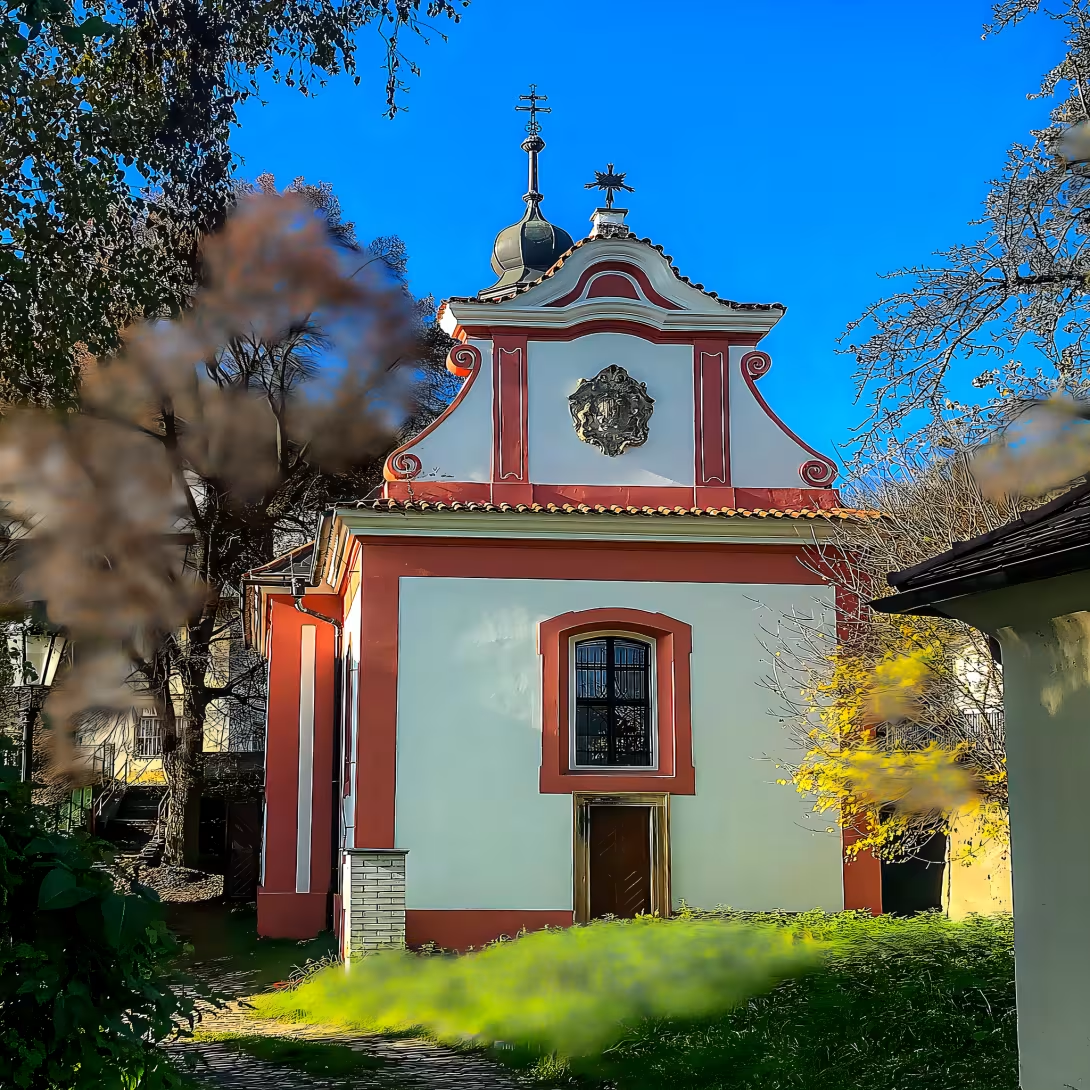
The Church of the Nativity of the Virgin Mary in Malá Chuchle is a notable example of late Baroque architecture, built on the foundations of an earlier Gothic or Romanesque church. Situated in the village of Malá Chuchle within Prague District, it was consecrated in 1774 during a time when the area flourished with spa culture. Its elevated position and intricate design reflect both practical solutions to past challenges and the artistic spirit of its era. Today, it serves as a filial church for the Greek-speaking community of the Czech Orthodox Church.
The site's origins date back to at least 1132, though more concrete evidence points to a parish church by 1264. Initially under Zbraslav Monastery's administration from 1298, following King Václav II's donation in 1304, the monastery controlled the church until 1948. The Hussite Wars interrupted this control when the church burned down in 1420. Although Zbraslav regained possession in 1455, it did not restore its spiritual administration here. Over time, structural issues due to inadequate foundation isolation led to irreparable damage and eventual collapse.
The current late Baroque structure, consecrated on September 7, 1774, by Abbot Celestin Stoy of the Cistercian monastery in Zbraslav, was built over the ruins of its predecessor. Its design mirrors that of the original Romanesque or Gothic building but includes distinctive baroque elements like casula windows and volute-shaped pediments. A significant reconstruction between 1994 and 1995 addressed structural damage from previous amateur renovations, including restoration work on the organ and frescoes.
Ownership and administration have changed over time. Initially managed by Zbraslav Monastery until 1948, it later became part of the Roman Catholic Parish of Saint Philip and James in Praha 5 – Hlubočepy since 1974. Today, the church is utilized by a Greek-speaking community within the Czech Orthodox Church.
The interior features late Baroque or Rococo furnishings, supplemented with modern furniture. A small bell tower on the roof houses two bells: one from 1708 dedicated to Saint Bernard and another from 1775 dedicated to Saint Barbara. These elements add to the historical richness of the site.
Currently, the Church of the Nativity of the Virgin Mary in Malá Chuchle stands as a testament to its architectural heritage and adaptive reuse over centuries. Its unique blend of history and artistry makes it an intriguing destination for visitors interested in exploring Prague District's cultural tapestry. The church's serene setting amidst historical spa culture landmarks further enhances its appeal, inviting exploration and appreciation from those who visit.
Then and now
Drag the slider to compare how the landmark may have looked when it was built with the view today.
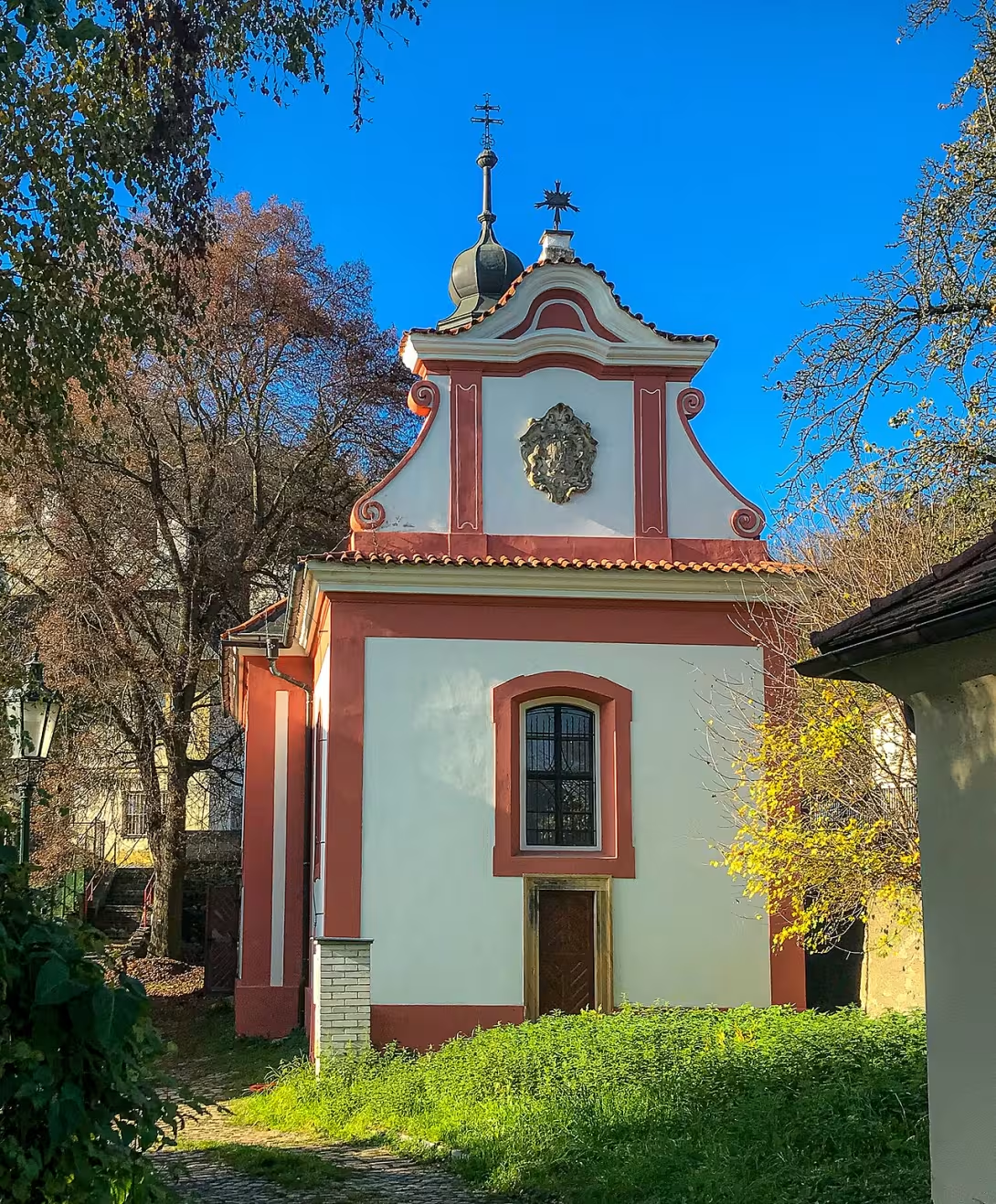
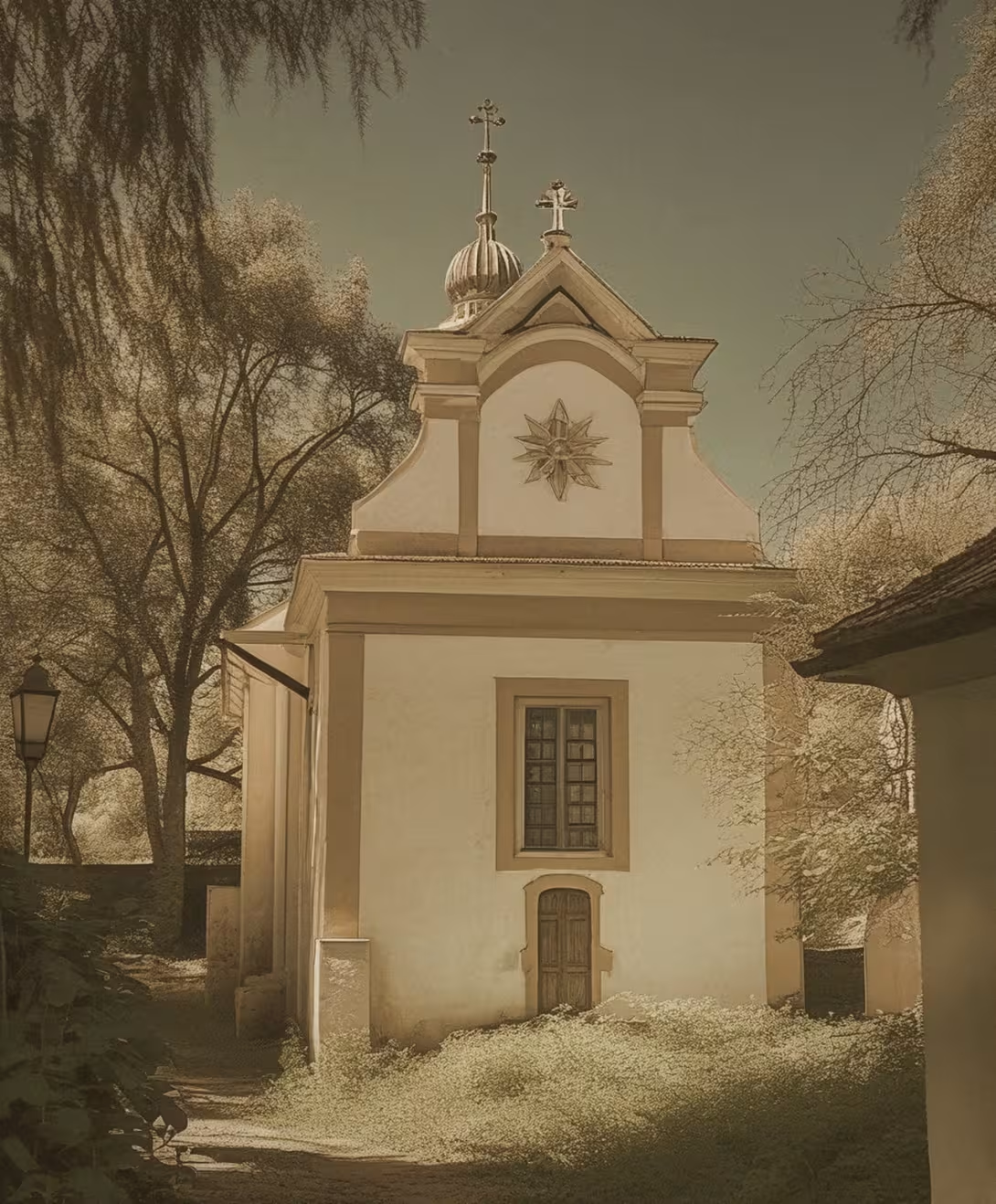
The historical appearance on the left is an AI-generated visualisation and serves as inspiration only.
Historical milestones
- 1132
- První zmínka o kostele.
- 1264
- Dokumentace jako farní kostel.
- 1298
- Pod správou Zbraslavského kláštera.
- 1304
- Darování králem Václavem II. Zbraslavskému klášteru.
- 1420
- Zničení během husitských válek.
- 1455
- Opětovné získání Zbraslavským klášterem.
- 1774
- Posvěcení současného barokního kostela.
Architectural development
Originally built over the ruins of a Romanesque or early Gothic church, the current structure is a late Baroque edifice. The church's design closely follows the ground plan of its predecessor but features baroque elements such as casula windows and volute-shaped pediments. A significant reconstruction in 1994-1995 addressed structural damage from previous amateur renovations and included restoration of the organ and frescoes.
Historical events
- 1420
- The Zbraslav Monastery was burned during the Hussite Wars.
- 1774
- The new Baroque church was consecrated by Abbot Celestin Stoy.
Owners
Initially managed by the Zbraslav deanery until 1948 when it became part of the Roman Catholic parish of St. Philip and James in Prague-Hlubočepy. Since then, it has been used by the Greek-speaking community of the Czech Orthodox Church.
Points of interest
- The Church of the Nativity of the Virgin Mary in Malá Chuchle was originally under the administration of Zbraslav Monastery from 1298 until 1948, showcasing a long period of ecclesiastical influence by this religious institution.
- During the Hussite Wars, the church suffered significant damage when it burned down in 1420, highlighting its vulnerability during periods of conflict and its resilience through subsequent reconstructions.
- The current structure features two bells with distinct dedications: one from 1708 dedicated to Saint Bernard and another from 1775 dedicated to Saint Barbara, reflecting the historical layers of devotion associated with the site.
- Despite being rebuilt in a late Baroque style, the church's design incorporates elements reminiscent of its original Romanesque or Gothic predecessor, demonstrating an architectural blend that respects its historical roots while embracing new artistic influences.
- The church now serves as a filial church for the Greek-speaking community within the Czech Orthodox Church, illustrating its adaptive reuse and continued importance to diverse religious communities in modern times.
Guide
This guide is narrated by a synthetic voice generated by artificial intelligence.
Show guide text
This text was created by artificial intelligence and has not been editorially reviewed. It may contain inaccuracies.
Welcome to the Church of the Nativity of the Virgin Mary in Malá Chuchle, a gem nestled within Hlavní město Praha. As you stand here, take a moment to absorb its late Baroque splendor, an architectural testament built upon layers of history. The church's elevated position offers not only a commanding view but also whispers tales from centuries past.
Let us delve into the origins and historical context that have shaped this sacred site. First mentioned in 1132, it has served as a beacon for spiritual life through various epochs. By 1264, it was documented as a parish church, reflecting its growing importance within the community. The Zbraslav Monastery assumed administration in 1298, marking the beginning of nearly six centuries of ecclesiastical stewardship that endured until 1948.
The architectural journey of this church is truly fascinating. Though the specific architects remain unknown, the intricate details speak volumes about their vision and craftsmanship. Notice how its late Baroque style harmonizes with historical elements, a testament to both resilience and adaptation over time. The church was consecrated in 1774, during the zenith of nearby spa culture, symbolizing a period when this area flourished as a cultural hub.
As you stand here, reflect on key stories and figures that have left their mark. One such figure is Celestin Stoy, whose contributions are etched into the fabric of this place. The church's resilience through tumultuous times is also noteworthy; it faced significant destruction during the Hussite Wars in 1420 but was reclaimed by the Zbraslav Monastery in 1455.
Now, let’s uncover a captivating aspect of its history: the Church of the Nativity of the Virgin Mary has been under the administration of the Zbraslav Monastery for centuries. This long-standing relationship highlights not only the church's spiritual significance but also its role as a custodian of ecclesiastical heritage in this region.
As we conclude our visit, I invite you to explore further and let your curiosity guide you through the layers of history that Malá Chuchle holds. Each stone and spire has a story waiting to be discovered. Thank you for joining us on this journey, and may your exploration here inspire a deeper appreciation for the rich tapestry of our shared past.
Tips for visitors
The best time to visit the Church of the Nativity of the Virgin Mary in Malá Chuchle is during late spring or early autumn, when the weather is pleasant for exploring the surrounding natural landscape and historical sites. This period offers a balance between comfortable temperatures and fewer crowds, allowing you to appreciate the serene environment and architectural beauty without rush.
For transportation, both car and public transport options are available. Public transport is also convenient; however, specific routes should be verified through a travel planner or local transit website to ensure the most efficient journey.
When visiting, consider bringing comfortable walking shoes as you may want to explore the church grounds and nearby areas on foot. A camera is recommended for capturing the picturesque views of the landscape and architectural details of the church. Additionally, carrying a light jacket might be useful due to variable weather conditions in Central Bohemia.
Photography enthusiasts will find several spots around the church ideal for capturing its late Baroque architecture against the backdrop of natural scenery. The best lighting is typically during the golden hours—shortly after sunrise or before sunset—when the soft, warm light enhances the textures and colors of the building.
In terms of nearby attractions within a 30-minute distance, visitors can explore other historical spa culture landmarks in Malá Chuchle. These sites offer insights into the region's rich history and provide additional picturesque settings for leisurely walks or further exploration.
Frequently asked questions
Can the monument be visited?
Religious buildings are usually open mainly during services; at other times a visit is normally arranged with the parish or the operator. We have not verified specific times.
Where is the monument?
Location: V lázních, Malá Chuchle, Praha, Hlavní město Praha. The map on this page shows the exact spot.
Why is the monument protected?
It is listed in the Central List of Cultural Monuments of the Czech Republic as a cultural monument (register no. 40292/1-1357).
Businesses nearby
Do you run a restaurant, accommodation, shop, museum, rental, wellness or other visitor service near this monument? Show yourself directly to the people heading to it — this is how they will see you in the app and on the web:
Events nearby

Zdroj akcí: otevřená data měst a obcí ČR (Národní katalog otevřených dat) a kalendář akcí Národního památkového ústavu.
Nearby
Located in Malá Chuchle within Prague District, the church is surrounded by historical spa culture landmarks. The area offers a picturesque landscape with natural features typical of Central Bohemia.
Accommodation nearby
Trips and activities nearby
Guided tours, tickets and activities nearby from GetYourGuide
Affiliate link: if you buy from the partner, we may receive a commission. The price for you does not change.
Search tours and activities →Themed route
Thematic Walking Tour: Historical Spa Culture of Malá Chuchle
1. Kostel Narození Panny Marie v Malé Chuchli (Church) - Type: Religious and Architectural Landmark - Why Visit: Begin your journey at this historic church, a centerpiece in the quaint village of Malá Chuchle. Its serene architecture offers insight into the region's rich religious heritage and serves as an excellent starting point to appreciate the area’s historical significance.
2. Malá Chuchle Spa Facilities - Type: Historical Spa Culture Landmarks - Why Visit: Explore the remnants of Malá Chuchle's spa culture, which has been a part of its identity for centuries. These facilities highlight the village's role in Central Bohemia's health and wellness history, offering a glimpse into traditional healing practices.
3. Natural Landscape Features - Type: Natural Landmarks - Why Visit: Stroll through the picturesque landscapes surrounding Malá Chuchle. The natural features typical of Central Bohemia provide a tranquil setting to reflect on the area's historical and cultural evolution, offering breathtaking views that complement your exploration.
This tour encapsulates the essence of Malá Chuchle’s spa heritage and its beautiful surroundings, providing an enriching experience for history enthusiasts and nature lovers alike.
Seasonal recommendations
Spring: The arrival of spring at the Church of the Nativity of the Virgin Mary in Malá Chuchle brings a refreshing transformation to the surrounding landscape, with blossoming flowers and vibrant greenery enhancing the natural beauty of this historic site. The soft morning light filtering through budding trees creates an ethereal atmosphere that complements the church’s serene architecture. Visitors should take advantage of the milder weather by wearing comfortable layers, as temperatures can vary throughout the day. Early mornings are ideal for exploration to avoid larger crowds and fully appreciate the tranquil environment.
Summer: Summer at Malá Chuchle offers long daylight hours and warm weather, making it an excellent time to visit the Church of the Nativity of the Virgin Mary. The lush gardens around the church come alive with color and activity, providing a picturesque setting for leisurely strolls or picnics. However, due to its popularity during this season, visitors are advised to arrive early in the day to avoid crowds and ensure ample time for exploration. Light clothing is recommended to stay comfortable under the summer sun.
Autumn: The autumn months transform Malá Chuchle into a tapestry of warm hues, with golden leaves creating a stunning backdrop for the Church of the Nativity of the Virgin Mary. This season offers a unique opportunity to experience the church in a more subdued yet equally enchanting atmosphere as the landscape transitions. Visitors should dress warmly and bring layers to accommodate cooler temperatures, especially later in the day. The quieter ambiance makes it an ideal time for those seeking a peaceful visit.
Winter: Winter at Malá Chuchle presents a serene and magical setting around the Church of the Nativity of the Virgin Mary, with snow-covered landscapes adding a touch of enchantment to the historic site. The shorter days mean that visiting in the late morning or early afternoon is best to maximize daylight for exploration. Visitors should dress warmly in layers and be prepared for potentially icy conditions. Despite the cold, the tranquil atmosphere provides a unique opportunity to experience the church’s beauty amidst the quiet stillness of winter.
Visualizations and artistic views


The visualisations are generated by artificial intelligence and serve as inspiration.
Photos from the area
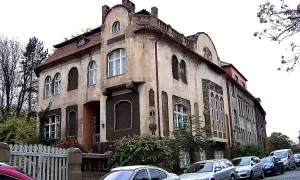
Real photos taken near the monument


Zdroj a licence jsou uvedeny u každého snímku.
Atmosphere of the place
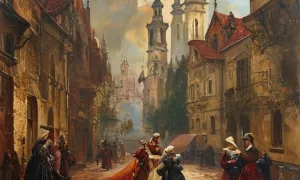
This atmospheric visualisation of the place and period was generated by artificial intelligence. It is not real footage of the location.
Tips from visitors
No tips yet. Be the first!
Log in and add your tip.
Sources and literature
Photos: VitVit / CC BY-SA 4.0, rozlišení zvýšeno umělou inteligencí — Wikimedia Commons. The author and licence also appear when you hover over the image.
Faktickým podkladem tohoto textu byl článek na Wikipedii, jehož autory jsou přispěvatelé Wikipedie. Článek je dostupný pod licencí CC BY-SA 4.0.
Location on the map


Příběhy a pověsti
Legendy, pověsti a příběhy spjaté s touto památkou
Fotografie návštěvníků
Zatím žádné fotografie. Buďte první, kdo přidá fotografii z návštěvy!
Log in a přidejte svou fotografii nebo hodnoťte.
Za ověřenou návštěvu v aplikaci získáte víc bodů — poznáme podle GPS, že jste na místě.
Reviews and comments