






kostel Narození Panny Marie (Větrný Jeníkov) Church
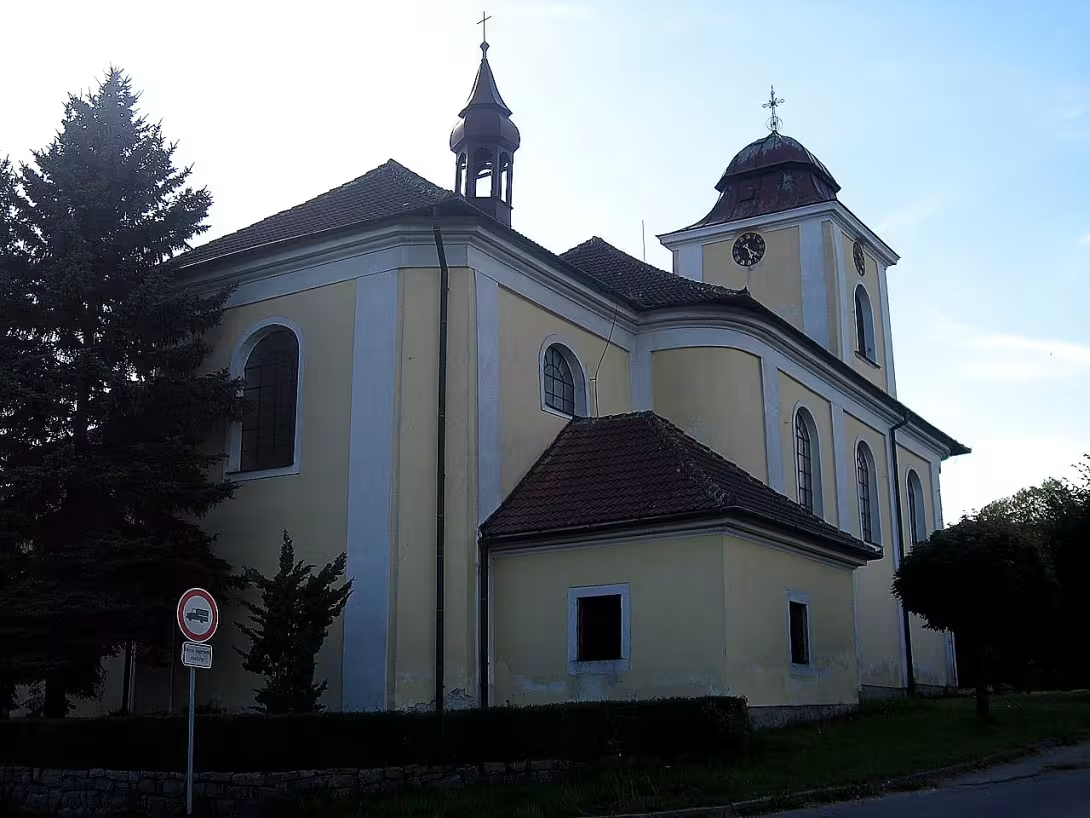
The Church of the Nativity of the Virgin Mary in Větrný Jeníkov is an outstanding example of folk Baroque architecture located at the village square's heart. Built between 1720 and 1735 by Jan z Minetti, it holds cultural significance within the Czech Republic. This single-nave rectangular structure features a polygonal tower projecting from its western façade, making it a prominent visual landmark.
Constructed during a period when Bohemia was part of the Habsburg Monarchy, this era saw significant Baroque influences across Europe. The Catholic Church, as an arts and architecture patron, fostered structures reflecting religious devotion and artistic expression. Jan z Minetti's design includes simple facades divided by pilasters, typical of the folk Baroque style.
Architecturally, the church has an oblong structure with a right-angled presbytery flanked by sacristy and an oratory chamber. Its polygonal tower enhances its distinctive silhouette against the village skyline. The building's design is both functional and aesthetically pleasing, embodying the folk Baroque style through straightforward yet elegant facades.
Throughout history, the church has undergone significant changes. In 1792, it experienced its first major renovation, followed by reconstruction after a fire around 1850, completed in 1851-1852. These events highlight the community's commitment to preserving this cultural monument over centuries.
The area surrounding the church is rich with other historical and cultural landmarks. A statue of Saint John Nepomucene, erected in 1721, stands nearby, along with a World War I memorial installed on the square in 1921. In late 2017, a sculpture titled "Reconciliation" by Leopold Habermann was placed and consecrated in front of the church, adding to its cultural significance.
Today, the Church of the Nativity of the Virgin Mary remains accessible for visitors, offering insight into the region's architectural heritage and historical narrative. Its status as a protected cultural monument underscores its importance not only to Větrný Jeníkov but also to the broader Czech Republic. Visitors are invited to explore this serene setting, where history and artistry converge in a testament to Baroque architecture's enduring legacy.
Then and now
Drag the slider to compare how the landmark may have looked when it was built with the view today.
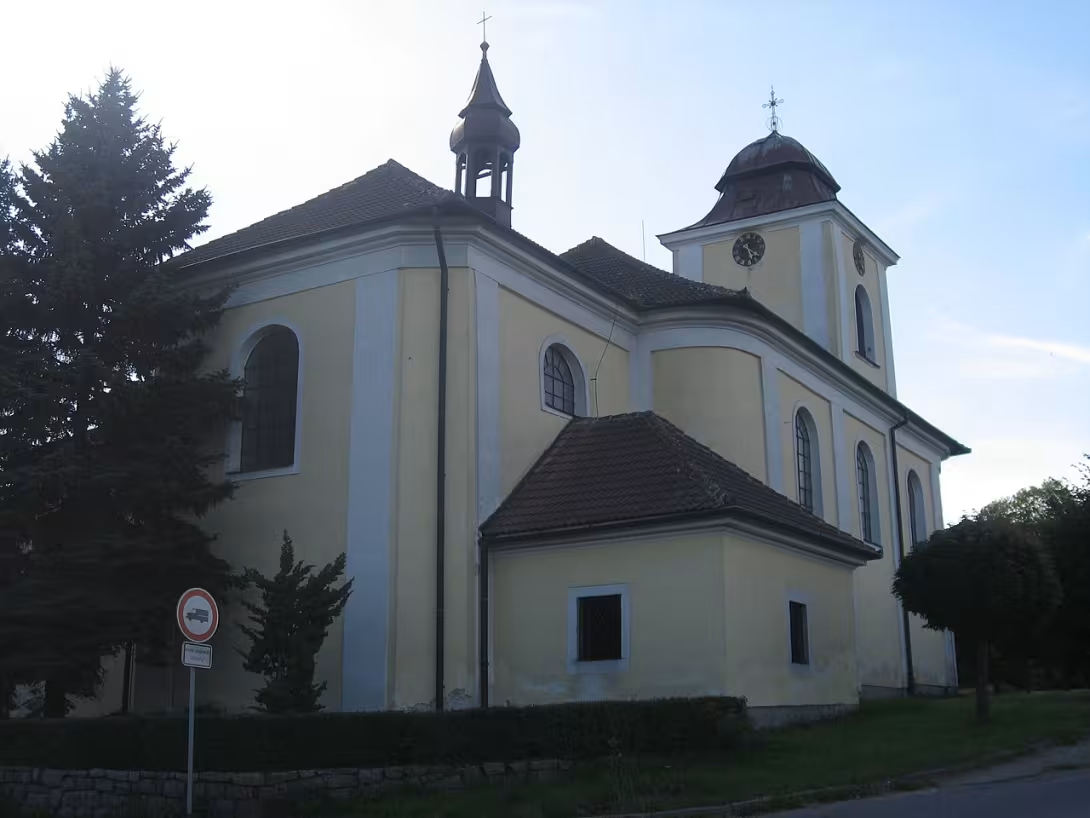

The historical appearance on the left is an AI-generated visualisation and serves as inspiration only.
Historical milestones
- 1720-1735
- Construction of the Church of the Nativity of the Virgin Mary in Větrný Jeníkov.
- 1792
- The first major reconstruction of the church.
- 1850
- Reconstruction after a fire, completed in 1851-1852.
- 1721
- Erection of the statue of Saint John of Nepomuk near the church.
- 1921
- Installation of a World War I memorial on the square.
- 2017
- Dedication and unveiling of the 'Reconciliation' sculpture in front of the church.
Architectural development
Constructed between 1720 and 1735 by Jan z Minetti, the church underwent its first major renovation in 1792. A significant reconstruction followed a fire around 1850, with work completed over two years. The building showcases simple facades divided by pilasters, characteristic of folk Baroque style.
Historical events
First reconstruction in 1792
Reconstruction after fire around 1850, completed in 1851-1852
Guide
This guide is narrated by a synthetic voice generated by artificial intelligence.
Show guide text
This text was created by artificial intelligence and has not been editorially reviewed. It may contain inaccuracies.
Welcome to the Church of the Nativity of the Virgin Mary in Větrný Jeníkov, a remarkable testament to folk Baroque architecture that stands proudly at the heart of this charming town square. As you stand here, take a moment to absorb the serene beauty and cultural significance of this architectural gem.
The church's construction spanned from 1720 to 1735 under the visionary guidance of Jan z Minetti, an architect renowned for his ability to blend folk traditions with Baroque elegance during the Habsburg Monarchy's influence in Bohemia. This period was marked by a flourishing of artistic expression and architectural innovation, which is vividly reflected in the church’s design.
As you gaze upon the structure before you, notice its single-nave rectangular form complemented by a distinctive polygonal tower that projects from the western façade. The right-angled presbytery, flanked by a sacristy and an oratory chamber, adds to the architectural intrigue of this sacred space. Each element tells a story of meticulous design and historical significance.
The church has witnessed several key events throughout its history. In 1721, just a year after construction began, a statue of Saint John Nepomucký was erected nearby, adding spiritual depth to the site. Fast forward to 1792, when the church underwent its first major reconstruction, followed by another significant restoration between 1851 and 1852 after a devastating fire in 1850. These restorations have helped preserve the church's architectural integrity for future generations.
In more recent history, 2017 marked an important cultural moment with the unveiling of the 'Rekoneciliace' sculpture in front of the church, symbolizing reconciliation and adding to the rich tapestry of stories associated with this location. In 1921, a memorial commemorating World War I was also installed on the square, further embedding the church within the broader historical narrative.
As you stand here today, take a moment to reflect on these layers of history that converge at this site. The Church of the Nativity of the Virgin Mary is not just an architectural marvel; it's a living chronicle of faith, resilience, and community spirit.
I invite you now to explore further, perhaps wandering around the square or stepping inside to experience its tranquil atmosphere firsthand. As you continue your journey through Větrný Jeníkov, may this church inspire you with its stories and beauty. Thank you for joining me on this auditory tour, and I hope it has enriched your visit. Safe travels as you discover more of this fascinating town!
Tips for visitors
The best time to visit the Church of the Nativity of the Virgin Mary in Větrný Jeníkov is during late spring or early autumn. During these seasons, the weather is typically mild and pleasant, making it ideal for exploring both the church and its surrounding landscapes. Additionally, visiting outside of peak summer months can help you avoid larger crowds, allowing for a more serene experience as you appreciate the folk Baroque architecture and cultural heritage of the area.
It's advisable to check current schedules and routes via a transportation search tool before your visit to ensure smooth travel plans.
When visiting the Church of the Nativity of the Virgin Mary, it’s recommended to wear comfortable walking shoes as there are several cultural monuments in the vicinity that are worth exploring on foot. Bringing along a camera is also advisable, as the church and its surroundings offer picturesque views for photography. Additionally, carrying a light jacket or sweater can be useful, especially if you plan to stay until later in the day when temperatures might drop.
Photography enthusiasts will find several spots around the church ideal for capturing stunning images. The best lighting is usually during the golden hours of early morning and late afternoon when the sunlight casts a warm glow over the Baroque architecture. Be sure to also explore the area surrounding the church, such as the statue of Saint John Nepomucene and the World War I memorial, which provide additional photographic opportunities with their unique historical significance.
For families visiting with children, Větrný Jeníkov offers a charming environment that is both educational and enjoyable. The village’s typical Central European landscapes are perfect for leisurely walks or bike rides. Within 30 minutes of travel, you can visit other nearby attractions such as the World War I memorial, which provides an opportunity to learn about local history in an engaging way. Ensure children have snacks and water during your trip, especially if planning extended outdoor activities.
Frequently asked questions
Can the monument be visited?
Religious buildings are usually open mainly during services; at other times a visit is normally arranged with the parish or the operator. We have not verified specific times.
Where is the monument?
Location: Větrný Jeníkov, Kraj Vysočina. The map on this page shows the exact spot.
Why is the monument protected?
It is listed in the Central List of Cultural Monuments of the Czech Republic as a cultural monument (register no. 15461/7-5384).
Businesses nearby
Do you run a restaurant, accommodation, shop, museum, rental, wellness or other visitor service near this monument? Show yourself directly to the people heading to it — this is how they will see you in the app and on the web:
Nearby
The church stands at the center of Větrný Jeníkov, surrounded by other cultural monuments such as a statue of Saint John Nepomucene and a World War I memorial. The area features typical Central European village landscapes.
Accommodation nearby
Themed route
Welcome to a thematic tour of Větrný Jeníkov, focusing on its rich cultural heritage and historical landmarks. This journey will take you through the heart of this charming village in the Jihlava District.
1. Kostel Narození Panny Marie (Church) Begin your tour at the central landmark of Větrný Jeníkov, the Church of the Nativity of the Virgin Mary. This beautiful church is a testament to the village's historical and architectural significance. Its serene atmosphere and intricate design make it a must-visit for anyone interested in religious architecture or local history.
2. Statue of Saint John Nepomucene (Statue) A short walk from the church, you'll find the statue of Saint John Nepomucene. This monument is not only an artistic piece but also a symbol of faith and resilience for the community. Its presence in the village square adds to the spiritual ambiance and offers insight into local religious traditions.
3. World War I Memorial (Memorial) Continuing your exploration, visit the World War I memorial nearby. This poignant site honors those who served during the Great War, reflecting on the impact of global events on this small village. It serves as a reminder of the sacrifices made and provides a moment for reflection amidst the peaceful surroundings.
This tour offers a glimpse into Větrný Jeníkov's cultural heart, showcasing its historical monuments and spiritual heritage. Enjoy your journey through time in this picturesque Central European village.
Seasonal recommendations
Spring: The arrival of spring breathes new life into the Church of the Nativity of the Virgin Mary in Větrný Jeníkov, with blooming wildflowers and budding trees creating a picturesque backdrop for visitors. The soft light filtering through the foliage enhances the church's historic architecture, offering a serene atmosphere perfect for contemplation. As nature awakens, it’s advisable to wear layers that can be adjusted as temperatures fluctuate throughout the day. While spring is generally less crowded than summer months, arriving early can help you enjoy the tranquility before more visitors arrive.
Summer: Summer in Větrný Jeníkov brings vibrant energy and longer daylight hours, making it an ideal time to explore the Church of the Nativity of the Virgin Mary. The lush greenery and warm sunshine create a lively atmosphere, perfect for leisurely strolls around the village. However, this is also peak tourist season, so expect larger crowds. To fully enjoy your visit, consider arriving early in the morning when it's cooler and less crowded. Comfortable walking shoes and light clothing are recommended to navigate the summer heat comfortably.
Autumn: Autumn transforms Větrný Jeníkov into a tapestry of warm colors with its stunning foliage, offering a magical setting for visiting the Church of the Nativity of the Virgin Mary. The golden hues and crisp air contribute to an enchanting atmosphere that enhances the historical charm of the church. As temperatures begin to drop, wearing layers is advisable to stay comfortable during your visit. While autumn sees fewer tourists than summer, it remains a popular time, so planning ahead can ensure a more relaxed experience.
Winter: Winter cloaks Větrný Jeníkov in a serene blanket of snow, lending the Church of the Nativity of the Virgin Mary an ethereal beauty with its historic architecture standing out against the white landscape. The quiet and peaceful atmosphere is ideal for those seeking a reflective visit away from the hustle and bustle of peak seasons. Arriving early can help you avoid any last-minute closures due to adverse weather.
Visualizations and artistic views


The visualisations are generated by artificial intelligence and serve as inspiration.
Photos from the area
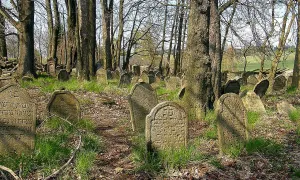
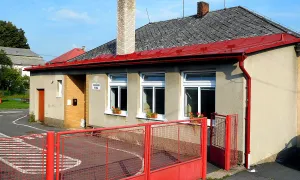
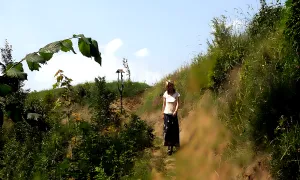
Real photos taken near the monument


Zdroj a licence jsou uvedeny u každého snímku.
Tips from visitors
No tips yet. Be the first!
Log in and add your tip.
Sources and literature
Photos: Dezidor / CC BY-SA 3.0 — Wikimedia Commons. The author and licence also appear when you hover over the image.
Faktickým podkladem tohoto textu byl článek na Wikipedii, jehož autory jsou přispěvatelé Wikipedie. Článek je dostupný pod licencí CC BY-SA 4.0.
Location on the map

Příběhy a pověsti
Legendy, pověsti a příběhy spjaté s touto památkou
Fotografie návštěvníků
Zatím žádné fotografie. Buďte první, kdo přidá fotografii z návštěvy!
Log in a přidejte svou fotografii nebo hodnoťte.
Za ověřenou návštěvu v aplikaci získáte víc bodů — poznáme podle GPS, že jste na místě.
Reviews and comments