






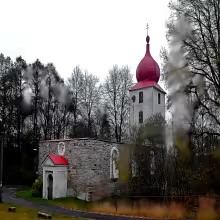
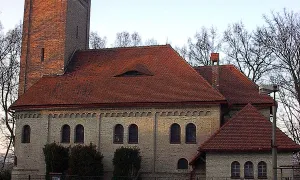
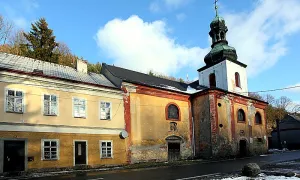
The Church of the Nativity of Saint John the Baptist in Vysoká is a historical monument near Cheb, Czech Republic. Originating from the mid-13th century, it stands as a testament to medieval ecclesiastical presence on the Czech border. Recognized as a cultural heritage site since 1992 and rededicated in November 2013, it reflects significant religious and architectural history.
The church likely dates back to the second quarter of the 13th century when Bohemia was part of the Holy Roman Empire. This era saw considerable religious and political developments across Europe, including the spread of Christianity and the establishment of ecclesiastical structures like this one. The church's construction aligns with these broader historical trends, marking its importance in the region's medieval history.
While specific architectural details are not documented, the church's survival through periods of neglect and subsequent restoration underscores its resilience and historical value. In 1966, heritage protection was revoked at the request of the District National Committee in Cheb. A demolition permit was issued in October 1971; however, restoration efforts began later that year by the Roman Catholic parish in Dolní Žandov. These events highlight the community's commitment to preserving this historical monument.
Today, the Church of the Nativity of Saint John the Baptist is accessible and continues to be a site of cultural significance. Its designation as a cultural heritage site since 1992 and its rededication in 2013 emphasize its enduring value. Visitors can appreciate its historical importance and the efforts made to preserve it for future generations.
The church's location near the border with Germany offers picturesque landscapes and proximity to other historical sites in the Karlovy Vary region, making it a worthwhile destination for those interested in history and architecture. Its story of resilience and restoration serves as an invitation to explore and appreciate this remarkable monument.
Historical milestones
- kolem 1250
- Založení kostela Narození svatého Jana Křtitele v druhé čtvrtině 13. století.
- 1966
- Odebrání ochrany památky na žádost Krajského národního výboru v Chebu.
- 1971
- Vydání povolení k demolici kostela.
- 1971
- Počátek obnovy kostela římskokatolickou farností v Dolním Žandově.
- 1992
- Označení jako kulturní památka.
- 2013
- Opětovné zasvěcení kostela v listopadu.
Architectural development
The church's architectural development is not detailed in available sources. However, its survival through periods of neglect and subsequent restoration highlights its resilience and historical value.
Historical events
In 1966, the church's heritage protection was revoked at the request of the District National Committee in Cheb.
A demolition permit was issued in October 1971, but restoration efforts began later that year by the Roman Catholic parish in Dolní Žandov.
Points of interest
- The Church of the Nativity of Saint John the Baptist in Vysoká was once part of the Holy Roman Empire's ecclesiastical network, reflecting its strategic importance on the Czech border during medieval times.
- Despite being granted a demolition permit in 1971, local community efforts led by the Roman Catholic parish in Dolní Žandov ensured the church’s restoration and preservation, showcasing strong regional commitment to cultural heritage.
Guide
Show guide text
Welcome to the Church of the Nativity of Saint John the Baptist in Vysoká, a cherished historical monument perched on the border near Cheb. As you stand before this venerable structure, take a moment to appreciate its serene presence and the stories it holds within its ancient walls.
This church likely dates back to the mid-13th century, around 1250, when it was founded during the second quarter of that century. Its origins are steeped in the religious fervor of medieval times, serving as part of the ecclesiastical network of the Holy Roman Empire. This strategic location on the Czech border highlights its historical significance and the role it played in connecting spiritual communities across regions.
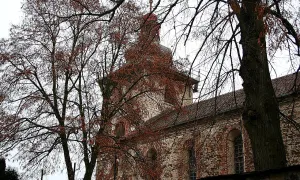
As you look at the church now, notice the timeless aura that surrounds it. While specific architectural details are not documented here, focus on the overall ambiance—the way light plays on the stone façade or how the structure harmonizes with its natural surroundings. Imagine the countless generations who have walked these grounds, each leaving their mark on this sacred site.
The history of this church is marked by resilience and community spirit. In 1971, a permit for demolition was issued, but thanks to local efforts led by the Roman Catholic parish in Dolní Žandov, restoration began that same year. Their dedication ensured the preservation of this cultural treasure. By 1992, it was officially recognized as a cultural heritage site, and in November 2013, the church was rededicated, reaffirming its place in the community's heart.
An intriguing aspect of this church is its connection to the Holy Roman Empire, reflecting its strategic importance during medieval times. This historical link adds depth to your visit, inviting you to ponder the many narratives that have unfolded here over centuries.
As we conclude our journey through time at this remarkable site, I invite you to explore further and immerse yourself in the rich tapestry of history surrounding the Church of the Nativity of Saint John the Baptist. Thank you for joining me on this exploration, and may your visit be both enlightening and inspiring.
Tips for visitors
The best time to visit the Church of the Nativity of Saint John the Baptist in Vysoká is during late spring or early autumn, when the weather is pleasant for exploring both the church and its surrounding landscapes. These seasons offer mild temperatures and beautiful natural scenery, making it ideal for a leisurely stroll around the area. Additionally, visiting outside the peak summer months can mean fewer crowds, allowing you to enjoy the historical site in a more serene setting.
Parking and transportation options are convenient for visitors. The church is accessible by both car and public transport. If driving, there are parking facilities nearby where you can leave your vehicle. For those preferring public transport, it's advisable to check current routes and schedules using an online search tool or local travel app to find the best way to reach Vysoká from major towns in the Karlovy Vary region.
When planning your visit, consider bringing comfortable walking shoes as you may want to explore the surrounding area. A camera is also recommended to capture the picturesque landscapes and historical architecture of the church. Additionally, carrying a water bottle and some snacks can enhance your experience, especially if you plan to spend several hours exploring.
Photography enthusiasts will find several spots around the Church of Nativity of Saint John the Baptist ideal for capturing stunning images. The best light is usually during the golden hours—shortly after sunrise or before sunset—when the soft lighting enhances the church's architectural details and surrounding landscapes. Try to capture the contrast between the historical structure and the natural beauty of Vysoká.
For families with children, the area around Vysoká offers several attractions within a 30-minute drive. The proximity to Germany means there are opportunities for cross-border excursions that can be both educational and fun. Exploring nearby historical sites in the Karlovy Vary region can provide an enriching experience for all ages. Be sure to check local resources or guides for family-friendly activities.
Businesses nearby
Do you run a restaurant, accommodation, shop, museum, rental, wellness or other visitor service near this monument? Show yourself directly to the people heading to it — this is how they will see you in the app and on the web:
Nearby
Vysoká is situated near the border with Germany, offering picturesque landscapes and proximity to other historical sites in the Karlovy Vary region.
Accommodation nearby
Themed route
Thematic Tour Itinerary: Vysoká and Surroundings
1. Kostel Narození svatého Jana Křtitele (Vysoká) - Type: Church - Why Visit: This church is a significant historical landmark in the village of Vysoká, known for its architectural beauty and cultural heritage. It offers visitors a glimpse into the religious history of the region and serves as a central point for exploring nearby attractions.
2. Vysoká Village - Type: Historical Settlement - Why Visit: Explore the charming streets of Vysoká, where traditional architecture and local culture blend seamlessly with nature. The village offers picturesque views and an authentic experience of life in this part of the Karlovy Vary region.
3. Border Area Near Germany - Type: Natural Border - Why Visit: Experience the unique landscapes that define the border area between the Czech Republic and Germany. This location provides stunning panoramic views and a sense of tranquility, making it an ideal spot for nature lovers and those interested in geographical boundaries.
4. Historical Sites in Karlovy Vary Region - Type: Historical Landmarks - Why Visit: Discover other historical sites within the Karlovy Vary region that are accessible from Vysoká. These sites offer insights into the broader historical and cultural context of the area, enriching your understanding of its past.
This itinerary provides a balanced mix of religious, cultural, and natural attractions, allowing visitors to fully appreciate the unique offerings of Vysoká and its surroundings.
Seasonal recommendations
Spring: The arrival of spring at the Church of the Nativity of St. John the Baptist in Vysoká brings a refreshing atmosphere as nature awakens with vibrant colors and blooming flowers surrounding the historical site. The gentle sunlight illuminates the intricate architecture, casting soft shadows that highlight the church's details. Visitors should consider wearing layers to accommodate the fluctuating temperatures typical of this season. Arriving early can help avoid larger crowds that gather to enjoy the pleasant weather and the rejuvenated landscape.
Summer: Summer in Vysoká offers a lively atmosphere at the Church of St. John the Baptist, with long daylight hours enhancing visibility for exploring its architectural beauty. The surrounding greenery is lush and full of life, providing a picturesque backdrop. This season sees increased visitor numbers due to the favorable weather conditions, so arriving early or visiting during weekdays can help avoid peak crowds. Light, breathable clothing is recommended, along with sunscreen and water to stay comfortable in the warm temperatures.
Autumn: Autumn transforms Vysoká into a tapestry of rich colors as leaves change hues around the Church of St. John the Baptist. The cooler weather creates a serene and contemplative atmosphere, perfect for appreciating the historical monument's details without the summer crowds. Visitors are advised to wear warmer clothing, including jackets or sweaters, as temperatures begin to drop. This season is ideal for photography enthusiasts looking to capture the church against its autumnal backdrop.
Winter: Winter envelops the Church of St. John the Baptist in Vysoká with a quiet and mystical atmosphere, often accentuated by snowfall that blankets the landscape in white. The shorter days mean visiting hours are reduced, so planning ahead is crucial. Wearing warm layers, including hats and gloves, will ensure comfort during your visit. Winter's unique charm offers a peaceful experience, as fewer visitors venture out, allowing for more intimate exploration of this historic site.
Visualizations and artistic views

Vizualizace jsou generovány umělou inteligencí a slouží jako inspirace.


Tips from visitors
No tips yet. Be the first!
Log in and add your tip.
Reviews and comments