






Kostel Nejsvětější Trojice (Pražské Předměstí) Church
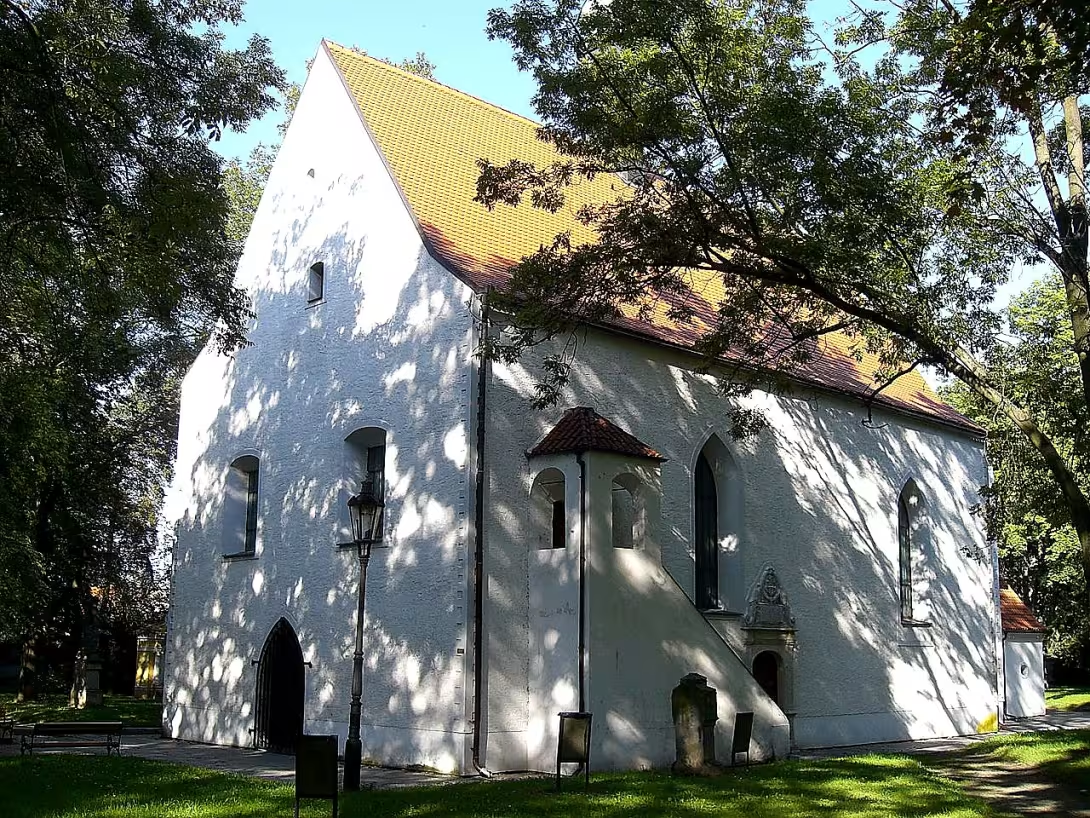
The Church of the Holy Trinity in Písek is a late Gothic structure from the 16th century, notable for its Renaissance pulpit and organ. Situated within a city cemetery established in 1549 on the left bank of the Otava River, it has served as a cultural hub hosting concerts and events. Constructed in 1576, this church underwent significant changes when the adjacent cemetery was transformed into Pietní Park in 1973. Despite suffering damage during the catastrophic floods of 2002, it remains an important site for exhibitions and social gatherings.
The Church of the Holy Trinity was built during a period marked by religious tensions across Europe as Protestantism spread. This era also saw architectural developments in Gothic and Renaissance styles, influencing structures like this church. Constructed in 1576, its late Gothic architecture reflects the stylistic transitions of the time. The interior features a Renaissance pulpit, indicative of the artistic influences that permeated Bohemia during this period.
The church houses a three-manual Rieger-Kloss organ opus 3340 from 1966, which is one of its notable artistic elements. This instrument was installed as part of the church's ongoing cultural significance and has been central to various musical events held there. The interior suffered damage during the floods of 2002 but remains significant for these installations.
Throughout its history, the Church of the Holy Trinity has experienced several key changes. In 1973, the adjacent cemetery was transformed into Pietní Park, marking a dramatic shift in the area's use and accessibility. By 1977, the church reopened to the public after modifications were made to the park, allowing it to continue serving as a venue for cultural activities.
Today, the Church of the Holy Trinity stands as an important cultural landmark within Písek. It is located near Pietní Park and a winter stadium, contributing to the historically rich area with significant cultural landmarks. The Otava River flows nearby, enhancing its scenic setting. Discussions have considered relocating original church altars to make space for the organ in recent years.
Visitors today can explore this monument not only as an architectural relic but also as a vibrant venue for exhibitions and social gatherings. Its historical significance, coupled with its role as a cultural hub, makes it a worthwhile destination for those interested in both history and contemporary events. The Church of the Holy Trinity invites visitors to experience its unique blend of past and present, offering insights into Bohemia's rich cultural tapestry.
Then and now
Drag the slider to compare how the landmark may have looked when it was built with the view today.
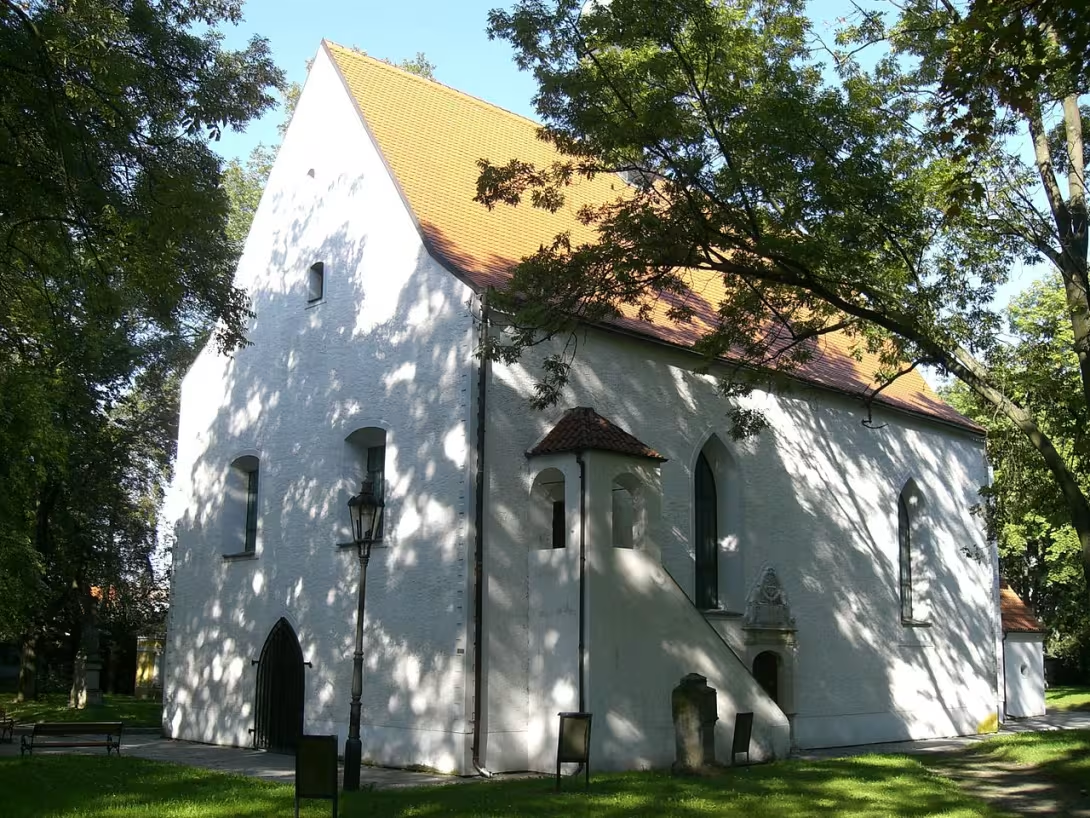
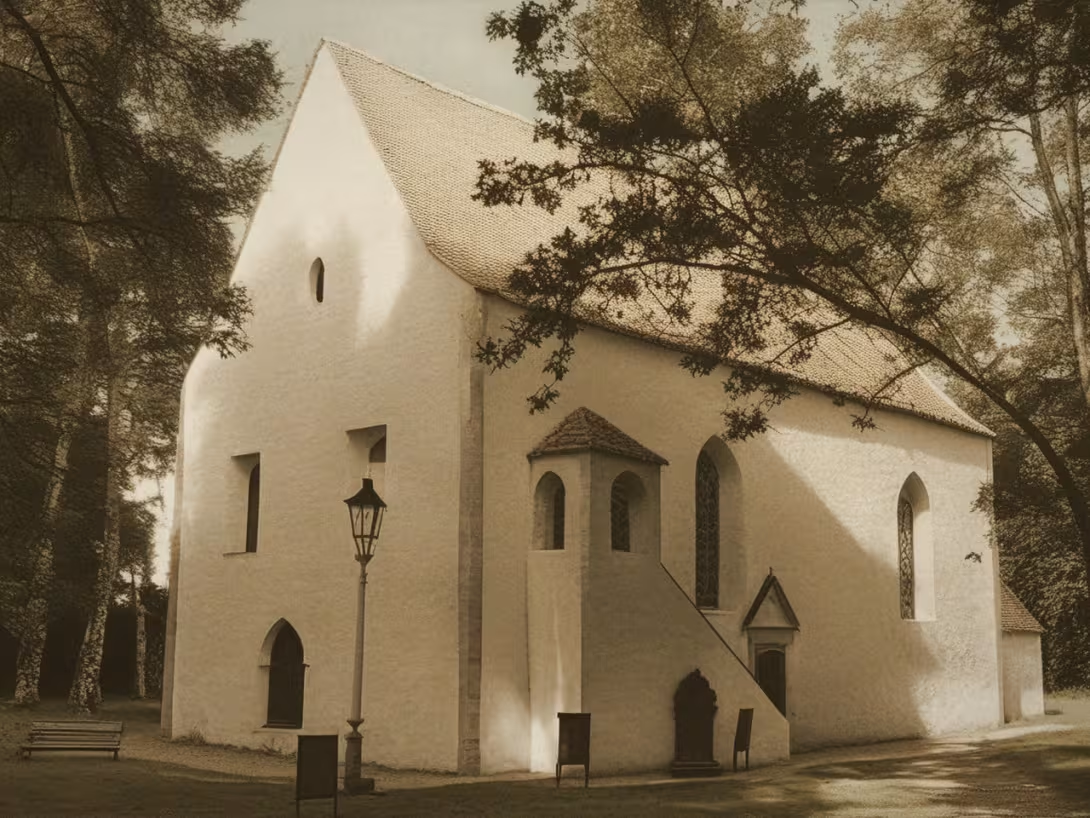
The historical appearance on the left is an AI-generated visualisation and serves as inspiration only.
Historical milestones
- 1576
- Construction of the Church of the Holy Trinity.
- 1973
- Transformation of the adjacent cemetery into Pietní Park.
- 1977
- Reopening of the church and park to the public.
Architectural development
Originally built as a late Gothic structure in 1576, the Church of the Holy Trinity has undergone various changes over time. The interior suffered damage during the floods of 2002 but remains significant for its Renaissance pulpit and organ installations. In recent years, discussions have considered relocating original church altars to make space for the organ.
Historical events
The church was constructed in 1576.
In 1973, the adjacent cemetery was transformed into Pietní Park.
The church reopened to the public in 1977 after park modifications.
Points of interest
- The Church of the Holy Trinity's three-manual Rieger-Kloss organ opus 3340 is one of only a few organs in Bohemia from this era that have survived intact and remain functional for contemporary performances.
- During its construction, the church was built on land previously used as a cemetery, which adds to its historical aura; however, many of the original graves were relocated when Pietní Park was established in 1973.
- In an intriguing twist of history, discussions about relocating the church's original altars have been ongoing, reflecting evolving priorities between preserving traditional religious elements and accommodating modern cultural needs like housing a prominent organ.
- Despite its Gothic origins, the church uniquely incorporates Renaissance artistic influences, particularly evident in its pulpit design, showcasing how Bohemian architecture often blended styles during periods of transition.
- The church's resilience is highlighted by its survival through the 2002 floods that damaged much of its interior; it has since been restored and continues to host cultural events, symbolizing both historical endurance and modern adaptability.
Guide
This guide is narrated by a synthetic voice generated by artificial intelligence.
Show guide text
This text was created by artificial intelligence and has not been editorially reviewed. It may contain inaccuracies.
Welcome to the Church of the Holy Trinity in Písek, a remarkable testament to late Gothic architecture nestled within the serene setting of Pražské Předměstí. As you stand here, enveloped by an air of historical reverence, imagine stepping back into the 16th century when this sacred site first rose from the ground.
The Church of the Holy Trinity was constructed in 1576, a time when Gothic architecture was giving way to Renaissance influences across Europe. This church is perched on land that once served as a cemetery, reflecting its deep-rooted connection with history and tradition. It stands proudly within a city cemetery established in 1549 along the left bank of the Otava River, integrating both spiritual and communal functions.
As you gaze upon this structure, take note of its late Gothic design, which gracefully incorporates Renaissance elements—a testament to the architectural evolution of its era. The church is renowned for its exquisite Renaissance pulpit and organ, inviting you to appreciate their intricate craftsmanship. These details are not just decorative but serve as cultural beacons that have drawn people together for centuries.
While specific architects remain unknown, it's clear that this site has been a focal point for community life since its inception. In 1973, the adjacent cemetery was transformed into Pietní Park, and by 1977, both the park and church were reopened to the public, continuing their legacy as cultural hubs. The church has hosted numerous concerts and events, resonating with music through its historic walls.
One of the most captivating features is the Church's three-manual Rieger-Kloss organ, opus 3340. This remarkable instrument stands out as one of only a few organs in Bohemia from this era that have survived intact and remain functional for contemporary performances. Its presence adds an auditory dimension to your visit, offering a bridge between past and present.
As you explore further, allow yourself to be immersed in the atmosphere of history and spirituality that envelops this site. The Church of the Holy Trinity is more than just a building; it's a narrative woven through time, inviting reflection on its storied past.
We invite you to continue your journey through Písek, discovering more hidden gems and stories waiting to unfold. Thank you for joining us in this exploration, and may your visit be both enlightening and inspiring.
Tips for visitors
The best time to visit the Church of the Holy Trinity is during late spring or early autumn when the weather is pleasant, allowing you to comfortably explore both the church and its surrounding areas like Pietní Park. These seasons offer mild temperatures ideal for walking around the cemetery and enjoying the scenic views along the Otava River. Additionally, visiting outside peak tourist seasons can provide a more serene experience with fewer crowds.
It's advisable to use public transportation or park at nearby facilities if available and walk from there. The church is accessible by various modes of public transport, including buses and trams; check a local transit app for current routes and schedules to plan your journey effectively.
When visiting the Church of the Holy Trinity, consider bringing comfortable walking shoes as you'll likely spend time exploring the cemetery and nearby areas like Pietní Park. A camera is recommended to capture the stunning architecture of the church, especially its Renaissance pulpit and organ. Additionally, carrying a light jacket or sweater can be helpful since temperatures might drop in shaded areas or during early morning visits.
For photography enthusiasts, the best spots for capturing the Church of the Holy Trinity are from outside the cemetery gates where you can get a full view of the church's late Gothic architecture against the backdrop of the surrounding landscape. Early morning light provides soft illumination that enhances the details and textures of the building. Inside, natural light filtering through stained glass windows creates beautiful patterns on the interior surfaces.
Nearby attractions within 30 minutes include the Pietní Park, which offers a peaceful environment for relaxation and leisure activities like picnicking or walking along its paths. The winter stadium in the vicinity is also worth exploring if you're interested in sports history. For families with children, these areas provide ample space to play and explore while enjoying the cultural richness of Písek.
Frequently asked questions
Can the monument be visited?
Religious buildings are usually open mainly during services; at other times a visit is normally arranged with the parish or the operator. We have not verified specific times.
Where is the monument?
Location: Pražské Předměstí, Jihočeský kraj. The map on this page shows the exact spot.
Why is the monument protected?
It is listed in the Central List of Cultural Monuments of the Czech Republic as a cultural monument (register no. 26526/3-2425).
Businesses nearby
Do you run a restaurant, accommodation, shop, museum, rental, wellness or other visitor service near this monument? Show yourself directly to the people heading to it — this is how they will see you in the app and on the web:
Nearby
Located near the Pietní Park and a winter stadium, the church is part of a historically rich area with significant cultural landmarks. The Otava River flows nearby, adding to the scenic landscape.
Accommodation nearby
Themed route
Tematická výletní trasa: Kostel Nejsvětější Trojice a jeho okolí
1. Kostel Nejsvětější Trojice (Pražské Předměstí) - Typ: Náboženský - Proč stojí za návštěvu: Tento barokní kostel je nejen duchovním centrem obce Pražské Předměstí, ale také architektonickou perli s bohatou historií. Jeho interiér a výzdoba nabízejí pohled na barokní umění a náboženskou tradici regionu.
2. Pietní Park - Typ: Park - Proč stojí za návštěvu: Nacházející se v blízkosti kostela, Pietní Park nabízí klidné prostory k odpočinku a reflexi. Jeho zelené plochy jsou ideálním místem pro relaxaci po návštěvě kostela nebo pro krátký piknik v příjemném prostředí.
3. Zimní stadion - Typ: Sportovní zařízení - Proč stojí za návštěvu: Zimní stadion je nejen místo pro sportovní akce, ale také důležitou součástí komunitního života v obci. Jeho blízkost k kostelu a parku ho činí přístupným cílem pro návštěvníky zájmu o místní sportovní události nebo akce.
4. Řeka Otava - Typ: Řeka - Proč stojí za návštěvu: Plynoucí nedaleko kostela, řeka Otava přidává k okolnímu krajinářskému pohledu. Je to ideální místo pro krátkou procházku nebo relaxaci na břehu a užívání si klidného prostředí, které dodává regionu jedinečnou atmosféru.
Tato trasa nabízí návštěvníkům možnost prozkoumat kulturní i přírodní krásy obce Pražské Předměstí, s důrazem na historický a společenský význam každého místa.
Seasonal recommendations
Spring: Visiting the Church of the Holy Trinity during spring offers a unique experience as the surrounding Pražské Předměstí area bursts into life with blooming flowers and lush greenery, creating a picturesque backdrop for this historic site. The soft morning light accentuates the intricate architectural details of the church, making it an ideal time to appreciate its beauty in full splendor. Spring is generally less crowded compared to summer, allowing for a more tranquil visit. Visitors are advised to wear comfortable walking shoes and perhaps bring a light jacket, as temperatures can be mild but occasionally unpredictable with occasional showers.
Summer: Summer at the Church of the Holy Trinity provides an opportunity to enjoy the site under warm sunshine, which highlights the vibrant colors of both the church's interior and its natural surroundings. The long daylight hours offer ample time for exploration, though it's wise to arrive early in the morning or later in the afternoon to avoid peak tourist crowds during midday. With higher visitor numbers expected due to the popularity of outdoor activities in this season, planning ahead by checking opening times is advisable. Light clothing and sun protection such as hats and sunscreen are recommended, ensuring comfort while exploring.
Autumn: Autumn brings a stunning palette of colors to Pražské Předměstí, with the leaves around the Church of the Holy Trinity turning shades of red, orange, and gold. This season offers a serene atmosphere as the summer crowds dwindle, making it an excellent time for photography enthusiasts to capture the church amidst its autumnal setting. The cooler temperatures make walking tours more comfortable, though visitors should dress in layers to accommodate varying weather conditions throughout the day. It's also a good idea to check if there are any special events or exhibitions related to the season, enhancing your visit.
Winter: Winter transforms the Church of the Holy Trinity into a serene and almost mystical site as snow blankets the surrounding landscape, creating a magical atmosphere that enhances its historical charm. The shorter daylight hours mean it's best to plan visits during midday when there is more natural light available. Warm clothing and sturdy footwear are essential for comfort, as temperatures can drop significantly, especially in the early mornings or late afternoons.
Visualizations and artistic views


The visualisations are generated by artificial intelligence and serve as inspiration.
Photos from the area
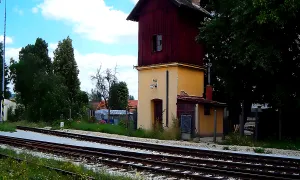
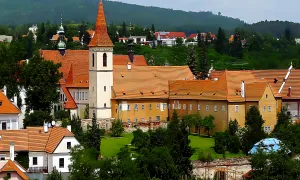
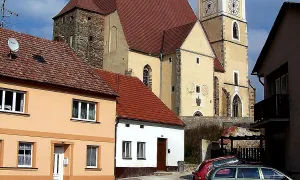
Real photos taken near the monument


Zdroj a licence jsou uvedeny u každého snímku.
Atmosphere of the place
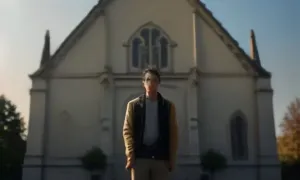
This atmospheric visualisation of the place and period was generated by artificial intelligence. It is not real footage of the location.
Tips from visitors
No tips yet. Be the first!
Log in and add your tip.
Sources and literature
Photos: Chmee2 / CC BY-SA 3.0 — Wikimedia Commons. The author and licence also appear when you hover over the image.
Location on the map


Příběhy a pověsti
Legendy, pověsti a příběhy spjaté s touto památkou
Fotografie návštěvníků
Zatím žádné fotografie. Buďte první, kdo přidá fotografii z návštěvy!
Log in a přidejte svou fotografii nebo hodnoťte.
Za ověřenou návštěvu v aplikaci získáte víc bodů — poznáme podle GPS, že jste na místě.
Reviews and comments