






Kostel Nejsvětější Trojice (Staré Sedlo) Church
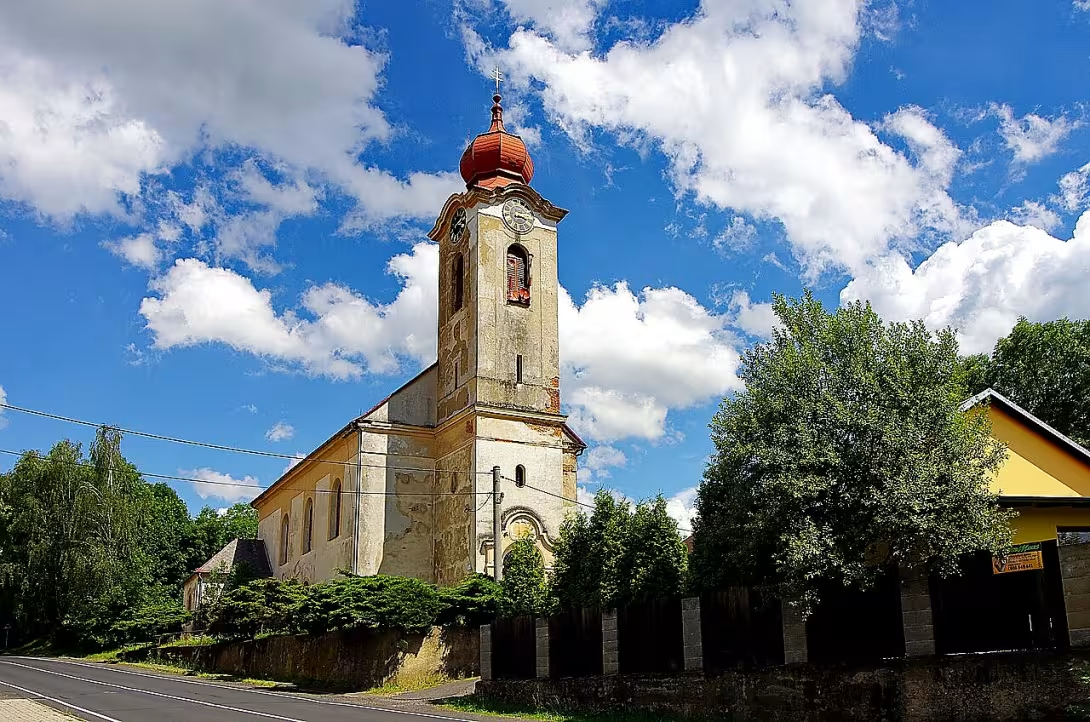
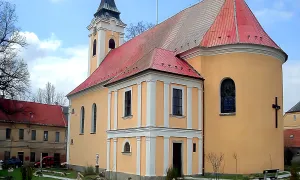
Kostel Nejsvětější Trojice in Staré Sedlo is a Roman Catholic church of significant historical and architectural importance. Located in the village of Staré Sedlo within the Karlovarský kraj region, this Baroque-style church was constructed between 1711 and 1720. It stands as a testament to the resilience and cultural heritage of the area, having endured several transformative events throughout its history.
The origins of Kostel Nejsvětější Trojice can be traced back to the late 15th century when a Gothic chapel dedicated to the Holy Trinity is believed to have existed in Staré Sedlo. This early structure stood opposite the current church location, near what later became the village cemetery. The transition from this initial chapel to the Baroque church began in 1711 and culminated with its consecration in 1720. During the early 18th century, Bohemia was part of the Habsburg Monarchy, a period marked by significant cultural development within the Baroque tradition, which influenced the construction of this church.
Architecturally, Kostel Nejsvětější Trojice is characterized as a single-nave Baroque building with some Gothicizing elements. The structure features a semi-circular presbytery and lunette vaulting, while its nave is divided by flat pilasters and covered with a barrel vault. A notable aspect of the church's architecture is the replacement of its original tower; due to poor condition, it was demolished in 1906 and subsequently replaced by a new belfry in 1914, which is topped with a Baroque onion dome.
Throughout its history, Kostel Nejsvětější Trojice has witnessed several key events. A major fire on September 4, 1861, severely damaged the church, leading to extensive restoration efforts completed by August 25, 1862. This event resulted in the loss of much of its original interior furnishings and artworks, including an altarpiece from 1673 depicting local mineral works and a fresco by Eliáš Dollhopf. The church was reconsecrated on December 8, 1862, following these restorations. Another significant moment occurred when Cardinal František de Paula Schönborn planned to celebrate a confirmation mass at the church; however, his visit was canceled due to his death on June 25, 1899.
The interior of Kostel Nejsvětější Trojice underwent substantial changes post-fire. New artworks were commissioned, including an altarpiece by Rudolf Müller, a prominent figure in Tkadlíkovy školy, and paintings for the side altars by Johann Christoph from Teplá. The church's furnishings also include works by Anton Hahna z Čisté, contributing to its rich artistic heritage.
Today, Kostel Nejsvětější Trojice remains a significant cultural landmark in Staré Sedlo. Visitors can appreciate the blend of Baroque and Gothic elements that define its architecture, as well as the historical narratives encapsulated within its walls. The church's resilience through adversity and its role in local history make it a compelling site for those interested in exploring the rich tapestry of Bohemian heritage. Its continued preservation ensures that future generations can appreciate this remarkable monument, inviting visitors to delve into its storied past and architectural beauty.
Then and now
Drag the slider to compare how the landmark may have looked when it was built with the view today.
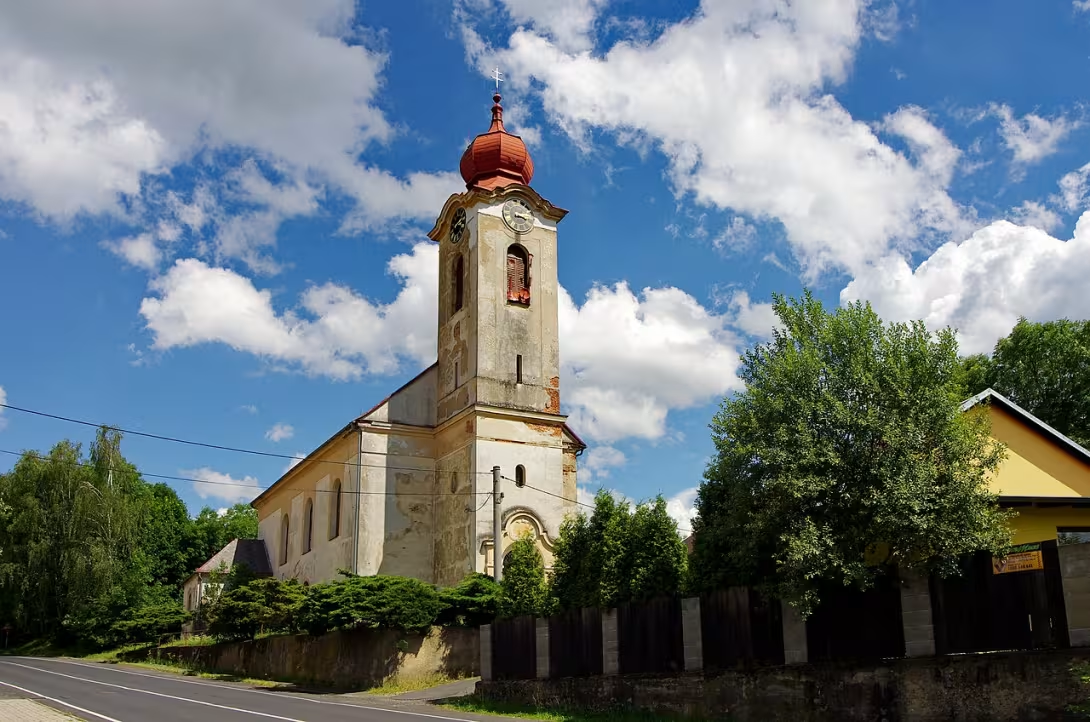
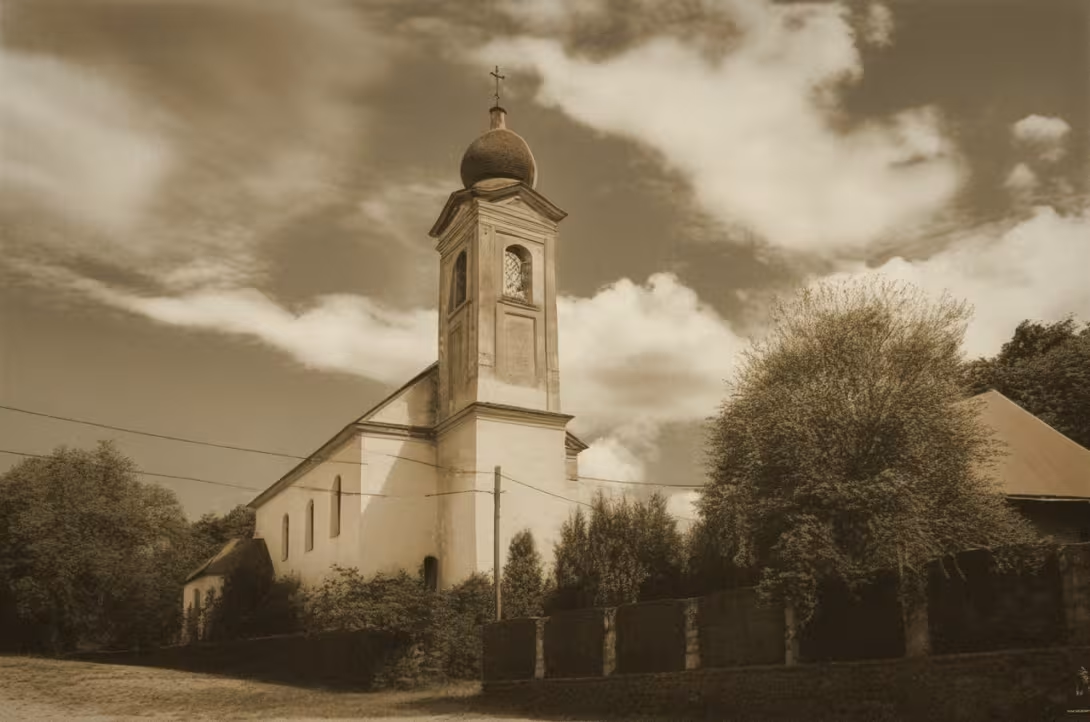
The historical appearance on the left is an AI-generated visualisation and serves as inspiration only.
Historical milestones
- 1862
- The church was reconsecrated after restoration following the fire.
- 2002
- A new cross was installed on the tower during a solemn ceremony.
Architectural development
The church is a single-nave Baroque structure with some Gothicizing elements. It features a semi-circular presbytery and lunette vaulting. The original tower was demolished in 1906 due to poor condition and replaced by a new belfry in 1914, topped with a Baroque onion dome.
Historical events
Construction began in 1711 and was completed with consecration in 1720.
A major fire on September 4, 1861, severely damaged the church, leading to its restoration by August 25, 1862.
Cardinal František de Paula Schönborn's planned visit for a confirmation mass was canceled due to his death on June 25, 1899.
Points of interest
- The Kostel Nejsvětější Trojice replaced an earlier Gothic chapel from the late 15th century, suggesting a longstanding religious presence in Staré Sedlo that predates its current Baroque architecture.
- Despite being rebuilt and restored multiple times, the church's original altarpiece from 1673, depicting local mineral works, was lost to a fire in 1861, highlighting how natural disasters have shaped its history and necessitated changes in its interior design.
Guide
This guide is narrated by a synthetic voice generated by artificial intelligence.
Show guide text
This text was created by artificial intelligence and has not been editorially reviewed. It may contain inaccuracies.
Welcome to the historic site of Kostel Nejsvětější Trojice in Staré Sedlo—a place where time stands still and history whispers through its walls. As you stand before this Roman Catholic church, take a moment to absorb its presence. The structure exudes an aura of resilience and grace, with its Baroque architecture harmoniously blended with remnants of Gothic elements. This is not just any building; it's a testament to the enduring spirit of the community that surrounds it.
Let’s delve into its origins and historical context. Originally constructed in the early 18th century, this church replaced an earlier Gothic chapel from the late 15th century, marking a longstanding religious presence in Staré Sedlo. The architectural style reflects the Baroque period's grandeur, yet it carries echoes of the past with its Gothic influences.
As you look around, notice how the church’s design captivates the eye. While specific architects remain unknown, their vision is evident in every detail—from the elegant lines to the intricate ornamentation that characterizes Baroque architecture. The building has stood through time, surviving a devastating fire in 1861, which led to its reconstruction and reconsecration just a year later.
The church's history is enriched by notable figures such as František de Paula Schönborn, whose influence can be felt even today. His legacy is intertwined with the fabric of this sacred place, adding depth to its historical narrative.
Now, let’s explore an intriguing aspect that adds mystery and allure to Kostel Nejsvětější Trojice. Despite undergoing multiple rebuilds and restorations over the centuries, one element has remained untouched since 1673—the original altarpiece. This piece of art is a silent witness to the church’s storied past, offering a tangible connection to its early days.
As you continue your visit, take in the solemnity of this sacred space. Notice how it stands as a symbol of resilience and continuity amidst change. The new cross installed on its tower during a solemn ceremony in 2002 adds another layer to its rich tapestry of history.
Before we conclude our journey together, I invite you to explore further. Wander around the church, feel its atmosphere, and let your imagination run through the corridors of time. Each stone tells a story, each corner holds a secret waiting to be discovered.
Thank you for joining me on this exploration of Kostel Nejsvětější Trojice in Staré Sedlo. May your visit inspire curiosity and appreciation for the rich tapestry of history that surrounds us. Safe travels as you continue your journey through time and heritage.
Businesses nearby
Do you run a restaurant, accommodation, shop, museum, rental, wellness or other visitor service near this monument? Show yourself directly to the people heading to it — this is how they will see you in the app and on the web:
Events nearby
Zdroj akcí: otevřená data měst a obcí ČR (Národní katalog otevřených dat) a kalendář akcí Národního památkového ústavu.
Accommodation nearby
Trips and activities nearby
Guided tours, tickets and activities nearby from GetYourGuide
Affiliate link: if you buy from the partner, we may receive a commission. The price for you does not change.
Search tours and activities →Themed route
Tematická výletní trasa: Kostel Nejsvětější Trojice (Staré Sedlo)
1. Kostel Nejsvětější Trojice (Staré Sedlo) - Hlavní cíl - *Typ:* Náboženská památka - *Proč stojí za návštěvu:* Tento barokní kostel, postavený v 18. století, je architektonickou perli obce Staré Sedlo. Jeho bohatě zdobená interiér a historie ho činí nezbytným prozkoumat každému milovníku dějin a umění.
2. Staré Sedlo - Centrum obce - *Typ:* Městské centrum - *Proč stojí za návštěvu:* Procházka po ulicích Starého Sedla nabídne pohled na typickou českou venkovskou architekturu. Je to místo, kde můžete cítit atmosféru malé obce a užít si klidné okolí.
3. Kaple svatého Jana Nepomuckého - *Typ:* Religiozní kaple - *Proč stojí za návštěvu:* Tato kaple je malým, ale významným duchovním místem v oblasti. Její prostor a umístění nabízejí klidné okamžiky pro reflexi a únik z každodenního života.
4. Místní park u kostela - *Typ:* Zelená plocha - *Proč stojí za návštěvu:* Park před kostelem poskytuje ideální místo pro odpočinek a relaxaci po prozkoumání památky. Je to také skvělý kout pro pozorování místní fauny a flóry.
5. Nádvoří kostela - *Typ:* Historické nádvoří - *Proč stojí za návštěvu:* Nádvoří kostela je klíčovou součástí celkového dojmu od této památky. Nabízí pohled na historický kontext a architektonické detaily, které doplňují návštěvu samotného kostela.
Tato trasa nabídne komplexní zážitky od hlubokých duchovních i kulturních aspektů, přičemž všechna místa jsou blízko sebe a snadno navštěvovatelná.
Seasonal recommendations
Spring: Visiting the Church of the Holy Trinity (Staré Sedlo) during spring offers a unique experience as nature reawakens around this historic site. The blooming flowers and fresh greenery create a vibrant backdrop, enhancing the church's serene atmosphere. This season is ideal for photography enthusiasts who wish to capture the contrast between the ancient architecture and the lively spring landscape. Visitors should be prepared for occasional rain showers by wearing layers that can easily be adjusted with changing weather conditions. Early mornings are often quieter, providing a peaceful time to explore before larger crowds arrive.
Summer: Summer at the Church of the Holy Trinity is characterized by long daylight hours, allowing ample time for exploration and appreciation of its architectural details. The lush greenery and warm sunlight create an inviting atmosphere that draws both locals and tourists alike. During this peak season, it's advisable to visit early in the morning or later in the afternoon to avoid large crowds and enjoy a more tranquil experience. Comfortable walking shoes and light clothing are recommended due to the warmer temperatures, ensuring a pleasant visit.
Autumn: Autumn brings a picturesque transformation to the Church of the Holy Trinity with its warm hues of red, orange, and gold enveloping the surrounding landscape. This season offers a magical atmosphere as the foliage changes color, providing an enchanting setting for visitors. The cooler weather is perfect for leisurely walks around the church grounds, allowing time to appreciate both the natural beauty and historical significance of the site. Layered clothing is recommended to accommodate fluctuating temperatures throughout the day.
Winter: Winter at the Church of the Holy Trinity offers a serene and almost mystical experience as snow blankets the landscape, creating a tranquil and picturesque scene. The stark contrast between the white surroundings and the church's historic architecture can be particularly striking during this time. Visitors should dress warmly in layers to stay comfortable in the cold temperatures. Due to shorter daylight hours, it is advisable to plan visits earlier in the day. Additionally, some areas around the church may have limited accessibility due to snow, so checking for any seasonal closures or restrictions beforehand is wise.
Visualizations and artistic views


The visualisations are generated by artificial intelligence and serve as inspiration.
Photos from the area
Real photos taken near the monument


Zdroj a licence jsou uvedeny u každého snímku.
Tips from visitors
No tips yet. Be the first!
Log in and add your tip.
Sources and literature
Fotografie: Lubor Ferenc / CC BY-SA 4.0 — Wikimedia Commons. The author and licence also appear when you hover over the image.
Faktickým podkladem tohoto textu byl článek na Wikipedii, jehož autory jsou přispěvatelé Wikipedie. Článek je dostupný pod licencí CC BY-SA 4.0.
Location on the map
Příběhy a pověsti
Legendy, pověsti a příběhy spjaté s touto památkou
Fotografie návštěvníků
Zatím žádné fotografie. Buďte první, kdo přidá fotografii z návštěvy!
Přihlaste se a přidejte svou fotografii nebo hodnoťte.
Za ověřenou návštěvu v aplikaci získáte víc bodů — poznáme podle GPS, že jste na místě.
Reviews and comments