






Kostel Nejsvětější Trojice v Malšicích Church
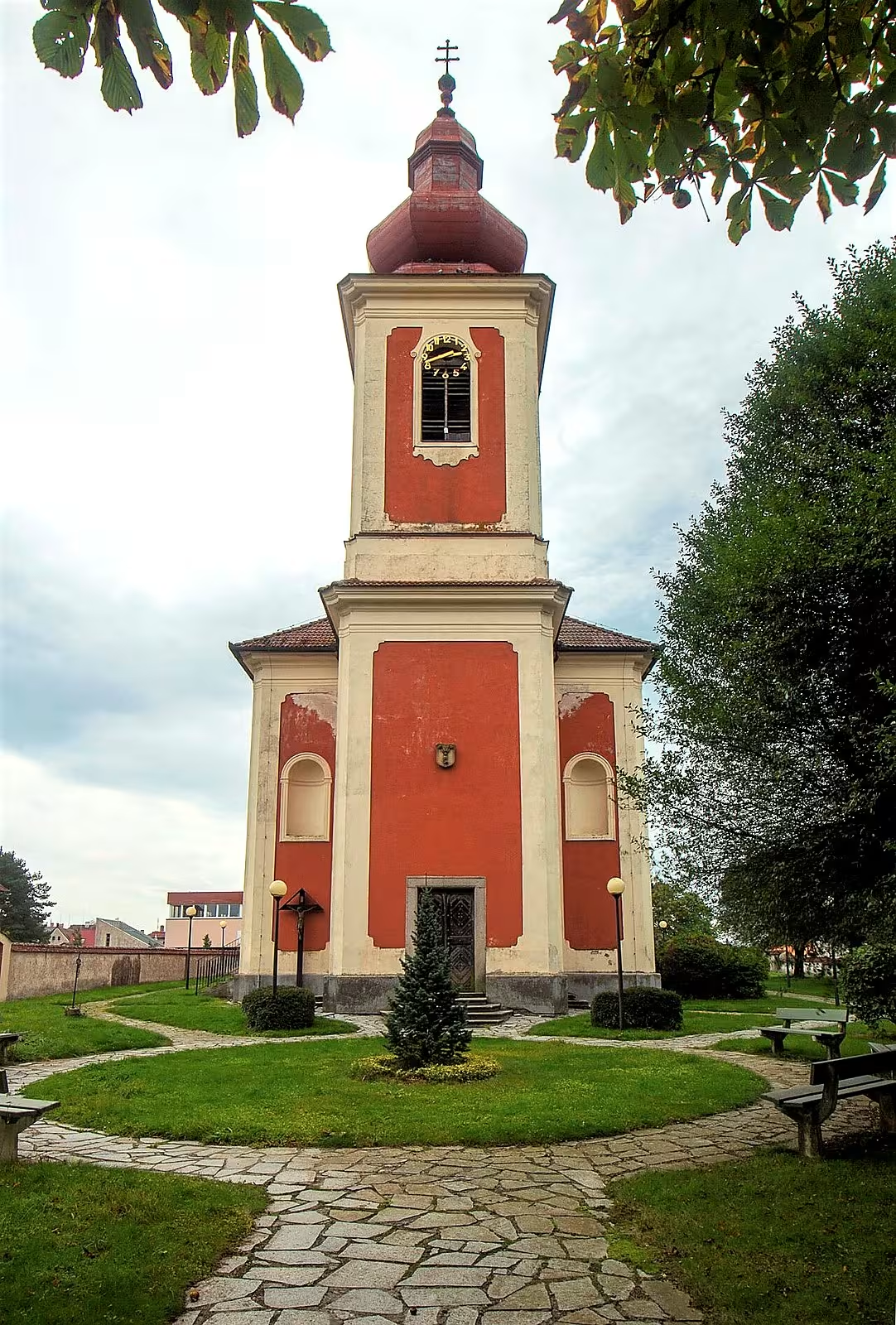
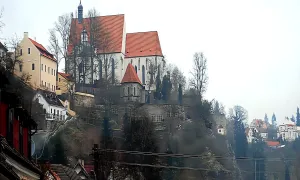
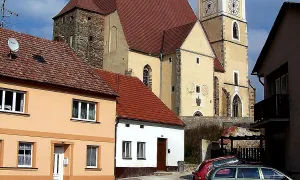
Nestled in Malšice, within the Tábor District of South Bohemia, stands Kostel Nejsvětější Trojice v Malšicích. This Roman Catholic parish church is a testament to architectural evolution and historical resilience. Originally built as a high Gothic single-nave structure by the Rožmberk family in the late 14th century, it was transformed into its current Baroque style between 1743 and 1745.
The origins of Kostel Nejsvětější Trojice v Malšicích trace back to the late 14th century when the Rožmberk family constructed it. This period coincided with significant political and religious changes in Bohemia, including the rise of the Hussite movement. After 1420, Hussite rebels burned down the village and its church, marking a turbulent chapter in its history. Despite these challenges, the church was later reconstructed in Baroque style under Filip Ferdinand z Lobkovic's patronage between 1743 and 1745, reflecting broader European architectural trends influenced by the Counter-Reformation.
Architecturally, Kostel Nejsvětější Trojice v Malšicích blends late-Gothic and Baroque elements. The preserved late-Gothic chancel features a trilateral sanctuary adorned with a pelican relief from 1373, symbolizing Christ's sacrifice. Additionally, the church houses a sacristy with an oratory on its north side and a tower attached to the western facade, remnants of its original Gothic structure. Inside, visitors can find a late-Gothic stone baptismal font and a tin baptismal font dated 1738. The main altar dedicated to the Holy Trinity, complete with an image and sculptures from 1787, stands as a notable feature within the church.
Ownership and administration have changed over time. Initially built by the Rožmberk family, it later came under Filip Ferdinand z Lobkovic's ownership, who oversaw its Baroque reconstruction in the mid-18th century. The Malšická farnost, or parish, was established around 1373 but experienced periods of affiliation with other parishes before being re-established as an independent entity in 1737.
Key events include its original construction by the Rožmberk family and subsequent destruction by Hussite rebels. The Baroque reconstruction completed in 1745 under Filip Ferdinand z Lobkovic marked a significant transformation, aligning with broader European architectural trends of the time. Today, Kostel Nejsvětější Trojice v Malšicích remains an active parish church within the Malšická farnosti, with services held every Sunday at 11 AM under P. Mgr. Michal Pulec's administration.
Visitors can explore its rich history and architectural beauty while enjoying the serene South Bohemian countryside that surrounds it. The nearby cemetery features a tombstone for František Švec created in 1920 by sculptor František Bílek, adding another layer of historical interest to the site. This church is not only a place of worship but also a cultural landmark offering insights into the architectural and religious history of the region.
Kostel Nejsvětější Trojice v Malšicích stands as a testament to resilience and transformation, inviting visitors to explore its historical depth and architectural splendor. Whether drawn by its rich past or the tranquility of its surroundings, this church offers a unique glimpse into South Bohemia's cultural tapestry.
Then and now
Drag the slider to compare how the landmark may have looked when it was built with the view today.
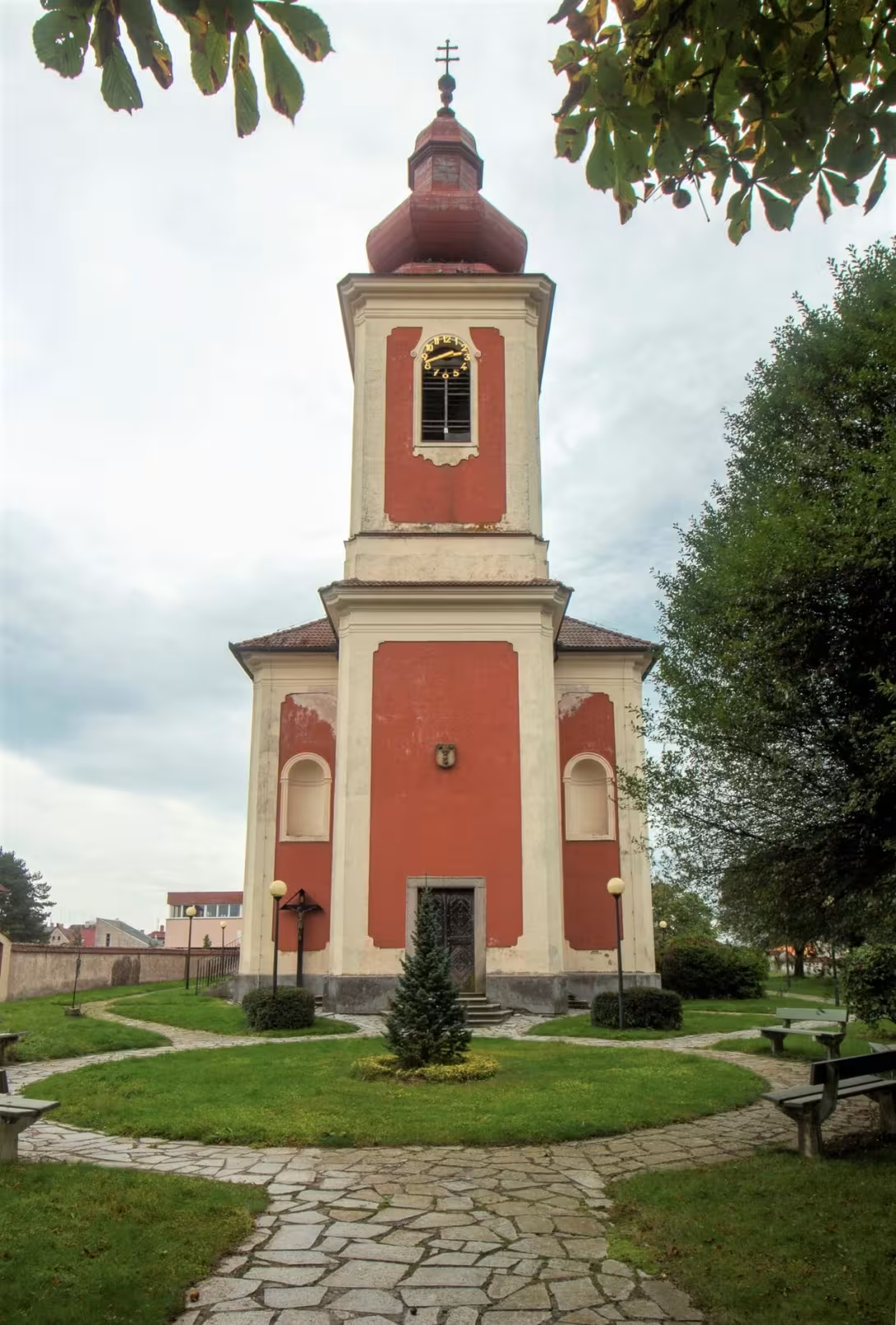
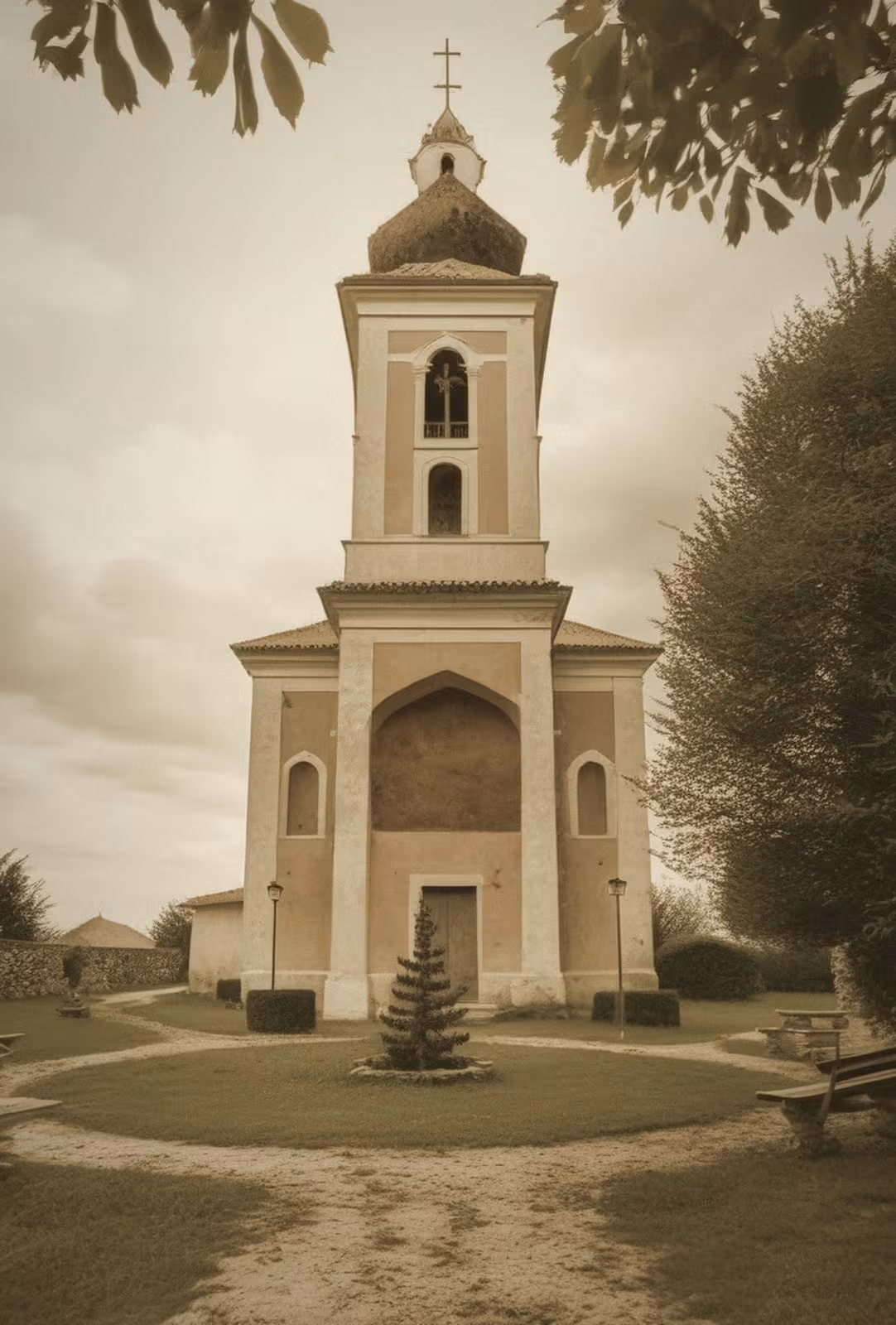
The historical appearance on the left is an AI-generated visualisation and serves as inspiration only.
Historical milestones
- 1373
- Kostel postaven Rožmberk rodinou.
- 1420
- Husité zničili vesnici a kostel.
- 1737
- Malšická farnost znovu založena jako nezávislý útvar.
- 1743
- Začala barokní rekonstrukce pod Filipem Ferdinandom z Lobkovic.
- 1745
- Barokní rekonstrukce kostela dokončena.
Architectural development
Kostel Nejsvětější Trojice v Malšicích was initially built as a high Gothic church around 1373. After being destroyed by Hussite rebels post-1420, it underwent significant Baroque reconstruction between 1743 and 1745 under the patronage of Filip Ferdinand z Lobkovic. The church features a late-Gothic chancel with a trilateral sanctuary and a pelican relief from its original construction period.
Historical events
Construction of the original Gothic church began around 1373 by the Rožmberk family.
The village and church were burned down by Hussite rebels after 1420.
Baroque reconstruction completed in 1745 under Filip Ferdinand z Lobkovic.
Owners
Originally built by the Rožmberk family around 1373; later owned by Filip Ferdinand z Lobkovic who oversaw its Baroque reconstruction in the mid-18th century.
Points of interest
- Despite its destruction by Hussite rebels in 1420, the church's late-Gothic chancel was preserved and features a pelican relief from 1373, symbolizing Christ’s sacrifice—a unique element that survived tumultuous historical events.
- The sacristy of Kostel Nejsvětější Trojice includes an oratory on its north side, which is one of the few remnants of its original Gothic structure, offering a rare glimpse into medieval ecclesiastical architecture in the region.
- A notable curiosity within the church is the presence of both a late-Gothic stone baptismal font and a tin baptismal font from 1738, illustrating the blending of different artistic periods and materials used over centuries.
- The tombstone for František Švec, created by sculptor František Bílek in 1920, is located near the church’s cemetery. This piece adds an intriguing layer to the site's history, linking it to early 20th-century Czech artistry.
- Under the patronage of Filip Ferdinand z Lobkovic, the church was transformed into its Baroque style between 1743 and 1745. This reconstruction reflects broader European architectural trends influenced by the Counter-Reformation, marking a significant cultural shift in the region’s religious landscape.
Guide
This guide is narrated by a synthetic voice generated by artificial intelligence.
Show guide text
This text was created by artificial intelligence and has not been editorially reviewed. It may contain inaccuracies.
Welcome to the historic site of Kostel Nejsvětější Trojice in Malšice, a gem nestled in the South Bohemian Region. As you stand before this majestic structure, take a moment to absorb its grandeur and imagine the centuries it has witnessed.
Constructed originally as a high Gothic single-nave building in the latter half of the 14th century by the influential Rožmberk family, this church embodies resilience and transformation. Its history is marked by both creation and destruction; notably, in 1420, Hussite rebels decimated the village and the church itself. Yet, from these ashes rose a renewed spirit that saw Malšice's parish reestablished as an independent unit in 1737.
Fast forward to the mid-18th century, between 1743 and 1745, under the guidance of Filip Ferdinand z Lobkovic, the church underwent a significant transformation into its current Baroque style. This period of reconstruction is pivotal in understanding the architectural evolution you witness today. As you look around, notice how the late-Gothic chancel has been preserved, offering a glimpse into the church's storied past.
One cannot help but be drawn to the pelican relief from 1373 adorning this section of the church. This unique symbol, representing Christ’s sacrifice, is a testament to the enduring faith and artistry that survived tumultuous historical events. It stands as a poignant reminder of the church's journey through time.
The Rožmberk family, renowned for their patronage in medieval Bohemia, were instrumental in the church's initial construction. Their legacy, intertwined with that of Filip Ferdinand z Lobkovic, who spearheaded its Baroque transformation, highlights the rich tapestry of historical figures connected to this site.
As you continue your exploration, let yourself be captivated by the stories embedded within these walls. Each stone and relic carries echoes of the past, inviting you to delve deeper into the narrative of Kostel Nejsvětější Trojice in Malšice.
We invite you to linger a while longer, to explore every corner and uncover more hidden tales. May your visit inspire reflection on the enduring spirit of this remarkable place. Thank you for joining us on this journey through history.
Tips for visitors
The best time to visit Kostel Nejsvětější Trojice v Malšicích is during the late spring or early autumn months, when the surrounding South Bohemian countryside is particularly beautiful and vibrant. The weather tends to be mild, making it pleasant for walking around the area and exploring nearby sites. Additionally, these seasons often coincide with local festivals and events that can enhance your visit.
Public transport also serves the area, with buses connecting Malšice to nearby towns. It's advisable to check current schedules and routes online or at local information centers to plan your journey effectively.
When visiting Kostel Nejsvětější Trojice v Malšicích, it is recommended to bring comfortable walking shoes as you may want to explore the village and surrounding countryside. A camera is also essential for capturing the stunning architecture of the church and the picturesque landscapes. Don't forget a hat or sunscreen if visiting in warmer months, and perhaps an umbrella or raincoat during spring or autumn.
For photography enthusiasts, the best spots around Kostel Nejsvětější Trojice v Malšicích are those that capture both the church's Gothic architecture and its natural surroundings. Early morning or late afternoon light provides a soft glow ideal for photos. The cemetery with František Švec’s tombstone, created by sculptor František Bílek, offers an interesting subject with rich historical context.
Families visiting Kostel Nejsvětější Trojice v Malšicích will find the nearby village of Malšice charming for a leisurely stroll. The cemetery and tombstone can be educational points of interest for children interested in history or art. Additionally, within 30 minutes, you can explore other historical sites or enjoy outdoor activities in the South Bohemian countryside, making it an ideal family day trip.
Frequently asked questions
Can the monument be visited?
Religious buildings are usually open mainly during services; at other times a visit is normally arranged with the parish or the operator. We have not verified specific times.
Where is the monument?
Location: Malšice, Jihočeský kraj. The map on this page shows the exact spot.
Why is the monument protected?
It is listed in the Central List of Cultural Monuments of the Czech Republic as a cultural monument (register no. 40457/3-4896).
Businesses nearby
Do you run a restaurant, accommodation, shop, museum, rental, wellness or other visitor service near this monument? Show yourself directly to the people heading to it — this is how they will see you in the app and on the web:
Nearby
Located in the village of Malšice, the church is surrounded by typical South Bohemian countryside. Nearby features include a cemetery with a tombstone for František Švec, created in 1920 by sculptor František Bílek.
Accommodation nearby
Themed route
Thematic Walking Tour: Malšice and the Church of the Holy Trinity
1. Church of the Holy Trinity - Type: Historical Religious Site - Why Visit: Begin your journey at this iconic church, a quintessential example of South Bohemian architecture nestled in the village of Malšice. The church is renowned for its serene atmosphere and historical significance, offering visitors a glimpse into the region's rich cultural heritage.
2. Cemetery - Type: Historical Cemetery - Why Visit: A short walk from the Church of the Holy Trinity, this cemetery holds particular interest due to the tombstone of František Švec. Created in 1920 by the esteemed sculptor František Bílek, it is a testament to early 20th-century craftsmanship and local history.
3. František Bílek's Tombstone - Type: Artistic Monument - Why Visit: Located within the cemetery grounds, this tombstone stands out as an exceptional piece of artistry by František Bílek. Visitors can appreciate its intricate design and historical context, reflecting both personal commemoration and broader artistic trends of the era.
This tour offers a compact yet enriching exploration of Malšice's cultural landmarks, focusing on the Church of the Holy Trinity and its immediate surroundings.
Seasonal recommendations
Spring: Visiting the Church of the Holy Trinity in Malšice during spring offers a unique experience as nature awakens around this historic site. The surrounding landscapes are adorned with vibrant wildflowers and budding trees, creating a picturesque setting that complements the church's serene architecture. As daylight extends into the evening, visitors can enjoy softer natural lighting that highlights the intricate details of the building. During this time, while crowds may start to gather as the weather improves, it is still manageable compared to peak summer months. Visitors are advised to wear comfortable layers to accommodate fluctuating temperatures and consider arriving early in the day to avoid larger groups.
Summer: The summer season presents a lively atmosphere for exploring the Church of the Holy Trinity in Malšice, with long daylight hours enhancing the experience of this historical site. During this period, lush greenery envelops the church, providing a refreshing backdrop for visitors. However, it's important to note that this is also the peak tourist season, so expect larger crowds and consider arriving early in the morning to secure a more tranquil visit. Dressing in light, breathable clothing is recommended due to warmer temperatures, and carrying water or wearing a hat can help stay comfortable during your exploration.
Autumn: Autumn at the Church of the Holy Trinity in Malšice offers a stunning display of fall colors as deciduous trees transform into shades of red, orange, and gold. This seasonal change creates a warm and inviting atmosphere that enhances the historical charm of the church. The cooler temperatures make for pleasant visiting conditions, though it's wise to bring along a light jacket or sweater as evenings can become brisk. With fewer tourists compared to summer, this is an ideal time to enjoy a more peaceful experience while taking in the beauty of the changing landscape.
Winter: Winter transforms the Church of the Holy Trinity in Malšice into a serene and mystical destination, with snow often blanketing the surrounding area and creating a magical atmosphere around the historic structure. The shorter days mean limited daylight hours for exploring, so planning your visit during midday is advisable to make the most of natural light. Due to colder temperatures, visitors should dress warmly in layers and consider bringing gloves and hats.
Visualizations and artistic views


The visualisations are generated by artificial intelligence and serve as inspiration.
Photos from the area
Real photos taken near the monument


Zdroj a licence jsou uvedeny u každého snímku.
Tips from visitors
No tips yet. Be the first!
Log in and add your tip.
Sources and literature
Photos: VitVit / CC BY-SA 4.0 — Wikimedia Commons. The author and licence also appear when you hover over the image.
Faktickým podkladem tohoto textu byl článek na Wikipedii, jehož autory jsou přispěvatelé Wikipedie. Článek je dostupný pod licencí CC BY-SA 4.0.
Location on the map

Příběhy a pověsti
Legendy, pověsti a příběhy spjaté s touto památkou
Příběh: Kostel Nejsvětější Trojice v Malšicích
Bylo to v pondělí ráno, kdy Václav z Lipého, potomek starobylé rodiny Rožmberkových, se octl stojící uprostřed rozpadlého kostela Nejsvětější Trojice. Jemný …
Číst příběh
Pověst: Kostel Nejsvětější Trojice v Malšicích
Podle místní pověsti, která se v Malšicích traduje od nepaměti, bylo vyřezání pelikána do kamenného tympanonu závěru kostela dílem prostého kameníka jménem O…
Číst příběhFotografie návštěvníků
Zatím žádné fotografie. Buďte první, kdo přidá fotografii z návštěvy!
Log in a přidejte svou fotografii nebo hodnoťte.
Za ověřenou návštěvu v aplikaci získáte víc bodů — poznáme podle GPS, že jste na místě.
Reviews and comments