






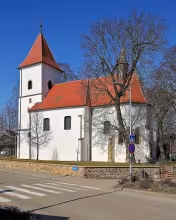
The Church of the Exaltation of the Holy Cross in Drásov stands as a testament to architectural evolution in the Czech Republic. Located in Drásov, part of the Brno-Countryside District, this Roman Catholic church is both a place of worship and a cultural monument recognized for its historical and architectural significance. Its origins date back to the late Romanesque period, with significant developments during the Gothic era and baroque modifications in the 17th century.
The Drásov parish, where the church serves as the parish church, was first documented around 1259, indicating a long-standing religious presence. The core structure features late Romanesque elements, particularly evident in the nave's surrounding walls. As Bohemia transitioned from Romanesque to Gothic styles, the church began its stylistic evolution.
In the early 14th century, a significant addition was made with the construction of a Gothic choir. This extension included preserved wall paintings and an adjoining sacristy on the northern side, showcasing intricate designs typical of the Gothic influence in Central Europe at that time. The exact date of the tower's construction remains uncertain; it could have been built before 1350 or as late as the end of the 15th century.
The church underwent substantial transformations in the latter half of the 17th century, reflecting baroque influences. These modifications included changes to the vaulting where the originally flat-roofed nave was transformed into a barrel vault with lunettes. The presbytery's original ribbed vault was replaced by a new cross vault, and a spiral staircase was added. An organ loft was installed in the nave, and the interior underwent baroque redesigns.
Today, the Church of the Exaltation of the Holy Cross remains a significant cultural and religious site. Its historical layers, from Romanesque to Gothic to Baroque, offer visitors insight into architectural evolution over centuries. The church's preserved wall paintings and its role as a parish church continue to make it an important landmark in Drásov.
Visiting this monument provides an opportunity to appreciate its architectural beauty and connect with the region's historical narrative. Its recognition as a cultural monument underscores its value, inviting both locals and tourists to explore and reflect on its storied past.
Historical milestones
- 1259
- First documentation of the parish in Drásov.
- end of 13th century
- Addition of a Gothic choir.
- before 1350 or end of 15th century
- Possible construction of the tower.
- mid-17th century
- Baroque renovations, changes in vaults and interior.
Architectural development
The church's construction began with a late Romanesque nave, followed by the addition of a Gothic choir in the early 14th century. The tower's exact date is uncertain but could have been built before 1350 or as late as the end of the 15th century. In the second half of the 17th century, significant baroque modifications were made, including vaulting changes and interior redesigns.
Historical events
The Drásov parish is first mentioned in historical records around 1259.
A Gothic choir was constructed in the early 14th century.
Points of interest
- The Church of the Exaltation of the Holy Cross in Drásov holds a unique place as one of the few churches in the Czech Republic that showcases architectural transitions from Romanesque to Gothic and then Baroque styles within its structure, making it an exceptional example of historical layering.
Guide
Show guide text
Welcome to the Church of the Exaltation of the Holy Cross in Drásov—a remarkable testament to architectural evolution and spiritual heritage nestled in the heart of Jihomoravský kraj. As you stand before this Roman Catholic church, take a moment to absorb its serene presence amidst the quaint town of Drásov.
Let's delve into its origins and historical context. The first documentation of the parish dates back to 1259, marking the beginning of its storied existence. By the end of the 13th century, a Gothic choir was added, enriching the church’s architectural narrative. Over time, further transformations occurred: a tower might have been constructed before 1350 or by the late 15th century, and in the mid-17th century, Baroque renovations introduced new elements to its interior and vaults.
Now, let's focus on the architecture—notice how it seamlessly blends Romanesque foundations with Gothic additions. The church’s core structure features late Romanesque elements, evident in the robust walls forming the nave. As you explore, take a moment to appreciate these historical layers that tell stories of different eras converging within this sacred space.
Though specific architects and key figures remain unknown, the Church of the Exaltation of the Holy Cross stands as a silent witness to centuries of history. It has served generations, evolving with time while maintaining its spiritual essence for the local community.
Here's an intriguing aspect: this church is one of the few in the Czech Republic that showcases architectural transitions from Romanesque to Gothic and then Baroque styles within its structure. This makes it a unique example of historical layering, offering insights into the diverse influences that have shaped its form over centuries.
As we conclude our brief journey through time and architecture, I invite you to continue exploring this cultural monument at your own pace. Take in the atmosphere, reflect on the history, and let the church’s enduring presence inspire you. Thank you for joining me today; may your visit be both enlightening and memorable.
Businesses nearby
Do you run a restaurant, accommodation, shop, museum, rental, wellness or other visitor service near this monument? Show yourself directly to the people heading to it — this is how they will see you in the app and on the web:
Events nearby


Event source: Kudy z nudy and open data of the Czech Republic
Accommodation nearby
Trips and activities nearby
Guided tours, tickets and activities nearby from GetYourGuide
Search tours and activities →Themed route
Tematická Výletní Trasa: Kostel Povýšení svatého Kříže v Drásově
1. Kostel Povýšení svatého Kříže (Drásov) *Typ:* Historický kostel *Proč stojí za návštěvu:* Tento barokní kostel, postavený v 18. století, je centrem kulturní a duchovní historie Drásova. Jeho architektura a interiér nabízejí pohled na bohatou minulost obce.
2. Kaple svatého Floriána (Drásov) *Typ:* Kaple *Proč stojí za návštěvu:* Tato malá kaple je známá pro svůj jednoduchý, ale poutavý design. Je to místo klidu a reflexe, kde místní děti tradičně uctívají svatého Floriána.
3. Kostel Nanebevzetí Panny Marie (Drásov) *Typ:* Kostel *Proč stojí za návštěvu:* Tento kostel je dalším důležitým náboženským místem v Drásově, známý svou historií a architekturou. Nabízí pohled na tradice a rozvoj obce.
4. Oblast kolem kostelů *Typ:* Historické nádvoří *Proč stojí za návštěvu:* Procházka mezi kostely nabízí unikátní pohled na architektonickou koexistenci a historii Drásova. Tato oblast je ideálním místem pro relaxaci a poznání lokální kultury.
Tato trasa vás provede skrze klíčové náboženské a kulturní místa Drásova, nabízejíc pohled na jeho historii a tradice.
Seasonal recommendations
Spring: Visiting the Church of the Exaltation of the Holy Cross during spring offers a unique experience as nature begins to awaken around Drásov. The surrounding landscape is lush with blooming flowers and fresh greenery, creating a vibrant backdrop for exploring this historical site. As daylight extends into the evening, natural light enhances the church's architectural details, making it an ideal time for photography enthusiasts. Visitors should be mindful of occasional rain showers typical in spring; therefore, bringing a light waterproof jacket is advisable. Early mornings or late afternoons are optimal times to visit when fewer tourists are around, allowing for a more peaceful experience.
Summer: Summer brings the church alive with longer daylight hours and warm weather, making it an excellent time for outdoor exploration of Drásov's historical sites. The lush greenery and blooming gardens create a picturesque setting that complements the architectural beauty of the Church of the Exaltation of the Holy Cross. During this season, the site can attract more visitors due to its popularity in the peak tourist months; thus, arriving early is recommended to avoid crowds. Comfortable walking shoes and lightweight clothing are practical for navigating the area comfortably, while a hat or sunglasses will help protect against the sun.
Autumn: Autumn at the Church of the Exaltation of the Holy Cross offers a serene atmosphere as the leaves turn vibrant shades of red, orange, and yellow. The cooler temperatures create a crisp ambiance that enhances the historical charm of Drásov, with the church often bathed in soft, golden light during sunset hours. This season is ideal for photography due to the dramatic natural lighting and foliage. Visitors should dress warmly in layers as temperatures can vary significantly throughout the day. Late mornings or early afternoons are suggested times to visit when the weather is more stable, and fewer tourists are present.
Winter: The winter months transform Drásov into a quiet, snow-covered haven, offering a unique perspective of the Church of the Exaltation of the Holy Cross. Snow blankets the landscape, creating a serene and almost mystical atmosphere that highlights the church's architectural features against the white backdrop. However, visitors should be prepared for shorter daylight hours and potentially icy paths; wearing warm clothing, including thermal layers and sturdy boots with good traction, is essential. The site may have reduced opening hours during this season, so checking in advance is advisable. Visiting on weekdays can provide a more tranquil experience, as weekends might see an influx of visitors seeking winter activities.
Visualizations and artistic views

Vizualizace jsou generovány umělou inteligencí a slouží jako inspirace.


Tips from visitors
No tips yet. Be the first!
Log in and add your tip.

Reviews and comments