






Kostel Povýšení svatého Kříže na Žižkově Church
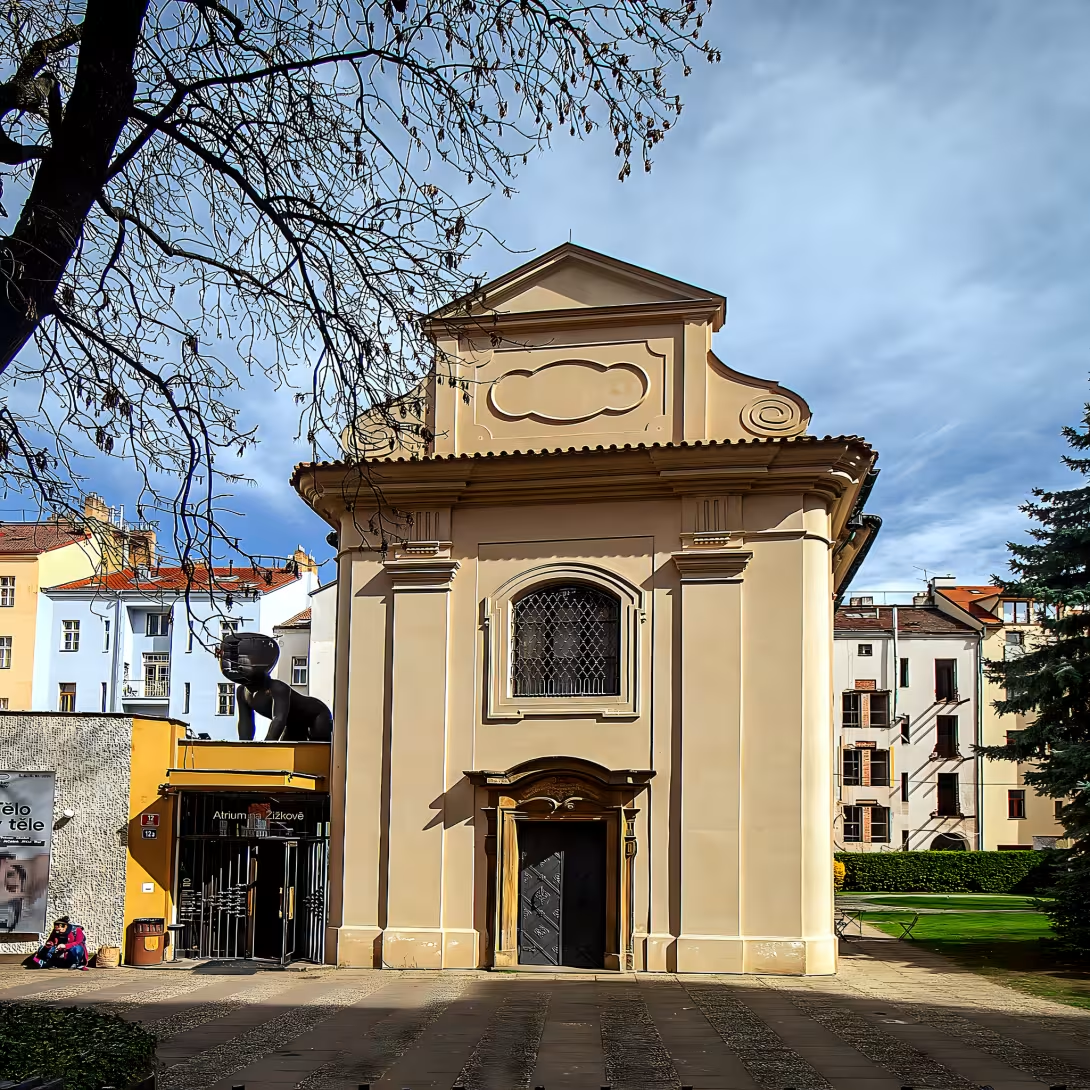
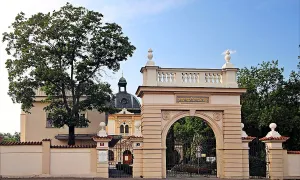
The Church of the Exaltation of the Holy Cross on Žižkov is a notable historical monument located in Čajkovského Street, Prague-Žižkov. Constructed between 1717 and 1719 as a parish church, it now serves cultural purposes within the Atrium exhibition hall. This single-nave baroque structure features a sandstone portal with an inscribed dedication above its western entrance. Its rich history includes serving as a burial site during various periods, marking it as a significant landmark in Prague's urban and cultural landscape.
The church was built under the patronage of Jan František Crusius z Krausenberka between 1717 and 1719 on land acquired by the city of Prague from Štika z Paseky. This acquisition followed a devastating plague that struck Prague from 1713 to 1716, leading to construction on what was once a new town morbid cemetery established in 1680. During this period, Bohemia was part of the Habsburg Monarchy, characterized by baroque architectural developments and significant socio-political changes across Europe.
Architecturally, the Church of the Exaltation of the Holy Cross is a single-nave hall church with a distinctive sandstone portal featuring a Latin dedication inscription. This baroque style reflects artistic trends prevalent in early 18th-century Bohemia. Over time, the building underwent significant transformations; after ceasing religious use in 1842, it was repurposed as storage by 1906. A major transformation occurred between 1979 and 1982 when it became a cultural center with an atrium courtyard.
Throughout its history, the church has witnessed several key events. During the French occupation of Prague from 1741 to 1742, approximately 6,000 to 7,000 bodies of deceased French soldiers were buried in its crypts. In 1784, it became the first parish church for Žižkov and ceased being used as a cemetery that same year. The church's role shifted again in 1842 when it stopped serving religious purposes, with its parish transferred to St. Roch's Church on Olšanské Square.
In recent years, the building has been integrated into the Atrium concert and exhibition hall. In 1984, it began functioning as part of this cultural venue, which underwent further expansion in 1991 to include a café. The courtyard was redesigned into an atrium with a piazza featuring a sculpture by Jaroslav Bartoš, enhancing its aesthetic appeal. Additionally, in 2020, the roof of the Atrium exhibition hall was adorned with a sculpture titled "Miminko" by David Černý.
Today, the Church of the Exaltation of the Holy Cross on Žižkov is accessible to visitors as part of the Atrium concert and exhibition hall. Its transformation from a religious site to a cultural hub highlights its adaptability and enduring significance in Prague's urban fabric. The church's historical layers, architectural features, and artistic elements make it a compelling destination for those interested in exploring Prague's rich heritage. Visitors are invited to experience this unique blend of history and culture at this remarkable monument.
Then and now
Drag the slider to compare how the landmark may have looked when it was built with the view today.
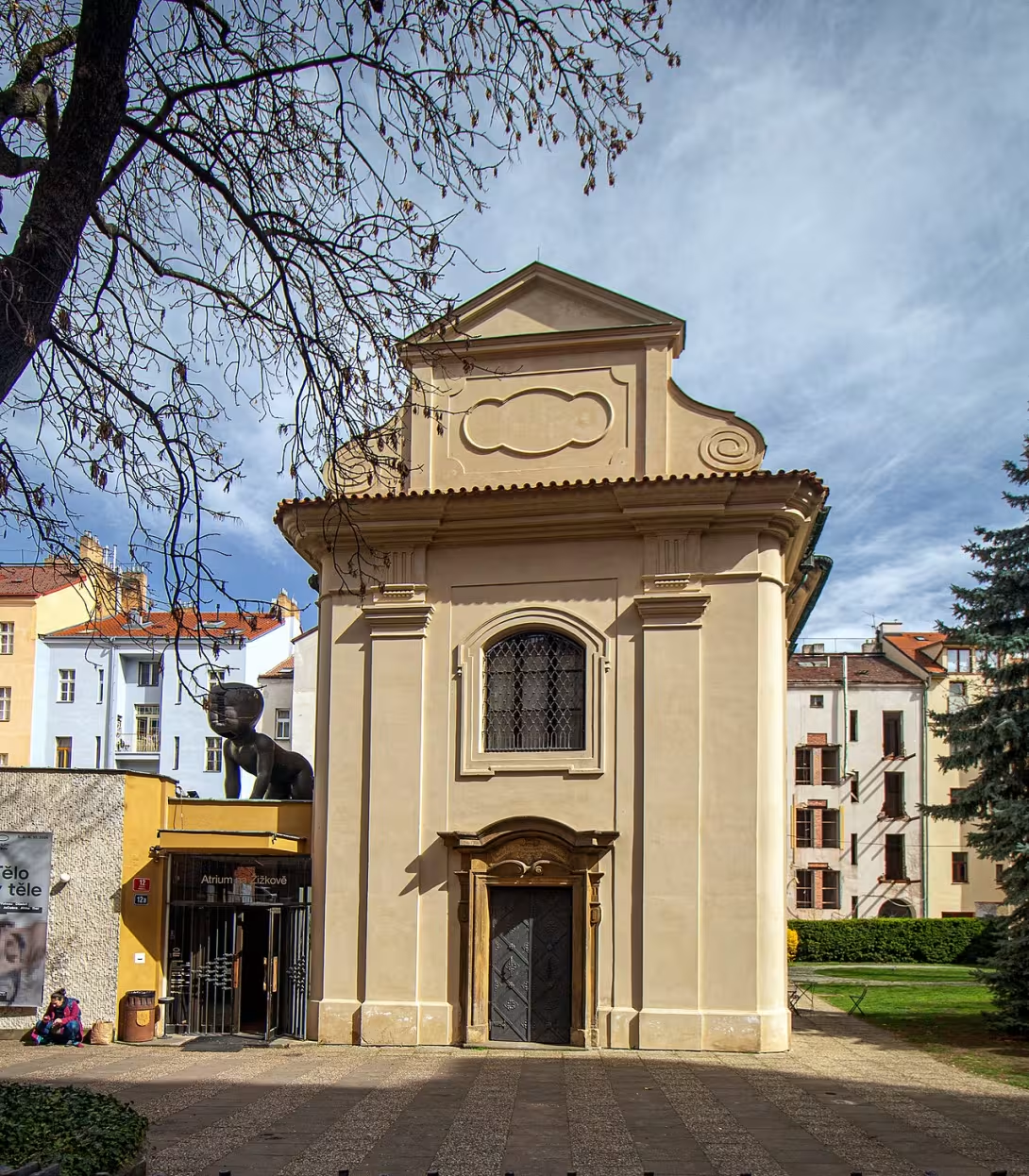
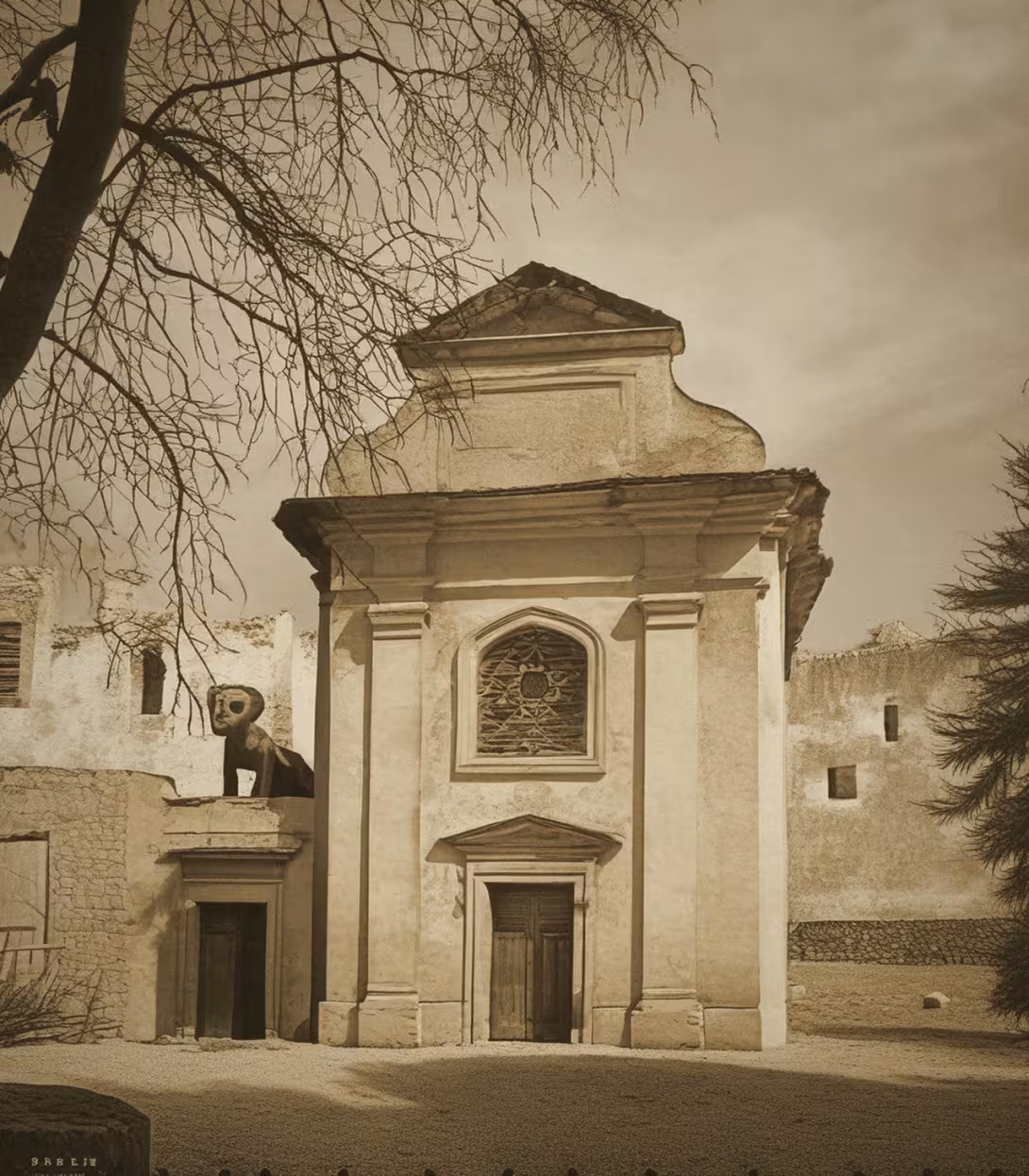
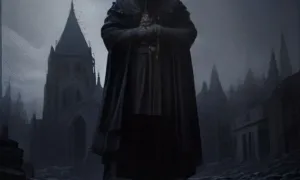
The historical appearance on the left is an AI-generated visualisation and serves as inspiration only.
Historical milestones
- 1741
- Approximately 6,000 to 7,000 bodies of deceased French soldiers were buried in its crypts during the French occupation.
- 1784
- The church became the first parish church for Žižkov and ceased being used as a cemetery.
Architectural development
Originally built as a baroque single-nave hall church, the structure underwent significant changes over time. After ceasing religious use in 1842, it was repurposed as storage by 1906. Between 1979 and 1982, it was transformed into a cultural center with an atrium courtyard. The building now functions as part of the Atrium concert and exhibition hall.
Historical events
The church was constructed between 1717 and 1719 under the patronage of Jan František Crusius z Krausenberka.
During the French occupation of Prague from 1741 to 1742, approximately 6,000 to 7,000 bodies of deceased French soldiers were buried in its crypts.
In 1784, it became the first parish church for Žižkov and ceased being used as a cemetery that same year.
The church stopped serving religious purposes in 1842, with its parish transferred to St. Roch's Church on Olšanské Square.
Points of interest
- The Church of the Exaltation of the Holy Cross was built on land that once housed a new town morbid cemetery established in 1680, reflecting the impact of plague and death on urban development. - During the French occupation of Prague from 1741 to 1742, the church crypts became the final resting place for approximately 6,000 to 7,000 deceased French soldiers, marking it as a site of historical military significance.
- After ceasing its religious functions in 1842, the church was repurposed multiple times, including serving as storage by 1906 and later transforming into a cultural center with an atrium courtyard between 1979 and 1982.
- In 2020, the roof of the Atrium exhibition hall, which includes the church, was adorned with "Miminko," a sculpture by contemporary artist David Černý, integrating modern art within its historical context.
- The church's sandstone portal features an inscribed Latin dedication above its western entrance, showcasing early 18th-century baroque artistic trends and the influence of patron Jan František Crusius z Krausenberka.
Guide
This guide is narrated by a synthetic voice generated by artificial intelligence.
Show guide text
This text was created by artificial intelligence and has not been editorially reviewed. It may contain inaccuracies.
Welcome to the Church of the Exaltation of the Holy Cross on Žižkov, a remarkable testament to history and culture nestled in Čajkovského Street, Prague-Žižkov. As you stand here, take a moment to absorb the atmosphere of this single-nave baroque church—a structure that has witnessed centuries unfold before it.
The origins of this church date back to 1717-1719 when it was constructed as a parish church. Over time, its role evolved, and today it serves cultural purposes within the Atrium exhibition hall. As you gaze at the sandstone portal with an inscribed dedication above its western entrance, consider the hands that shaped these stones and the countless stories they hold.
Let's delve into some of the pivotal moments in this church’s history. Around 1741, during the French occupation of Prague, approximately 6,000 to 7,000 bodies of deceased French soldiers found their final resting place within its crypts. This poignant chapter continued until 1784 when the church became the first parish church for Žižkov and ceased being used as a cemetery.
While the architects remain unknown, Jan František Crusius z Krausenberka is one of the historical figures associated with this site. His contributions have left an indelible mark on its legacy.
Now, let's explore a fascinating aspect of the church’s past. The land where it stands was once home to a new town morbid cemetery established in 1680—a somber reminder of the impact of plague and death on urban development. This historical layer adds depth to your understanding as you walk these grounds.
As we conclude our journey, I invite you to continue exploring this site at your own pace. There's much more to discover within its walls and beyond. Thank you for joining me today, and may your visit be both enlightening and inspiring.
Tips for visitors
The best time to visit the Church of the Exaltation of the Holy Cross on Žižkov is during late spring or early autumn when the weather is pleasant, allowing for a comfortable exploration both inside and outside the church. These seasons also offer softer natural light, which enhances the interior's baroque features without the harsh shadows that can occur in midday summer sunlight.
Visitors are encouraged to use public transportation for convenience. The area is well-served by trams and buses, making it easy to reach from various parts of Prague.
When visiting the church, consider bringing a camera with a zoom lens if you wish to capture detailed shots of its interior artwork and architecture without disturbing other visitors. Comfortable walking shoes are recommended as well, especially if you plan to explore nearby areas on foot after your visit.
For photography enthusiasts, the best spots for capturing the Church of the Exaltation of the Holy Cross include the front entrance at dawn or dusk when the light is soft and golden, highlighting its baroque architecture. Inside, look for angles that capture the contrast between the intricate ceiling frescoes and the play of natural light through stained glass windows.
Families with children will find the church's serene atmosphere a welcome respite from the bustling city. Nearby, within a 30-minute walk or short tram ride, is Letná Park, offering ample space for children to run around and explore nature. The park also features the iconic TV Tower, providing panoramic views of Prague that are especially enchanting at sunset.
Frequently asked questions
Can the monument be visited?
Religious buildings are usually open mainly during services; at other times a visit is normally arranged with the parish or the operator. We have not verified specific times.
Where is the monument?
Location: Čajkovského 12, Žižkov, Praha, Hlavní město Praha. The map on this page shows the exact spot.
Why is the monument protected?
It is listed in the Central List of Cultural Monuments of the Czech Republic as a cultural monument (register no. 40239/1-1324).
Businesses nearby
Do you run a restaurant, accommodation, shop, museum, rental, wellness or other visitor service near this monument? Show yourself directly to the people heading to it — this is how they will see you in the app and on the web:
Events nearby

Zdroj akcí: otevřená data měst a obcí ČR (Národní katalog otevřených dat) a kalendář akcí Národního památkového ústavu.
Accommodation nearby
Trips and activities nearby
Guided tours, tickets and activities nearby from GetYourGuide
Affiliate link: if you buy from the partner, we may receive a commission. The price for you does not change.
Search tours and activities →Themed route
Tematická výletní trasa: Kostel Povýšení svatého Kříže na Žižkově
1. Kostel Povýšení svatého Kříže na Žižkově (Kostel) - Typ: Náboženská památka - Proč stojí za návštěvu: Tento unikátní kostel, známý pro svou výraznou spirální věž a modernistický design od architektů Josefů Štursa a Pavel Janák, je ikonou českého funkcionalismu. Je to nejen duchovní místo, ale také vizuální symbolem města Praha s vynikajícím výhledem na jeho panoramatický pohled.
2. Výstavní prostor v kostele - Typ: Umělecká expozice - Proč stojí za návštěvu: Výstavní prostor uvnitř kostela nabízí pravidelné umělecké a historické výstavy, které osvětlují kulturní dědictví regionu. Navštívte ho pro hlubší porozumění architektonickému významu kostela a jeho roli ve společnosti.
3. Nádvoří kostela - Typ: Historický areál - Proč stojí za návštěvu: Nádvoří pod spirální věží je místo klidu a reflexe, kde můžete užít si panoramatického pohledu na Prahu. Toto místo slouží jako kulturní centrum pro různé události a akce, které přitahují jak místní obyvatele, tak návštěvníky.
4. Výhled z věže kostela - Typ: Panoramatický výhled - Proč stojí za návštěvu: Vystoupením do spirální věže můžete užít si jedinečného pohledu na celé hlavní město Praha. Tento výhled je nejen vizuálně ohromující, ale také nabízí historický kontext a perspektivu na architektonickou evoluci oblasti.
5. Park u kostela - Typ: Místní park - Proč stojí za návštěvu: Park kolem kostela poskytuje klidný prostor k odpočinku a procházce, s možností si užít přírodního prostředí v urbaním kontextu. Je to ideální místo pro relaxaci po prozkoumání kostela a jeho okolí.
Tato trasa nabízí komplexní pohled na Kostel Povýšení svatého Kříže, kombinující historické, kulturní a vizuální zážitky v jednom místě.
Seasonal recommendations
Spring: Visiting the Church of the Exaltation of the Holy Cross on Žižkov during spring offers a unique experience as nature awakens around this historic site. The vibrant blossoms and fresh greenery enhance the church's architectural beauty, creating a picturesque setting that is particularly enchanting in the soft morning light. Springtime often brings milder temperatures, making it an ideal time for a leisurely stroll through Žižkov before or after your visit. While crowds are generally moderate during this season, arriving early can help avoid any potential groups of tourists and ensure a more peaceful exploration.
Summer: Summer is the peak season for visiting the Church of the Exaltation of the Holy Cross on Žižkov, with long daylight hours providing ample time to appreciate its historical significance. The warm weather invites visitors to enjoy outdoor activities in the vicinity before exploring the church's interior. However, this popularity means that crowds can be significant, especially during weekends and holidays. To make the most of your visit, consider arriving early in the day when it is cooler and less crowded. Wearing comfortable shoes and light clothing will help you navigate Žižkov comfortably.
Autumn: Autumn brings a distinct charm to the Church of the Exaltation of the Holy Cross on Žižkov, as the surrounding foliage transforms into rich hues of red, orange, and gold. The cooler temperatures create a cozy atmosphere that complements the church's historic ambiance. This season often sees fewer visitors compared to summer, offering a more tranquil experience. To fully enjoy the autumnal scenery, consider visiting in the late morning or early afternoon when the light is soft and warm. Dressing in layers will keep you comfortable as temperatures can vary throughout the day.
Winter: Winter offers a magical setting for visiting the Church of the Exaltation of the Holy Cross on Žižkov, with the possibility of snow-covered landscapes adding to its historic allure. The shorter days mean it's best to plan your visit during daylight hours, and the church may have adjusted opening times due to the season. Winter temperatures can be quite cold, so dressing warmly is essential for a comfortable experience. While crowds are typically smaller in winter, arriving early ensures you won't miss any special holiday decorations or events that might be featured inside the church.
Visualizations and artistic views


The visualisations are generated by artificial intelligence and serve as inspiration.
Photos from the area
Real photos taken near the monument


Zdroj a licence jsou uvedeny u každého snímku.
Tips from visitors
No tips yet. Be the first!
Log in and add your tip.
Sources and literature
Photos: VitVit / CC BY-SA 4.0, rozlišení zvýšeno umělou inteligencí — Wikimedia Commons. The author and licence also appear when you hover over the image.
Faktickým podkladem tohoto textu byl článek na Wikipedii, jehož autory jsou přispěvatelé Wikipedie. Článek je dostupný pod licencí CC BY-SA 4.0.
Location on the map
Příběhy a pověsti
Legendy, pověsti a příběhy spjaté s touto památkou
Fotografie návštěvníků
Zatím žádné fotografie. Buďte první, kdo přidá fotografii z návštěvy!
Log in a přidejte svou fotografii nebo hodnoťte.
Za ověřenou návštěvu v aplikaci získáte víc bodů — poznáme podle GPS, že jste na místě.
Reviews and comments