






měnírna Krenovka Other
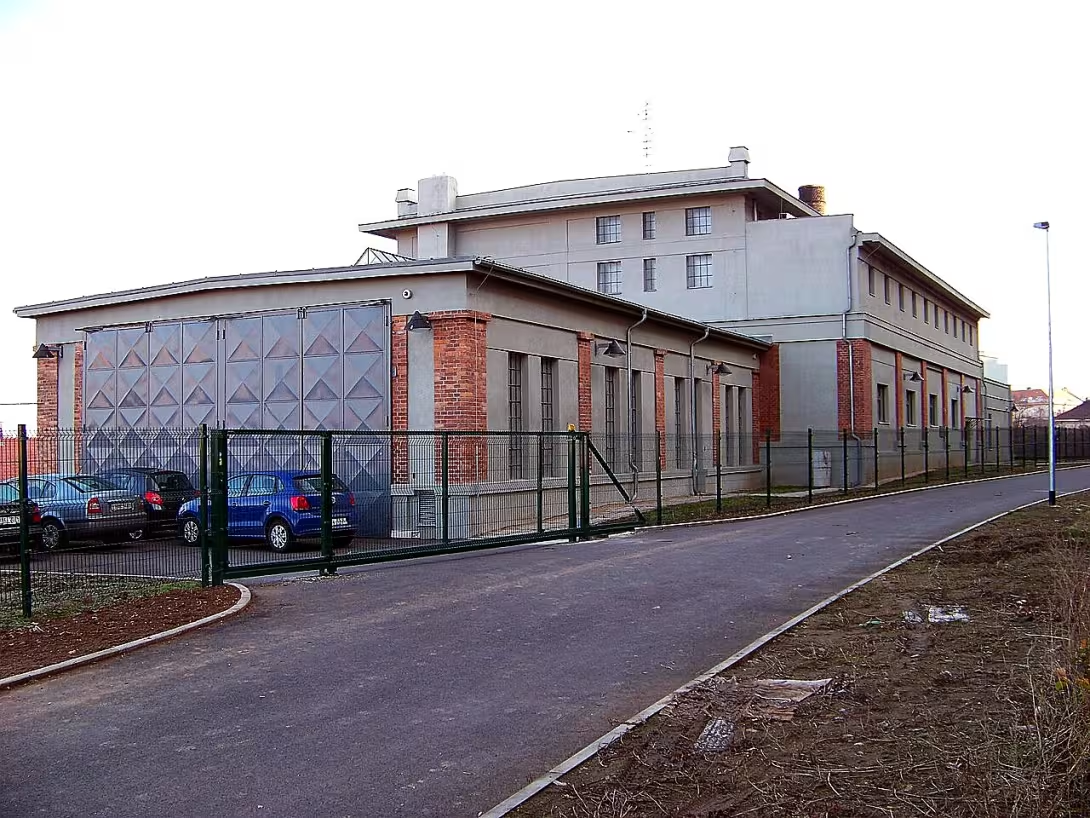
The Krenovka Railway Substation is a technical monument situated in Prague's Žižkov district. Built between 1925 and 1927, this structure was designed to provide direct current power for shunting locomotives at the main railway station. The substation is a reinforced concrete hall integrated into a railway embankment. It is officially recognized as a cultural monument of the Czech Republic.
The substation was constructed during the First Czechoslovak Republic, an era marked by rapid industrialization and modernization of the state railway infrastructure. This period saw a shift towards electric traction to enhance urban transport efficiency. The building's construction began in 1925 according to the project by Jan Rokos and Václav Proška, and was completed in 1927.
The Krenovka Railway Substation features a central higher section with lower ground-floor wings, constructed from reinforced concrete and facing bricks. It is uniquely founded nine meters deep into the track embankment. During the 2006-2009 reconstruction, the original hall was divided into two floors while preserving original elements like windows and stairs.
The building's architecture reflects its functional purpose as a technical monument. The reinforced concrete structure provides a solid foundation for the substation's equipment, while the facing bricks add an aesthetic touch to the exterior design.
Over the years, the Krenovka Railway Substation has undergone significant changes. In 2006-2009, it was adapted into an electrical dispatch center by České dráhy. The original hall was divided into two floors during this reconstruction, but many of its original elements were preserved.
Today, the Krenovka Railway Substation is a unique and fascinating piece of industrial architecture in Prague's Žižkov district. Visitors can explore the building's original features, including its reinforced concrete structure and facing brick exterior. The monument's historical significance as a technical marvel of the early 20th century makes it an important cultural landmark worth visiting.
Historical milestones
- 1925
- Start of construction according to the project by Jan Rokos and Václav Proška.
- 1927
- Completion of the substation to power shunting locomotives.
- 2006
- Commencement of the adaptation into an electrical dispatch center by České dráhy.
- 2009
- Completion of the reconstruction and internal division of the hall.
Architectural development
The building features a central higher section with lower ground-floor wings, constructed from reinforced concrete and facing bricks. It is uniquely founded 9 meters deep into the track embankment. During the 2006–2009 reconstruction, the original hall was divided into two floors while preserving original elements like windows and stairs.
Historical events
1925–1927: Construction of the substation for the main railway station. 2006–2009: Adaptation of the building into an electrical dispatch center.
Owners
České dráhy
Points of interest
– The Krenovka Railway Substation is a technical monument situated in Prague's Žižkov district.
– Built between 1925 and 1927, this structure was designed to provide direct current power for shunting locomotives at the main railway station.
– The substation features a central higher section with lower ground-floor wings, constructed from reinforced concrete and facing bricks.
– During the 2006-2009 reconstruction, the original hall was divided into two floors while preserving original elements like windows and stairs.
Guide
Show guide text
This text was created by artificial intelligence and has not been editorially reviewed. It may contain inaccuracies.
Welcome to Žižkov. As you stand here, take a moment to truly absorb your surroundings. You are in a district that has always been defined by its energy, its movement, and its deep-rooted connection to the industrial pulse of Prague. If you listen closely, you might still feel the echoes of the heavy machinery and the rhythmic movement of the rails that have shaped this neighborhood for over a century. Right before you stands a structure that, while perhaps unassuming to the casual passerby, is actually a vital piece of history. This is the Krenovka railway substation. It is not just a building; it is a testament to an era when electricity was the new frontier of human progress, and the railway was the lifeblood of the nation.
To understand why this building exists, we have to travel back in time to the mid-1920s. Imagine Prague during this period—a city in transition, modernizing rapidly, and expanding its reach through an increasingly complex railway network. By 1925, the demand for efficient, powerful movement within the rail yards had become critical. The main railway station required a reliable way to power the locomotives used for shunting—those essential engines that move carriages and freight around the tracks to prepare them for their long journeys. This was the spark that led to the commencement of construction here, according to a sophisticated project designed by the architects Jan Rokos and Václav Proška.
The construction process began in 1925 and continued through 1927, a period of intense engineering focus. The goal was specific and technical: to create a facility capable of providing direct current power. In those days, this was the cutting edge of electrical engineering, a necessity for the heavy-duty tasks required by shunting locomotives. When the substation was finally completed in 1927, it became a silent, powerful engine of the railway, working tirelessly behind the scenes to ensure that the movement of goods and people across the country never faltered.
Now, I invite you to look more closely at the structure itself. As you observe the Krenovka substation, notice how it interacts with the landscape. This is not a building that stands apart from its environment; rather, it is a structure that is deeply integrated into the railway embankment. This integration was a deliberate choice, a marriage of engineering necessity and architectural design. Notice the material that defines its presence: reinforced concrete. In the 1920s, reinforced concrete was a symbol of modernity and strength. It allowed for the creation of large, functional halls that could house heavy electrical equipment while maintaining a sense of structural permanence.
As you take in the scale of the hall, consider the vision of Jan Rokos and Václav Proška. They were tasked with creating a space that was, above all, functional. In an era where the aesthetics of industry were beginning to emerge, they designed a reinforced concrete hall that prioritized the technical requirements of the substation while respecting the topographical demands of the railway line. Even today, the building carries that sense of purpose. It feels solid, grounded, and unshakeable, much like the electrical current it was built to manage.
While the names of the individual laborers and the engineers who operated the machinery within these walls might have faded from the public record, the legacy of their work is etched into the very concrete you see. The substation served its original purpose for decades, a silent witness to the evolution of the Czech railway system. However, as technology advanced and the needs of the railway changed, the role of the Krenovka substation had to evolve as well.
The story of this building did not end with the era of early electric locomotives. In fact, its second life began much more recently. In 2006, a significant new chapter was written when České dráhy began the process of adapting this technical monument. They recognized that while the original method of providing direct current might have changed, the location and the structure itself remained incredibly valuable. Between 2006 and 2009, a major reconstruction took place. The vast, singular hall was internally divided to create a modern, functional space, transforming the old substation into an electrical dispatch center. This transition is a remarkable example of how historical industrial sites can be repurposed for the modern age, ensuring that the building remains a living, working part of the infrastructure rather than a decaying relic of the past.
This brings us to something truly special about the Krenovka substation. It is not merely an old building; it is an officially protected cultural monument of the Czech Republic. This status is a recognition of its unique value as a technical monument. It stands as a rare survivor of early 20th-century electrical engineering. In a world that is constantly tearing down the old to make way for the new, the Krenovka substation has been preserved because it tells a story of how we learned to harness power to move our world.
There is a certain mystery in the way such a functional, industrial object can become a piece of protected heritage. It forces us to ask: what makes a building worth saving? Is it the design of Jan Rokos and Václav Proška, or is it the sheer technical importance of the power it once provided? Perhaps it is both—the way the reinforced concrete holds the memory of the locomotives that once relied on its current.
As you prepare to move on from this spot, I encourage you to keep looking around. The Žižkov district is full of these layers of history, where the industrial past and the modern present exist side by side. The Krenovka substation is a perfect example of that coexistence. It is a place where the heavy, powerful history of the railway meets the precision of modern electrical dispatching.
Thank you for taking this moment to explore the Krenovka substation with me. As you continue your walk through Prague, I hope you continue to notice these hidden gems of engineering and architecture that define the character of this incredible city. Enjoy the rest of your journey.
Tips for visitors
The best time to visit the Krenovka railway substation is during spring or autumn when the weather is mild and sunny, making it ideal for photography.
Visitors can park their vehicles near the monument or use public transportation, with buses and trams available nearby. The nearest stop is Masarykovo nádraží.
It's recommended to bring comfortable shoes and clothing suitable for the season, as well as a camera to capture the unique architecture of the substation.
For photography enthusiasts, the best spots are around the monument itself, with the morning or late afternoon sun providing ideal lighting conditions. Be mindful of any restricted areas.
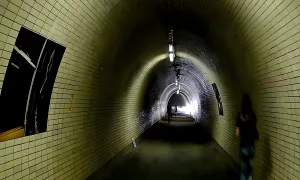
Visitors can explore nearby attractions such as the Vítkov tunnel and Masarykovo nádraží within a 30-minute walking distance.
Businesses nearby
Events nearby

Zdroj akcí: otevřená data měst a obcí ČR (Národní katalog otevřených dat) a kalendář akcí Národního památkového ústavu.
Nearby
The monument is situated in Žižkov, Prague, positioned between the defunct railway line leading to the old Vítkov tunnel and the former railway link between the main station and Masarykovo nádraží.
Accommodation nearby
Trips and activities nearby
Guided tours, tickets and activities nearby from GetYourGuide
Affiliate link: if you buy from the partner, we may receive a commission. The price for you does not change.
Search tours and activities →Themed route
měnírna Krenovka – historic waterworks (main target). This early‑20th‑century facility showcases Žižkov’s industrial past and offers an informative exhibition on Prague’s water supply.
Defunct railway line to Vítkov tunnel – historic railway track. A short walk from the waterworks brings you to the abandoned line, where the rusted rails and overgrown embankments illustrate the once‑busy freight route that served the city’s factories.
Old Vítkov tunnel – former railway tunnel entrance. Just beyond the defunct line, the tunnel portal provides a tangible glimpse of early tunnelling techniques and the strategic importance of the Vítkov corridor during the interwar period.
Former railway link between hlavní nádraží and Masarykovo nádraží – disused railway corridor. Continuing along the old right‑of‑way, you reach the stretch that once connected Prague’s main station with the Masarykovo station, now a quiet green path that hints at the city’s former rail network.
Seasonal recommendations
Spring offers a gentle awakening for visitors to the Krenovka power station in Žižkov. As the weather warms, the surrounding parkland begins to show fresh greenery, providing a pleasant backdrop for exploring this industrial heritage site. The natural light during this season is soft and diffused, creating ideal conditions for photography without the harsh shadows of midsummer. It is advisable to wear comfortable walking shoes and a light jacket, as spring mornings can still be chilly. Crowds are generally manageable during this period, making it an excellent time for a quiet, reflective visit. Arriving in the late afternoon allows you to capture the site in the golden hour light while avoiding the midday rush.
Summer brings vibrant energy to the area, with fully bloomed trees and lush grasses surrounding the structure. The extended daylight hours mean you have more time to explore the exterior and any accessible interior areas. However, this is also the peak tourist season, so expect larger groups of visitors. To beat the heat and the crowds, plan your visit for early morning when the air is cooler and the site is less busy. Wear breathable clothing, a hat, and carry plenty of water, as the sun can be intense. If you prefer a more serene experience, consider visiting on a weekday rather than a weekend to minimize interactions with other tourists.
Autumn transforms the landscape into a tapestry of warm oranges, reds, and yellows, offering a visually stunning contrast to the industrial architecture of the Krenovka. The crisp air and cooler temperatures make walking around the site particularly comfortable. The quality of light in autumn is often described as rich and warm, enhancing the textures of the building’s materials. This season is ideal for those who enjoy photography and nature walks. Dress in layers, as temperatures can drop quickly in the evenings. Weekday visits are recommended to avoid the weekend influx of families and tourists seeking to enjoy the fall foliage.
Winter presents a stark, minimalist aesthetic, with bare branches and occasional snowfall highlighting the structural lines of the power station. The atmosphere is quiet and contemplative, offering a unique perspective on the monument. While the days are shorter, the low winter sun casts long, dramatic shadows that add depth to your visit. It is crucial to dress warmly with a heavy coat, gloves, and a hat, as the cold can be biting. Note that opening hours may be reduced during this season, so check the schedule in advance. Visiting on a clear, sunny winter day provides the best visibility and a crisp, clean air that makes the experience feel distinct from other seasons.
Visualizations and artistic views

The visualisations are generated by artificial intelligence and serve as inspiration.
Photos from the area
Real photos taken near the monument


Zdroj a licence jsou uvedeny u každého snímku.
Tips from visitors
No tips yet. Be the first!
Log in and add your tip.
Sources and literature
Fotografie: ŠJů (cs:ŠJů) / CC BY-SA 3.0 — Wikimedia Commons. The author and licence also appear when you hover over the image.
Faktickým podkladem tohoto textu byl článek na Wikipedii, jehož autory jsou přispěvatelé Wikipedie. Článek je dostupný pod licencí CC BY-SA 4.0.
Location on the map

Příběhy a pověsti
Legendy, pověsti a příběhy spjaté s touto památkou
Fotografie návštěvníků
Zatím žádné fotografie. Buďte první, kdo přidá fotografii z návštěvy!
Přihlaste se a přidejte svou fotografii nebo hodnoťte.
Za ověřenou návštěvu v aplikaci získáte víc bodů — poznáme podle GPS, že jste na místě.
Reviews and comments