






Žižkovská radnice Town hall
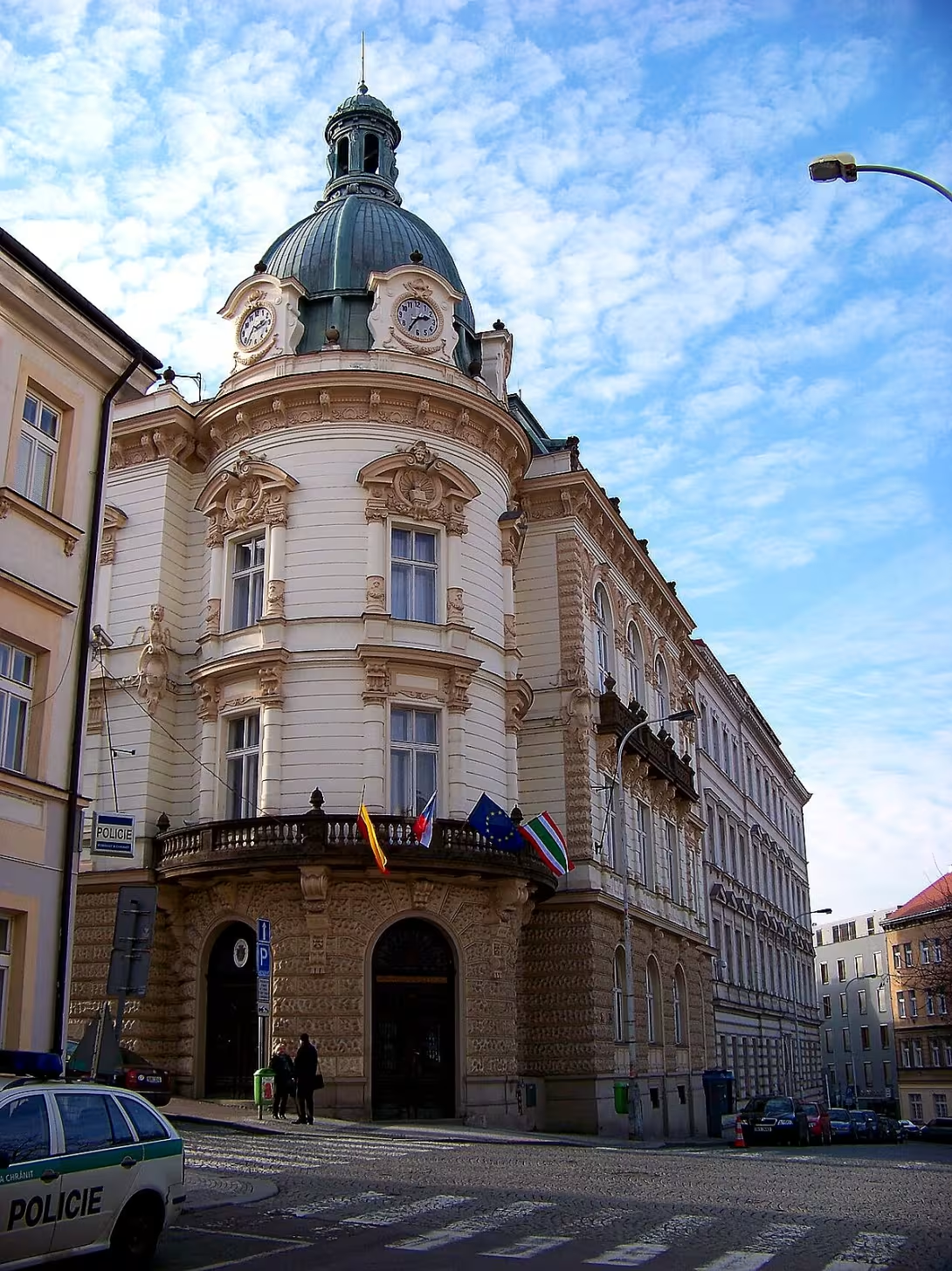
Žižkovská Radnice stands as a prominent example of Neorenaissance architecture in Prague-Žižkov, located at Havlíčkovo náměstí 9. Constructed between 1889 and 1890 by architect Jan Šimáček, this two-winged structure with an L-shaped floor plan is notable for its historical significance and architectural beauty. The building has served as the seat of the municipal office since its completion and continues to be a key cultural site in Prague.
The origins of Žižkovská Radnice are rooted in the late 19th century, a period marked by rapid urban development and modernization in Prague. Designed by Jan Šimáček, it was built to accommodate the expanding needs of the municipal office. Construction began in 1889 and concluded in 1890, with the municipal office moving into the new premises on September 3-4, 1890. The cornerstone ceremony took place on May 14, 1891, coinciding with the opening of the Jubilee Exhibition, highlighting its significance during a time when Neorenaissance architecture was gaining popularity for civic buildings across Europe.
Architecturally, Žižkovská Radnice is characterized by its Neorenaissance style, featuring decorative stucco facades and elaborate ornamentation. The building's design includes two wings and an entrance section shaped like the letter "L." A distinctive feature of the structure is its cupola adorned with three clock faces, topped by a six-sided lantern housing automatic bells. The second-floor hall, once used for council meetings, now serves as a ceremonial room where notable events have taken place, including the wedding of President Václav Havel.
Throughout its history, Žižkovská Radnice has undergone changes to meet the growing demands of municipal administration. A neighboring house on Lipanská Street was purchased and demolished to add a new wing, ensuring the building could continue to serve its purpose effectively. Today, it houses the Úřad městské části Praha 3.
Key events associated with Žižkovská Radnice include the visit of Emperor Franz Joseph I in September 1891, which underscores its importance during that era. The building's second-floor hall has been a venue for significant occasions, further cementing its role as a central civic space. Additionally, since 2003, underground exhibition spaces have been accessible to the public, offering insights into the cultural and historical narratives of Prague-Žižkov.
In contemporary times, Žižkovská Radnice remains an integral part of Prague's architectural heritage. It is not only a functional municipal office but also a site of cultural interest with its open exhibition spaces. Visitors are drawn to its historical significance, architectural beauty, and the stories it holds within its walls. As a testament to its enduring legacy, Žižkovská Radnice was officially listed as a cultural monument on December 31, 1976.
Žižkovská Radnice is more than just an administrative building; it is a symbol of Prague's historical evolution and architectural innovation. Its preservation allows visitors to connect with the past while appreciating its role in contemporary civic life. For those interested in architecture, history, or cultural heritage, Žižkovská Radnice offers a unique glimpse into the rich tapestry of Prague-Žižkov's story, making it well worth a visit.
Then and now
Drag the slider to compare how the landmark may have looked when it was built with the view today.
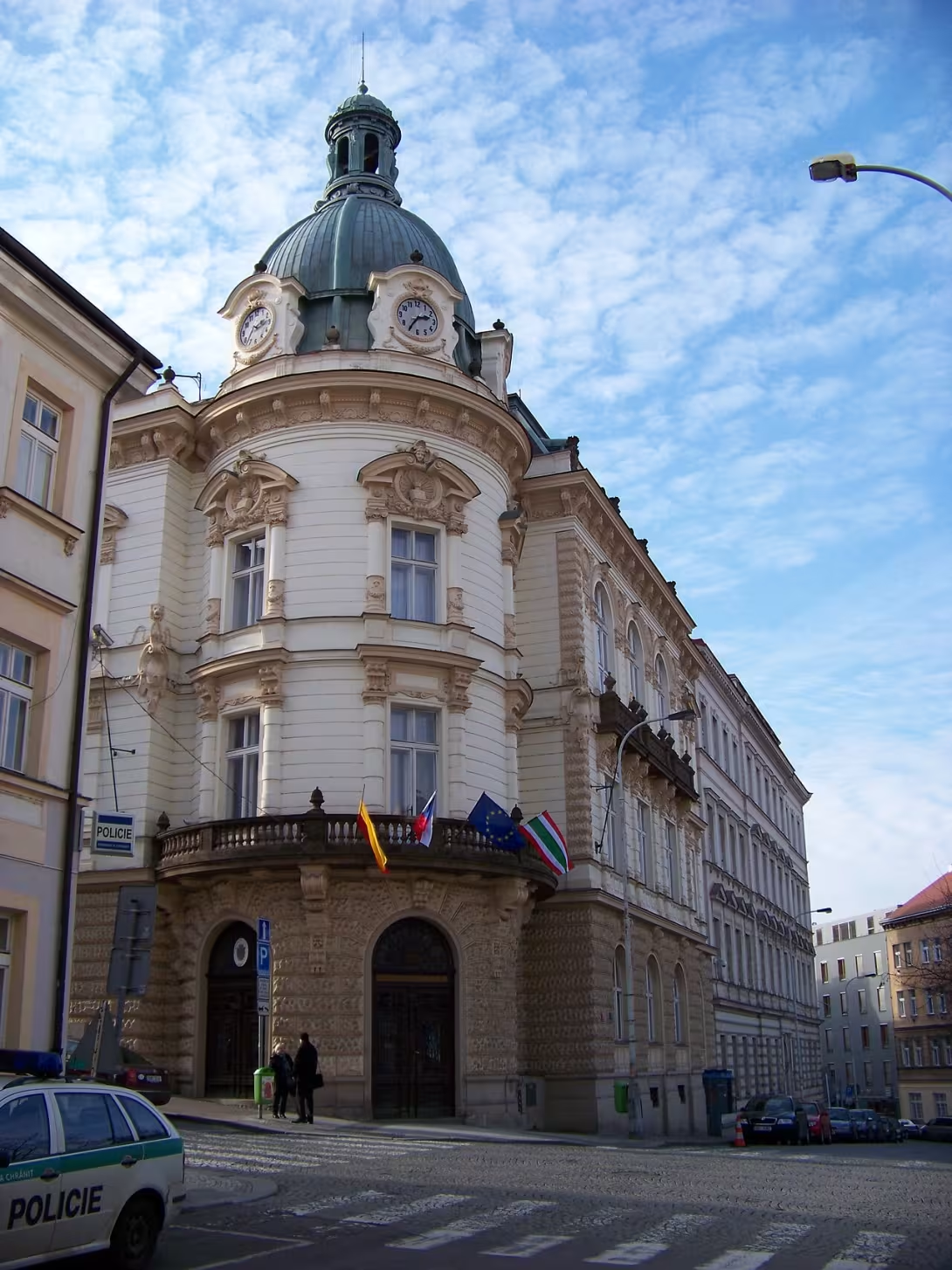
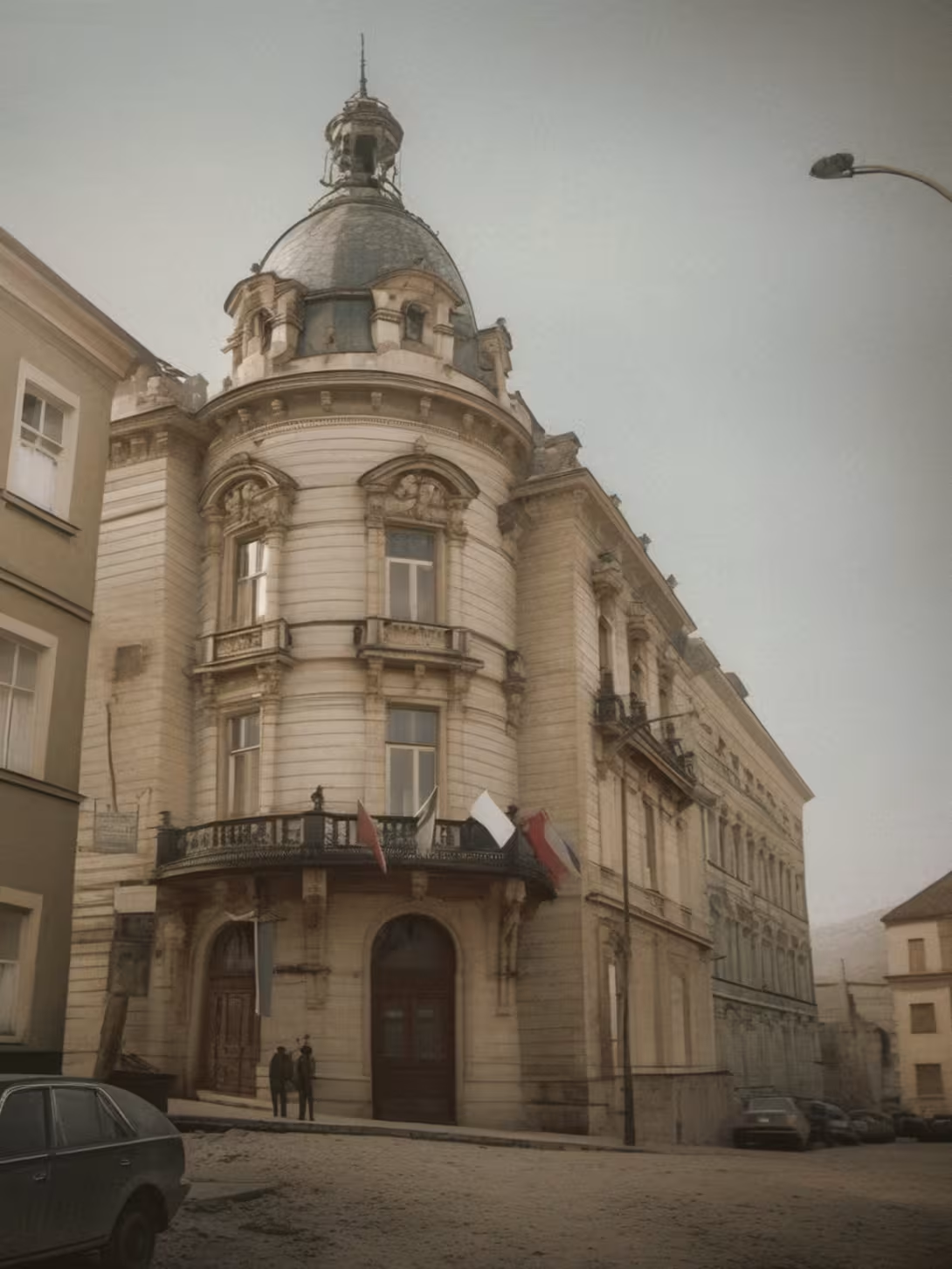
The historical appearance on the left is an AI-generated visualisation and serves as inspiration only.
Historical milestones
- 1890
- The municipal office moved into the newly constructed building.
- 1891
- Emperor Franz Joseph I visited Žižkovská radnice.
Architectural development
Originally built to accommodate the growing needs of the municipal office, the building soon required expansion. A neighboring house was purchased and demolished to add a new wing along Lipanská Street. The structure is characterized by its Neorenaissance style with elaborate stucco decorations.
Historical events
The cornerstone of the new building was laid in May 1891, coinciding with the opening of the Jubilee Exhibition.
Emperor Franz Joseph I visited Žižkovská radnice in September 1891.
Points of interest
- Despite its prominent Neorenaissance architecture, the cupola of Žižkovská Radnice is adorned with three clock faces instead of the more common four, adding a unique touch to its design.
- The cornerstone ceremony for Žižkovská Radnice was strategically aligned with the opening of the Jubilee Exhibition on May 14, 1891, enhancing its visibility and significance during an important cultural event in Prague.
- A neighboring house on Lipanská Street had to be demolished to accommodate a new wing for the growing needs of the municipal office, illustrating the building's adaptation over time to meet administrative demands.
- The second-floor hall of Žižkovská Radnice, originally used for council meetings, gained cultural prominence when it hosted the wedding of President Václav Havel, showcasing its role as a ceremonial venue.
- Since 2003, visitors have had access to underground exhibition spaces at Žižkovská Radnice, providing insights into Prague-Žižkov's rich cultural and historical narratives beyond its administrative functions.
Guide
This guide is narrated by a synthetic voice generated by artificial intelligence.
Show guide text
This text was created by artificial intelligence and has not been editorially reviewed. It may contain inaccuracies.
Welcome to the remarkable Žižkovská radnice, a gem nestled in the heart of Prague-Žižkov at Havlíčkovo náměstí. As you stand here, take a moment to absorb the grandeur before you: the striking Neorenaissance architecture that defines this historic building. The façade is adorned with intricate stucco work, inviting you into its storied past.
Constructed between 1889 and 1890 by the esteemed architect Jan Šimáček, Žižkovská radnice stands as a testament to architectural elegance and civic pride. Designed during a period when Prague was blossoming with artistic and cultural growth, this two-winged structure boasts an L-shaped floor plan, showcasing both functionality and beauty.
As you gaze upon the building, notice its distinctive cupola, crowned by three clock faces—a unique feature that sets it apart from more traditional designs. The six-sided lantern atop the cupola is a marvel in itself, with automatic bells adding to the auditory charm of this historic site. These elements not only enhance the visual appeal but also echo the innovative spirit of their time.
In 1890, this newly constructed edifice became home to the municipal office, marking a new chapter for Žižkovská radnice. The following year, it garnered further prestige when Emperor Franz Joseph I graced its halls with his presence—a moment that surely added to the building's illustrious history.
Now, let your curiosity lead you as we delve into a fascinating aspect of this structure: despite its Neorenaissance style, the cupola features three clock faces instead of the more common four. This intriguing detail adds an air of mystery and uniqueness, inviting onlookers to ponder the reasons behind such a distinctive choice.
As you continue your exploration, let the atmosphere envelop you. The blend of history and architecture here is palpable, offering a glimpse into the past while standing proudly in the present.
Thank you for joining us at Žižkovská radnice. We invite you to wander further and discover more about this architectural treasure. May your journey be filled with wonder and inspiration as you uncover the stories etched within these walls. Safe travels on your exploration of Prague's rich heritage!
Tips for visitors
The best time to visit Žižkovská radnice is during the late spring or early autumn months, when the weather is pleasant and the crowds are smaller compared to peak tourist seasons. This timing allows visitors to fully appreciate the Neorenaissance architecture without the hustle of summer tourists. Additionally, visiting on weekdays can provide a more tranquil experience as weekends tend to attract larger groups.
Parking near Žižkovská radnice can be challenging due to its central location in Prague-Žižkov. Public transportation is recommended for ease and convenience. The area is well-served by tram lines, which can be verified through a local transport app or website. Walking from nearby stops provides an opportunity to explore the charming streets of Žižkov.
When visiting Žižkovská radnice, it's advisable to bring comfortable walking shoes as you may want to explore the surrounding area on foot. A camera is recommended for capturing the intricate details of the architecture and the vibrant atmosphere of Havlíčkovo náměstí. For photography enthusiasts, early morning or late afternoon light offers the best conditions for highlighting the building's features.
For families with children, Žižkovská radnice provides an educational experience with its historical significance and architectural beauty. Nearby, within a 30-minute walk, is the Výstaviště Holešovice exhibition grounds, which often host family-friendly events and exhibitions. This makes it a great spot for combining cultural exploration with activities suitable for children.
In terms of nearby attractions, visitors can explore Havlíčkovo náměstí itself, which is rich in history and offers various dining options. The area's vibrant atmosphere provides an excellent opportunity to experience local culture and cuisine.
Businesses nearby
Do you run a restaurant, accommodation, shop, museum, rental, wellness or other visitor service near this monument? Show yourself directly to the people heading to it — this is how they will see you in the app and on the web:
Events nearby

Zdroj akcí: otevřená data měst a obcí ČR (Národní katalog otevřených dat) a kalendář akcí Národního památkového ústavu.
Accommodation nearby
Trips and activities nearby
Guided tours, tickets and activities nearby from GetYourGuide
Affiliate link: if you buy from the partner, we may receive a commission. The price for you does not change.
Search tours and activities →Themed route
Žižkov Trasový Výlet
1. Žižkovská radnice
Typ: Historické památníky
Proč stojí za návštěvu: Tato ikonická radnice je známá svou výraznou architekturou a historickým významem. Její věž nabízí jedinečné pohledy na Prahu, což ji činí nezbytnou pro každého návštěvníka Žižkova.
2. Štefánikova
Typ: Historický park a památka
Proč stojí za návštěvu: Tento park je pojmenován po slovenském vědci a vojenském důstojníku ČSR, kteří se zde nachází pomníky. Je to místo klidu s krásnými zahradami a pohledem na okolní oblasti.
3. Veletržní palác
Typ: Historická budova, kulturní centrum
Proč stojí za návštěvu: Původně postavený pro výstavy, dnes slouží jako kulturní centrum nabízející různé akce a vystavování. Je to ideální místo k objevování místního umění a kultury.
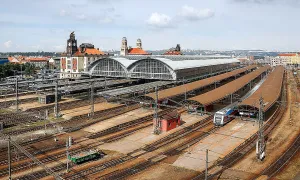
4. Nádraží Holešovice
Typ: Historické nádraží, kulturní centrum
Proč stojí za návštěvu: Toto historické nádraží bylo přestavěno na moderní kulturní centrum. Hostí různé vystoupení a akce, což ho činí živým místem k prozkoumání.
5. Památník generálu Štefánikovi
Typ: Historický památník
Proč stojí za návštěvu: Nachází se v parku Štefánikova a slouží jako uctívání slovenského hrdiny. Je to klidné místo k reflektování historie a připomínka důležité postavy.
Tato trasa nabízí kombinaci historických památek, parků a kulturních center v Žižkově, což poskytuje komplexní pohled na toto jedinečné obvody Prahy.
Seasonal recommendations
Spring: Visiting Žižkovská radnice during spring offers a vibrant atmosphere as the city awakens with blooming flowers and lush greenery, creating picturesque views around the historical site. The gentle warmth of the season makes it an ideal time to explore the architectural details of the building without the summer crowds. Spring showers can be frequent, so wearing layers and bringing an umbrella is advisable. Early mornings or late afternoons are often quieter times for a more serene visit.
Summer: Summer at Žižkovská radnice is characterized by long daylight hours and warm weather, perfect for outdoor activities in the surrounding areas. The lively atmosphere is enhanced by cafes and street vendors nearby offering refreshments. However, this is also peak tourist season, so expect larger crowds, especially during midday. To avoid the heat and throngs of visitors, consider arriving early in the morning or visiting on a weekday.
Autumn: Autumn brings a stunning transformation to Žižkovská radnice with its vibrant foliage providing a colorful backdrop for photographs. The cooler temperatures make it comfortable to stroll around the area without the summer heat. While the crowds are less intense than in summer, some local events may draw more visitors, so checking ahead can help plan your visit better. Layered clothing is recommended as the weather can be unpredictable.
Winter: Winter at Žižkovská radnice offers a unique charm with festive decorations and possibly snow-covered surroundings, creating a magical atmosphere. The shorter days mean earlier closing times for attractions, so planning your visit during daylight hours is essential. It's advisable to dress warmly in layers due to the cold temperatures and potential icy conditions. Despite the chill, winter can be a peaceful time to appreciate the architecture without the summer crowds.
Visualizations and artistic views


The visualisations are generated by artificial intelligence and serve as inspiration.
Photos from the area
Real photos taken near the monument


Zdroj a licence jsou uvedeny u každého snímku.
Tips from visitors
No tips yet. Be the first!
Log in and add your tip.
Sources and literature
Photos: ŠJů (cs:ŠJů) / CC BY-SA 3.0 — Wikimedia Commons. The author and licence also appear when you hover over the image.
Faktickým podkladem tohoto textu byl článek na Wikipedii, jehož autory jsou přispěvatelé Wikipedie. Článek je dostupný pod licencí CC BY-SA 4.0.
Location on the map
Příběhy a pověsti
Legendy, pověsti a příběhy spjaté s touto památkou
Fotografie návštěvníků
Zatím žádné fotografie. Buďte první, kdo přidá fotografii z návštěvy!
Log in a přidejte svou fotografii nebo hodnoťte.
Za ověřenou návštěvu v aplikaci získáte víc bodů — poznáme podle GPS, že jste na místě.
Reviews and comments