






Praha hlavní nádraží Railway station
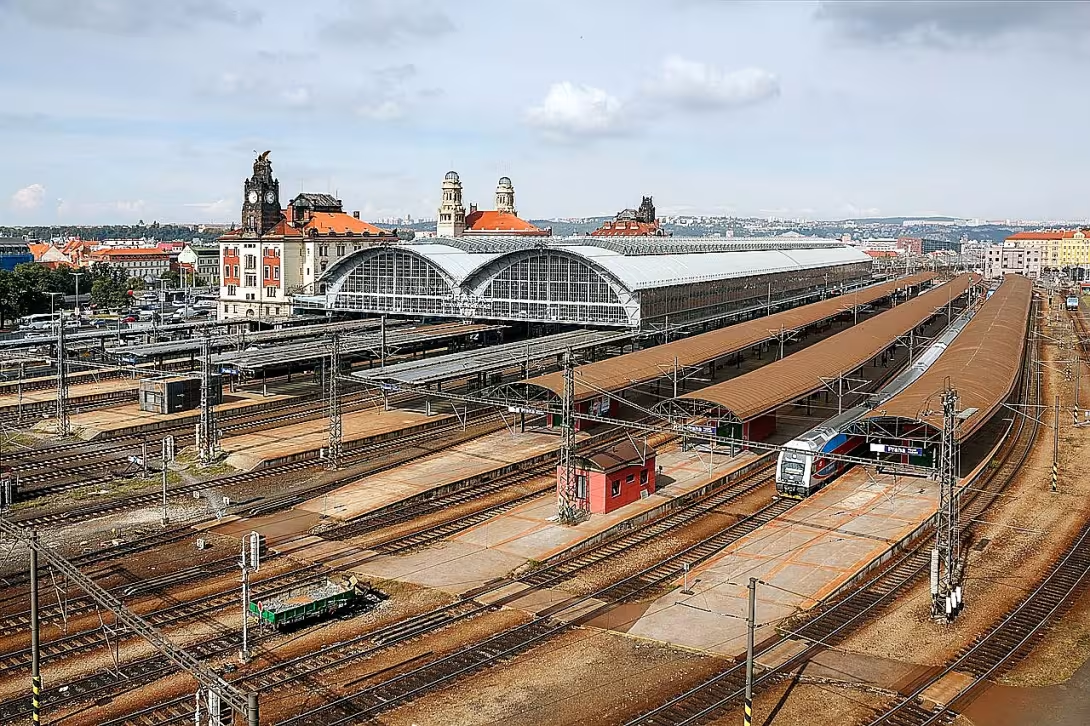
Praha hlavní nádraží, commonly known as 'hlavák', is the largest railway station in Prague, Czech Republic. Situated near Vinohrady and extending into Žižkov, it opened on December 14, 1871, originally named Franz Josef Station after Emperor Franz Joseph I of Austria. Renowned for its transformation into a stunning Secessionist style building between 1901-1909 by Czech architect Josef Fanta, the station is both an architectural marvel and cultural landmark. It has hosted notable figures such as Masaryk, Edison, Le Corbusier, and Chaplin.
The station's origins date back to the late 19th century during Europe's rapid industrialization and urban growth. The decision in October 1866 to demolish Prague’s walls facilitated its construction at this location. Initially known as Franz Josef Station, it began operations on December 14, 1871, with services by Dráhy císaře Františka Josefa. By 1909, due to capacity issues, the station underwent significant expansion under Josef Fanta's Secessionist design, featuring a grand hall adorned with motifs and sculptures representing Czech cities.
Architecturally, Praha hlavní nádraží showcases a blend of styles. The original Neo-Renaissance building was designed by Vojtěch Ignác Ullmann and Antonín Barvitius, characterized by its 150-metre-long structure with two towers, a coffered ceiling hall, and mosaic-paved platforms. This "castle station" earned its nickname due to its imposing presence. The Art Nouveau reconstruction introduced secessionist motifs and sculptures by Stanislav Sucharda and Ladislav Šaloun, enhancing the station's artistic appeal.
Throughout its history, Praha hlavní nádraží has seen various changes in administration and purpose. Initially named after Franz Joseph I, it was renamed Wilson Station from 1918 to 1945, honoring Woodrow Wilson. In January 1953, it adopted its current name, Praha hlavní nádraží. The station became a cultural monument of the Czech Republic on December 31, 1976, and in 1993, it was included in the urban monument zone of Vinohrady, Žižkov, and Vršovice.
The station has been a witness to numerous key events and curiosities. Its luxurious waiting rooms have hosted historical figures such as Tomáš Masaryk, Thomas Edison, Le Corbusier, and Charlie Chaplin. The main hall is adorned with secessionist motifs and sculptures representing Czech cities, adding to its cultural significance.
Today, Praha hlavní nádraží serves as a vital transportation hub, connecting regional, national, and international trains. In 2014, it handled over 53 million passengers annually, making it one of the busiest stations in Europe. It is well-connected to Prague Metro Line C and continues to be an essential part of the city's infrastructure.
Praha hlavní nádraží stands as a testament to architectural innovation and historical significance. Its blend of Neo-Renaissance and Secessionist styles, coupled with its role in hosting notable figures, makes it a must-visit landmark for anyone exploring Prague. Visitors are invited to experience this cultural monument, where history and modernity converge seamlessly.
Then and now
Drag the slider to compare how the landmark may have looked when it was built with the view today.
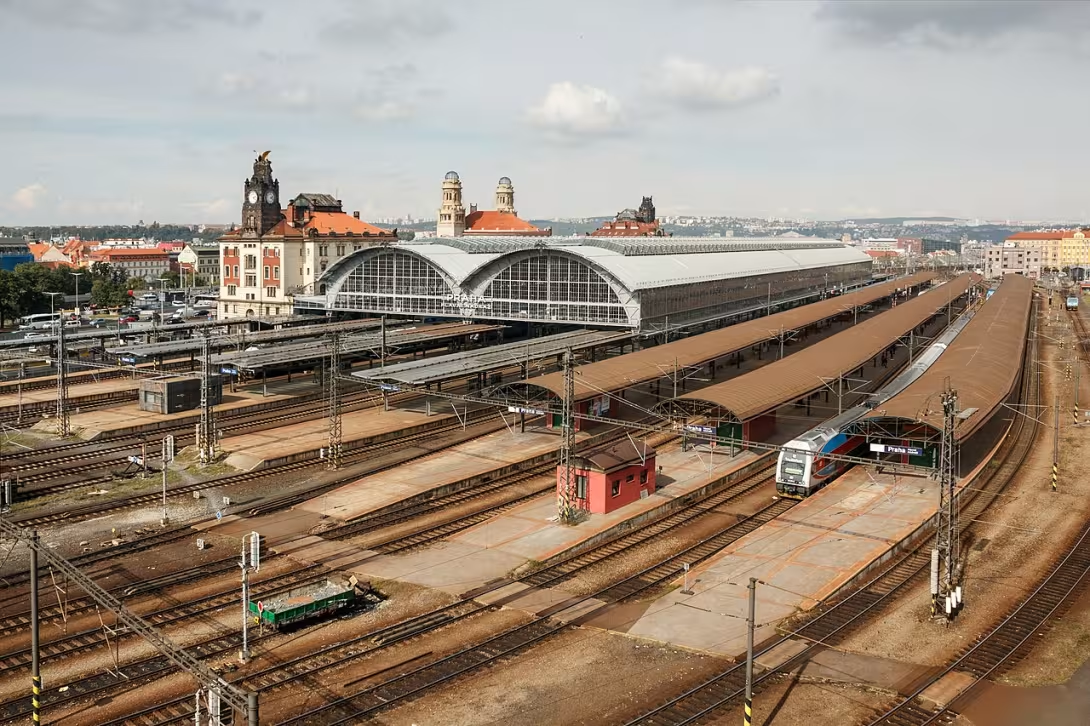
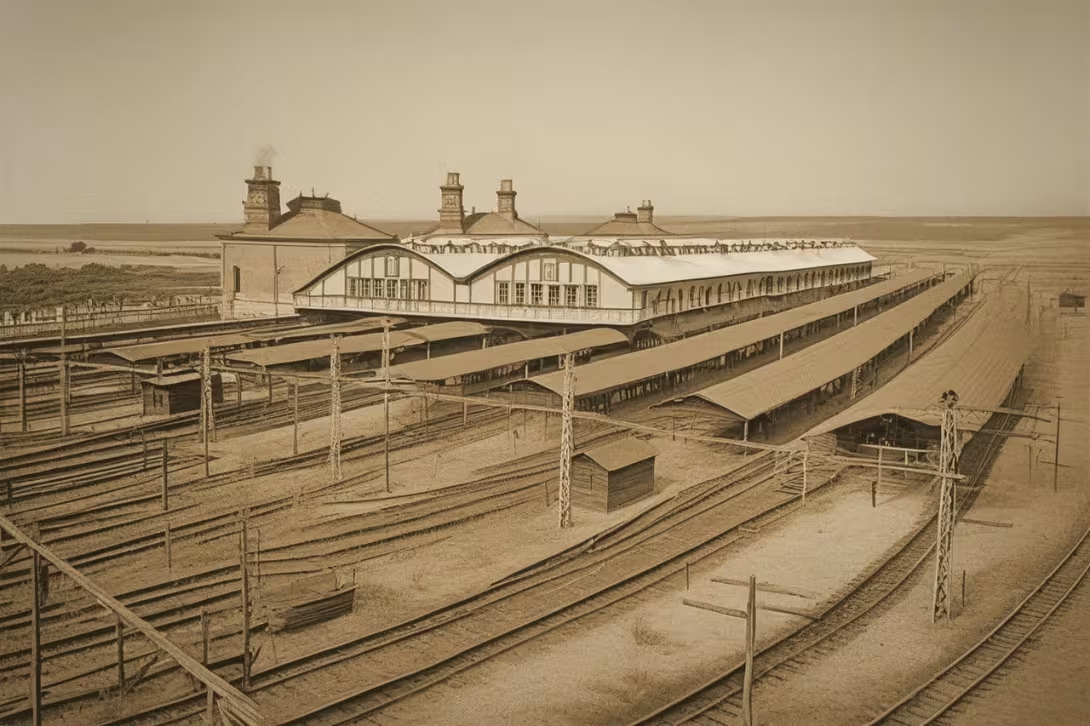
The historical appearance on the left is an AI-generated visualisation and serves as inspiration only.
Historical milestones
- 1866
- Demolition of Prague's walls to facilitate construction.
- 1871
- Opening of Praha hlavní nádraží as Franz Josef Station.
- 1909
- Secessionist style transformation by architect Josef Fanta.
- 1918
- Renamed to Wilson Station, honoring Woodrow Wilson.
- 1945
- Reverted from Wilson Station back to its original name.
- 1953
- Renamed to Praha hlavní nádraží, current name adopted.
Architectural development
The original station building was designed by Vojtěch Ignác Ullmann and Antonín Barvitius in the Neo-Renaissance style. Due to capacity issues, it underwent significant expansion from 1901-1909 under Josef Fanta's Secessionist design, featuring a grand hall with secessionist motifs and sculptures. The station was further modernized over time, maintaining its status as a key transportation hub.
Historical events
Opened on December 14, 1871, marking the start of railway operations by Dráhy císaře Františka Josefa.
Renamed to Praha hlavní nádraží in January 1953, a name it retains today.
Declared a cultural monument and part of Městské památkové zóny Vinohrady, Žižkov a Vršovice in 1993.
Points of interest
- Despite its grandeur, the station was initially named Franz Josef Station after Emperor Franz Joseph I of Austria, reflecting the Austro-Hungarian influence in Czech lands during that era.
- The original Neo-Renaissance structure designed by Vojtěch Ignác Ullmann and Antonín Barvitius featured a unique "castle-like" appearance with two towers, earning it the nickname "castle station."
- Between 1918 and 1945, the station was renamed Wilson Station in honor of President Woodrow Wilson, reflecting Czechoslovakia's recognition of his role in establishing post-WWI peace.
- The main hall boasts secessionist motifs and sculptures by Stanislav Sucharda and Ladislav Šaloun, symbolizing various Czech cities and contributing to the station’s artistic legacy.
- Praha hlavní nádraží was declared a cultural monument of the Czech Republic on December 31, 1976, highlighting its historical and architectural significance.
Guide
This guide is narrated by a synthetic voice generated by artificial intelligence.
Show guide text
This text was created by artificial intelligence and has not been editorially reviewed. It may contain inaccuracies.
Welcome to Praha hlavní nádraží, affectionately known as 'hlavák', a grand testament to Czech history and architectural prowess nestled in the heart of Žižkov. As you stand here, let yourself be enveloped by the station's majestic aura—a blend of historical significance and architectural elegance that has witnessed the ebb and flow of time.
Let's begin our journey into its past. The construction of Praha hlavní nádraží was made possible in 1866 with the demolition of Prague's walls, a pivotal moment paving the way for modernization. The station opened on December 14, 1871, originally named Franz Josef Station after Emperor Franz Joseph I of Austria, highlighting the Austro-Hungarian influence prevalent during that era.
Now, cast your gaze upon the architectural marvel before you. Designed by architects Vojtěch Ignác Ullmann and Antonín Barvitius, the original structure embraced a Neo-Renaissance style—a testament to its grandeur even in its early days. However, it was between 1901 and 1909 that the station underwent a remarkable transformation under the visionary hand of Josef Fanta. This reconstruction introduced the stunning Secessionist style we admire today, characterized by elegant lines and ornate details that invite you to explore every corner.
As you wander through this historic site, let us delve into some intriguing stories associated with it. The station has been touched by notable figures such as Stanislav Sucharda and Ladislav Šaloun, who contributed to its artistic legacy. It's fascinating to imagine the likes of Tomáš Garrigue Masaryk or even international icons like Thomas Alva Edison and Charlie Chaplin passing through these halls in their time.
Here’s a captivating tidbit: despite its grandeur, the station was initially named after Emperor Franz Joseph I, reflecting the Austro-Hungarian influence. It later became Wilson Station in 1918, honoring President Woodrow Wilson, before reverting to its current name in 1953—a narrative that mirrors the shifting tides of history.
As we conclude our brief tour, I invite you to linger a little longer and absorb the rich tapestry of stories woven into this place. Each step through Praha hlavní nádraží is a step back in time, offering glimpses into the past while standing firmly in the present. Thank you for joining me on this journey—may your exploration continue with curiosity and wonder.
Tips for visitors
The best time to visit Praha hlavní nádraží is during the late morning or early afternoon, ideally from late spring through early autumn. This timing allows you to enjoy pleasant weather and avoid the peak rush hours of commuters. The station's architecture and surroundings are particularly photogenic in natural light, making it an ideal period for photography enthusiasts.
Transportation to Praha hlavní nádraží is convenient via both public transport and car. The area is well-served by metro stations, with Line A (Modřany – Staré Město) providing direct access. For those driving, there are parking facilities nearby, although it's advisable to check for availability in advance as spaces can be limited during peak times. Always verify the latest transport options using a local transit app or website.
When visiting Praha hlavní nádraží, consider bringing comfortable walking shoes and weather-appropriate clothing, especially if you plan on exploring the surrounding areas of Vinohrady and Žižkov. A camera is recommended to capture the station's architectural beauty and vibrant atmosphere. Additionally, carrying a map or using a navigation app can help in navigating the extensive facilities within the station.
For photography enthusiasts, some of the best spots include the main concourse where the grandeur of the architecture is most evident, especially during sunrise or sunset when the light accentuates the building's features. The exterior façade also offers excellent opportunities for capturing the historic and modern blend that characterizes the area.
Nearby attractions within a 30-minute walk or short tram ride include the Vinohrady district, known for its charming streets, cafes, and cultural venues such as the Estates Theatre. For families with children, consider visiting the nearby Žižkov TV Tower, which offers panoramic views of Prague from its viewing platform. Always check current opening times and any family-friendly facilities or activities available at these locations.
Businesses nearby
Do you run a restaurant, accommodation, shop, museum, rental, wellness or other visitor service near this monument? Show yourself directly to the people heading to it — this is how they will see you in the app and on the web:
Natáčelo se zde
- Jáchyme, hoď ho do stroje! (1974) film
- Eurotrip (2004) film
- Jak se krotí krokodýli (2006) film
Zdroj: Wikidata (vlastnost „místo natáčení“) · Všechna filmová místa
Events nearby

Zdroj akcí: otevřená data měst a obcí ČR (Národní katalog otevřených dat) a kalendář akcí Národního památkového ústavu.
Nearby
Praha hlavní nádraží is located near the Vinohrady district of Prague, with parts extending into Žižkov. The area features a mix of historical architecture and modern developments, including nearby metro stations.
Accommodation nearby
Trips and activities nearby
Guided tours, tickets and activities nearby from GetYourGuide
Affiliate link: if you buy from the partner, we may receive a commission. The price for you does not change.
Search tours and activities →Themed route
Thematic Walking Tour: Žižkov and Prague Main Railway Station
1. Prague Main Railway Station (Praha hlavní nádraží) - Type: Historic Railway Station - Why Visit: This iconic station, designed by architect Karel Liebscher, is a masterpiece of Czech Art Nouveau architecture. Its elegant façade and intricate details make it a must-see for anyone interested in architectural history or planning to explore the city via train.
2. Žižkov Television Tower (Věž Žižkova) - Type: Observation Tower - Why Visit: Located just a short walk from Prague Main Railway Station, this tower offers panoramic views of Prague's skyline. It’s an ideal spot for photography enthusiasts and those looking to experience the city from above.
3. Vinohrady District - Type: Urban Neighborhood - Why Visit: Known for its vibrant atmosphere and cultural diversity, Vinohrady is perfect for exploring local cafes, boutiques, and art galleries. The area's blend of historical buildings and modern amenities provides a unique urban experience.
4. Žižkov Metro Station (Náměstí Míru) - Type: Metro Station - Why Visit: This station is notable for its striking Art Nouveau design, featuring beautiful mosaics and sculptures. It's an excellent example of Prague’s rich architectural heritage and serves as a convenient transport hub.
5. Žižkov (Obec Žižkov) - Type: Residential Area - Why Visit: Explore the charming streets of Žižkov, known for its bohemian vibe and artistic flair. The area is home to quirky street art, cozy cafes, and a lively local culture that reflects Prague’s dynamic spirit.
This tour offers a blend of architectural marvels, cultural exploration, and scenic views, providing a comprehensive experience of the Žižkov district and its proximity to Prague Main Railway Station.
Seasonal recommendations
Spring: As spring unfolds, Praha hlavní nádraží is enveloped by a gentle warmth and the soft glow of longer daylight hours, creating an inviting atmosphere for visitors. The surrounding nature begins to bloom with vibrant colors as flowers start to dot the landscape, adding a picturesque backdrop to your visit. This season often sees moderate crowds, making it ideal for exploring at a leisurely pace without feeling overwhelmed by large groups. For those planning a trip during this time, wearing layers is recommended due to fluctuating temperatures, and arriving in the late morning can help you avoid any residual chill from the early hours.
Summer: The summer months bring abundant sunshine and vibrant energy to Praha hlavní nádraží, making it an excellent time for those who enjoy lively atmospheres. With longer days and warmer weather, visitors can fully appreciate the architectural beauty of the station under bright daylight. However, this is also peak tourist season, so expect larger crowds, especially during midday. To enhance your experience, consider arriving early in the morning to beat the heat and the throngs of tourists, while wearing light and breathable clothing to stay comfortable throughout your visit.
Autumn: Autumn at Praha hlavní nádraží offers a stunning display of changing leaves that transform the area into a kaleidoscope of reds, oranges, and yellows. The cooler temperatures create a crisp atmosphere perfect for leisurely strolls around the station's vicinity. This season tends to see fewer tourists compared to summer, allowing for a more relaxed visit. Visitors are advised to dress in warm layers to accommodate the chilly weather and enjoy exploring before the onset of winter crowds.
Winter: Winter transforms Praha hlavní nádraží into a serene, almost magical setting with snow-covered surroundings and festive lights that illuminate the station's architecture. The atmosphere is quieter compared to other seasons, offering a peaceful experience for those who appreciate tranquility amidst historical sites. However, be prepared for shorter opening hours due to the cold weather, and ensure you dress warmly in layers to stay comfortable during your visit. Arriving earlier in the day can help avoid any potential closures or reduced services that may occur later in the afternoon.
Visualizations and artistic views


The visualisations are generated by artificial intelligence and serve as inspiration.
Photos from the area
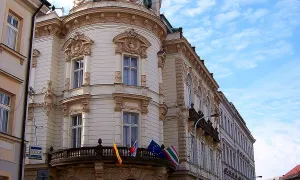
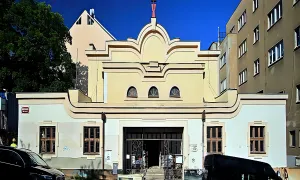
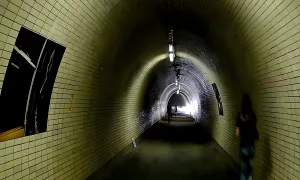
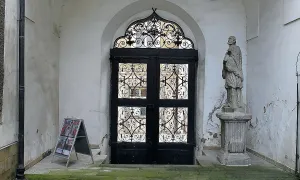
Real photos taken near the monument


Zdroj a licence jsou uvedeny u každého snímku.
Tips from visitors
No tips yet. Be the first!
Log in and add your tip.
Sources and literature
Photos: Lynx1211 / CC BY-SA 4.0 — Wikimedia Commons. The author and licence also appear when you hover over the image.
Faktickým podkladem tohoto textu byl článek na Wikipedii, jehož autory jsou přispěvatelé Wikipedie. Článek je dostupný pod licencí CC BY-SA 4.0.
Location on the map
Příběhy a pověsti
Legendy, pověsti a příběhy spjaté s touto památkou
Fotografie návštěvníků
Zatím žádné fotografie. Buďte první, kdo přidá fotografii z návštěvy!
Log in a přidejte svou fotografii nebo hodnoťte.
Za ověřenou návštěvu v aplikaci získáte víc bodů — poznáme podle GPS, že jste na místě.
Reviews and comments