






Socha svatého Jana Nepomuckého (Žižkov) Statue
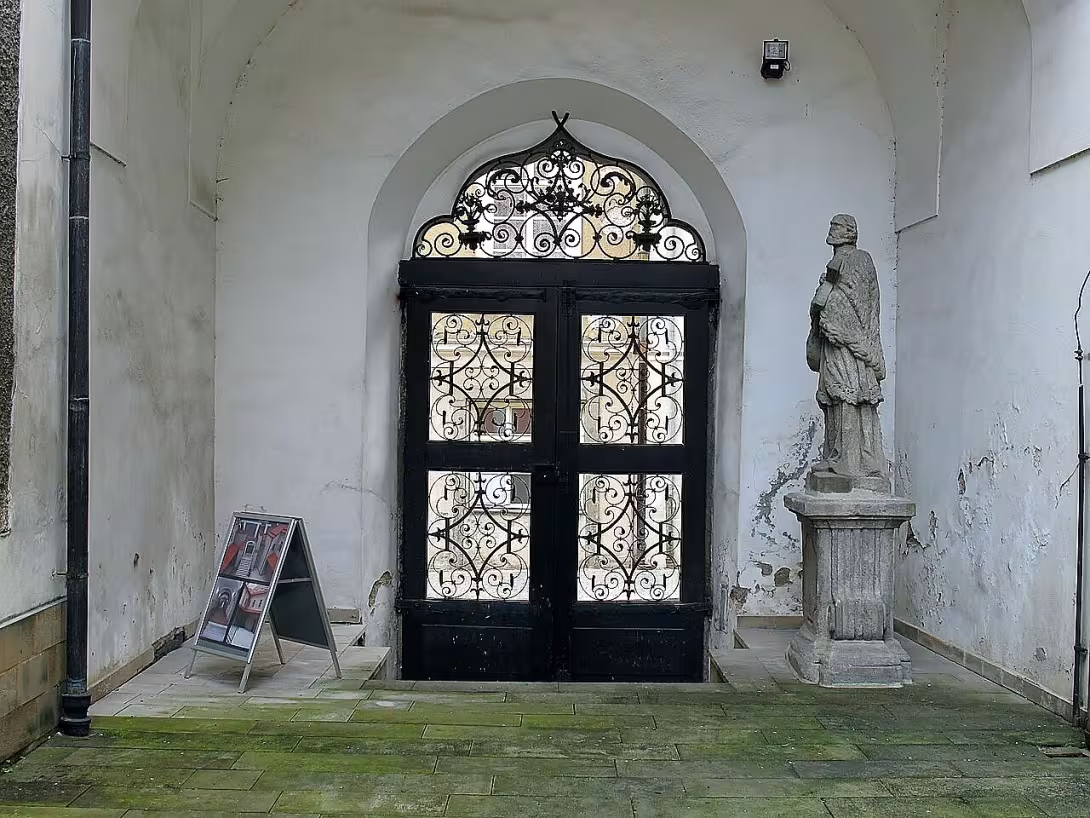
The statue of Saint John Nepomucene in Žižkov, Prague, is a significant cultural monument located at Krásově ulice. Crafted from sandstone in the mid-19th century, it features two side pedestals and sits within a brick niche designed in classical style. This monument holds historical significance and artistic value, protected as a cultural heritage site of the Czech Republic.
The statue's origins trace back to an older building at address number 23, part of the Horní Sklenářka estate, which has since been demolished. Created during a period marked by significant cultural and political changes in Bohemia under Austrian rule, this era saw a rise in nationalistic movements and a flourishing of Czech arts and architecture. The statue was modeled after another depiction of Saint John Nepomucene from Charles Bridge (1683) by Jan Brokoff, reflecting the artistic influences of that time.
Architecturally, the statue and its pedestals were crafted in the mid-19th century, while the surrounding niche was constructed in 1930. The niche is designed in a classical style with brickwork and plaster finish, featuring pilasters and a simple cornice framing it. One pedestal bears remnants of an illegible chronogram, adding to the historical intrigue.
Originally located at the courtyard of the older building, the statue was relocated during the construction of a new house at address number 1841 in 1930. This move preserved parts of its original setting, including two pieces of the pedestal from 1924: one with a relief depicting a confessing queen and another showing Saint John's fall from the bridge.
Today, the statue remains an accessible and noteworthy site for visitors to Prague. Its preservation as a cultural heritage monument underscores its importance in Czech history and art. The classical design and historical context make it a compelling destination for those interested in exploring Prague's rich past. Visitors are invited to appreciate this remarkable piece of Bohemian heritage, reflecting both artistic craftsmanship and historical significance.
Then and now
Drag the slider to compare how the landmark may have looked when it was built with the view today.
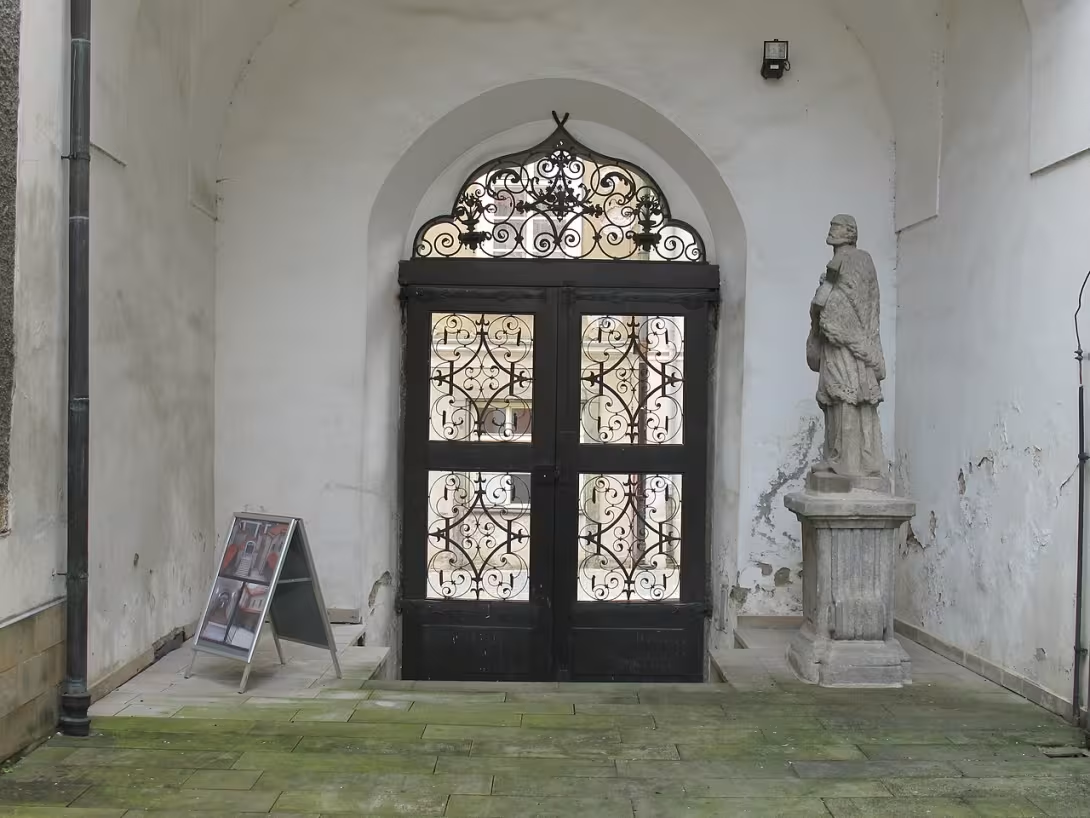
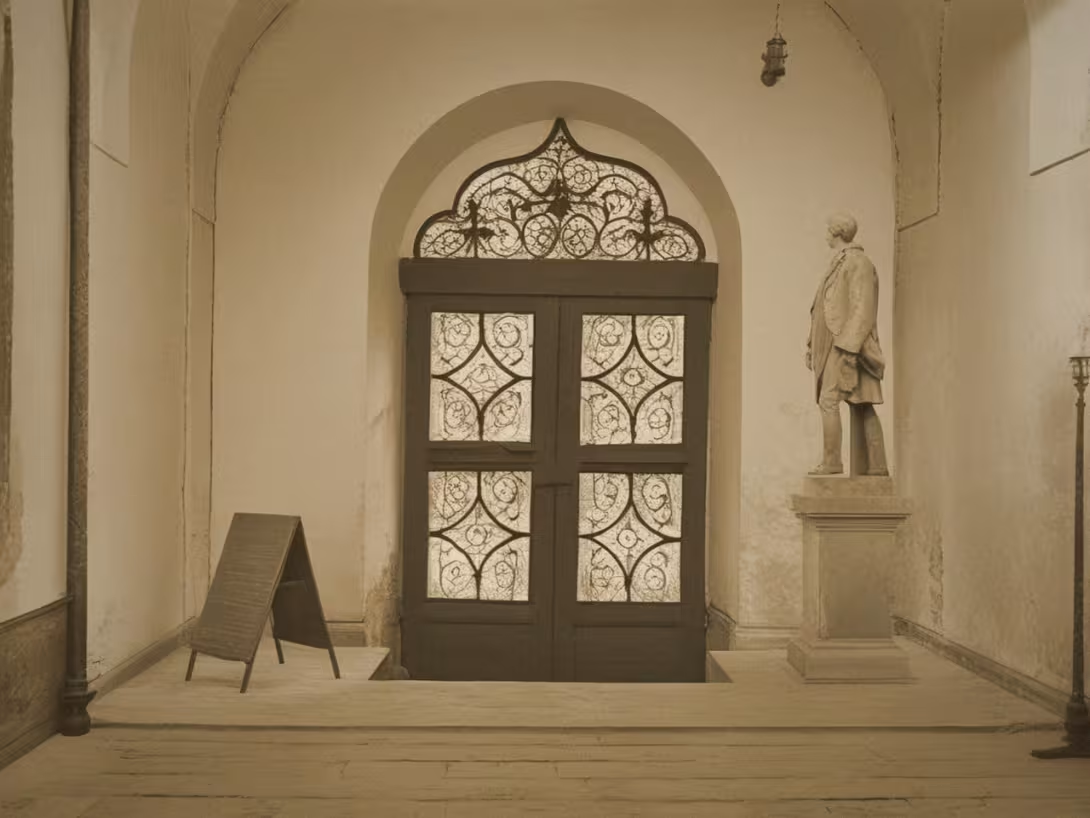
The historical appearance on the left is an AI-generated visualisation and serves as inspiration only.
Architectural development
The statue and its pedestals were created in the mid-19th century. The surrounding niche, constructed in 1930, is designed in classical style with brickwork and plaster finish. It features pilasters and a simple cornice framing the niche.
Historical events
The statue originally stood at the courtyard of an older building (demolished) with address number 23, part of the Horní Sklenářka estate.
In 1930, during the construction of a new house at address number 1841, the niche housing the statue was built.
Points of interest
- The statue of Saint John Nepomucene at Krásově ulice was originally part of the Horní Sklenářka estate, which no longer exists, adding a layer of historical mystery to its origins and relocation story.
- An intriguing feature of one pedestal is an illegible chronogram, hinting at hidden historical messages or dates that remain a puzzle for historians and visitors alike.
- The statue was moved during the construction of a new building in 1930, preserving parts of its original setting, including two unique pedestals from 1924 with reliefs depicting significant scenes related to Saint John Nepomucene's life.
- While the main statue dates back to the mid-19th century, its surrounding niche was constructed later in 1930, showcasing a blend of different architectural styles and periods within a single monument.
- The design of the statue reflects influences from an earlier depiction by Jan Brokoff on Charles Bridge, illustrating how historical art forms can inspire new creations across centuries.
Guide
This guide is narrated by a synthetic voice generated by artificial intelligence.
Show guide text
This text was created by artificial intelligence and has not been editorially reviewed. It may contain inaccuracies.
Welcome to the historic site of the Socha svatého Jana Nepomuckého in Žižkov, Prague. As you stand here at Krásově ulice, take a moment to appreciate this significant cultural monument that has withstood the test of time. The statue, crafted from sandstone and dating back to the mid-19th century, stands proudly within a brick niche designed in classical style. Notice how Saint John is depicted wearing traditional priestly attire, holding a crucifix—a testament to his enduring legacy.
Let's delve into its origins. This statue was originally part of the Horní Sklenářka estate, an area that no longer exists today. The relocation and preservation of this monument add layers of historical intrigue to its story. While the architects remain unknown, their work continues to captivate us with its timeless beauty and craftsmanship.
Now, turn your attention to the two side pedestals. One pedestal holds remnants of a chronogram—a fascinating feature that hints at hidden stories from the past, though it remains illegible today. This element invites you to ponder the mysteries of history and the tales untold.
As we explore this site further, consider the broader historical context surrounding Saint John Nepomucene himself. Although specific individuals connected with this statue remain unidentified in our records, his significance as a figure of faith and martyrdom resonates through time. His story is one of courage and conviction, themes that continue to inspire visitors like yourself.
One intriguing aspect of this monument is its mysterious past linked to the vanished Horní Sklenářka estate. This connection adds an air of mystery and invites you to imagine what stories might have unfolded in this place long ago.
As we conclude our visit here at Krásově ulice, I invite you to take a moment to reflect on the rich tapestry of history that surrounds you. There is so much more to explore in Žižkov and beyond—each corner holds its own stories waiting to be discovered. Thank you for joining me today, and may your journey through Prague continue with curiosity and wonder.
Tips for visitors
The best time to visit the statue of Saint John Nepomucene in Žižkov is during late spring or early autumn when the weather is pleasant, allowing you to comfortably explore the area without extreme temperatures. These seasons offer a good balance between daylight hours and manageable tourist crowds, enhancing your experience as you appreciate the historical significance and architectural beauty of this cultural monument.
Parking around Krásově ulice can be challenging due to its urban location in Žižkov. Public transportation is recommended for ease of access; tram lines are particularly convenient and provide direct routes into the area. For those driving, it's advisable to check local parking facilities or apps that offer real-time availability updates. Always verify current transport options through a reliable search tool before your visit.
When visiting the statue, consider bringing comfortable walking shoes as you may want to explore nearby streets and enjoy the surroundings of Žižkov. A camera is also recommended for capturing the intricate details of the sandstone sculpture, especially during the golden hours of early morning or late afternoon when the light accentuates its features beautifully.
For photography enthusiasts, the best spots are those that offer a clear view of the statue against the sky, avoiding direct sunlight which can create harsh shadows. Try to capture it from different angles along Krásově ulice for varied perspectives. If you're visiting with children, ensure they have water and snacks as there may not be many facilities nearby. The area is family-friendly, but keeping an eye on your kids in the urban setting is always a good idea.
In terms of what to see nearby within 30 minutes, consider exploring other cultural sites or parks around Žižkov. While specific recommendations are limited by the provided context, you can enjoy walking through local neighborhoods and discovering quaint cafes or shops that add to the charm of this vibrant district.
Businesses nearby
Do you run a restaurant, accommodation, shop, museum, rental, wellness or other visitor service near this monument? Show yourself directly to the people heading to it — this is how they will see you in the app and on the web:
Events nearby

Zdroj akcí: otevřená data měst a obcí ČR (Národní katalog otevřených dat) a kalendář akcí Národního památkového ústavu.
Accommodation nearby
Trips and activities nearby
Guided tours, tickets and activities nearby from GetYourGuide
Affiliate link: if you buy from the partner, we may receive a commission. The price for you does not change.
Search tours and activities →Themed route
Thematic Walking Tour: Žižkov's Architectural and Historical Gems
1. Socha svatého Jana Nepomuckého (Štítkovský vrch)
Type: Sculpture
This iconic statue of Saint John of Nepomuk, perched atop a 62-meter high column on Štítkovský hill, offers panoramic views of Prague. It stands as a testament to Baroque artistry and the city's rich history, making it an essential stop for both its cultural significance and breathtaking vistas.
2. Villa Müller
Type: Architectural Landmark
Located just a short walk from the statue, Villa Müller is a masterpiece of Czech Cubism designed by architect Pavel Janák. This UNESCO World Heritage site showcases innovative design elements that were ahead of their time, offering visitors a glimpse into early 20th-century architectural innovation.
3. Kostel svatého Václava (Church of Saint Wenceslas)
Type: Church
A short stroll from Villa Müller will lead you to the Church of Saint Wenceslas, known for its striking modernist architecture by Pavel Janák. This church is notable not only for its architectural significance but also as a place of worship and community gatherings.
4. Žižkov Television Tower
Type: Observation Tower
Conclude your tour at the Žižkov Television Tower, an unmistakable symbol of Prague's skyline. While technically just outside the immediate vicinity, it is within walking distance from the church. The tower offers a unique experience with its observation deck and rotating restaurant, providing panoramic views of the city.
This thematic route highlights Žižkov’s architectural diversity and historical depth, offering insights into both its artistic heritage and modern development.
Seasonal recommendations
Jaro: During spring, the statue of Saint John Nepomucene on Žižkov Hill comes to life as blooming greenery spreads around it. Sunlight creates captivating shadows and lighting that give the statue a romantic and almost magical appearance. This time of year is ideal for visiting because there are usually fewer crowds than during the summer peak. Additionally, opening hours begin to lengthen, allowing for extended tours. We recommend visiting with light clothing and perhaps a guide or hat for sun protection.
Léto: Summer brings full life to the statue of Saint John Nepomucene on Žižkov Hill, especially during the main summer season. The sun illuminates the statue with long rays, enhancing its visual appeal and adding a warm atmosphere to the place. This is the most popular time for visiting, so it's advisable to come earlier in the day to avoid crowds. Warm clothing and plenty of refreshments are essential for a comfortable tour during hot summer days.
Podzim: Autumn brings a unique, softer look to the statue of Saint John Nepomucene on Žižkov Hill. The colors of the foliage create a beautiful backdrop, and shorter sunlight rays give the statue a melancholic atmosphere. This period is less visited than summer, but expect a slight increase in attendance before winter due to autumn events and activities. It's recommended to wear warm clothing, especially in the later months when colder days begin.
Zima: In winter, the statue of Saint John Nepomucene on Žižkov Hill takes on a thematic appearance as it is illuminated against a snowy landscape. Sunlight mixes with icy shapes, creating a picturesque contrast. This period is the least visited due to cold weather and shorter opening hours for the monument. Visitors should be equipped with warm clothing, a hat, and protective footwear for comfortable walks in winter conditions.
Visualizations and artistic views


The visualisations are generated by artificial intelligence and serve as inspiration.
Photos from the area
Real photos taken near the monument


Zdroj a licence jsou uvedeny u každého snímku.
Atmosphere of the place
This atmospheric visualisation of the place and period was generated by artificial intelligence. It is not real footage of the location.
Tips from visitors
No tips yet. Be the first!
Log in and add your tip.
Sources and literature
Faktickým podkladem tohoto textu byl článek na Wikipedii, jehož autory jsou přispěvatelé Wikipedie. Článek je dostupný pod licencí CC BY-SA 4.0.
Location on the map
Příběhy a pověsti
Legendy, pověsti a příběhy spjaté s touto památkou
Fotografie návštěvníků
Zatím žádné fotografie. Buďte první, kdo přidá fotografii z návštěvy!
Log in a přidejte svou fotografii nebo hodnoťte.
Za ověřenou návštěvu v aplikaci získáte víc bodů — poznáme podle GPS, že jste na místě.
Reviews and comments