






Kostel Stětí svatého Jana Křtitele (Kadaň) Church
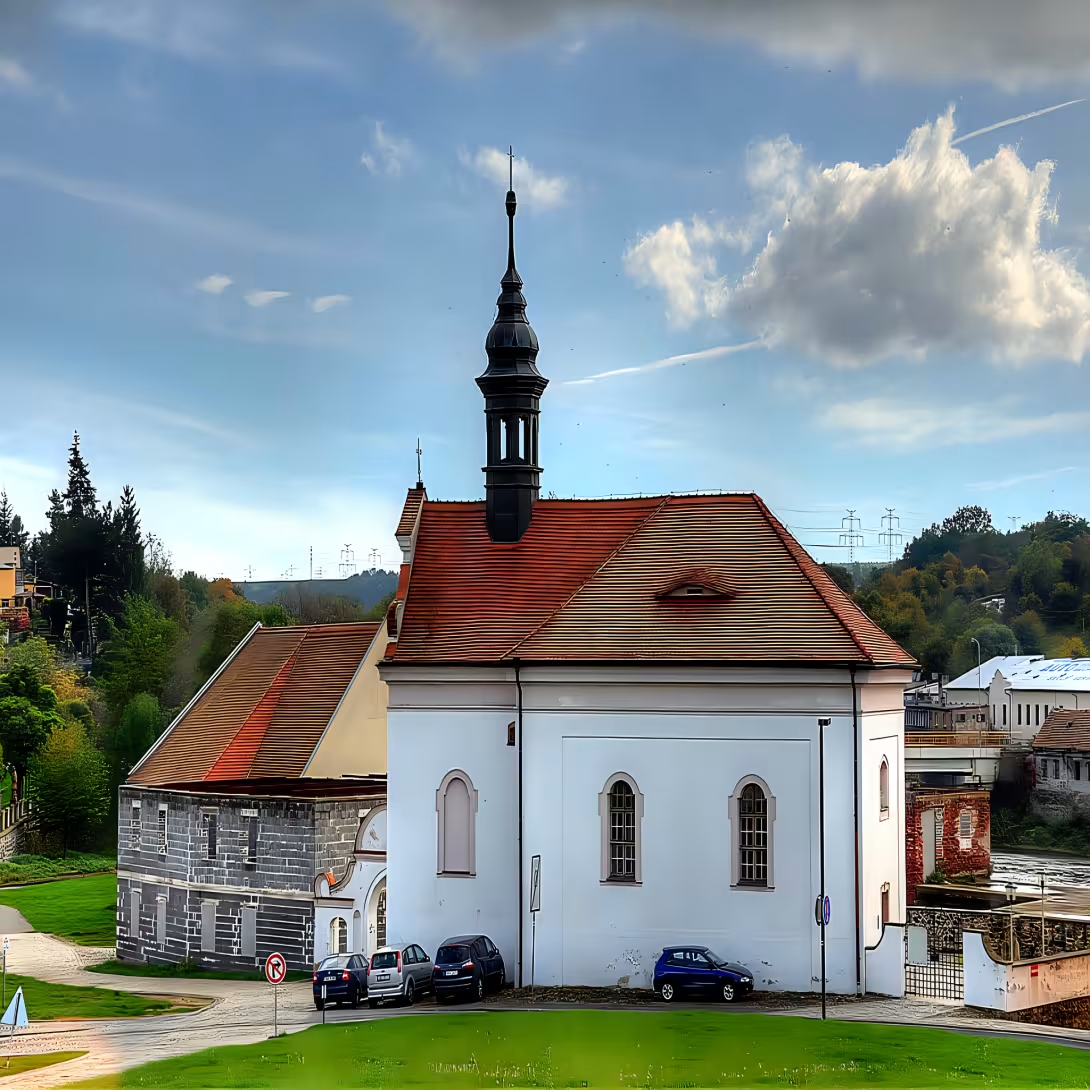
Kostel Stětí svatého Jana Křtitele in Kadaň is a remarkable monument reflecting the region's medieval past. It combines Romanesque origins with Baroque modifications. Situated within Kadaň's historical reservation, this church showcases architectural evolution and centuries of religious and cultural shifts. Its significance stems from its foundation by Duke Frederick for the Knights Hospitaller, highlighting its early importance.
The church dates back to the late 12th century, with references from 1183 and 1186, though these documents were later identified as 13th-century forgeries. They suggest that Duke Frederick granted the site to the Knights Hospitaller, who established a hospital and church dedicated to St. John the Baptist—a typical dedication of this order. Archaeological evidence indicates an even older settlement on the site, dating back to the Neolithic or Eneolithic periods, with remnants from flint knapping activities.
Architecturally, Kostel Stětí svatého Jana Křtitele began as a Romanesque structure. Significant portions of its original masonry are preserved in areas like the quadrangular chancel and southern nave wall. Over time, it underwent numerous transformations, especially during the 15th century when it was rebuilt into a late Gothic form after damage from Hussite attacks in 1421. The church's resilience is evident from multiple reconstructions following fires in 1362, 1421, and 1498, culminating in its Baroque redesign post-1718 restoration.
Ownership of the church has shifted through turbulent historical periods. Initially under the Knights Hospitaller, it served Kadaň's evangelicals from 1539 until being returned to Catholics in the late 16th century. The Thirty Years' War saw another temporary Protestant control before reverting to Catholic hands. Today, it is owned by the Roman Catholic Parish of Kadaň Deanery and managed by the city of Kadaň.
The church's exterior features a robust quadrangular chancel with walls significantly thicker than those of the nave, suggesting a former tower on this side—an architectural element uncommon in Bohemia but influenced by Frankish designs. The eastern gable, adorned with a Baroque pediment and tympanum, houses a niche containing a statue of St. John the Baptist, adding to its distinctive character.
Internally, the church has been fully restored, with wall paintings recreated based on surviving fragments. Both the nave and chancel are vaulted using Czech plackas, maintaining historical design integrity while accommodating modern restoration techniques.
Today, Kostel Stětí svatého Jana Křtitele serves as a place of worship and a cultural venue for events organized by local educational and cultural institutions. Its rich history and architectural beauty make it an essential visit for those exploring the historical landscape of Kadaň.
Visitors are invited to delve into its storied past, appreciating both its resilience through centuries of change and its role in the spiritual life of the region. The church stands as a living testament to the enduring legacy of medieval architecture and religious history in Central Europe.
Then and now
Drag the slider to compare how the landmark may have looked when it was built with the view today.
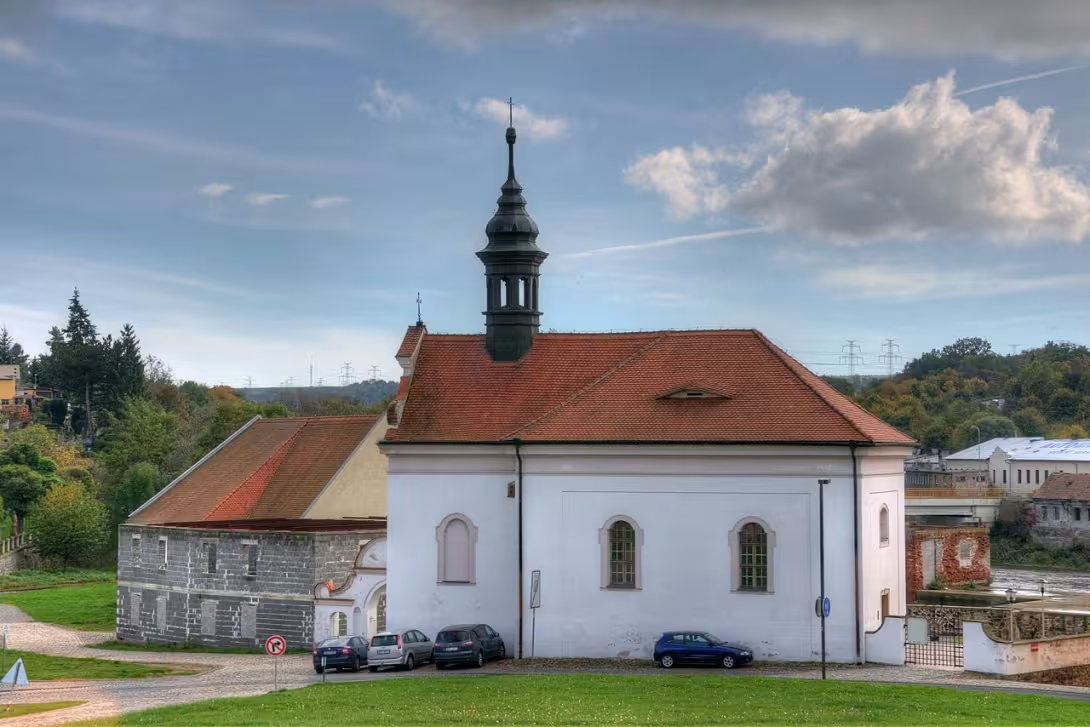
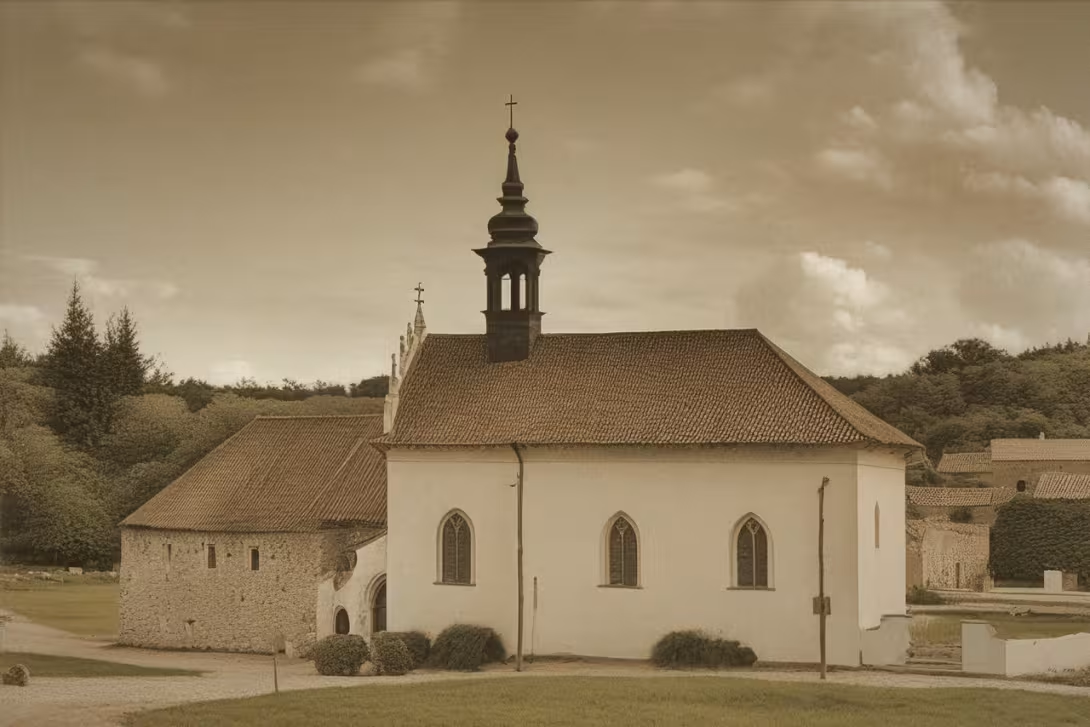
The historical appearance on the left is an AI-generated visualisation and serves as inspiration only.
Historical milestones
- konec 12. století
- Založení kostela Stětí svatého Jana Křtitele.
- 1362
- Kostel poškozen ohněm.
- 1421
- Poškození během husitských útoků.
- 1498
- Kostel poškozen ohněm.
- po 1718
- Barokní přestavba kostela.
Architectural development
Initially constructed as a Romanesque structure in the late 12th century, the church was later modified into its current Baroque form. It has experienced several reconstructions due to fires and wars, with significant restorations occurring after each incident. The church's architecture includes a robust quadrangular chancel and a distinctive eastern gable.
Historical events
In 1421, the church was damaged during a Hussite siege.
The church underwent significant reconstruction in Baroque style after being destroyed by fire multiple times, notably in 1498 and 1811.
Owners
Originally owned by the Knights Hospitaller; used by Kadaň's evangelicals from 1539 until the late 16th century when it was returned to Catholics; during the Thirty Years' War, it was again taken over by Protestants and then reverted back to Catholic ownership. Currently, it is owned by the Roman Catholic Parish of Kadaň Deanery.
Points of interest
- The church's foundation documents from 1183 and 1186 were later exposed as 13th-century forgeries, casting doubt on the precise origins of its establishment by Duke Frederick.
- Archaeological findings reveal that the site of Kostel Stětí svatého Jana Křtitele has been inhabited since Neolithic or Eneolithic times, with evidence of ancient flint knapping activities predating medieval structures.
- The church's quadrangular chancel features walls significantly thicker than those of the nave, hinting at a former tower—a rare architectural feature in Bohemia influenced by Frankish designs.
- After suffering damage from Hussite attacks in 1421 and multiple fires over centuries, the church underwent significant reconstructions, including a transformation into a late Gothic form during the 15th century and a Baroque redesign after restoration efforts post-1718.
- Initially under the Knights Hospitaller's ownership, the church experienced shifts between Protestant and Catholic control throughout history, reflecting broader religious conflicts in Europe, such as those during the Thirty Years' War.
Guide
This guide is narrated by a synthetic voice generated by artificial intelligence.
Show guide text
This text was created by artificial intelligence and has not been editorially reviewed. It may contain inaccuracies.
Welcome to the historic site of Kostel Stětí svatého Jana Křtitele in Kadaň, a remarkable testament to architectural evolution and historical intrigue nestled within the heart of Ústecký kraj. As you stand before this venerable structure, imagine its silhouette against the backdrop of time—a Romanesque church that has gracefully embraced Baroque transformations.
The origins of this sacred edifice trace back to the late 12th century when it was established by Duke Frederick for the Knights Hospitaller, a testament to medieval devotion and strategic alliances. The church’s journey through history is marked by resilience; surviving fires in 1362 and 1498, as well as damage from Hussite attacks in 1421. Each of these events has left an indelible mark on its architecture, culminating in a significant Baroque renovation post-1718.
As you gaze upon the church’s facade, notice how it harmoniously blends Romanesque foundations with Baroque elegance—a dialogue between eras that speaks volumes about the region's rich cultural tapestry. The craftsmanship evident here is not just architectural but also historical, inviting contemplation of the countless individuals who have walked these grounds.
Duke Frederick, a pivotal figure in its foundation, casts a long shadow over this site’s history. Yet, intriguingly, documents claiming to verify his role from 1183 and 1186 were later exposed as forgeries from the 13th century. This revelation adds layers of mystery to our understanding of the church's origins, challenging us to ponder the narratives woven into its very stones.
Moreover, archaeological discoveries have unveiled a deeper past; evidence suggests that the site has been inhabited since Neolithic times. Such findings remind us of the enduring human connection to this land, inviting you to reflect on the countless stories etched into its soil.
As we conclude our journey through time at Kostel Stětí svatého Jana Křtitele, let your imagination wander through the corridors of history that echo with tales of faith, resilience, and mystery. We invite you to continue exploring this remarkable site, each corner revealing more about its storied past.
Thank you for joining us on this auditory exploration. May your visit inspire a deeper appreciation for the layers of history and culture that shape our world. Farewell, until we meet again in another chapter of discovery.
Tips for visitors
The best time to visit Kostel Stětí svatého Jana Křtitele is during the late spring or early fall when the weather is mild, and the natural surroundings are particularly beautiful. Additionally, visiting outside of peak tourist seasons can provide a more tranquil experience, allowing you to appreciate the architectural details without large crowds.
Public transport is accessible as well; visitors can use regional buses that connect to Kadaň from nearby cities.
A camera is essential for capturing the church’s Romanesque and Baroque architectural features. Additionally, carrying a light jacket can be useful as temperatures may vary throughout the day.
For photography enthusiasts, the best spots to capture the essence of Kostel Stětí svatého Jana Křtitele are during the golden hours—shortly after sunrise or before sunset—when natural lighting enhances the church's intricate details. The surrounding landscape also provides a picturesque backdrop for photographs. Be mindful of any restrictions on photography within the church itself.
These attractions provide additional context to the history surrounding the church and are ideal for extending your visit.
Frequently asked questions
Can the monument be visited?
Religious buildings are usually open mainly during services; at other times a visit is normally arranged with the parish or the operator. We have not verified specific times.
Where is the monument?
Location: Kadaň, Ústecký kraj. The map on this page shows the exact spot.
Why is the monument protected?
It is listed in the Central List of Cultural Monuments of the Czech Republic as a cultural monument (register no. 14802/5-928).
Businesses nearby
Do you run a restaurant, accommodation, shop, museum, rental, wellness or other visitor service near this monument? Show yourself directly to the people heading to it — this is how they will see you in the app and on the web:
Nearby
Surrounded by the historical reservation of Kadaň, the church is near other medieval structures and natural features within a five-kilometer radius. The area offers insights into the region's rich cultural heritage.
Accommodation nearby
Themed route
Thematic Walking Tour: Kadaň and Its Medieval Heritage
1. Kostel Stětí svatého Jana Křtitele (Church of the Beheading of Saint John the Baptist)
Type: Historical Church
Why Visit: This stunning church, located in the heart of Kadaň, is a prime example of Gothic architecture with Baroque influences. Its rich history and intricate design make it a must-see for anyone interested in medieval structures. The church's proximity to other historical sites within Kadaň enhances its significance as part of the town’s cultural heritage.
2. Kadaň Historical Reservation
Type: Cultural Heritage Area
Why Visit: Explore the surrounding area that is designated as a historical reservation, where you can immerse yourself in the medieval atmosphere of Kadaň. This zone offers an authentic glimpse into the past with its preserved structures and ambiance, providing context to the church's architectural style and historical importance.
3. Kadaň Old Town
Type: Historic Urban Area
Why Visit: A short walk from the church, the old town of Kadaň is filled with charming medieval buildings that tell tales of centuries past. Wandering through its narrow streets offers a tangible connection to history and showcases the architectural evolution over time.
4. Kadaň Town Hall
Type: Historical Building
Why Visit: Located within walking distance from the church, Kadaň’s town hall is an impressive example of Renaissance architecture. Its historical significance as a center of local governance adds depth to your understanding of Kadaň's development and cultural heritage.
5. Kadaň Market Square
Type: Historic Public Space
Why Visit: Conclude your tour at the vibrant market square, which has been a focal point for community life in Kadaň since medieval times. The square offers an excellent vantage point to appreciate the town's architectural beauty and serves as a reminder of its rich historical narrative.
This thematic walking tour provides a comprehensive exploration of Kadaň’s medieval heritage, allowing visitors to delve into the history and culture that define this enchanting region.
Seasonal recommendations
Spring: Visiting the Church of St. John the Baptist in Kadaň during spring offers a unique experience as nature awakens around this historic site. The surrounding landscape is adorned with blooming flowers and lush greenery, creating a vibrant backdrop that enhances the church's architectural beauty. This season often brings mild temperatures, making it comfortable for exploration without heavy clothing. However, be prepared for occasional rain showers, which can add to the picturesque charm of the area but may also require waterproof gear or an umbrella. Spring is generally less crowded than summer, offering a more serene atmosphere for visitors who appreciate tranquility.
Summer: Summer at the Church of St. John the Baptist in Kadaň is characterized by long daylight hours and warm weather, making it ideal for enjoying outdoor activities around the site. The lush greenery and vibrant flowers are at their peak, providing a stunning natural setting that complements the historic architecture. This season attracts more visitors due to its favorable conditions, so arriving early can help avoid larger crowds. Light, breathable clothing is recommended to stay comfortable in the heat. Additionally, carrying water and sun protection is advisable to ensure an enjoyable visit during the warmer months.
Autumn: Autumn transforms the Church of St. John the Baptist in Kadaň with a stunning display of fall colors as the leaves change from green to vibrant hues of orange, red, and yellow. This picturesque setting creates a warm and inviting atmosphere that enhances the historic charm of the church. The cooler temperatures make for pleasant walking conditions, but it's wise to bring layers or a light jacket in case of chilly breezes. Autumn is a popular time for visitors who enjoy nature photography, so while there may be some crowds during peak weekends, weekdays offer a quieter experience.
Winter: Winter at the Church of St. John the Baptist in Kadaň presents a serene and magical atmosphere as snow blankets the landscape, adding a touch of enchantment to the historic site. The church's architecture stands out beautifully against the white backdrop, creating memorable photo opportunities. Visitors should dress warmly in layers and wear sturdy footwear suitable for potentially icy conditions. Winter days are shorter, so planning your visit to take advantage of daylight hours is important. While fewer tourists venture out during this season, it offers a peaceful experience with minimal crowds, allowing for a more intimate exploration of the church's history and architecture.
Visualizations and artistic views


The visualisations are generated by artificial intelligence and serve as inspiration.
Photos from the area
Real photos taken near the monument


Zdroj a licence jsou uvedeny u každého snímku.
Atmosphere of the place
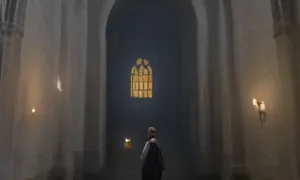
This atmospheric visualisation of the place and period was generated by artificial intelligence. It is not real footage of the location.
Tips from visitors
No tips yet. Be the first!
Log in and add your tip.
Sources and literature
Photos: Lukáš Kalista / CC BY-SA 4.0, rozlišení zvýšeno umělou inteligencí — Wikimedia Commons. The author and licence also appear when you hover over the image.
Faktickým podkladem tohoto textu byl článek na Wikipedii, jehož autory jsou přispěvatelé Wikipedie. Článek je dostupný pod licencí CC BY-SA 4.0.
Location on the map
More monuments – Kadaň
Show all in the municipality
Příběhy a pověsti
Legendy, pověsti a příběhy spjaté s touto památkou
Fotografie návštěvníků
Zatím žádné fotografie. Buďte první, kdo přidá fotografii z návštěvy!
Log in a přidejte svou fotografii nebo hodnoťte.
Za ověřenou návštěvu v aplikaci získáte víc bodů — poznáme podle GPS, že jste na místě.
Reviews and comments