



kostel sv. Josefa Kalasanského Church
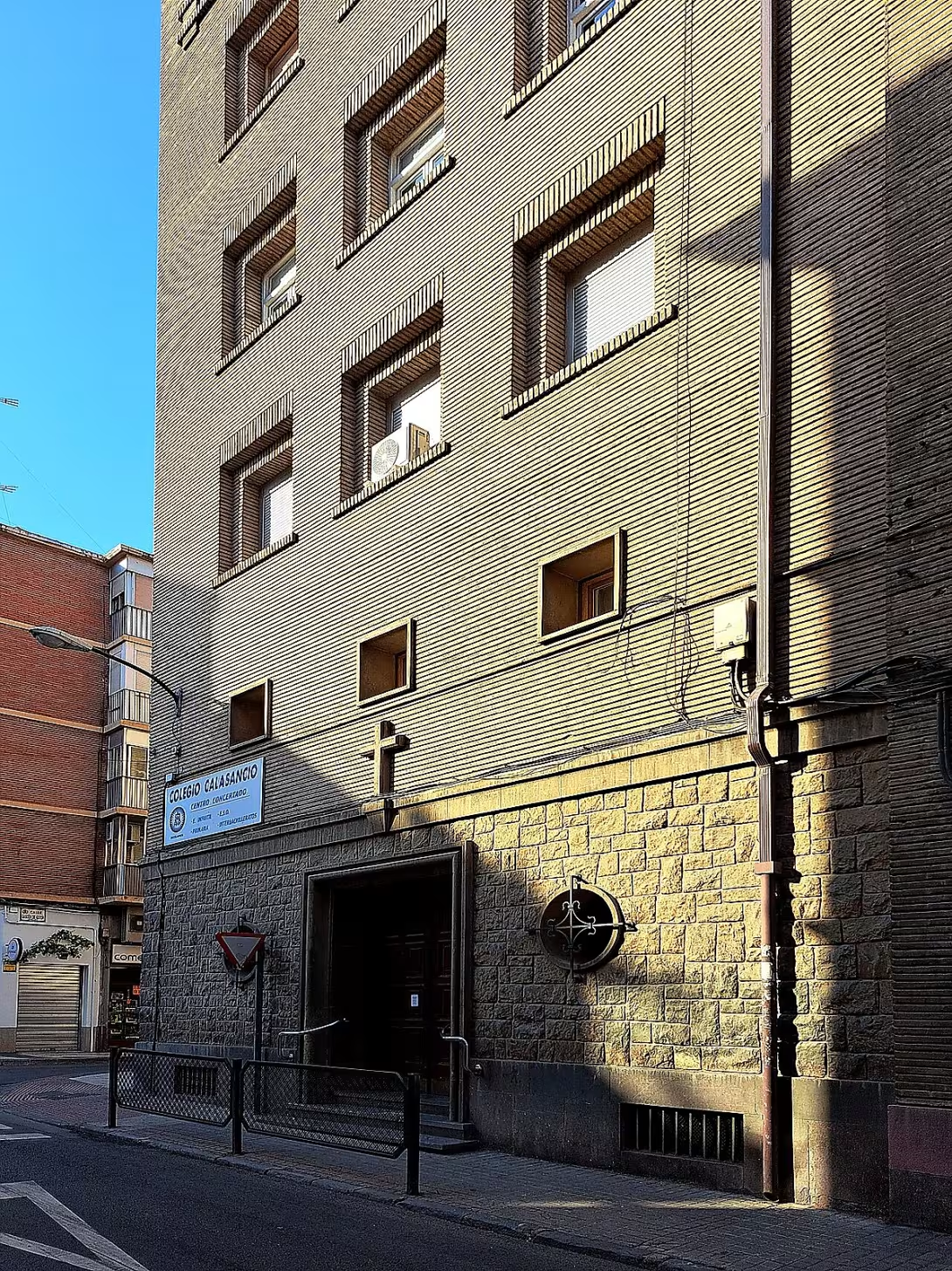
Objekt se nedochoval — na místě dnes nestojí. Následující text popisuje jeho historii, ne současnou návštěvu.
The Church of Saint Joseph Calasanctius in Moravská Třebová is a notable historical monument that once stood at the intersection of Lanškrounská and Olomoucká streets. Originally constructed as a hospital chapel for St. Lazarus between 1398 and 1408, it underwent several transformations over the centuries. By the late 18th century, it had been converted into a church dedicated to Saint Joseph Calasanctius. The building was rebuilt in a neo-Gothic style between 1890 and 1894. It served various purposes until its demolition in 1977 for urban development.
The origins of this monument trace back to the late Middle Ages when Moravská Třebová was part of the Kingdom of Bohemia, experiencing significant socio-political changes. The chapel for St. Lazarus was initially constructed between 1398 and 1408. By 1541, it had been rebuilt into a hospital church, reflecting the evolving needs and influences of the time. In 1765, the Piarists took over management of the building, establishing their college there and later transforming it into a gymnasium in 1804.
Architecturally, the Church of Saint Joseph Calasanctius underwent significant changes throughout its history. Initially built as a chapel for St. Lazarus, it was transformed into a hospital church by 1541. The neo-Gothic reconstruction between 1890 and 1894 marked its final architectural phase before demolition. This style included features such as an arched portál on the western façade, statues of sv. Severína and sv. Bonifáce, a rose window, finials in the corners, and a high steeple that contributed to the cityscape.
Ownership and administration of the church saw dramatic changes over time. Initially managed by the Lazarites, it was taken over by the Piarists in 1765. The building later became a gymnasium in 1804. After World War II, it served various secular purposes until its demolition in 1977 for urban development.
Key events in the church's history include its rededication to Saint Joseph Calasanctius in 1777 and the confiscation of its bells during World War I in 1917. The church continued to serve religious functions until 1940 when Nazis prohibited services, repurposing it as a storage facility. After World War II, it briefly served as an internment site for Germans before being demolished in 1977.
Today, the original church no longer stands, but its memory is preserved through a memorial corner with concrete blocks symbolizing pews and a fragment of the original building. This commemorative site was ceremonially unveiled on November 17, 2024, serving as a poignant reminder of the church's historical significance.
The Church of Saint Joseph Calasanctius holds value not only for its architectural transformations but also for its reflection of the socio-political and religious changes in Moravská Třebová over centuries. Visitors to the memorial corner can appreciate the enduring legacy of this once-prominent monument, offering a glimpse into the rich history of the region.
Then and now
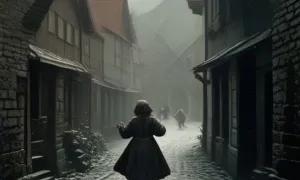
Drag the slider to compare how the landmark may have looked when it was built with the view today.
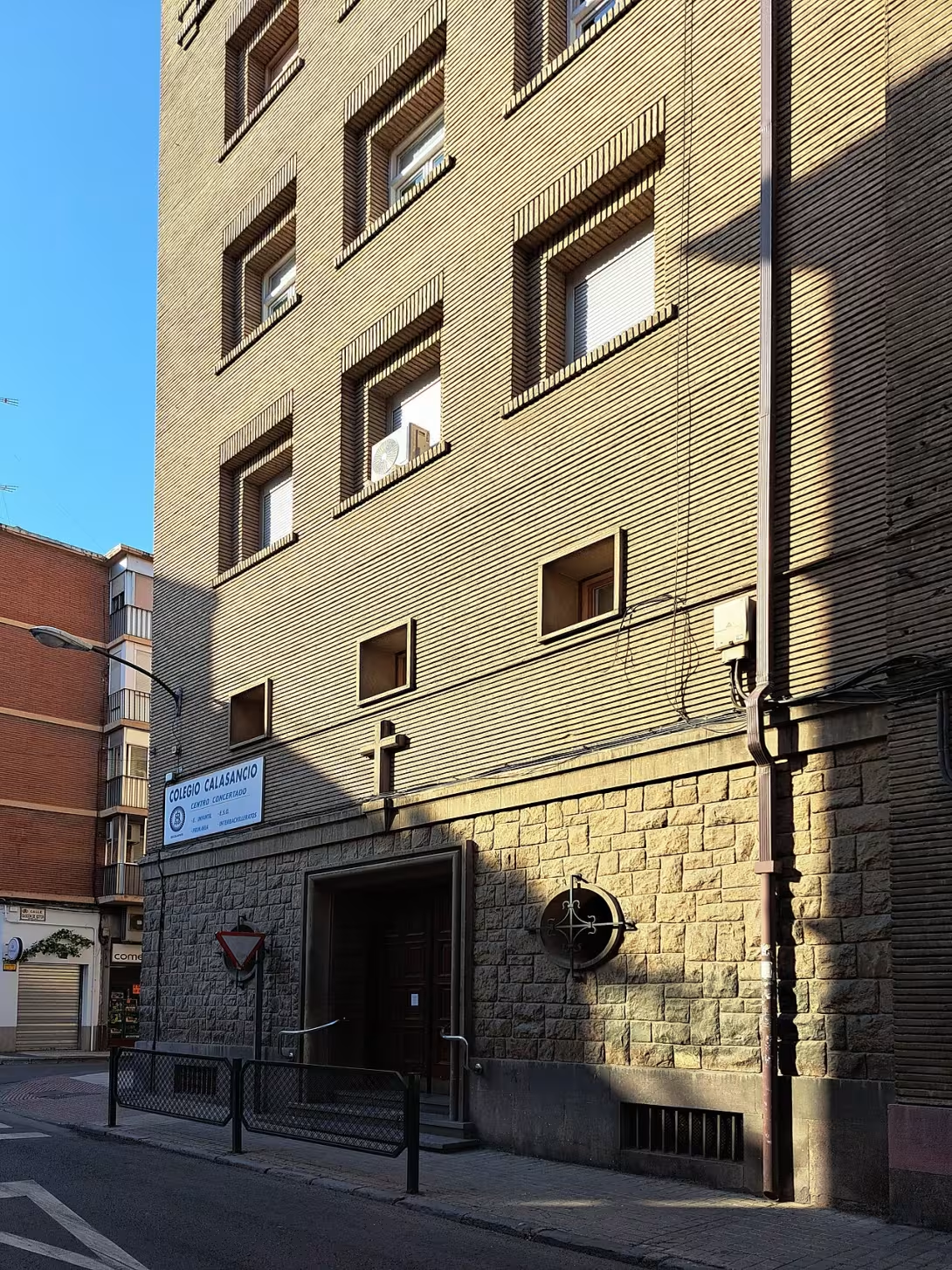
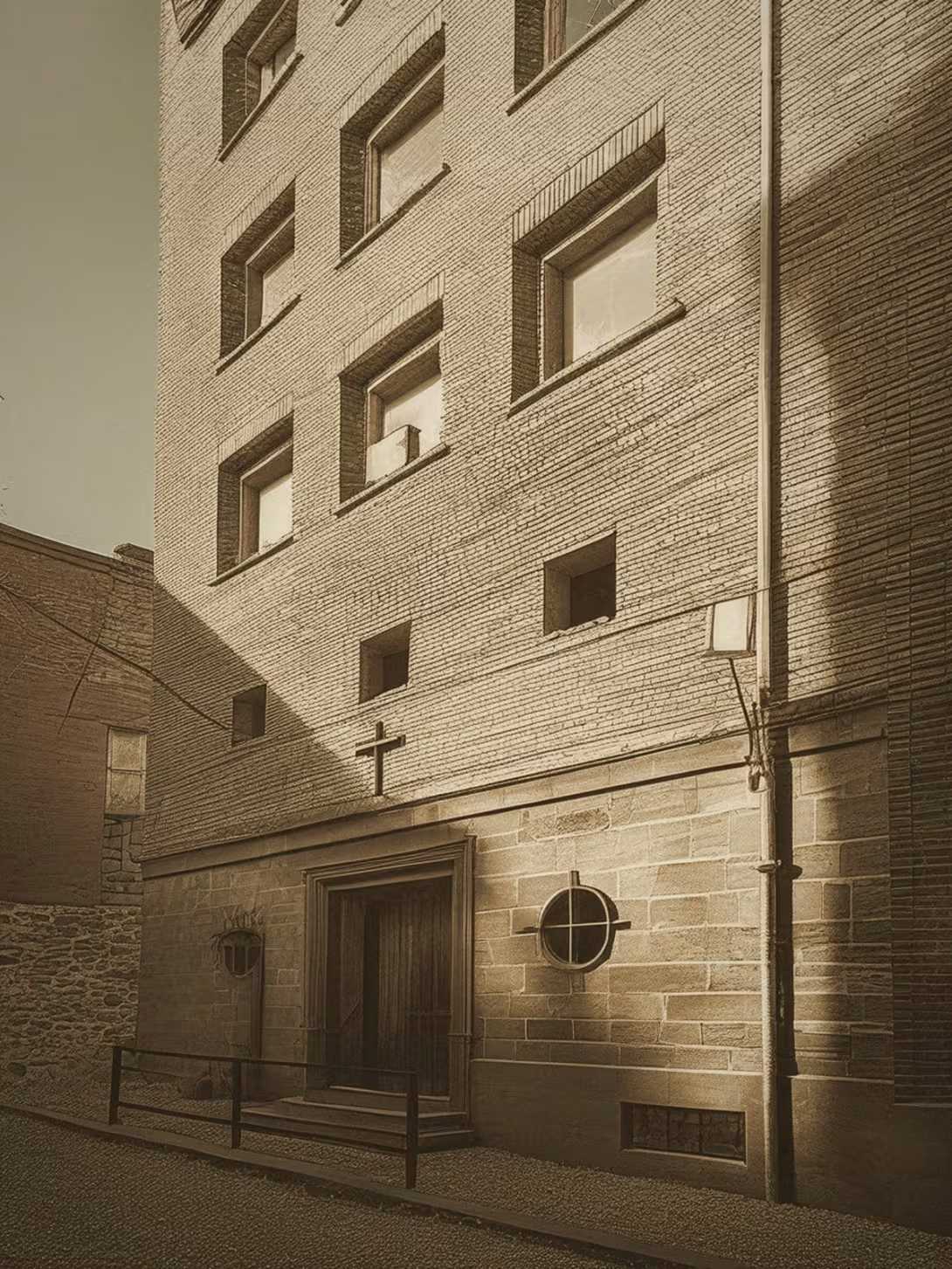
The historical appearance on the left is an AI-generated visualisation and serves as inspiration only.
Historical milestones
- 1398
- Construction of the hospital chapel for St. Lazarus began.
- 1408
- Completion of the hospital chapel for St. Lazarus.
- 1541
- The chapel was rebuilt into a hospital church.
- 1765
- The Piarists took over management of the church.
- 1777
- Rededication to Saint Joseph Calasanctius.
- 1890-1894
- Neo-Gothic reconstruction of the church.
- 1917
- Confiscation of the church's bells during World War I.
- 1977
- Demolition of the church for urban development.
Architectural development
Initially constructed as a chapel for St. Lazarus, the building underwent significant changes over time. It was transformed into a hospital church by 1541 and later became associated with the Piarists in 1765. The neo-Gothic reconstruction between 1890-1894 marked its final architectural phase before demolition.
Historical events
The chapel was rebuilt into a hospital church between 1541 and 1765.
In 1777, the church was rededicated to Saint Joseph Calasanctius.
During World War I in 1917, the church's bells were confiscated.
The church was demolished in 1977 for urban development.
Owners
Initially managed by the Lazarites, the church was taken over by the Piarists in 1765 who established their college there. The building later became a gymnasium in 1804. After World War II, it served various secular purposes until its demolition.
Points of interest
- The Church of Saint Joseph Calasanctius was originally constructed as a chapel for St. Lazarus, reflecting the medieval practice of associating chapels with hospitals or care facilities for specific groups like lepers.
- In 1917, during World War I, the church's bells were confiscated by occupying forces, a common wartime measure to prevent their use in signaling or rallying efforts against occupiers.
- After World War II, the building served as an internment site for Germans, illustrating its role in the turbulent socio-political landscape of post-war Europe and the shifting uses of religious buildings during times of conflict.
- The neo-Gothic style reconstruction between 1890 and 1894 was a revivalist architectural movement that sought to bring back medieval Gothic elements, reflecting broader European trends in architecture at the time.
- Despite its demolition in 1977 for urban development, the church's legacy is preserved through a memorial corner with concrete blocks symbolizing pews, serving as a poignant reminder of its historical significance and the impact of modernization on cultural heritage.
Guide
This guide is narrated by a synthetic voice generated by artificial intelligence.
Show guide text
This text was created by artificial intelligence and has not been editorially reviewed. It may contain inaccuracies.
Welcome to the historical site of the Church of Saint Joseph Calasanctius in Moravská Třebová, a remarkable testament to centuries of architectural and cultural evolution. As you stand here at the intersection of Lanškrounská and Olomoucká streets, imagine the layers of history that envelop this site.
The story begins in 1398 when construction commenced on what was originally a hospital chapel dedicated to St. Lazarus. By 1408, this modest structure was completed, serving as a spiritual haven for those seeking care. The chapel's purpose evolved over time, reflecting the changing needs and influences of its community. In 1541, it underwent significant reconstruction into a hospital church, indicating its enduring role in providing solace to the sick.
Fast forward to the late 18th century when the Piarists took stewardship of this sacred space. Their influence marked a pivotal transformation; by 1777, the chapel was rededicated to Saint Joseph Calasanctius, an educator and founder of the Piarist order known for his dedication to teaching children from impoverished backgrounds.
As you look around now, notice how the church's architecture has been shaped by its diverse history. The most recent transformation occurred between 1890 and 1894 when it underwent a neo-Gothic reconstruction, adding layers of intricate detail that reflect both innovation and reverence for tradition. While specific architectural details remain elusive due to unknown architects, the overall structure speaks volumes about its storied past.
Throughout its existence, this church has been more than just a building; it's a tapestry woven with stories and lives intertwined with its walls. Though many historical figures associated with its history remain unnamed, their contributions have left an indelible mark on this sacred site.
Here’s an intriguing tidbit to ponder: originally constructed as a chapel for St. Lazarus, the church was part of a medieval tradition linking chapels to hospitals or care facilities, often serving specific groups like lepers. This connection underscores its role not just as a place of worship but also as a sanctuary for healing and compassion.
Imagine now, in 1917 during World War I, when the church's bells were confiscated by occupying forces—a poignant reminder of how even sacred spaces are not immune to the tides of history.
As you continue your exploration, take a moment to absorb the atmosphere around you. Reflect on the layers of transformation and resilience that have shaped this site over centuries. Each stone tells a story, inviting you to delve deeper into its rich tapestry.
Thank you for joining us on this journey through time at the Church of Saint Joseph Calasanctius. We hope you leave with a greater appreciation for its historical significance and the stories it continues to tell. May your visit inspire further exploration and discovery in Moravská Třebová and beyond.
Businesses nearby
Do you run a restaurant, accommodation, shop, museum, rental, wellness or other visitor service near this monument? Show yourself directly to the people heading to it — this is how they will see you in the app and on the web:
Visualizations and artistic views


The visualisations are generated by artificial intelligence and serve as inspiration.
Photos from the area
Real photos taken near the monument

Zdroj a licence jsou uvedeny u každého snímku.
Tips from visitors
No tips yet. Be the first!
Log in and add your tip.
Sources and literature
Faktickým podkladem tohoto textu byl článek na Wikipedii, jehož autory jsou přispěvatelé Wikipedie. Článek je dostupný pod licencí CC BY-SA 4.0.
Location on the map

Příběhy a pověsti
Legendy, pověsti a příběhy spjaté s touto památkou
Fotografie návštěvníků
Zatím žádné fotografie. Buďte první, kdo přidá fotografii z návštěvy!
Log in a přidejte svou fotografii nebo hodnoťte.
Za ověřenou návštěvu v aplikaci získáte víc bodů — poznáme podle GPS, že jste na místě.
Reviews and comments