






kostel svatého Josefa (Předměstí) Church
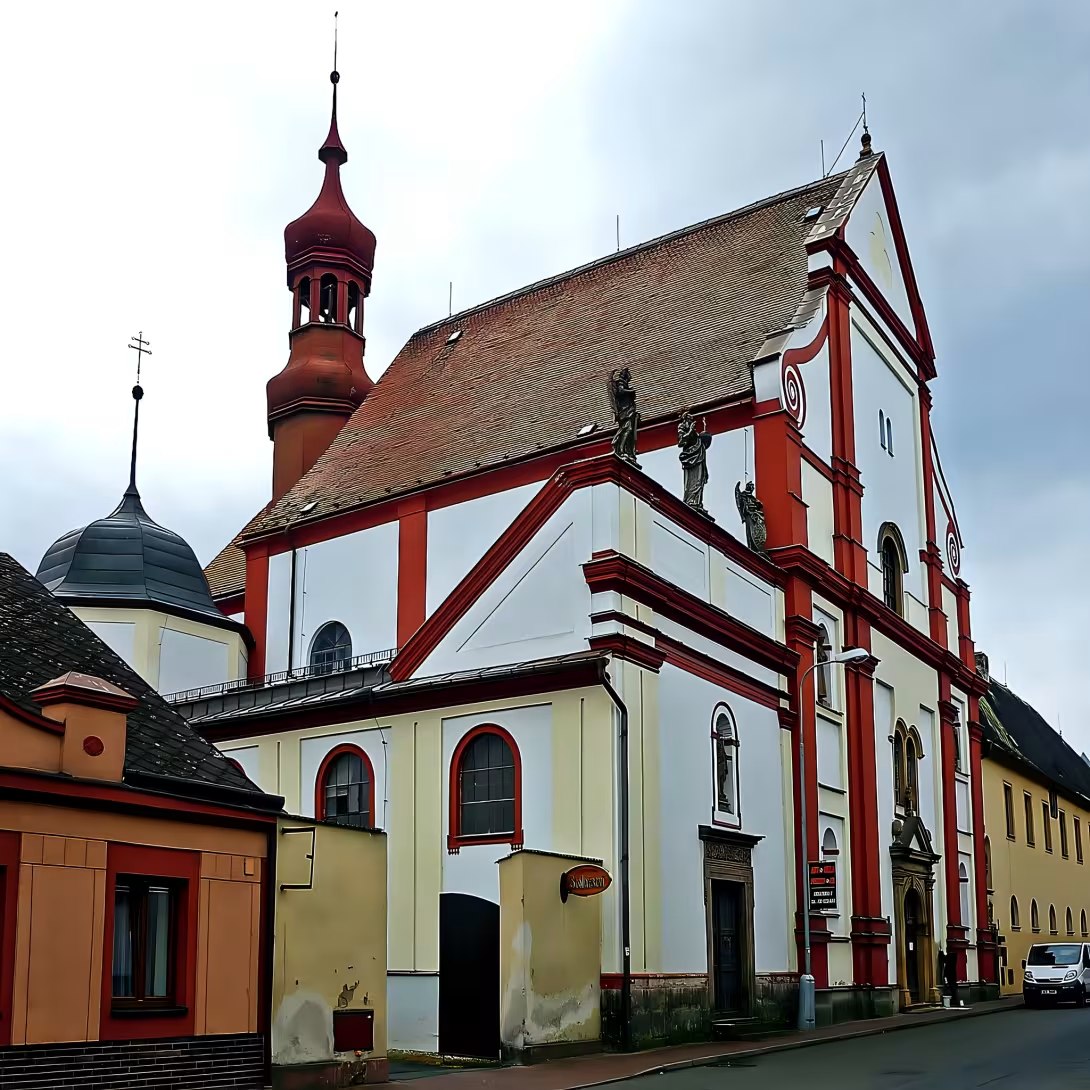
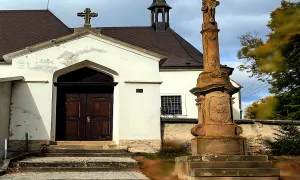
The Church of Saint Joseph in Předměstí stands as a notable Baroque architectural gem constructed between 1680 and 1690 by Italian architect Jacopo Brascha. Located on Svitava Street, historically significant for its role as a main route from Svitavy to Moravská Třebová's Upper Gate, the church is part of a Franciscan monastery complex initiated at the behest of Prince Karl Eusebius von Liechtenstein and Bernard Sannig. This site reflects broader Counter-Reformation efforts across Europe during Habsburg rule in Bohemia to reinforce Catholicism.
The origins of this monument trace back to 1678 when Bernard Sannig, acting on a request from Prince Karl Eusebius von Liechtenstein, initiated the establishment of a Franciscan monastery in Moravská Třebová. The church and its accompanying monastery were constructed as part of these religious efforts, with Jacopo Brascha overseeing their design and construction. By 1680, the foundation stone was laid, marking the beginning of this significant architectural project that would be completed by 1690.
Architecturally, the Church of Saint Joseph is characterized by its single-nave, non-orientated structure reminiscent of the austere designs typical of the Capuchin order during the Baroque period. The church features a rectangular presbytery and an octagonal sacristy that houses a library on its upper floor. Decorative elements include Tuscan columns, lunettes, and frescoes from the secessionist period. Originally featuring early Baroque furnishings, the church underwent significant changes in the mid-18th century and again at the end of the 19th century.
Throughout its history, the church has experienced dramatic shifts in ownership and purpose. In 1784, there was a threat to suppress the monastery, which eventually led to its official dissolution as a monastery in 1942. Subsequently, it served various secular purposes until the early 1990s when the Franciscans returned. The interior of the church is adorned with significant artworks, including a main altar featuring an image of Saint Joseph, Saint Florian, and Saint Anthony of Padua, alongside sculptures such as that of Saint Francis. Other notable pieces include altars dedicated to Saints Antonius, Kříž, Jan Nepomucký, and Anna, with works attributed to artists like J. Bachlehner and Josef Ignác Sattler.
Today, the Church of Saint Joseph remains an active site for religious services conducted by Franciscan friars. Visitors are welcome during these services, offering a unique opportunity to experience this historical monument's spiritual and architectural heritage. Its significance lies not only in its Baroque architecture but also in its role within the broader narrative of European religious history.
The Church of Saint Joseph is more than just an architectural marvel; it is a testament to the enduring legacy of faith and resilience through centuries of change. Visitors are encouraged to explore this historic site, where they can appreciate both its spiritual significance and Baroque artistry.
Then and now
Drag the slider to compare how the landmark may have looked when it was built with the view today.
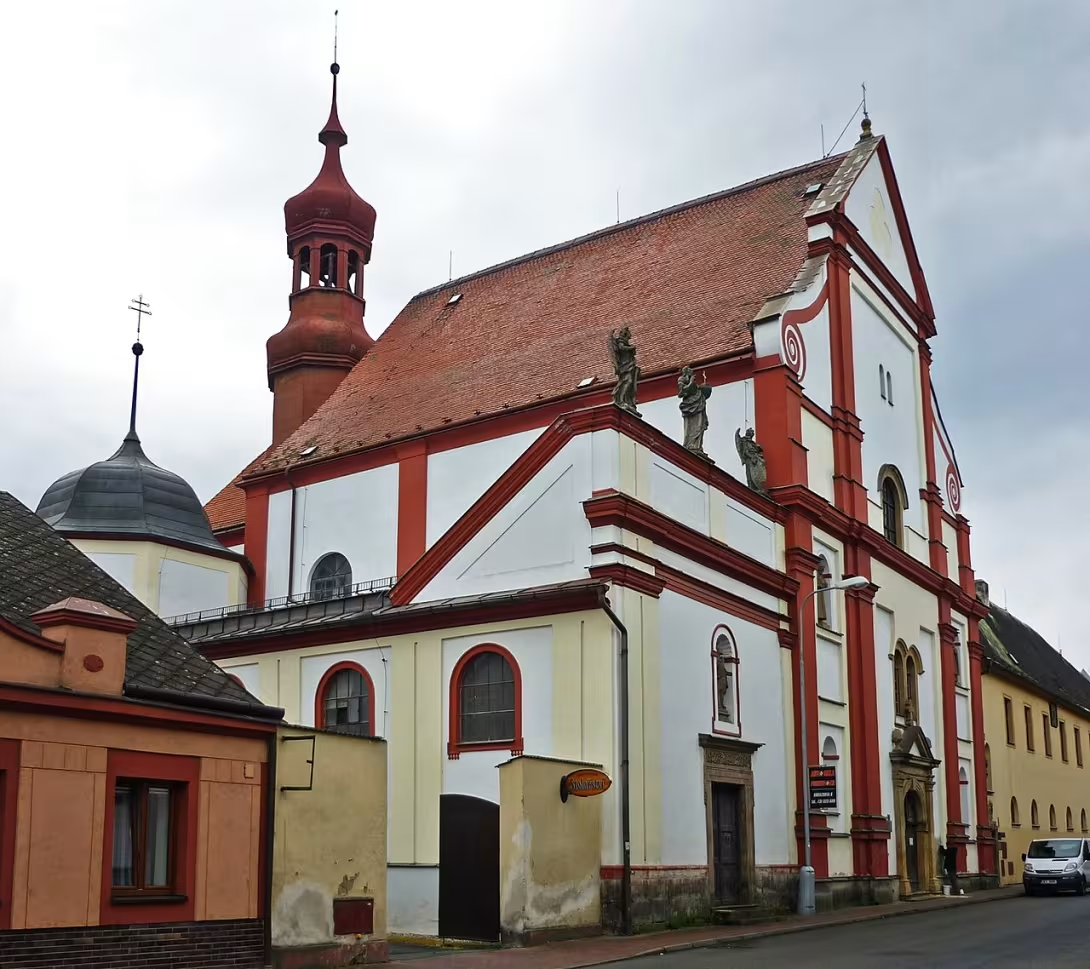
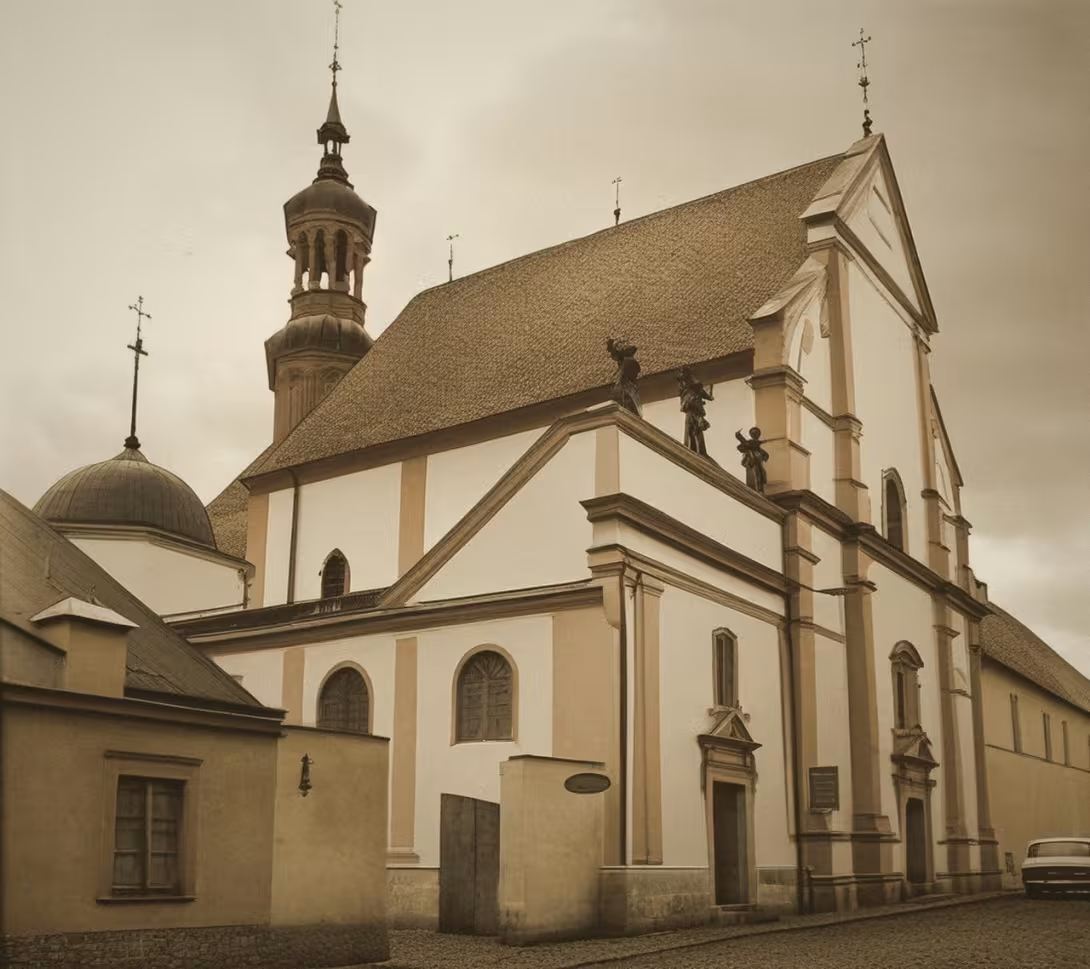
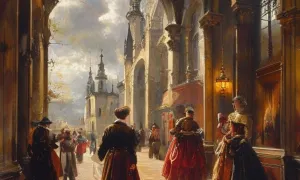
The historical appearance on the left is an AI-generated visualisation and serves as inspiration only.
Historical milestones
- 1678
- Bernard Sannig initiated the establishment of a Franciscan monastery.
- 1680
- Foundation stone laid for Church of Saint Joseph and monastery.
- 1690
- Completion of the Church of Saint Joseph and monastery construction.
- 1784
- Threat to suppress the monastery.
- 1942
- Official dissolution of the monastery.
Architectural development
Originally featuring early baroque furnishings, the church underwent significant changes in the mid-18th century and again at the end of the 19th century. The structure is characterized by its single-nave design with a rectangular presbytery and an octagonal sacristy housing a library on the upper floor. Decorative elements include toscan columns, lunettes, and frescoes from the secessionist period.
Historical events
In 1678, Bernard Sannig initiated the establishment of a Franciscan monastery in Moravská Třebová at the request of Prince Karl Eusebius von Liechtenstein.
The church and monastery faced suppression in 1784 but were officially dissolved as a monastery in 1942, later serving various secular purposes until the return of the Franciscans in the early 1990s.
Points of interest
- The Church of Saint Joseph's construction was part of a broader Counter-Reformation effort to reinforce Catholicism during Habsburg rule in Bohemia, reflecting the political and religious dynamics of 17th-century Europe.
- Despite its initial role as a Franciscan monastery, the site faced suppression threats in 1784 and was officially dissolved as a monastery in 1942, illustrating the shifting religious policies over centuries before being reclaimed by the Franciscans in the early 1990s.
- The church's interior includes artworks attributed to notable artists like J. Bachlehner and Josef Ignác Sattler, highlighting its cultural significance beyond architectural beauty through contributions from prominent Baroque-era painters and sculptors.
- Originally featuring early Baroque furnishings, the Church of Saint Joseph underwent significant stylistic transformations in the mid-18th century and again at the end of the 19th century, showcasing evolving artistic trends within a single religious structure.
- The church's location on Svitava Street, historically a main route from Svitavy to Moravská Třebová's Upper Gate, underscores its strategic importance in connecting regions during its time and adds historical context to its architectural legacy.
Guide
This guide is narrated by a synthetic voice generated by artificial intelligence.
Show guide text
This text was created by artificial intelligence and has not been editorially reviewed. It may contain inaccuracies.
The Church of Saint Joseph was built between 1680 and 1690 together with a Franciscan monastery, that is, the Order of the Lesser Brothers. It stands on Svitavská Street, which was once the main route from Svitava to the Upper Gate of Moravská Třebová.
The Franciscans were invited to the city in 1678 by the owner of the estate, Prince Charles Eusebius of Liechtenstein. The provincial Bernard Sannig gave the impetus for this. The city measured out a plot of land for the brothers that was one hundred paces long and seventy-four paces wide. The construction was led by the Italian architect Jacopo Brascha and the foundation stone was laid in 1680. The fate of the church was always connected with the adjacent monastery. It was threatened with closure as early as 1784. However, it was not closed until 1942, when it served as a tavern. It did not serve its purpose during the years 1950 to 1990 either. Since the beginning of the nineties, the brothers have returned to it.
The church reminds us of the austere Baroque buildings of the Capuchins. It is single-aisle and is not oriented to the east. The church is entered through a portal with Tuscan pilasters and the date 1690. Above it are two semicircular windows and in the façade two niches with statues of saints. The gable above the main cornice ends with a triangular superstructure. The nave is vaulted with a barrel vault and lunettes and on the sides it has four shallow chapels. The triumphal arch separates it from a rectangular presbytery. An octagonal sacristy adjoins the presbytery, and on its floor is the monastery library. From the east, a chapel of Saint Peter in Chains from 1712 is attached to the church.
The originally early Baroque furnishings underwent two major transformations, in the fifties of the eighteenth century and at the end of the nineteenth century. The wall painting with ornaments and figural medallions belongs to decorative Art Nouveau. The main altar with a painting of Saint Joseph and a statue of Saint Francis dates from the nineteenth century. Older are the statues on it attributed to Jan Sturmer: Saint Joachim, Saint Anne and also the Bishop and Moses as symbols of the New and Old Testament.
The altars of Saint Anthony and the Holy Cross are in the Neobaroque style. The paintings on them were created by Bachlehner, whose signature with the year 1897 is on the painting in the sacristy. The altars of Saint John of Nepomuk and Saint Anne were created around 1760. Their paintings are attributed to Joseph Ignaz Sattler and their replicas are in the Church of Saint John the Baptist in Křenov.
The church continues to serve religious services led by the Franciscans.
Tips for visitors
The best time to visit the Church of Saint Joseph in Předměstí is during late spring or early autumn. During these seasons, you'll enjoy mild weather that's perfect for exploring both indoors and outdoors without the crowds typical of summer months. Additionally, the natural light enhances the baroque architecture, making it ideal for photography enthusiasts.
Visitors are encouraged to use public transportation or park in nearby areas outside the immediate vicinity of the church and walk from there.
When visiting, it's advisable to bring comfortable walking shoes as you'll likely explore both the church and its surroundings. A camera or smartphone is recommended to capture the intricate details of the baroque architecture. Additionally, consider bringing water and snacks if planning an extended visit, especially during warmer months.
For photography enthusiasts, early morning light offers a soft glow that beautifully illuminates the church's facade and interior. Try capturing images from the entrance on Svitava Street for a classic shot or venture inside to photograph the altar and frescoes. The surrounding landscape also provides picturesque backdrops for photos.
Within a 30-minute drive from Předměstí, visitors can explore other historical sites that enrich the cultural tapestry of the region. These include additional baroque churches and remnants of the Franciscan monastery complex associated with the Church of Saint Joseph. Each site offers unique insights into the area's rich history and architectural heritage.
Families with children will find the church and its surroundings to be a pleasant day out. The open spaces around Svitava Street are great for a leisurely walk, while the historical significance of the church can spark interest in local history among young visitors. Be sure to check if there are any interactive tours or activities available that cater specifically to families.
Frequently asked questions
Can the monument be visited?
Religious buildings are usually open mainly during services; at other times a visit is normally arranged with the parish or the operator. We have not verified specific times.
Where is the monument?
Location: Předměstí, Pardubický kraj. The map on this page shows the exact spot.
Why is the monument protected?
It is listed in the Central List of Cultural Monuments of the Czech Republic as a cultural monument. It is protected as part of a larger listed ensemble.
Businesses nearby
Do you run a restaurant, accommodation, shop, museum, rental, wellness or other visitor service near this monument? Show yourself directly to the people heading to it — this is how they will see you in the app and on the web:
Nearby
Located on Svitava Street, historically a main route from Svitavy to Moravská Třebová's Upper Gate, the church is part of a landscape that includes other historical sites within a 5 km radius.
Accommodation nearby
Themed route
Tematická výletní trasa: Historická cesta po Svitavě
1. Kostel svatého Josefa (Předměstí)
Typ: Kostel
Proč stojí za návštěvu: Tento kostel, nacházející se na ulici Svitava, je klíčovou historickou památkou obce Předměstí. Sloužil jako duchovní centrum pro místní komunitu a je připomínkou dlouhé tradice náboženského života v této oblasti. Jeho architektura odráží historický vývoj regionu, což jej činí nezbytným prozkoumat.
2. Historická ulice Svitava
Typ: Historická cesta
Proč stojí za návštěvu: Ulice Svitava byla důležitým spojením mezi Svitavy a Moravskou Třebovou, což ji činí živou památkou minulých dob. Procházka po této ulici nabídne pohled na historické budovy a architekturu, která vypráví příběhy o dřívějším obchodu a cestování v regionu.
3. Moravská Třebová's Upper Gate
Typ: Historické místo
Proč stojí za návštěvu: I když je blíže než 5 km od Předměstí, Moravská Třebová's Upper Gate byla součástí důležitého historického spojení. Sloužila jako vstup do města a představuje klíčový prvek obchodních a obranných cest, které formovaly regionální historii.
Tato trasa nabízí pohled na bohatou historii a architekturu Předměstí a okolí. Prozkoumejte tyto místa pro hlubší porozumění minulosti tohoto fascinujícího regionu.
Seasonal recommendations
Spring: Visiting the Church of Saint Joseph during spring offers a unique experience as nature awakens around this historic site. The blooming flowers and lush greenery create a vibrant backdrop, enhancing the serene atmosphere of the church. This season is ideal for photography enthusiasts who wish to capture the interplay between architecture and natural beauty. Visitors should wear comfortable walking shoes suitable for exploring the surrounding gardens or pathways. Although crowds are generally manageable, arriving early in the morning can provide a more peaceful experience before larger groups gather.
Summer: Summer at the Church of Saint Joseph is characterized by long daylight hours and warm weather, making it perfect for leisurely visits. The church's architecture is beautifully illuminated during these months, casting dramatic shadows that add depth to its historic façade. However, this is also peak tourist season, so expect larger crowds. To avoid the midday heat and ensure a more enjoyable visit, consider arriving early in the morning or later in the afternoon. Light, breathable clothing and sun protection are recommended for comfort during your exploration of this iconic landmark.
Autumn: Autumn brings a magical transformation to the Church of Saint Joseph with its rich palette of reds, oranges, and yellows enveloping the surrounding landscape. The cooler temperatures make it an ideal time for walking tours around the area, allowing visitors to fully appreciate the changing scenery. This season offers a more tranquil atmosphere compared to summer, as visitor numbers tend to decrease. Dress in layers to accommodate the fluctuating weather, and bring along a light jacket or sweater to stay comfortable during your visit.
Winter: Winter at the Church of Saint Joseph presents a serene and picturesque setting, with snow often blanketing the area and adding a touch of enchantment to its historic architecture. The shorter daylight hours mean that visits may be more intimate, with fewer tourists around to disturb the peaceful ambiance. However, it's important to dress warmly in layers and wear sturdy boots for navigating potentially icy paths. The church may have limited opening times during this season, so checking ahead is advisable to ensure access during your visit.
Visualizations and artistic views


The visualisations are generated by artificial intelligence and serve as inspiration.
Photos from the area
Real photos taken near the monument


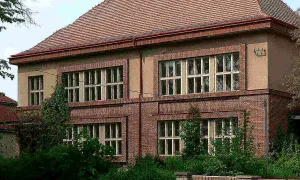
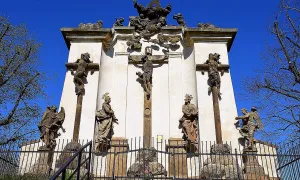
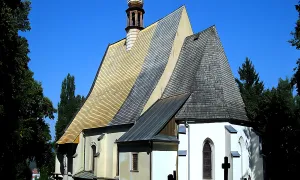
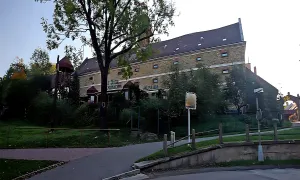
Zdroj a licence jsou uvedeny u každého snímku.
Atmosphere of the place
This atmospheric visualisation of the place and period was generated by artificial intelligence. It is not real footage of the location.
Tips from visitors
No tips yet. Be the first!
Log in and add your tip.
Sources and literature
Photos: SchiDD / CC BY-SA 4.0, rozlišení zvýšeno umělou inteligencí — Wikimedia Commons. The author and licence also appear when you hover over the image.
Faktickým podkladem tohoto textu byl článek na Wikipedii, jehož autory jsou přispěvatelé Wikipedie. Článek je dostupný pod licencí CC BY-SA 4.0.
Location on the map
Příběhy a pověsti
Legendy, pověsti a příběhy spjaté s touto památkou
Fotografie návštěvníků
Zatím žádné fotografie. Buďte první, kdo přidá fotografii z návštěvy!
Log in a přidejte svou fotografii nebo hodnoťte.
Za ověřenou návštěvu v aplikaci získáte víc bodů — poznáme podle GPS, že jste na místě.
Reviews and comments