






kostel svaté Anny (Hájek) Church
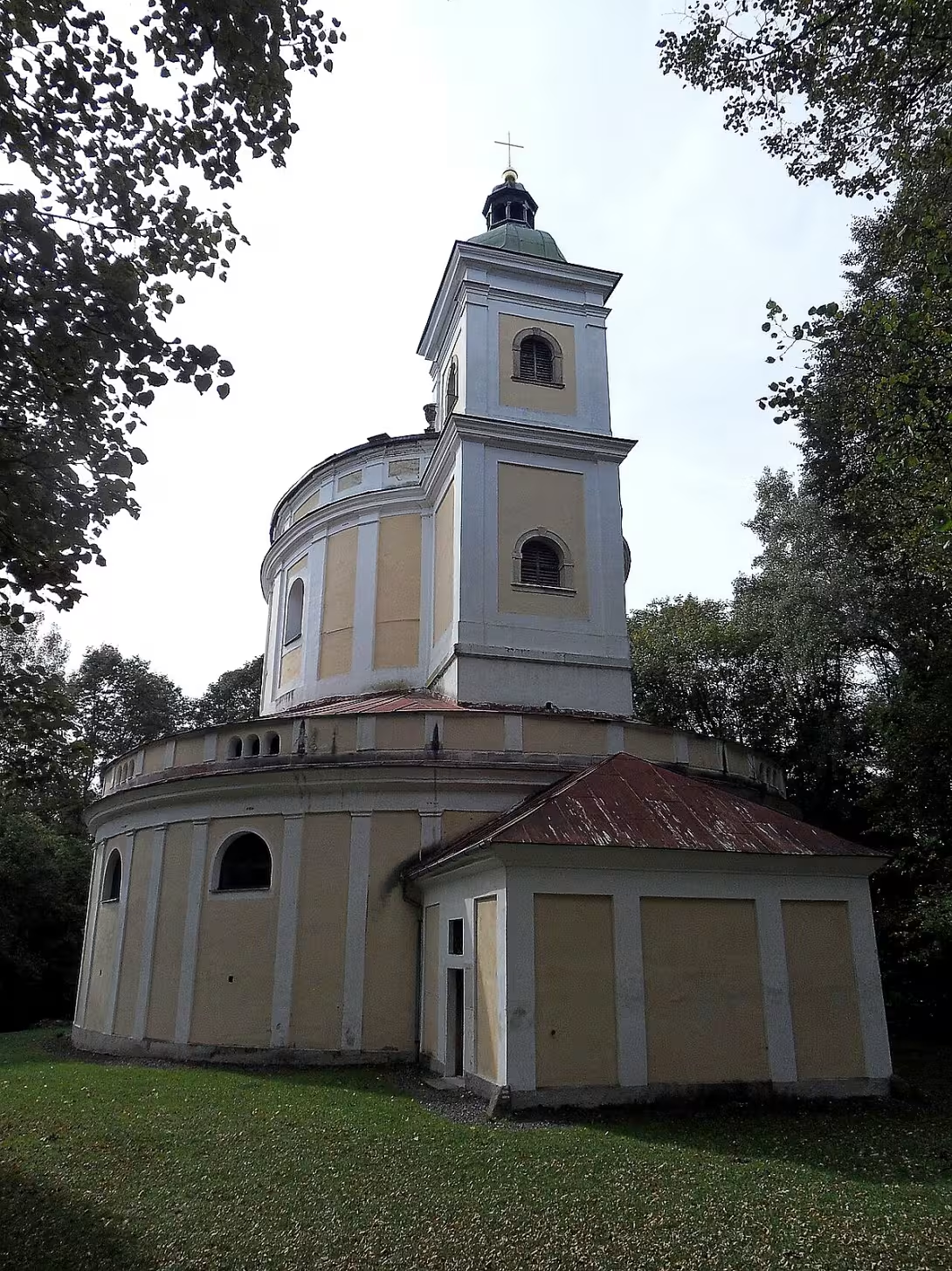
The Church of St. Anne in Hájek, also known as Tanaberk or Svatá Anna, is a significant pilgrimage site with a history dating back to the early 18th century. Located near Všeruby in the Domažlice District, Plzeň Region, this baroque-style church stands out for its unusual elliptical floor plan and spiritual significance. Constructed between 1712 and 1717 under Italian architect Marko Antoni Gilmetti, it has long been a focal point for pilgrims from across the region.
The origins of Tanaberk as a pilgrimage site trace back to 1703 when František Pajer, a local kantor and organist, witnessed a mysterious light on a hill. Following this event, which he believed led to his healing, he had a small wooden chapel built, marking the beginning of the site's spiritual importance. This initial chapel laid the foundation for what would become the Church of St. Anne. Completed in 1717, it quickly became central to pilgrims due to its baroque architecture and spiritual significance.
Architecturally, the Church of St. Anne is notable for its elliptical floor plan, an atypical feature that distinguishes it from other churches. Designed by Marko Antoni Gilmetti, this baroque structure has undergone several restorations over the years, particularly after suffering damage from a fire in 1865 and desecration during the 1950s when it was used as a stable by soldiers of the Czechoslovak People's Army.
Throughout its history, the church has been closely associated with the Stadion family, whose crypt lies beneath the main altar. This family played a significant role in the region's history, and their influence is reflected in the church's development. At least 50 individuals connected to the parish were buried within and around the church, highlighting its long-standing community significance.
Today, the Church of St. Anne stands as a testament to resilience and restoration. After years of neglect and damage, it underwent significant repairs from the 1960s through the early 1990s, culminating in a comprehensive restoration of its façade and roof between 1992 and 1995. The church is now once again a site for regular pilgrimages and religious services, with annual anenské poutě attracting participants from as far as Germany.
Visitors to the Church of St. Anne can appreciate not only its architectural beauty but also its deep historical roots and cultural significance. Its story of transformation—from a humble chapel to a baroque masterpiece—invites reflection on themes of faith, resilience, and community. The church remains an important spiritual destination in western Bohemia, offering a unique glimpse into the region's rich religious heritage.
Then and now
Drag the slider to compare how the landmark may have looked when it was built with the view today.
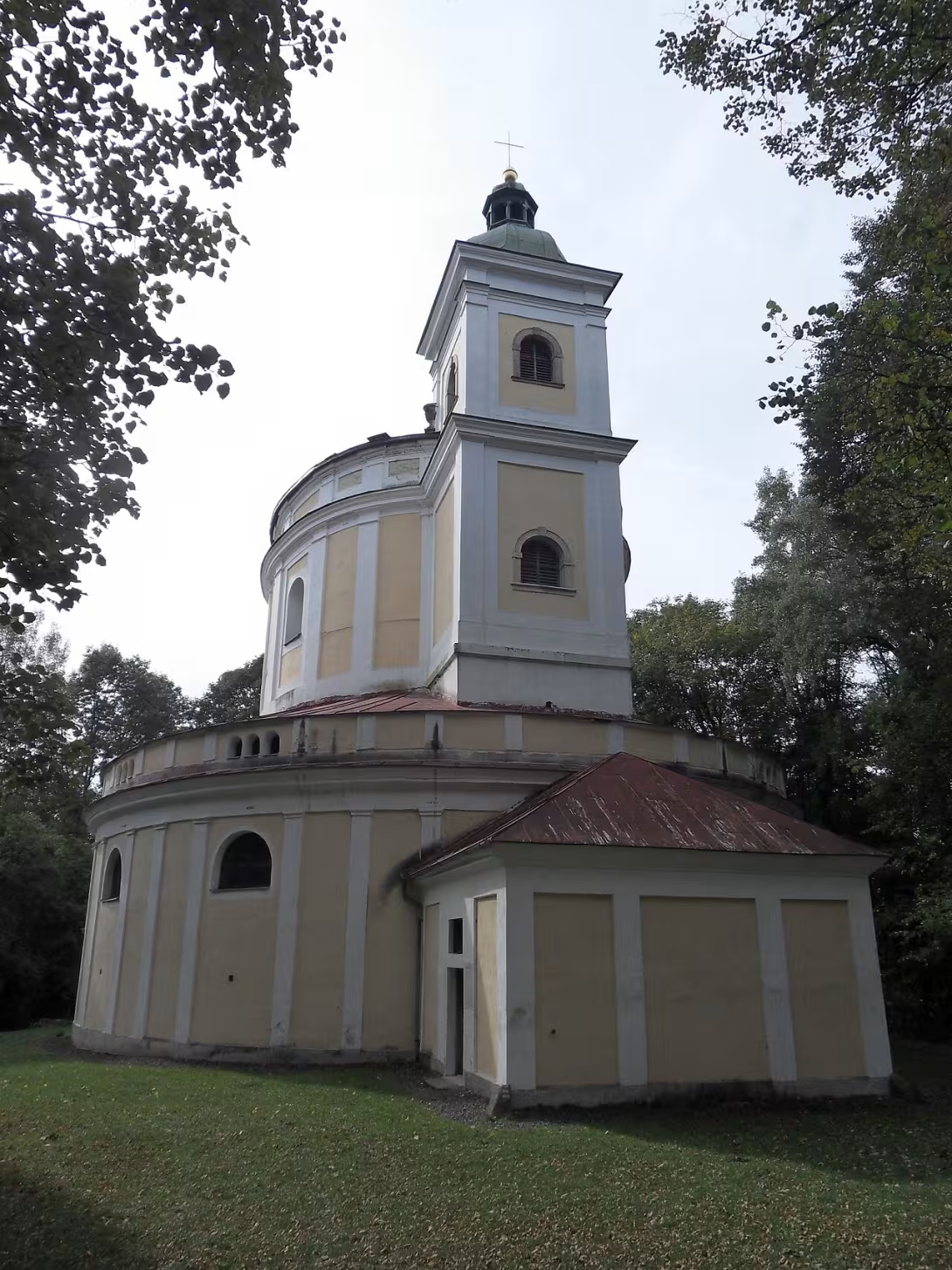
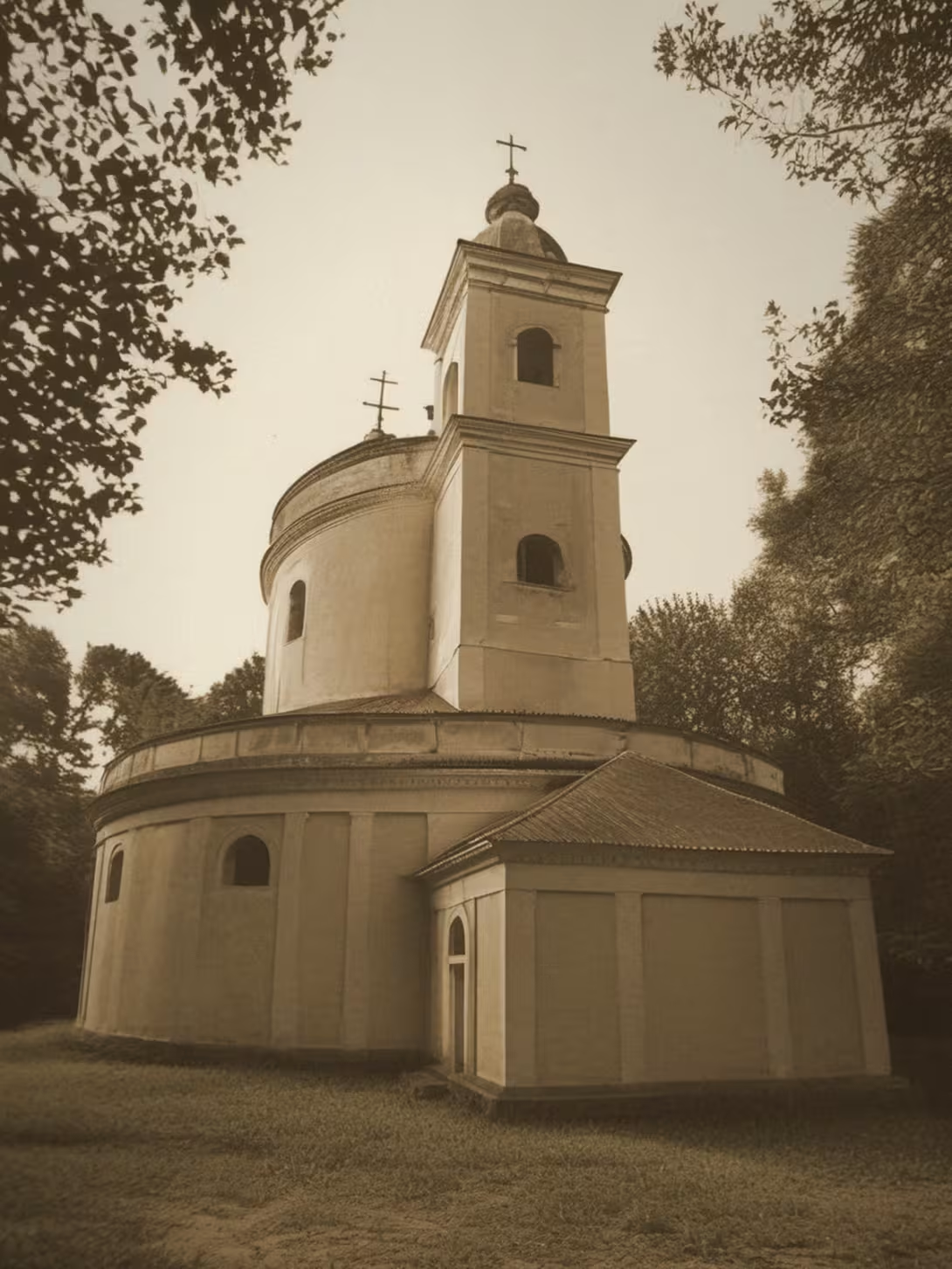
The historical appearance on the left is an AI-generated visualisation and serves as inspiration only.
Historical milestones
- 1703
- František Pajer witnessed a mysterious light on the hill.
- 1712
- Construction of the pilgrimage church began under Marko Antoni Gilmetti.
- 1717
- The Church of St. Anne was completed.
- 1865
- The church suffered damage from a fire and underwent repairs.
- 1950
- The church was desecrated when used as a stable by soldiers.
Architectural development
The Church of St. Anne began with a small wooden chapel in 1703 and evolved into a baroque-style church completed in 1717. It features an elliptical floor plan, which is atypical for churches. Over the years, it has undergone several restorations, particularly after being damaged by fire in 1865 and desecrated in the 1950s.
Historical events
In 1703, František Pajer witnessed a mysterious light on the hill and later had a small wooden chapel built after being healed from an ailment. This event marked the beginning of Tanaberk as a pilgrimage site.
The church was completed in 1717, becoming a central place for pilgrims due to its baroque architecture and spiritual significance.
In 1865, the church suffered damage from a fire but was subsequently repaired multiple times.
During the 1950s, the church experienced desecration when it was used as a stable by soldiers of the Czechoslovak People's Army.
Points of interest
- The Church of St. Anne's elliptical floor plan is a unique architectural feature uncommon in traditional church designs, making it an intriguing study for architects and historians alike.
- František Pajer, the local kantor who witnessed the mysterious light, was instrumental in establishing Tanaberk as a pilgrimage site, highlighting how personal spiritual experiences can shape religious history.
- The church's connection to the Stadion family adds a layer of historical intrigue, as their crypt beneath the main altar links it to influential figures in the region’s past.
- Despite its desecration during the 1950s when soldiers used it as a stable, the Church of St. Anne has been restored to its former glory, symbolizing resilience and the enduring nature of cultural heritage.
- The annual anenské poutě pilgrimage not only underscores the church's ongoing religious significance but also fosters cross-border spiritual connections, drawing participants from regions beyond Czech borders, such as Germany.
Guide
This guide is narrated by a synthetic voice generated by artificial intelligence.
Show guide text
This text was created by artificial intelligence and has not been editorially reviewed. It may contain inaccuracies.
Welcome to the Church of St. Anne in Hájek, a remarkable site that draws visitors from near and far with its unique history and architecture. As you stand here, take a moment to absorb the serene atmosphere surrounding this significant pilgrimage church. Its presence is both inviting and mysterious, beckoning you to delve deeper into its story.
The origins of this extraordinary place date back to 1703 when František Pajer, a local kantor, witnessed a mysterious light on the hill. This event sparked a series of developments leading to the construction of the church between 1712 and 1717. Under the guidance of Italian architect Marko Antoni Gilmetti, this sacred site was brought to life with an unusual elliptical floor plan—a distinctive feature that sets it apart from traditional church designs.
As you take in the surroundings, notice the unique shape of the building. The elliptical design is not just a visual marvel but also an architectural curiosity, reflecting Gilmetti's innovative approach and vision during its construction in the early 18th century. This unusual floor plan contributes to the distinctive character of the Church of St. Anne, making it a fascinating subject for architects and historians alike.
The church has witnessed many events throughout its history. In 1865, it suffered damage from a fire but was subsequently repaired, preserving its spiritual significance. However, in 1950, during turbulent times, the sacred space faced desecration when it was used as a stable by soldiers. Despite these challenges, the Church of St. Anne has remained an enduring symbol of faith and resilience.
František Pajer played a crucial role in establishing this pilgrimage site after his encounter with the mysterious light. His actions laid the foundation for what would become a focal point for pilgrims from a wide area, reflecting its spiritual importance.
One intriguing aspect of the Church of St. Anne is its architectural uniqueness. The elliptical floor plan is an uncommon feature in church designs and adds to the allure of this historic site. It's these distinctive characteristics that make the church not just a place of worship but also a subject of interest for those fascinated by architecture and history.
As you continue your exploration, let yourself be drawn into the rich tapestry of stories and histories woven into the very fabric of this sacred space. The Church of St. Anne in Hájek invites you to reflect on its past while appreciating its present beauty.
Thank you for joining us on this journey through time and spirituality. We hope that your visit has been enlightening, and we encourage you to continue exploring the wonders that this remarkable site has to offer. Safe travels as you discover more of Hájek's treasures.
Tips for visitors
The best time to visit the Church of St. Anne in Hájek is during late spring or early autumn, when the weather is mild and pleasant for exploring the surrounding natural landscapes. These seasons offer beautiful foliage in the rolling hills and forests, enhancing your experience at this historic site. Additionally, visiting outside of peak summer months can mean fewer crowds, allowing you to appreciate the church's architecture and serene atmosphere more fully.
Anne. Always verify current routes and schedules using a transportation app or website before your visit.
When visiting the Church of St. Anne, it's recommended to bring comfortable walking shoes as there may be some walking involved, especially if exploring the surrounding area. A camera is essential for capturing the church's unique elliptical architecture and picturesque landscapes. Additionally, consider bringing a light jacket or sweater, as temperatures can vary throughout the day, even in warmer months.
For photography enthusiasts, the best spots to capture the Church of St. Anne are during sunrise or sunset when the lighting is soft and golden, highlighting the church's distinctive features against the backdrop of western Bohemia’s natural scenery. The surrounding hills offer excellent vantage points for panoramic shots that include both the church and its environment.
Nearby attractions within a 30-minute drive from Hájek include the historic town of Všeruby, known for its charming streets and local crafts. Another nearby site is the picturesque village of Černíny, offering beautiful views and opportunities to explore more of western Bohemia’s natural beauty. These locations are perfect for extending your visit and experiencing more of the region's cultural and scenic offerings.
For families with children visiting the Church of St. Anne, there are several activities that can make the trip enjoyable. The church grounds provide a peaceful setting for a family picnic, especially during pleasant weather. Exploring the nearby forests and hills offers opportunities for nature walks or simple games, making it an engaging experience for kids. Additionally, the area's natural beauty is perfect for teaching children about local history and geography.
Frequently asked questions
Can the monument be visited?
Religious buildings are usually open mainly during services; at other times a visit is normally arranged with the parish or the operator. We have not verified specific times.
Where is the monument?
Location: Hájek, Plzeňský kraj. The map on this page shows the exact spot.
Why is the monument protected?
It is listed in the Central List of Cultural Monuments of the Czech Republic as a cultural monument (register no. 37209/4-2259).
Businesses nearby
Do you run a restaurant, accommodation, shop, museum, rental, wellness or other visitor service near this monument? Show yourself directly to the people heading to it — this is how they will see you in the app and on the web:
Nearby
The Church of St. Anne is located near Všeruby in the Domažlice District, Plzeň Region. The area features natural landscapes typical of western Bohemia, with rolling hills and forests.
Accommodation nearby
Themed route
Thematic Walking Tour: The Church of St. Anne and Surroundings
1. The Church of St. Anne (Hlavní cíl) - Type: Historical Landmark - Why Visit: This stunning Baroque church, located in the serene village of Hájek, is renowned for its architectural beauty and historical significance. Its intricate design and peaceful setting make it a must-visit for those interested in religious architecture and history.
2. Hájek Village - Type: Cultural Site - Why Visit: Explore the quaint village of Hájek, where traditional Czech culture is preserved amidst picturesque landscapes. The charming streets offer a glimpse into local life and provide an authentic experience of rural Bohemia.
3. Forests around Všeruby - Type: Natural Landscape - Why Visit: Venture into the lush forests near Všeruby, where rolling hills and dense woodlands create a tranquil environment perfect for nature walks. These natural landscapes are typical of western Bohemia, offering stunning views and opportunities to connect with nature.
4. Rolling Hills of Western Bohemia - Type: Scenic Area - Why Visit: The gentle slopes of the rolling hills provide breathtaking panoramas of the region’s countryside. Ideal for hiking or leisurely strolls, these hills offer a peaceful retreat and a chance to appreciate the natural beauty of western Bohemia.
This tour combines cultural exploration with nature appreciation, providing a well-rounded experience in the Plzeň Region.
Seasonal recommendations
Spring: Visiting the Church of Saint Anne in Hájek during spring offers a unique experience as nature awakens around this historical monument. The surrounding landscape is adorned with blooming flowers, creating a picturesque setting that enhances the church's architectural beauty. Natural light plays a significant role at this time, casting soft shadows and highlighting intricate details on the building’s façade. Visitors should be prepared for occasional spring showers; thus, carrying an umbrella or wearing a waterproof jacket is advisable. Although crowds are generally moderate, arriving early can provide a more tranquil experience before groups of tourists gather.
Summer: The summer season at the Church of Saint Anne in Hájek is characterized by vibrant greenery and longer daylight hours, offering ample time to explore both the church and its serene surroundings. This period marks the peak tourist season; hence, visitors are likely to encounter larger crowds. To avoid congestion, it's recommended to visit during early mornings or late afternoons when temperatures are more comfortable. Comfortable walking shoes and light clothing are ideal for navigating the area comfortably.
Autumn: Autumn in Hájek presents a stunning display of fall foliage, with vibrant reds, oranges, and yellows enveloping the Church of Saint Anne in a warm embrace. The cooler weather makes it an excellent time to stroll around without the summer heat. As daylight diminishes, bringing along a flashlight or camera flash can help capture the church's details during evening visits. While visitor numbers start to decrease compared to summer, planning your visit for weekdays may offer a quieter experience.
Winter: Winter transforms the Church of Saint Anne into a serene and mystical sight, with snow often blanketing its surroundings in a peaceful white layer. The colder temperatures necessitate warm clothing, including coats, hats, gloves, and scarves, ensuring comfort during your visit. Shorter days mean less time for exploration; therefore, arriving early is advisable to make the most of natural lighting before dusk. Despite fewer visitors due to the cold, the church's interior provides a cozy refuge from winter's chill, making it an ideal time for those seeking tranquility and reflection.
Visualizations and artistic views


The visualisations are generated by artificial intelligence and serve as inspiration.
Photos from the area
Real photos taken near the monument


Zdroj a licence jsou uvedeny u každého snímku.
Atmosphere of the place
This atmospheric visualisation of the place and period was generated by artificial intelligence. It is not real footage of the location.
Tips from visitors
No tips yet. Be the first!
Log in and add your tip.
Sources and literature
Photos: Jik jik / CC BY-SA 4.0 — Wikimedia Commons. The author and licence also appear when you hover over the image.
Faktickým podkladem tohoto textu byl článek na Wikipedii, jehož autory jsou přispěvatelé Wikipedie. Článek je dostupný pod licencí CC BY-SA 4.0.
Location on the map
More monuments – Hájek
Show all in the municipality




Příběhy a pověsti
Legendy, pověsti a příběhy spjaté s touto památkou

Fotografie návštěvníků
Zatím žádné fotografie. Buďte první, kdo přidá fotografii z návštěvy!
Log in a přidejte svou fotografii nebo hodnoťte.
Za ověřenou návštěvu v aplikaci získáte víc bodů — poznáme podle GPS, že jste na místě.
Reviews and comments