






Kostel svaté Anny (Libínské Sedlo) Church
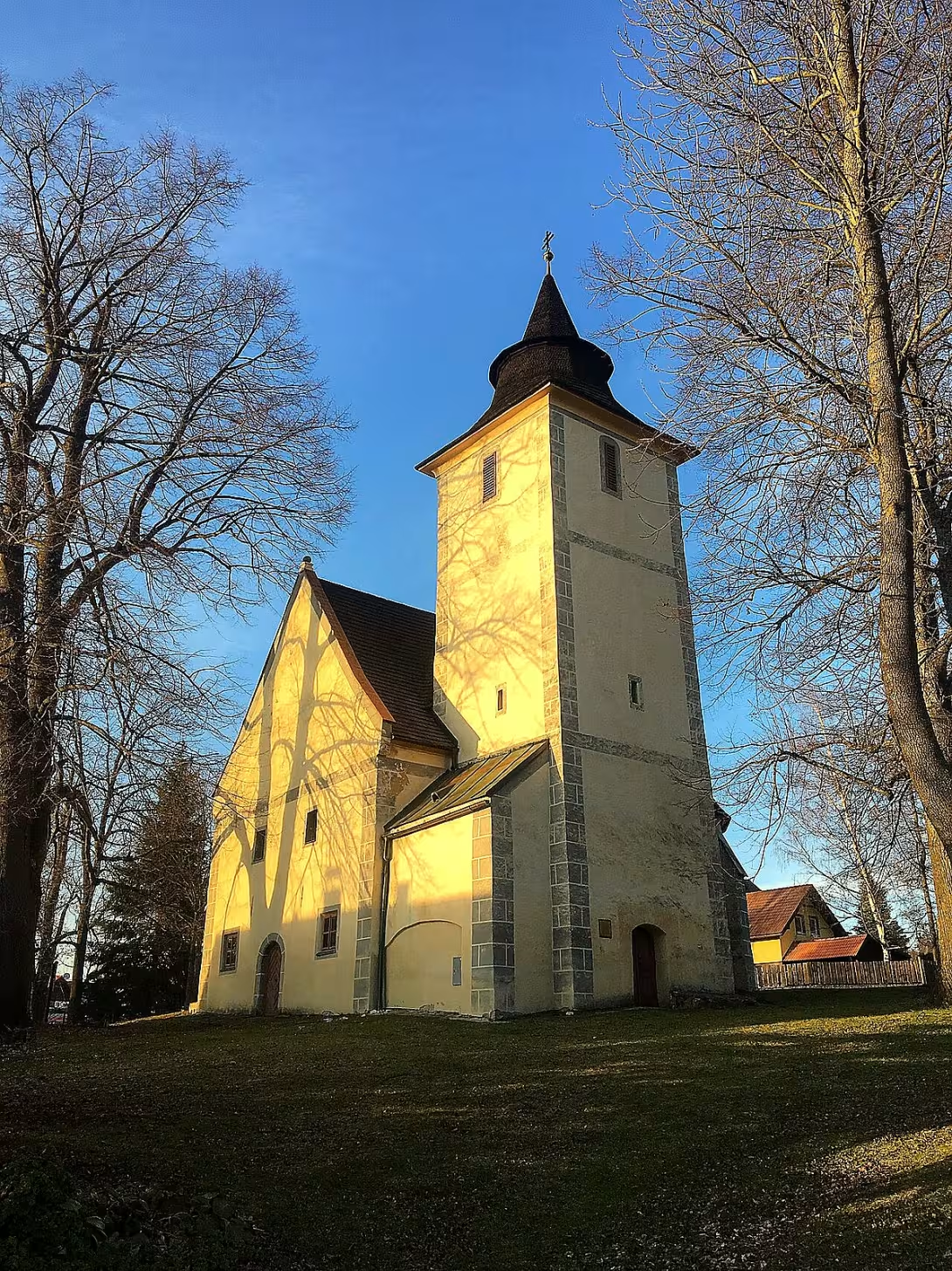
The Church of Saint Anne in Libínské Sedlo is a significant cultural monument within the village, part of Prachatice, located in Jihočeský kraj. This ecclesiastical structure exemplifies early church architecture in the region and holds historical importance along the Golden Trail trade route. Established likely in the early 15th century, dendrochronological evidence dates timber used for roofing to 1458, reflecting a rich architectural evolution from Gothic origins through Baroque modifications.
The village Libínské Sedlo, originally known as Fefry, was officially founded in 1351, though it is believed to have been inhabited earlier. The church first appears in documented history in 1531, but archaeological findings suggest its foundation dates back to the early 15th century. Its establishment aligns with a period when Bohemia, part of the Holy Roman Empire, experienced significant religious and political changes. Strategically situated along the Golden Trail, this region's economic and cultural development was notably influenced by such trade routes.
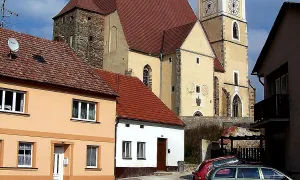
Architecturally, the Church of Saint Anne is a testament to the Gothic style, characterized by its orientation with a presbytery on the north side and a tower on the south. The presbytery extends 6 meters in length and 5.50 meters in width, featuring polygonal ends that conclude three sides of an octagon. Its vaulted ceiling rests on ribs supported by consoles with simple pointed shapes, one of which intriguingly bears a primitive human face carving. The nave measures 9.30 meters in length and 8.30 meters in width, topped with a wattle-and-daub roof. A Baroque period renovation in 1733 followed storm damage that year, leading to significant repairs including window enlargements and roofing adjustments.
Throughout its history, the church has undergone various modifications. Initially constructed with a main nave and presbytery featuring Gothic elements, it later saw additions such as a small porch and bell tower. The Baroque period brought further changes, notably after storm damage in 1733 necessitated extensive repairs. By the 19th century, interior renovations included new flooring and alterations to enhance acoustics.
Today, the Church of Saint Anne remains an accessible cultural site located centrally within Libínské Sedlo at a crossroads leading from Prachatice to Volary. Its historical significance is underscored by its strategic placement along key trade routes and its architectural evolution over centuries. Visitors are invited to explore this monument not only for its religious heritage but also as a window into the region's rich past, offering insights into the architectural styles that have shaped it through time.
Then and now
Drag the slider to compare how the landmark may have looked when it was built with the view today.
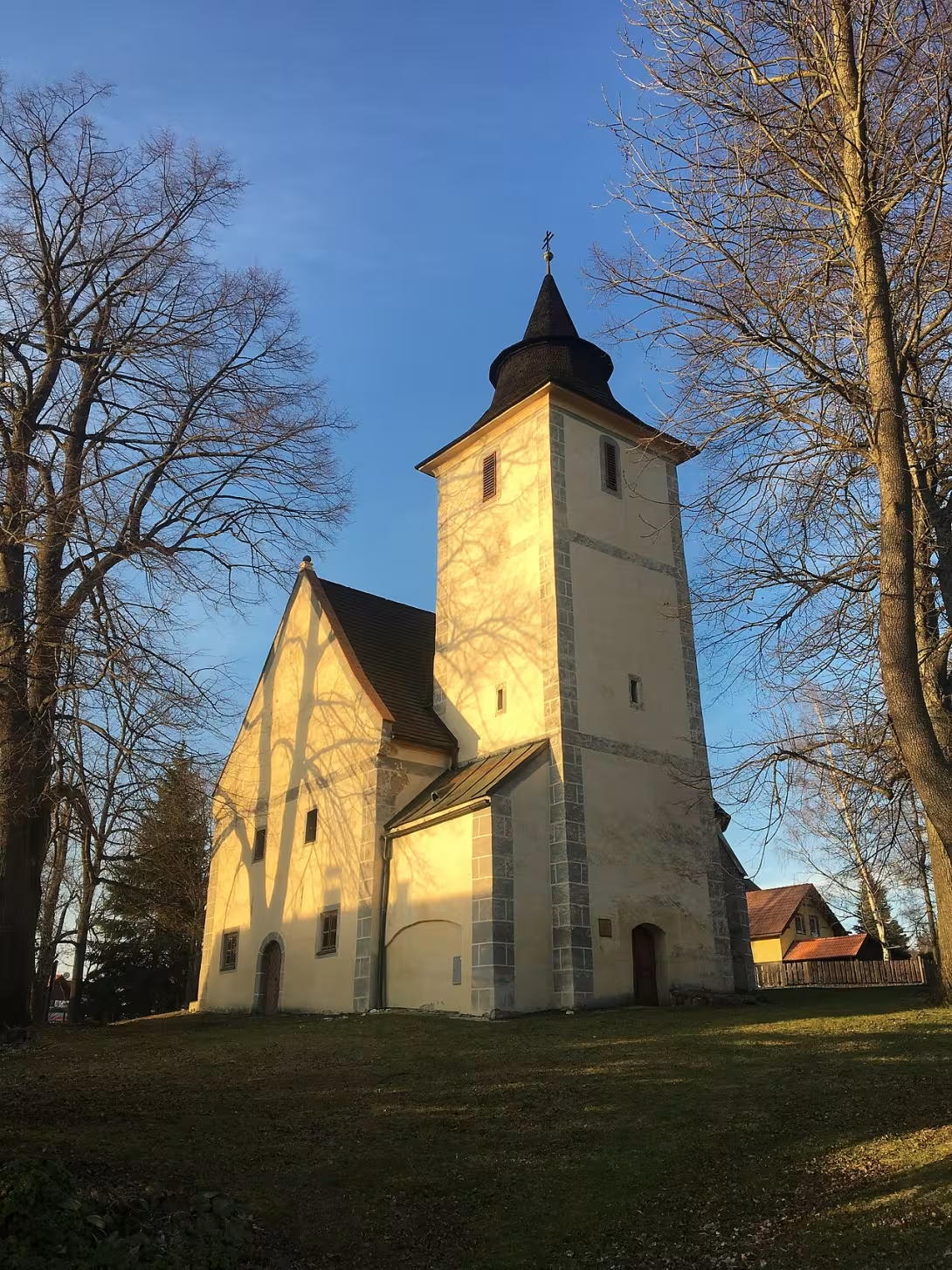
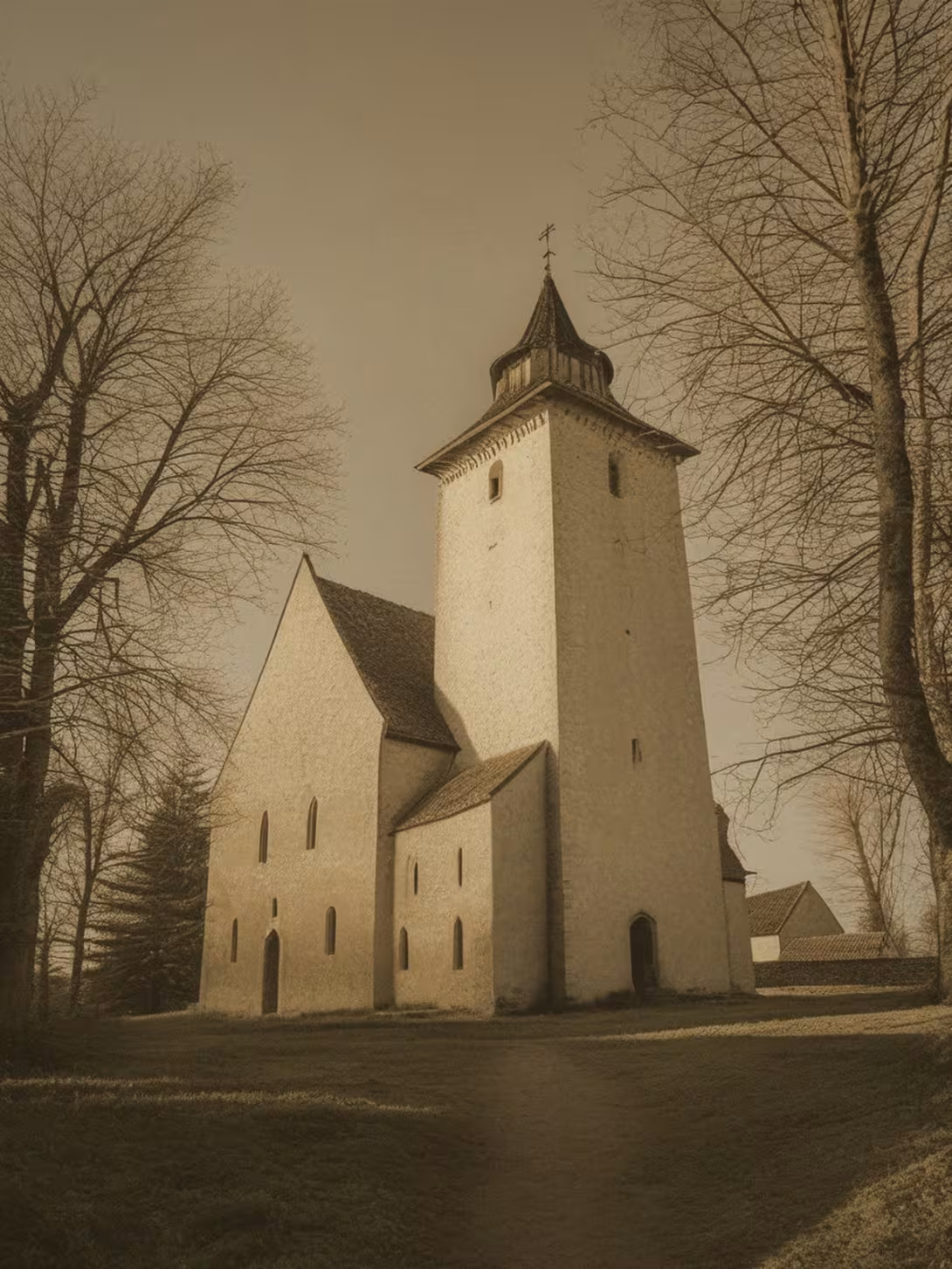
The historical appearance on the left is an AI-generated visualisation and serves as inspiration only.
Historical milestones
- 1458
- Timber for the church's roof was cut.
- 1531
- First documented mention of the church.
- 1733
- Storm damage led to significant repairs and Baroque modifications.
Architectural development
Initially constructed with a main nave and presbytery featuring Gothic elements, the church later saw additions such as a small porch and a bell tower. The Baroque period brought further modifications, including window enlargements and roof repairs after storm damage in 1733. By the 19th century, interior renovations included new flooring and alterations to enhance acoustics.
Historical events
The church was likely established in the early 15th century.
In 1733, a severe storm caused significant damage to the church, leading to extensive repairs and changes.
Points of interest
- The Church of Saint Anne features a unique carving on one of its vaulted ceiling consoles—a primitive human face—which adds an intriguing artistic element to the otherwise Gothic architecture.
- Although first documented in 1531, archaeological evidence suggests that the church's origins may date back to the early 15th century, indicating it was part of significant religious and political shifts during Bohemia’s time within the Holy Roman Empire.
- The village Libínské Sedlo was originally known as Fefry before being officially founded in 1351, hinting at a rich history that predates its recorded establishment.
- In 1733, after suffering storm damage, the church underwent substantial Baroque renovations which included enlarging windows and adjusting the roof, showcasing how natural events influenced architectural changes over time.
- The strategic location of the Church of Saint Anne along the Golden Trail trade route highlights its historical importance as a cultural and economic hub in the region.
Guide
This guide is narrated by a synthetic voice generated by artificial intelligence.
Show guide text
This text was created by artificial intelligence and has not been editorially reviewed. It may contain inaccuracies.
Welcome to the Church of Saint Anne in Libínské Sedlo, a remarkable cultural monument nestled within this charming village, part of Prachatice. As you stand here, take a moment to absorb the serene atmosphere surrounding you. The church stands as a testament to early ecclesiastical architecture in the region and its historical significance along the Golden Trail trade route.
The origins of this sacred site trace back to the early 15th century. Dendrochronological evidence reveals that timber for the roof was cut in 1458, marking the beginning of its construction. Although it wasn't officially documented until 1531, archaeological findings suggest an even earlier inception. This church has witnessed centuries unfold, playing a silent yet pivotal role in the lives of those who have passed through this village.
As you gaze upon the structure, notice the Gothic architecture that defines its character. The church's design reflects the architectural trends of its time, with elements that invite curiosity and admiration. Now, look up at one of the vaulted ceiling consoles where a unique carving captures your attention—a primitive human face. This intriguing artistic detail adds an unexpected layer to the otherwise traditional Gothic style.
Throughout its history, the Church of Saint Anne has faced challenges and transformations. In 1733, a storm inflicted significant damage, leading to essential repairs and Baroque modifications that have since become part of its rich tapestry. While many architects remain unnamed in historical records, their contributions are evident in every stone and beam that tells this church's story.
While specific historical figures associated with the church may not be documented, its presence has undoubtedly influenced countless lives over the centuries. It stands as a silent witness to the ebb and flow of history, embodying both resilience and change.
One intriguing aspect that continues to captivate visitors is the mystery surrounding its early origins. Despite being first mentioned in 1531, evidence hints at a much older foundation, adding layers of intrigue to its already fascinating narrative.
As you continue your exploration, allow yourself to be enveloped by the church's history and atmosphere. Each corner holds stories waiting to be discovered, inviting you to delve deeper into this architectural gem. Thank you for joining us on this journey through time at the Church of Saint Anne in Libínské Sedlo. We hope it inspires a sense of wonder and curiosity as you venture further into the village's rich heritage.
Businesses nearby
Do you run a restaurant, accommodation, shop, museum, rental, wellness or other visitor service near this monument? Show yourself directly to the people heading to it — this is how they will see you in the app and on the web:
Accommodation nearby
Themed route
Tematická výletní trasa: Kostel svaté Anny (Libínské Sedlo)
1. Kostel svaté Anny (Libínské Sedlo) - Kostel Začněte svůj výlet u kostela svaté Anny, který je nejen duchovním centrem obce Libínské Sedlo, ale také architektonickou perli. Jeho historie sahá do 14. století a přitahuje návštěvníky svými bohatými freskami a jedinečným interiérem.
2. Kaple svatého Jiljí - Kaple Přibližně 1 km od kostela se nachází kaple svatého Jiljí, která je známá pro svou klidnou atmosféru a krásné výhledy na okolní krajinu. Je to místo ideální pro relaxaci a úvahy, s příležitostí si užít poklidné chvilky v malebném prostředí.
3. Kaplička Panny Marie - Kaplička Další zajímavostí je kaplička Panny Marie, která se nachází asi 2 km od kostela svaté Anny. Tato malá kaple přitahuje návštěvníky svou historií a krásným umístěním, což ji činí ideálním místem pro klidné modlitby nebo jednoduše pro užívání pohledu na okolní přírodní krajiny.
4. Nádvoří kostela svaté Anny - Historický areál Po návštěvě kapličky se vraťte zpět ke hlavnímu cíli, kostelu svaté Anny, a prozkoumejte jeho nádvoří. Toto místo nabízí příležitost si užít klidné chvíle v historickém prostředí, s možností se podívat na detaily architektury a pochopit historii kostela z pohledu jeho areálu.
Tato trasa nabízí kombinaci duchovního obohacení, historického objevování a přírodní krásy v okolí Libínského Sedla.
Seasonal recommendations
Spring: Visiting the Church of Saint Anne in Libíně Sedlo during spring offers a unique opportunity to witness the awakening of nature surrounding this historic site. The landscape around the church is adorned with vibrant wildflowers and budding trees, creating an enchanting atmosphere that enhances the beauty of the architecture. The soft light of early spring provides gentle illumination for photography and exploration. Visitors should be prepared for occasional rain showers, so wearing layers and carrying a waterproof jacket is advisable. This time of year typically sees fewer tourists, allowing for a more peaceful experience.
Summer: The summer months at the Church of Saint Anne are characterized by long days filled with warm sunshine that beautifully highlights the church's intricate details. The lush greenery in full bloom creates a picturesque setting, perfect for leisurely strolls around the area. This is also the peak tourist season, so it’s wise to arrive early to avoid crowds and secure a good spot for viewing or photography. Comfortable walking shoes and light clothing are recommended, along with sun protection such as hats and sunscreen, to fully enjoy your visit during this vibrant time.
Autumn: Autumn brings a spectacular display of colors to the Church of Saint Anne in Libíně Sedlo, as the surrounding foliage transforms into shades of red, orange, and gold. The cooler temperatures make for comfortable exploration without the summer heat, while the soft, golden light enhances the historical ambiance of the site. This season tends to attract fewer visitors than summer, providing a quieter atmosphere to appreciate the church's beauty. Wearing layers is advisable due to fluctuating temperatures, and carrying an umbrella might be prudent in case of unexpected rain showers.
Winter: A winter visit to the Church of Saint Anne offers a serene and magical experience as snow blankets the landscape, creating a tranquil setting around this historic site. The stark contrast between the white snow and the church’s architecture provides stunning photographic opportunities, especially during sunrise or sunset when light conditions are most dramatic. It's important to dress warmly in layers, including thermal wear and a warm coat, as temperatures can be quite cold. Be aware that the church may have reduced hours during this season, so checking opening times in advance is recommended. The quietness of winter also means fewer visitors, allowing for a more intimate exploration of the site.
Visualizations and artistic views


The visualisations are generated by artificial intelligence and serve as inspiration.
Photos from the area
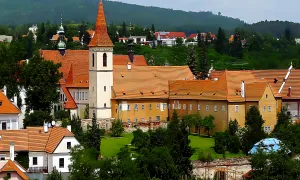
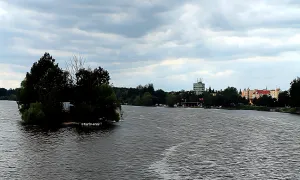
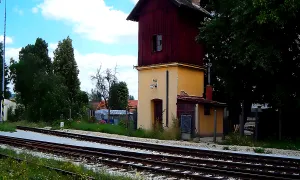
Real photos taken near the monument


Zdroj a licence jsou uvedeny u každého snímku.
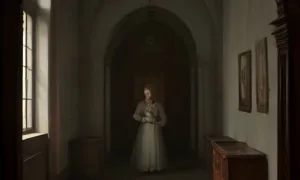
Atmosphere of the place
This atmospheric visualisation of the place and period was generated by artificial intelligence. It is not real footage of the location.
Tips from visitors
No tips yet. Be the first!
Log in and add your tip.
Sources and literature
Fotografie: Adelafrnochova / CC BY-SA 4.0 — Wikimedia Commons. The author and licence also appear when you hover over the image.
Faktickým podkladem tohoto textu byl článek na Wikipedii, jehož autory jsou přispěvatelé Wikipedie. Článek je dostupný pod licencí CC BY-SA 4.0.
Location on the map

Příběhy a pověsti
Legendy, pověsti a příběhy spjaté s touto památkou
Fotografie návštěvníků
Zatím žádné fotografie. Buďte první, kdo přidá fotografii z návštěvy!
Přihlaste se a přidejte svou fotografii nebo hodnoťte.
Za ověřenou návštěvu v aplikaci získáte víc bodů — poznáme podle GPS, že jste na místě.
Reviews and comments