






Kostel svaté Máří Magdalény (Kunice) Church
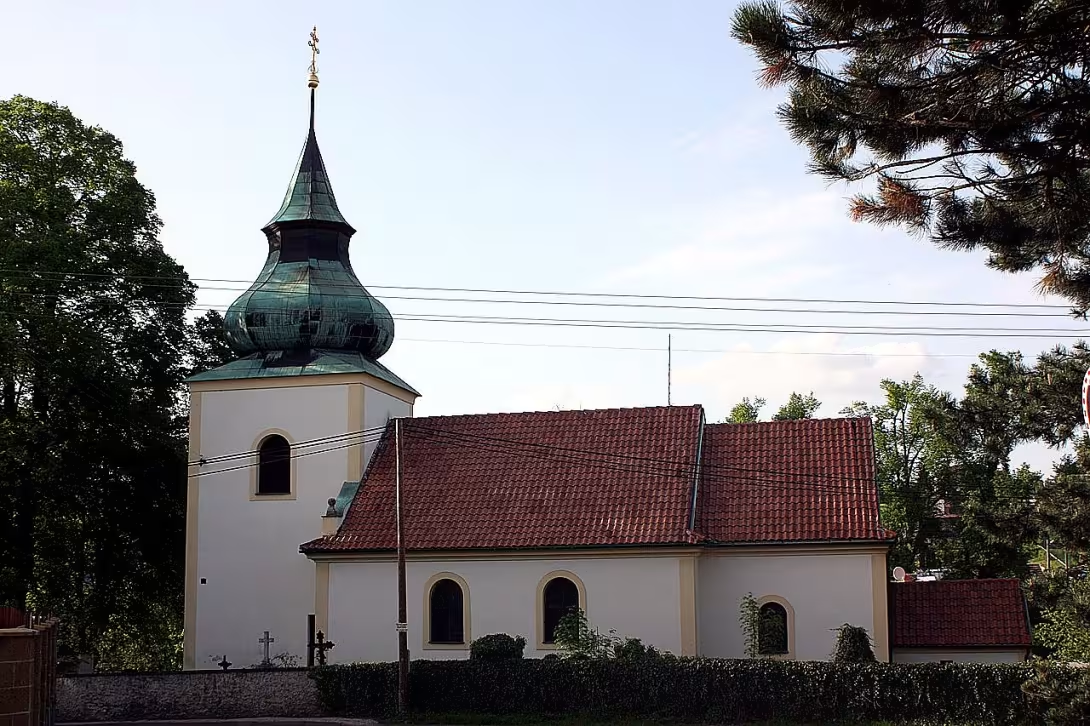
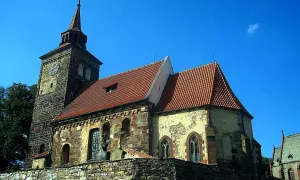
The Church of St. Mary Magdalene in Kunice is a Gothic single-nave church located in the village of Kunice, Central Bohemian Region, Czech Republic. This architectural gem stands as a protected cultural monument and reflects significant historical transitions from its origins as a wooden chapel to its current form. The church has undergone various architectural phases, including Romanesque beginnings and later Gothic renovations, contributing to its rich heritage.
The earliest documented history of this site dates back to 970 when a wooden chapel was constructed under the reign of Boleslav II. By the 13th century, a Romanesque church replaced the original structure, marking an important phase in its architectural evolution. The early 14th century saw another transformation as the building underwent an early Gothic renovation, reflecting broader religious and political changes occurring in Bohemia at that time. These developments were part of a larger context leading up to the Hussite Wars, which later impacted the church's history.
Architecturally, the Church of St. Mary Magdalene is characterized by its single-nave design with an oblong ground plan, an oblong sacristy, and a square presbytery covered by a cross-ribbed vault featuring pointed consoles. The vault was reinforced in 1884 due to cracks using iron bands, highlighting ongoing maintenance efforts throughout its history. A notable feature is the triumphal arch with a 1884 inscription detailing the church's foundation and repairs. The western façade houses a polygonal bell tower that serves as the main entrance, while the nave and under-tower space are covered by barrel vaults with lunettes.
Ownership and administration of the church have seen significant changes over time. Initially serving as a parish church, it faced challenges during the Hussite Wars when non-Catholic priests were expelled in 1621, leading to a period without regular masses. The lack of Catholic clergy resulted in the church being left unattended for some time, with its lands seized and sold off. Subsequently, the church was affiliated with various parishes: first Uhříněves, then Říčany, and later Velké Popovice until it returned to Říčany's parish jurisdiction in modern times.
Throughout its history, the Church of St. Mary Magdalene has witnessed several key events and curiosities. During World War II, two significant bells were confiscated by the German army but were fortunately returned after the war. These include an umíráček from 1509, likely donated by the Slavat family, and a large bell from 1573 adorned with the coat of arms of Zdeňk ze Šternberka, crafted in a renowned Prague workshop. The church also houses a rare late Gothic sculpture of Madonna created around 1500, adding to its artistic significance.
Today, the Church of St. Mary Magdalene stands as a testament to its historical and architectural journey. While much of its interior furnishings are modern, it retains elements like the aforementioned Madonna sculpture that connect visitors with its past. The church is accessible for those interested in exploring its history and architecture, offering a glimpse into the religious and cultural transformations over centuries.
Visiting this monument provides an opportunity to appreciate not only its architectural beauty but also its resilience through historical upheavals. It stands as a symbol of continuity and adaptation, inviting visitors to explore its storied past within the serene setting of Kunice.
Then and now
Drag the slider to compare how the landmark may have looked when it was built with the view today.
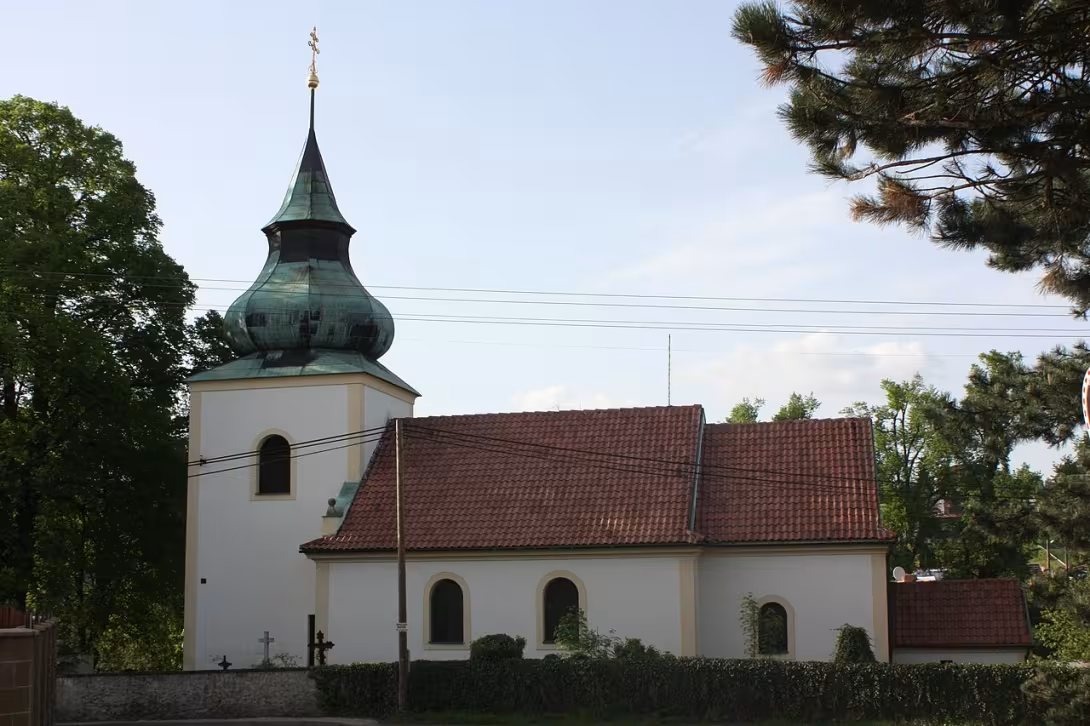
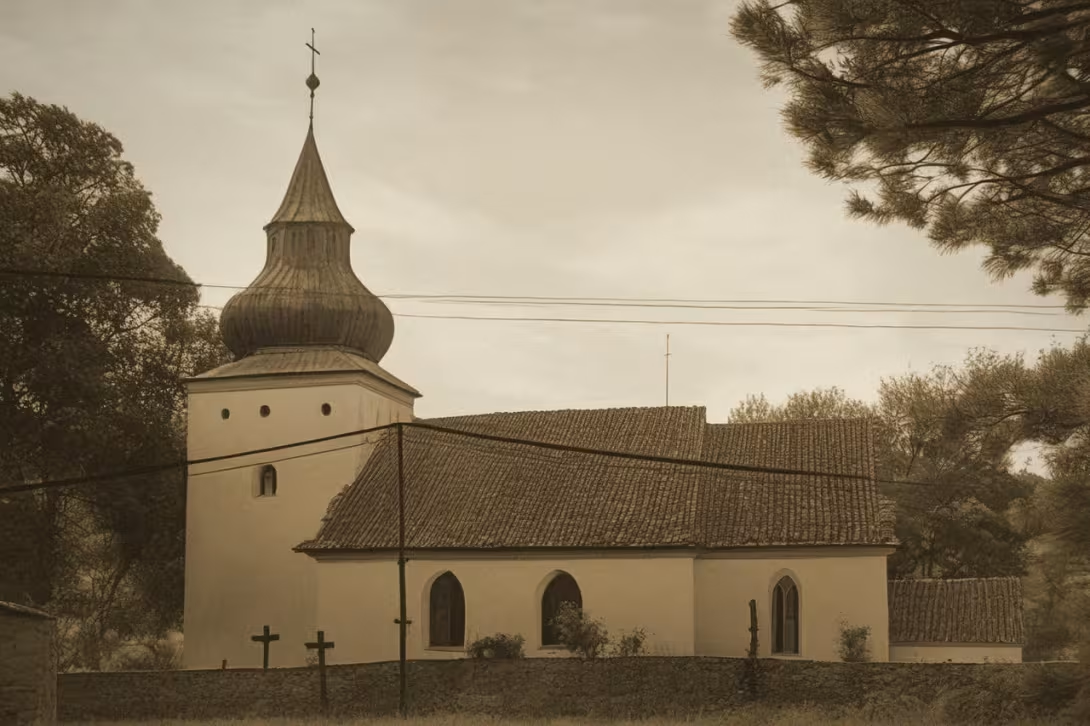
The historical appearance on the left is an AI-generated visualisation and serves as inspiration only.
Historical milestones
- 970
- A wooden chapel was built under the reign of Boleslav II.
- 1400
- The church underwent an early Gothic transformation.
- 1793
- A new bell tower with a baroque onion dome was constructed.
- 1884
- The church's vault was reinforced due to cracks.
Architectural development
The Church of St. Mary Magdalene has experienced several architectural phases, beginning with a wooden chapel in 970 and evolving into a Romanesque structure by the 13th century. It underwent an early Gothic transformation at the start of the 14th century. Subsequent renovations occurred in 1680, 1728, and notably in 1793 when a new bell tower was added. The church's vault was reinforced with iron bands in 1884 due to cracks.
Historical events
A wooden chapel was originally built in 970 under the reign of Boleslav II.
In the early 14th century, a Romanesque church on this site underwent an early Gothic transformation.
During the Hussite Wars, non-Catholic priests were expelled in 1621, leading to a period without regular masses.
Points of interest
- The Church of St. Mary Magdalene's transition from a wooden chapel to its current Gothic form reflects the broader architectural and religious evolution in Bohemia during the medieval period. - During the Hussite Wars, non-Catholic priests were expelled from Kunice in 1621, leading to a period where the church was left without regular services or clergy until it could be reassigned.
- The church's two significant bells, including an umíráček from 1509 and a larger bell from 1573, highlight its historical connections with prominent families like the Slavat family and Zdeňk ze Šternberka, showcasing their influence in the region.
- A late Gothic sculpture of Madonna, created around 1500, is housed within the church, adding to its artistic heritage and reflecting the era's religious artistry despite many modern interior furnishings.
- The triumphal arch features an inscription from 1884 that details the foundation and repairs of the church, providing a historical record directly on the structure itself.
Guide
This guide is narrated by a synthetic voice generated by artificial intelligence.
Show guide text
This text was created by artificial intelligence and has not been editorially reviewed. It may contain inaccuracies.
Welcome to the Church of St. Mary Magdalene in Kunice, a serene and historic gem nestled within this charming village in the Central Bohemian Region. As you stand before its venerable façade, take a moment to appreciate the quiet grandeur that has withstood the test of time.
The story of this sacred site begins in 970 when a simple wooden chapel was constructed under the reign of Boleslav II. This modest beginning marked the start of a journey through centuries, reflecting both architectural evolution and the spiritual life of Bohemia during medieval times. By 1400, the church had embraced an early Gothic transformation, shedding its primitive origins for a more intricate design that hinted at the artistic aspirations of the era.
As you gaze upon the structure now, notice how it stands as a testament to these historical shifts. The Church's current form is primarily Gothic, characterized by its single-nave layout—a style that speaks to the medieval period’s architectural ingenuity and religious fervor. While specific architects remain unknown, their work has left an indelible mark on this cultural monument.
In 1793, a new bell tower with a baroque onion dome was added, enhancing both the church's skyline presence and its aesthetic appeal. This addition is a nod to the Baroque period’s influence, blending seamlessly with the Gothic elements that define much of the building.
The church also underwent significant structural reinforcement in 1884 when cracks necessitated vault strengthening. These periods of repair and enhancement are reminders of how this structure has been cherished and preserved through generations.
Though specific historical figures tied directly to the church remain elusive, its narrative is woven into the broader tapestry of Bohemian history. During the tumultuous Hussite Wars, for instance, non-Catholic priests were expelled from Kunice in 1621—a reflection of the religious upheavals that swept across Europe and left their mark on local communities.
One fascinating aspect of this church is its transformation from a humble wooden chapel to the Gothic masterpiece you see today. This evolution mirrors broader architectural trends and religious transformations in medieval Bohemia, offering insights into how faith and artistry intersected during this period.
As we conclude our audio tour, I invite you to linger a little longer, exploring every corner of this historical site. Perhaps take a moment to reflect on the layers of history that converge here or simply enjoy the tranquil atmosphere that surrounds you. Thank you for joining us today at the Church of St. Mary Magdalene in Kunice, and may your visit be both enlightening and inspiring.
Tips for visitors
The best time to visit the Church of St. Mary Magdalene in Kunice is during late spring or early autumn when the weather is mild, making it ideal for walking around the village and exploring the church's Gothic architecture without the summer crowds. These seasons also offer beautiful natural lighting for photography, enhancing the experience of capturing the intricate details of the church.
Parking near the Church of St. Mary Magdalene in Kunice can be limited due to its rural setting; however, there are usually spots available along the village roads. For those preferring public transport, it's advisable to check current bus routes and schedules online as they may vary seasonally. The church is accessible by car or public transportation, offering flexibility for visitors.
When planning your visit, consider bringing comfortable walking shoes, especially if you plan to explore beyond the church itself. A camera with a zoom lens can be particularly useful for capturing detailed photographs of the Gothic architecture and stained glass windows without disturbing the peace inside. Additionally, carrying a light jacket is recommended as temperatures can vary throughout the day.
Photography enthusiasts will find several spots around the Church of St. Mary Magdalene ideal for capturing its beauty in different lights. Early morning or late afternoon offers soft lighting that accentuates the Gothic features and stained glass windows. The church's exterior provides a stunning backdrop, while the interior is best photographed with natural light streaming through the windows.
For those interested in exploring nearby attractions within 30 minutes of Kunice, consider visiting other historical sites or nature reserves in the Central Bohemian Region. While specific recommendations are not provided here, the area around Kunice offers a blend of cultural and natural beauty ideal for a day trip. Always check local guides or online resources for current information on nearby points of interest.
Families with children will find the Church of St. Mary Magdalene in Kunice a peaceful place to visit. The village itself is quiet, offering a chance to explore at a leisurely pace. While there may not be specific attractions for children within the church, the surrounding area can provide opportunities for outdoor activities and exploration. Always ensure that any sites visited are suitable for all ages.
Businesses nearby
Do you run a restaurant, accommodation, shop, museum, rental, wellness or other visitor service near this monument? Show yourself directly to the people heading to it — this is how they will see you in the app and on the web:
Events nearby
Zdroj akcí: otevřená data měst a obcí ČR (Národní katalog otevřených dat) a kalendář akcí Národního památkového ústavu.
Accommodation nearby
Trips and activities nearby
Guided tours, tickets and activities nearby from GetYourGuide
Affiliate link: if you buy from the partner, we may receive a commission. The price for you does not change.
Search tours and activities →Themed route
Thematic Walking Tour: Kunice and the Church of Saint Mary Magdalene
1. Church of Saint Mary Magdalene (Kunice) *Type:* Historical Landmark *Why Visit:* This stunning Baroque church, dating back to the 18th century, stands as a testament to the rich architectural heritage of Kunice. Its intricate design and historical significance make it an essential stop for anyone interested in exploring the religious and cultural history of the region.
2. Kunice Village Square *Type:* Historical Site *Why Visit:* Just a short walk from the church, the village square is surrounded by charming traditional houses that reflect the architectural style of the area. It offers a glimpse into the daily life of Kunice's past and serves as a perfect spot to relax and absorb the local atmosphere.
3. Kunice Local Cemetery *Type:* Historical Site *Why Visit:* Located near the village center, this cemetery is home to several historical gravestones that provide insights into the genealogy and history of Kunice's residents. It’s a serene place for reflection and offers an intimate connection with the town’s past.
4. Kunice Community Center *Type:* Cultural Venue *Why Visit:* The community center often hosts local events, exhibitions, and gatherings that showcase the vibrant cultural life of Kunice. Visiting here allows you to engage with contemporary local culture and perhaps participate in a workshop or event during your visit.
This tour offers a comprehensive exploration of Kunice's historical and cultural offerings, providing visitors with both educational insights and an appreciation for the area’s rich heritage.
Seasonal recommendations
Spring: The arrival of spring at the Church of Saint Mary Magdalene in Kunice brings a refreshing transformation to its surroundings, with lush greenery and blooming flowers creating an enchanting atmosphere that complements the historical architecture. Natural light floods the church interior, highlighting intricate details typically softened by winter shadows. Visitors are advised to wear comfortable walking shoes for exploring the surrounding paths and bring a camera to capture the vibrant scenery. While crowds can be minimal during weekdays, arriving early is recommended to enjoy a peaceful visit.
Summer: During summer, the Church of Saint Mary Magdalene in Kunice basks under bright sunlight, enhancing its architectural beauty with warm hues that create an inviting atmosphere for visitors. The surrounding landscape is lush and vibrant, offering picturesque views that are perfect for leisurely walks or picnics nearby. Due to increased tourism during this peak season, it's advisable to visit early in the morning or later in the afternoon to avoid larger crowds. Comfortable clothing and sun protection are recommended, as well as staying hydrated.
Autumn: Autumn at the Church of Saint Mary Magdalene offers a stunning display of fall colors, with the surrounding landscape adorned in shades of red, orange, and gold. This seasonal transformation creates a serene and picturesque atmosphere that enhances the historical charm of the church. The cooler weather makes for comfortable exploration both inside and outside the church grounds. Visitors should dress warmly and consider bringing layers to accommodate fluctuating temperatures. Weekday visits are recommended to enjoy a quieter experience amidst the beautiful autumn scenery.
Winter: In winter, the Church of Saint Mary Magdalene in Kunice is enveloped in a serene and tranquil atmosphere, with snow often blanketing the landscape, adding a magical touch to its historic architecture. The shorter daylight hours mean that visitors should plan their visit during midday for optimal lighting inside the church. It's essential to dress warmly in layers, as temperatures can be quite cold, and to check opening times since they may vary due to seasonal adjustments. Despite potentially fewer crowds, an early arrival is advisable to fully appreciate the winter charm of this historic site.
Visualizations and artistic views


The visualisations are generated by artificial intelligence and serve as inspiration.
Photos from the area
Real photos taken near the monument


Zdroj a licence jsou uvedeny u každého snímku.
Tips from visitors
No tips yet. Be the first!
Log in and add your tip.
Sources and literature
Fotografie: SabinaHrebackova / CC BY-SA 3.0 — Wikimedia Commons. The author and licence also appear when you hover over the image.
Faktickým podkladem tohoto textu byl článek na Wikipedii, jehož autory jsou přispěvatelé Wikipedie. Článek je dostupný pod licencí CC BY-SA 4.0.
Location on the map

Příběhy a pověsti
Legendy, pověsti a příběhy spjaté s touto památkou

Fotografie návštěvníků
Zatím žádné fotografie. Buďte první, kdo přidá fotografii z návštěvy!
Přihlaste se a přidejte svou fotografii nebo hodnoťte.
Za ověřenou návštěvu v aplikaci získáte víc bodů — poznáme podle GPS, že jste na místě.
Reviews and comments