



Kostel svatého Bartoloměje (Újezd nad Lesy) Church
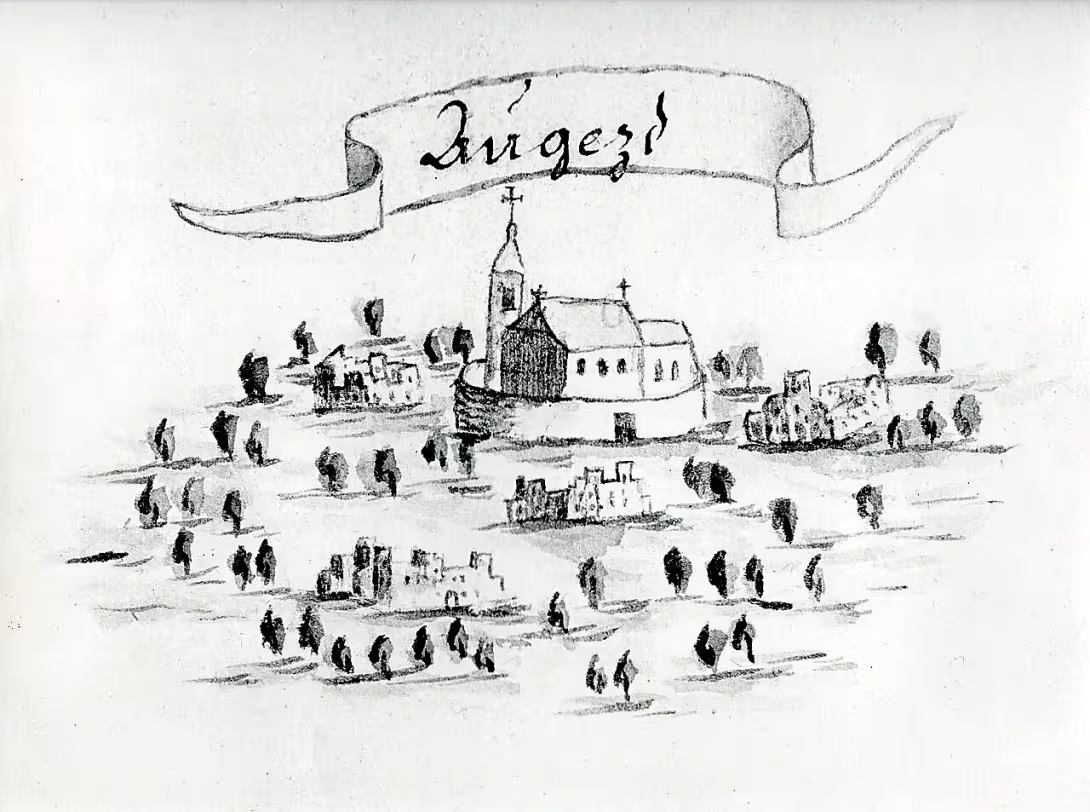
Objekt se nedochoval — na místě dnes nestojí. Následující text popisuje jeho historii, ne současnou návštěvu.
The Church of Saint Bartholomew in Újezd nad Lesy was an important ecclesiastical structure with deep historical roots dating back to the 14th century. Located in what is now Praha 9, near the intersection of Staroújezdská and Dubinská streets, this church played a vital role in its community's spiritual life until it was dissolved and demolished in 1807. Its history reflects broader ecclesiastical developments within Bohemia during a time when the region was part of the Holy Roman Empire.
The Church of Saint Bartholomew's origins are linked to Zderazský klášter, an order known as Božího hrobu in Prague, which held its patronage rights. Historical records from 1373 mention an exchange of parish priests between Újezd and another location called Záp, indicating the church’s longstanding presence and significance within the local religious landscape. Over time, it underwent several clerical changes, reflecting shifts in religious administration. By the late 14th century, notable figures such as Hanko z Libochovic and Albert, an altarist from Prague's metropolitan church, served as priests here. The church eventually became a filial to Uhříněvsi after its parish was dissolved.
Architecturally, while specific details of the Church of Saint Bartholomew’s design are not documented in surviving records, it is known that the building underwent various clerical changes over the centuries. These shifts were indicative of broader ecclesiastical developments within Bohemia during a time when religious and political landscapes were evolving significantly.
Ownership and administration of the church saw dramatic changes throughout its history. Initially under Zderazský klášter's patronage, it later became associated with Uhříněvsi. In 1787, a local parish was established under the Náboženské matice’s patronage but was short-lived, being dissolved in 1804 and replaced by one from Kolodějích. Antonín Hladík served as its last local priest before moving to Horní Stupné after the church's closure.
Key events in the church's history include its mention in records as early as the 14th century, highlighting its longstanding presence. In 1807, a significant event occurred when the church was dissolved and demolished following the blessing of a new church dedicated to Povýšení svatého Kříže in Kolodějích. Artifacts from the site included a bell dated 1486, which was preserved in Kolodějích. Following its demolition, the land passed into the ownership of Prince Liechtenstein, and various parcels were sold off.
Today, there is no physical structure remaining of the Church of Saint Bartholomew in Újezd nad Lesy. However, its historical significance remains a point of interest for those exploring the rich ecclesiastical history of Prague's surrounding areas. The site where it once stood offers insights into the religious and community life of past centuries. Visitors interested in Bohemia’s medieval church history may find this location worth exploring as part of a broader journey through the region’s historical landscape.
The Church of Saint Bartholomew, though no longer standing, continues to be an important marker of the spiritual and communal evolution within Újezd nad Lesy. Its story invites reflection on the dynamic interplay between religious institutions and local communities over centuries. For those intrigued by history, a visit to this site offers a unique glimpse into the past and its enduring legacy in shaping present-day cultural heritage.
Then and now
Drag the slider to compare how the landmark may have looked when it was built with the view today.
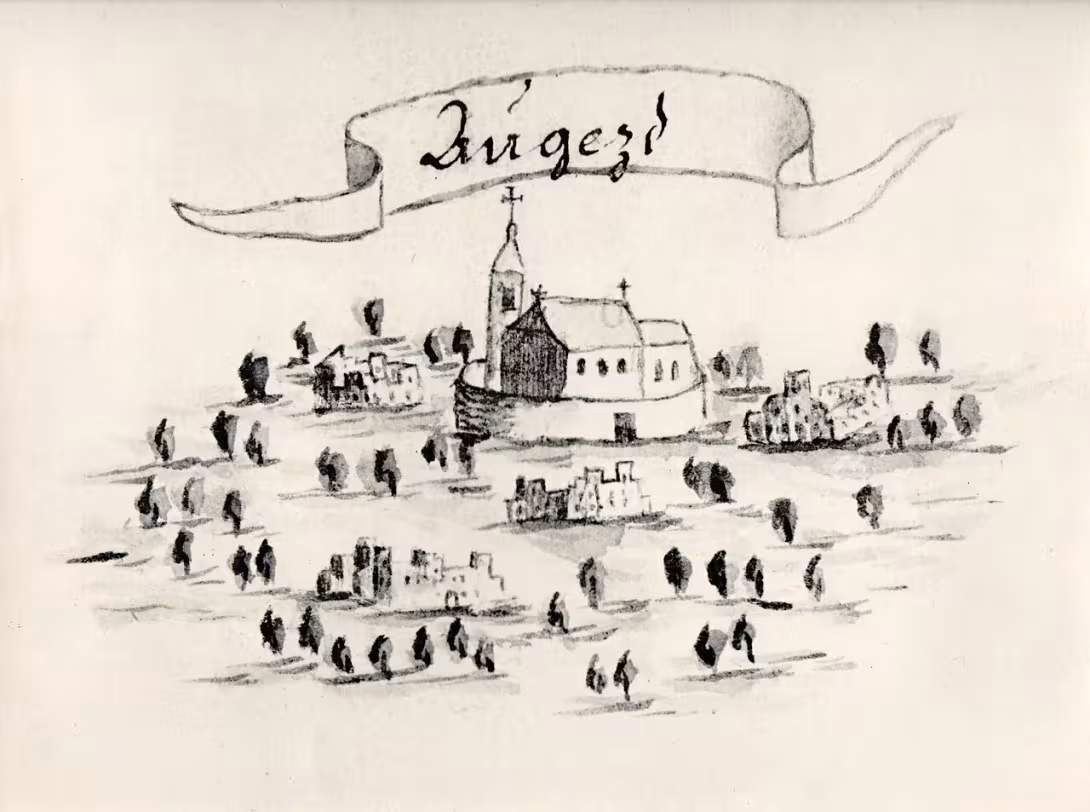

The historical appearance on the left is an AI-generated visualisation and serves as inspiration only.
Historical milestones
- 1373
- A record mentions an exchange of parish priests between Újezd and Záp.
- 1807
- The church was blessed anew in Kolodějích, leading to its dissolution and demolition.
Architectural development
The Church of Saint Bartholomew underwent several clerical changes over the centuries, reflecting shifts in religious administration. Initially under the patronage of Zderazský klášter, it later became a filial church to Uhříněvsi and eventually ceased operations before its demolition.
Historical events
The church was mentioned as early as the 14th century, indicating its longstanding presence in the region.
In 1807, the church was dissolved and demolished.
Points of interest
- The Church of Saint Bartholomew was originally under the patronage of Zderazský klášter, an order known as Božího hrobu in Prague, which highlights its connection to a significant religious community within the region.
- In 1373, there was an exchange of parish priests between Újezd and another location called Záp, indicating that the church had established relationships with other ecclesiastical sites early in its history.
- Notable figures such as Hanko z Libochovic and Albert, an altarist from Prague's metropolitan church, served as priests at the Church of Saint Bartholomew by the late 14th century, reflecting its importance within the religious hierarchy.
- The church’s bell, dated to 1486, was preserved after the building's demolition in 1807 and relocated to Kolodějích, serving as a tangible link to its historical presence.
- After the church's closure, the land where it once stood passed into the ownership of Prince Liechtenstein, illustrating how property transitions were influenced by noble interests following ecclesiastical changes.
Guide
This guide is narrated by a synthetic voice generated by artificial intelligence.
Show guide text
This text was created by artificial intelligence and has not been editorially reviewed. It may contain inaccuracies.
The Church of Saint Bartholomew in Újezd nad Lesy no longer stands today. It was probably located near the present-day intersection of Staroújezdská and Dubinská streets and was demolished in eighteen hundred seven. But its story reaches several centuries deeper into the past.
The church is mentioned as early as the fourteenth century. The right of presentation to it belonged to the Zderaz monastery of the Order of the Holy Sepulchre in Prague. A record from thirteen seventy-three documented an exchange of clergy: the Újezd chaplain Peter went to Záp and Bohuněk from Záp came to Újezd. After Bohuněk's death, the priest Hanko from Libochovic was confirmed in thirteen seventy-four, and in thirteen eighty the auxiliary priest Václav from Mšena. In thirteen ninety-three, the chaplain Přibyslav exchanged his position with Albert, an altar keeper of the altar of Saint Erasmus in the Prague metropolitan church. Albert is still listed as the Újezd chaplain in fourteen hundred eight.
The rectory later ceased to exist and the church became a daughter church of Uhříněves. In seventeen hundred, Újezd was listed as a completely deserted village. Only in seventeen eighty-seven did a small curacy arise at the church under the patronage of the religious foundation. It did not last long. In eighteen hundred four it was closed and replaced by a curacy from Kolodějí. The last Újezd curacy priest was Antonín Hladík, who after the church was closed went to Horní Stupná and became a parish priest there.
The fate of the church was sealed by the construction in Kolodějí. On June eighteenth, eighteen hundred seven, the new Kolodějí church of the Exaltation of the Holy Cross was consecrated, and the Újezd church was then closed and demolished. A picture of Saint Bartholomew and three bells went to Kolodějí. One of them, cast in fourteen eighty-six, was preserved there.
The land under the church, the cemetery, and the rectory went to Prince Liechtenstein. In eighteen eighty-four, the princely administration sold it, but with conditions. The farmers could take away the topsoil, the remains found were to be transferred to the new cemetery in Kolodějí, and the metal went to the princely agricultural administration. The pond with the spring was acquired by the Újezd municipality, and the other parcels were bought by smallholders. The land under the church and cemetery went to house number twenty-two. Work began before Christmas of that year. A large amount of stone was dug up from the church foundations and from the cemetery wall, and many remains were also found.
A new cemetery was established in Újezd only in nineteen hundred forty.
Businesses nearby
Do you run a restaurant, accommodation, shop, museum, rental, wellness or other visitor service near this monument? Show yourself directly to the people heading to it — this is how they will see you in the app and on the web:
Events nearby
Zdroj akcí: otevřená data měst a obcí ČR (Národní katalog otevřených dat) a kalendář akcí Národního památkového ústavu.
Visualizations and artistic views


The visualisations are generated by artificial intelligence and serve as inspiration.
Photos from the area
Real photos taken near the monument


Zdroj a licence jsou uvedeny u každého snímku.
Tips from visitors
No tips yet. Be the first!
Log in and add your tip.
Sources and literature
Photos: VJ / CC BY-SA 4.0 — Wikimedia Commons. The author and licence also appear when you hover over the image.
Location on the map
More monuments – Újezd nad Lesy
Show all in the municipality

Příběhy a pověsti
Legendy, pověsti a příběhy spjaté s touto památkou
Příběh: Kostel svatého Bartoloměje (Újezd nad Lesy)
Bylo to v pondělí ráno, kdy Václav zjistil, že jeho srdce se bolestně stahne jako by ho uchvátila hromadnice. Jeho cesta do kostela svatého Bartoloměje byla …
Číst příběh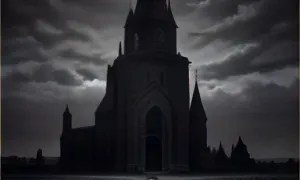
Pověst: Kostel svatého Bartoloměje (Újezd nad Lesy)
Staří obyvatelé Újezda nad Lesy vyprávějí, že v předvečer Bartolomějova svátku, kdy léto pomalu vydechuje svůj poslední žár a pole voní zralým obilím, bývalo…
Číst příběhFotografie návštěvníků
Zatím žádné fotografie. Buďte první, kdo přidá fotografii z návštěvy!
Log in a přidejte svou fotografii nebo hodnoťte.
Za ověřenou návštěvu v aplikaci získáte víc bodů — poznáme podle GPS, že jste na místě.
Reviews and comments