



Lhota Defunct village
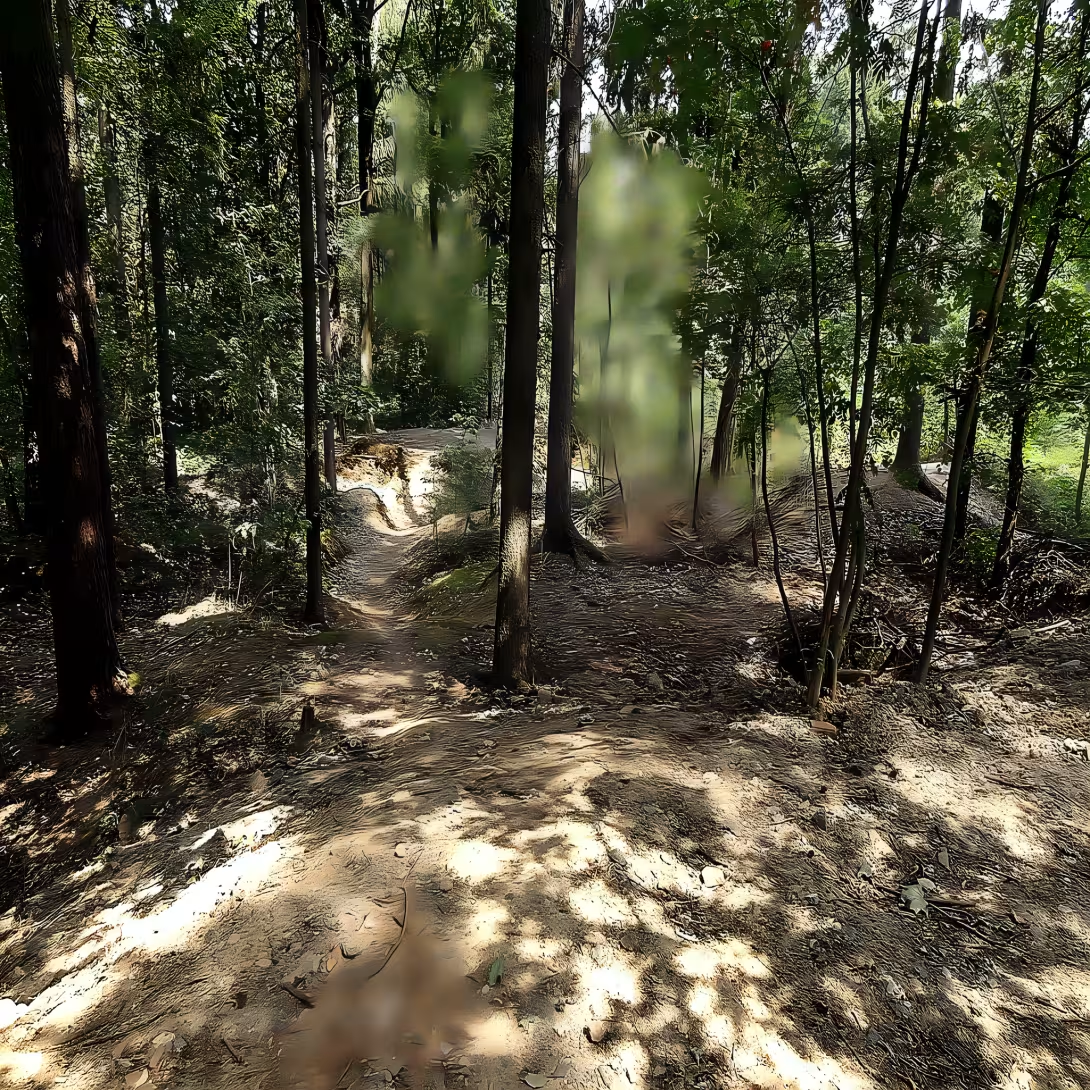
Lhota, an extinct medieval village, is located in the Vidrčka forest area on the eastern edge of the capital city of Prague. It is remarkable in its history and important position within the Prague region. Lhota is a desolate village that was held by various Prague townspeople in prehussite times.
Creation and historical context Lhota was created in the pre-Hussite period when urban life was developing in the Czech Republic and Prague townspeople began to build their property. There have been few reports of exactly when it was founded. The historian August Sedláček thought that Lhota might have been the same as Vidrholec, which was replanted after Hussite wars, but later also disappeared.
Architecture and creative representation In the middle of the 14th century, the parish church of St. Wenceslas was located in Lhota. Originally a wooden church was later converted to stone. After the passing of the church, the local name remained on Kostelík. The exact location of the church fell into oblivion for a long time, only during the construction of the water tower in 1973 did it discover its basic masonry.
Owners and fates The village was held by various Prague townspeople. In 1362 Václav of Olbramovice transferred it to his cousin Peshlín Bohuslav. The last mention of Lhota is from the year 1412, in connection with the dispute over local land.
Key events and attractions In 1412 there was a dispute between governments from the surrounding area over the land. The village probably died during the Hussite wars. The historian August Sedláček thought that Lhota might have been the same as Vidrholec, which was replanted after Hussite wars, but later also disappeared.
Today Lhota is now a extinct village located in the Vidrčka forest area on the eastern edge of the capital city of Prague. It is remarkable in its history and important position within the Prague region. If you want to become acquainted with the history and architecture of this defunct village, visit the location of the Vidrčlka forest.
Historical milestones
- before 1362
- Lhota's creation
- 1362
- Václav of Olbramovice transferred Lhota to his cousin Peštejil Bohuslav
- 1412
- Lhota land dispute
- 1412
- Last mention of Lhota
- around 1350
- The original wooden church of St. Wenceslas was built
- around 1350
- The original wooden church of St. Wenceslas was converted into stone
- 1973
- Discovering the basic wall of St. Wenceslas's Church
Historical events
disputed dispute between governments from nearby land in 1412
Owners
various Prague townspeople, Václav Franc from Olbramovice, Peshlín Bohuslav
Points of interest
- Lhota is an extinct medieval village located in the Vidrčlka forest area on the eastern edge of the capital city of Prague. The village was held by various Prague townspeople. - In the middle of the 14th century, the parish church of St. Wenceslas was located in Lhota. - The village probably died in Hussite wars. - Lhota is now a degraded village located in the Vidrčka forest area on the eastern edge of the capital city of Prague.
Guide
Show guide text
This text was created by artificial intelligence and has not been editorially reviewed. It may contain inaccuracies.
Welcome to the quiet and quiet space of the Vidrčka forest. You're standing in a place where the only thing you understand today is the rustling of old trees, the falling of leaves and the singing of birds, but try to close your eyes for a moment and soak up this atmosphere. It may seem to you that this place is just an ordinary piece of forest on the eastern edge of Prague, but below your steps is a layer of history that is far deeper than it seems at first sight. Feel this space not as a void, but as a place that remembers the lives of hundreds of people, their efforts, their prayers and their fear. Today, there are no walls, no roofs, no roads that lead to houses because time and nature have taken this place back. Yet you are here to touch the past that once took place here.
This extinct village was called Lhota. Its roots go deep into the medieval age, even before today's city boundaries began to form. Historical records tell us that Lhota was already in existence before the year thirty-two. At the time, it was not only a lonely group of cottages in the forest, but it was part of the wider world of Prague townspeople. This is very interesting because it shows how closely this village was connected to the capital. It was not just an isolated settlement, but a place owned by different people from Prague, which means that there was trade, movement of people and constant connection to the city that was lying nearby. Lhota was part of a vibrant chain that connected the forest landscape with busy life on urban streets.
Now, when you look around, you may see nothing but trees and grass, but pay attention to how light changes in this space and how you move in it. Even though there are no buildings here today that you could see, try to imagine in your mind the architecture that once stood here. Imagine the center of the village where the parish church of St. Wenceslas was once located. According to the old writings, this church was in the middle of the 14th century the complete center of village life. It's fascinating to imagine his transformation. Around the 1930s, this church was first built out of wood. Imagine the smell of fresh wood, the sound of hammers and the work of people trying to create a place for their prayers from the materials the forest offered them. Later, however, people felt the need for something more durable and firmer. In the same century, the church was converted into stone. Even if you don't see any stone walls or towers today, see this space as a place where it once met with the Stone and the Heavens. The transition from wood to stone was a symbol of the growth and stability of this settlement.
Let us now move on to the people who lived here and decided the fate of this place. History sometimes allows us to look into the lives of specific people, even though their faces are lost in the fog of time. In '62, an important moment took place here. Václav of Olbramovice decided to transfer Lhota to his cousin, a man named Peshlil Bohuslav. Imagine these family ties, these legal steps, and how one person could in one decision influence the lives of an entire village for many years to come. Lhota was not just a set of chalets, it was a property, a property that people cared about and fought for. This is confirmed by the year one thousand four hundred and twelve, when in our history there is a record of a dispute between local governments over land in Lhota. So even in this relatively small village, there were conflicts, rights were dealt with, and people defended their right to land.
And this is where we come to the greatest mystery of this place. Why doesn't Lhota exist today? Why did the place that was so important, which had a stone church and which was connected to Prague townspeople disappear from the maps? The last mention of Lhota dates back to a thousand four hundred and twelve. What happened shortly after that? Historians often believe that the fate of the village was linked to the devastating Hussite wars. These conflicts have brought chaos, fear and destruction to the countryside, which have not allowed many settlements to survive. Maybe the village was attacked, maybe people just couldn't live in danger and left their homes to hide deeper into the woods or go back to the cities. Lhota has thus become a extinct village that has disappeared into a green embrace of Vidrčka forest. It is a quiet and sad mystery - how quickly the whole place, which was full of voices and work, can lose its trail and leave behind only the silence of the forest.
Today you look at this place as a part of nature, but know that you are standing in a place where civilisation progress and the relentless course of history have been met. Every piece of this land has its own memory. Even if you don't see any ruins, even if you don't see any remnants of the walls, the presence of Lhota is still felt here in how this place differs from other parts of the forest. It's a place that requires respect and humble observation.
Now, I beg you, continue your journey through these woods. Walk on the roads that may have led to houses once, and perceive this space in its present form. Let yourself be carried away by silence and try to find the answers to the questions that have just given you this story. Thank you for joining me on this short journey in time and for stopping to honor Lhota's memory. We wish you a beautiful and peaceful walk further into the forest.
Tips for visitors
Best time to visit Lhoty is in the spring or autumn season when vegetation in Vidrčka forest is the most beautiful and light for photography. These months offer quiet moments without too many visitors.
When visiting, take with you suitable clothes according to the weather, shoes at ease and perhaps a piece of bread or fruit for short refreshments. Also remember the water and protective sunglasses.
For photography there are ideal places around the Vidrčka forest where you can look forward to the views of the extinct settlement and natural beauty. The best light offers morning or evening when the light is finer.
In the surroundings you can visit the village Újezd nad Lesy, which offers a quiet atmosphere and the opportunity to explore other parts of the forest. For families with children it is advisable to plan short walks or games in nature.
Frequently asked questions
Can the monument be visited?
This is an archaeological site. Often there is little to see on the ground and the land may be private. We have not verified access.
Where is the monument?
Location: Újezd nad Lesy, Hlavní město Praha. The map on this page shows the exact spot.
Why is the monument protected?
It is listed in the Central List of Cultural Monuments of the Czech Republic as a cultural monument (register no. 1000144664).
Businesses nearby
Do you run a restaurant, accommodation, shop, museum, rental, wellness or other visitor service near this monument? Show yourself directly to the people heading to it — this is how they will see you in the app and on the web:
Events nearby
Zdroj akcí: otevřená data měst a obcí ČR (Národní katalog otevřených dat) a kalendář akcí Národního památkového ústavu.
Nearby
les Vidrholce, obec Újezd nad Lesy, silnice I/12, Sibřina, Květnice
Accommodation nearby
Trips and activities nearby
Guided tours, tickets and activities nearby from GetYourGuide
Affiliate link: if you buy from the partner, we may receive a commission. The price for you does not change.
Search tours and activities →Themed route
Lhota Type: Vanished village Why is it worth a visit: The place where the settlement once stood now only reminds of the remains of the foundations and atmosphere of silence. It is an ideal point for thinking about the variability of human fate and the history of the region.
Újezd nad Lesy Type: Village Why is worth a visit: The default and end point of the route where you can find the basic background. The village offers a quiet environment to prepare for a trip or rest after a walk.
Les Vidrček Type: Forest Why is it worth a visit: The vast green that surrounds the extinct village and provides refuge from the sun. The walk here allows you to connect with nature and enjoy fresh air.
Road I / 12 Type: Transport artery Why is it worth a visit: The main access path to the location that determines the direction of the journey. Its existence defines the boundaries of the area and facilitates orientation between points.
Siberian Type: Village Why is it worth a visit: Neighborhood, which complements the picture of the region. It offers another option for a short stop or observation of life in nearby villages.
Flowers Type: Village Why is it worth a visit: Another neighboring village in the area that closes the circle of the trip. Its location helps to understand the distribution of settlements in this part of the landscape.
The route can be started in the village Újezd nad Lesy, from where you can reach the main destination of the village Lhota. After exploring the local remains, you can go to Vidrčka forest for a quiet walk. On the way back or as an alternative stop you can visit the villages of Sibrána and Florice, which lie in the immediate surroundings and complement the overall impression of a trip in this specific landscape.
Seasonal recommendations
Spring: During the spring season Lhota receives specific dazzling lighting over forests, which is created by long sunny days and flowering trees. Nature is waking up from the cold and the whole area is starting to live a new life. At this time it is advisable to visit this historical monument in the early spring season, when the crowds are minimal. It is recommended to wear clothes according to temperature and wear shoes for walking on endless lawns. The best time is in the morning when calm and atmosphere are filled with the sound of nature.
Summer: In summer, Lhota is transformed over the forest into a place full of life and light. Long sunny days allow a long walk, but at the same time they also bring higher attendance. It is advisable to visit this memory in the early afternoon time to avoid the hottest hours and crowds. It is recommended to wear light clothes and wear a protective sun tie. Don't forget to bring drinks with you because water is key to maintaining energy during the visit.
Autumn: In the autumn period Lhota takes over the forest melancholy and mysterious atmosphere. Tree leaves turn to gold, red or yellow, creating a beautiful background for walking around historical places. It is advisable to visit this monument at an early afternoon time when the temperature is pleasantly mild and the crowd is minimal. It is recommended to wear clothes according to temperature and wear shoes suitable for walking on leaves.
Winter: During the winter season Lhota takes over the forests a quiet and quiet atmosphere. Freezing weather conditions make the visit beautiful but requiring preparation. It is advisable to visit this monument in the early afternoon time when the temperature is milder and the crowd is minimal. It is recommended to wear warm clothes, including leather gloves and wide hats, and wear shoes suitable for chilled surfaces. Do not forget to check the current information about the opening of the monument, as in winter the times of its operation may be limited.
Visualizations and artistic views


The visualisations are generated by artificial intelligence and serve as inspiration.
Photos from the area
Real photos taken near the monument


Zdroj a licence jsou uvedeny u každého snímku.
Tips from visitors
No tips yet. Be the first!
Log in and add your tip.
Sources and literature
Photos: MartinVeselka / CC BY-SA 4.0, rozlišení zvýšeno umělou inteligencí — Wikimedia Commons. The author and licence also appear when you hover over the image.
Faktickým podkladem tohoto textu byl článek na Wikipedii, jehož autory jsou přispěvatelé Wikipedie. Článek je dostupný pod licencí CC BY-SA 4.0.
Location on the map
Příběhy a pověsti
Legendy, pověsti a příběhy spjaté s touto památkou
Fotografie návštěvníků
Zatím žádné fotografie. Buďte první, kdo přidá fotografii z návštěvy!
Log in a přidejte svou fotografii nebo hodnoťte.
Za ověřenou návštěvu v aplikaci získáte víc bodů — poznáme podle GPS, že jste na místě.
Reviews and comments