






Kostel svatého Bartoloměje (Vimperk II) Church
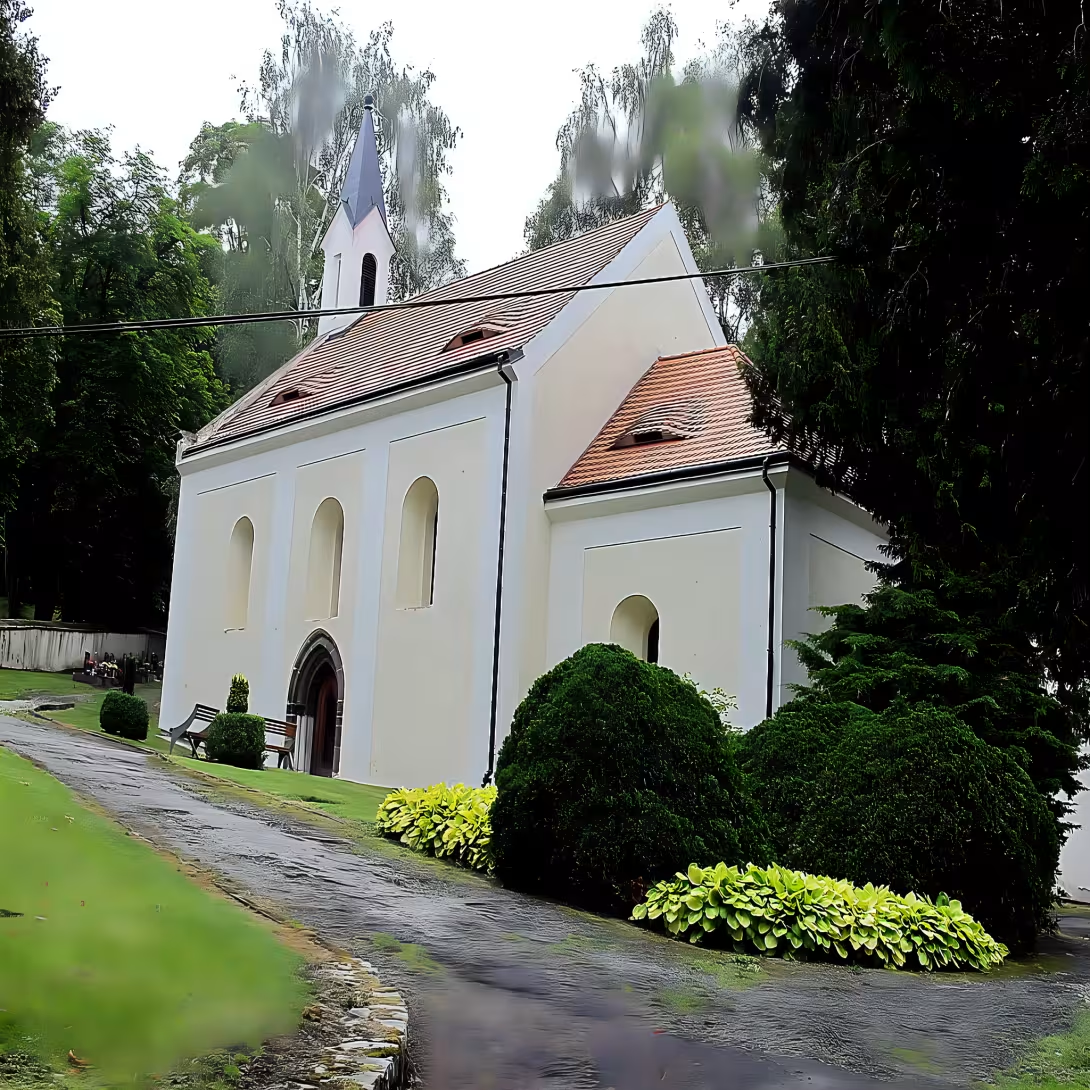
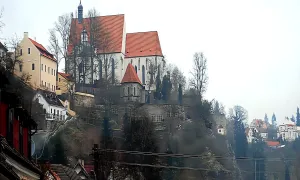
The Church of Saint Bartholomew in Vimperk is a significant historical monument within the historic zone of Vimperk, Prachatice District, Jihočeský kraj. Originally constructed as a Gothic structure around 1279, it stands as one of the town's oldest ecclesiastical buildings and serves as an important architectural and cultural landmark. The church is noted for its rich history, including stylistic transformations from Gothic to Renaissance, Baroque, and Neo-Gothic periods, reflecting the region's spiritual and cultural evolution over centuries.
The origins of the Church of Saint Bartholomew are linked with the early settlement of the Šumava region and a nearby castle. Its initial design was Gothic, featuring a single nave and polygonal presbytery. The first documented mention dates back to 1359, indicating its longstanding presence in the community. Over time, the church underwent several modifications: Renaissance changes occurred in the 16th century, followed by Baroque alterations after a fire in 1708. In 1857, it was restored in the Neo-Gothic style, enriching its architectural narrative.
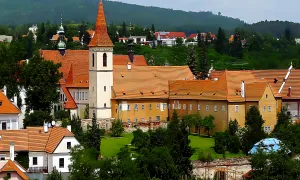
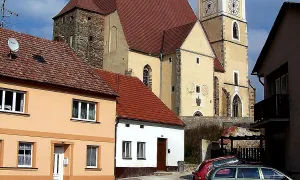
Architecturally, the church showcases elements from various periods. The exterior is characterized by lisenes that highlight its original Gothic character. Its southern façade features a three-part division with an early Gothic portal adorned with calyx-shaped capitals on side columns. The western gable, modified in the Neo-Gothic style, includes an ornate tracery band and a small tower with arched windows, topped by a pyramidal roof. Inside, the church maintains its single-nave layout with a presbytery that features a cross-ribbed vault supported by five-sided ribs emerging from conical consoles.
Throughout its history, the Church of Saint Bartholomew has witnessed several key events and transformations. A significant moment occurred in 1971 during reconstruction efforts when previously hidden frescoes were uncovered, adding to its artistic value. The church's interior reflects a blend of styles: originally Gothic, it was modified with Baroque elements such as a raised ceiling with lunettes and a vaulted structure. The presbytery is adorned with a star-shaped motif and vegetal ornamentation, enhancing its vertical emphasis.
Today, the Church of Saint Bartholomew stands protected as a cultural monument within the Czech Republic's historic zone in Vimperk. Its rich history and architectural diversity make it an intriguing site for visitors interested in exploring historical and artistic evolution. The church's surroundings include a defensive wall from the late 15th century and a Baroque chapel built between 1708 and 1714, adding to its cultural significance. For those drawn to historical architecture and ecclesiastical heritage, a visit offers an insightful glimpse into the past and its enduring legacy.
The Church of Saint Bartholomew in Vimperk is not only a testament to architectural ingenuity but also a symbol of the region's spiritual journey through time. Its preservation as a cultural monument ensures that future generations can appreciate its historical significance and artistic beauty. Visitors are invited to explore this remarkable site, where history and art converge, offering a unique window into the past.
Then and now
Drag the slider to compare how the landmark may have looked when it was built with the view today.
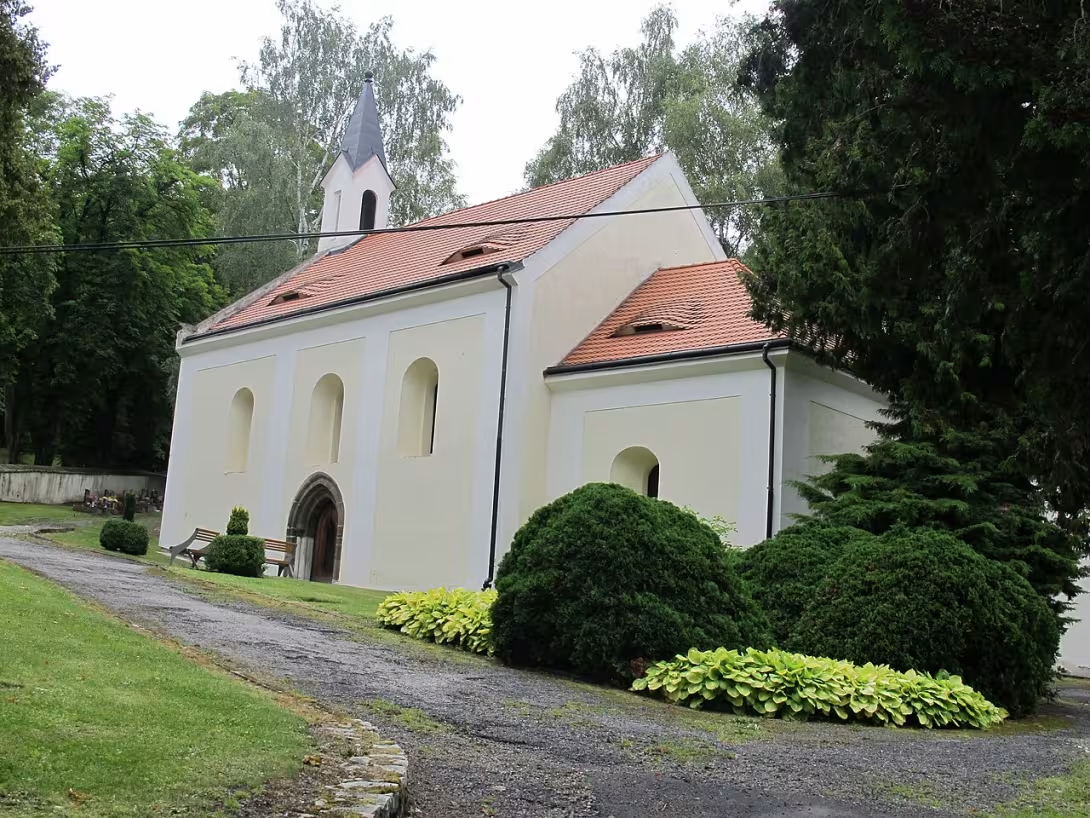
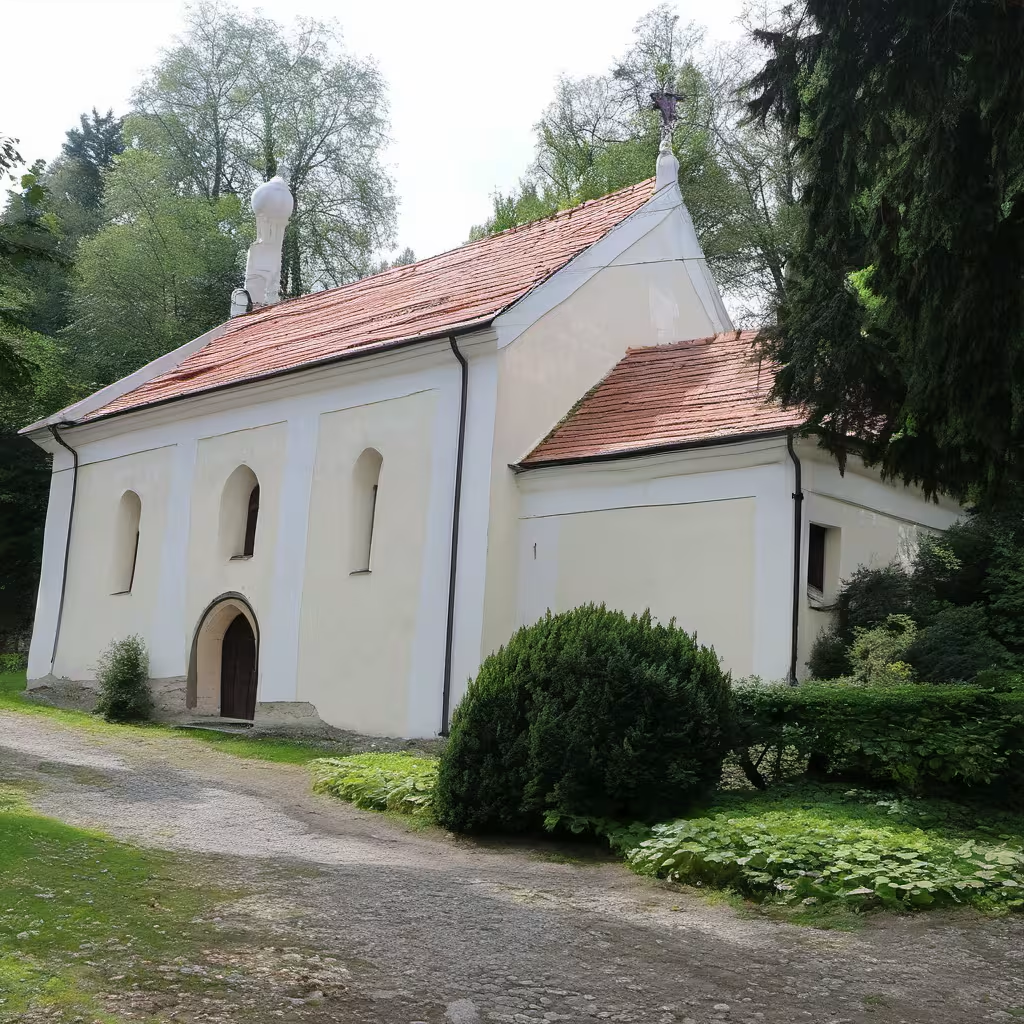
The historical appearance on the left is an AI-generated visualisation and serves as inspiration only.
Historical milestones
- 1279
- Construction of the church began.
- 1359
- First written mention of the church.
- 1708
- The church was modified in Baroque style after a fire.
- 1857
- Neo-Gothic restoration took place.
- 1971
- Reconstruction uncovered hidden frescoes.
Architectural development
The church began as a Gothic structure with a single nave and polygonal presbytery. It underwent Renaissance changes in the 16th century, Baroque modifications after a fire in 1708, and Neo-Gothic restoration in 1857. The exterior features lisenes indicating its original Gothic character.
Historical events
The church was originally built in 1279, likely associated with the early settlement of the Šumava region and the construction of a nearby castle. A fire in 1708 led to Baroque modifications, followed by Neo-Gothic restoration in 1857.
In 1971, a reconstruction uncovered previously hidden frescoes.
Points of interest
- During the 16th-century Renaissance modifications, it is believed that a secret passage was constructed within the church to facilitate discreet movement between the castle and the church, reflecting the strategic importance of both structures in medieval times.
- Legend has it that during its Baroque transformation after the 1708 fire, a local stonemason embedded a hidden time capsule beneath the altar, containing artifacts from each architectural period the church had undergone, as a tribute to future generations.
- An intriguing anecdote suggests that the ornate tracery band on the western gable was designed by an apprentice who fell in love with the master's daughter; his initials are subtly integrated into the design, symbolizing their secret romance.
- In 1857, during its Neo-Gothic restoration, a mysterious benefactor funded the entire project anonymously. Some local folklore claims this benefactor was a descendant of the original builders seeking to honor their family legacy without revealing their identity.
- The discovery of frescoes in 1971 led to speculation that they depicted a forgotten saint unique to the region, sparking interest among historians and theologians who have since sought evidence of this enigmatic figure's existence.
Guide
This guide is narrated by a synthetic voice generated by artificial intelligence.
Show guide text
This text was created by artificial intelligence and has not been editorially reviewed. It may contain inaccuracies.
Welcome to the historic Church of Saint Bartholomew in Vimperk, a remarkable testament to Gothic architecture and cultural heritage. As you stand here, take a moment to absorb the grandeur of this structure nestled within the historic zone of Vimperk. Notice how its presence weaves seamlessly into the rich tapestry of the town's history.
The origins of this church trace back to 1279 when construction began, marking an era of spiritual and architectural ambition in the region. By 1359, it was already a recognized entity, with written records acknowledging its existence. Over centuries, the church has witnessed significant transformations; notably, in 1708, following a devastating fire, it embraced Baroque modifications that added layers to its historical narrative. The Neo-Gothic restoration of 1857 further enriched its architectural dialogue, while the uncovering of hidden frescoes during the 1971 reconstruction revealed glimpses into its artistic past.
As you gaze upon the church now, take in the intricate interplay of Gothic elements with later Baroque influences. While specific architects remain unknown, their vision is evident in every detail—from the robust structure to the subtle adornments that hint at its storied history. The frescoes, once concealed and now visible, invite a closer look, offering insights into the artistic endeavors that have adorned this sacred space over time.
While there are no prominent historical figures directly linked to this church, it stands as a silent witness to countless lives and events that have unfolded in its shadow. Imagine the many generations who have walked these grounds, drawn by faith or curiosity, each leaving an indelible mark on its legacy.
A fascinating aspect of this church is the legend from the 16th century when Renaissance modifications introduced a secret passage connecting it to the nearby castle. This clandestine route underscores the strategic importance both structures held in medieval times, offering a glimpse into the ingenuity and intrigue that characterized those eras.
As you continue your exploration, let your curiosity guide you through its corridors and around its perimeter. Each step is an opportunity to connect with history, to feel the echoes of past lives reverberating within these walls. We invite you to delve deeper into the stories this church has to tell, discovering layers of meaning in every corner.
Thank you for joining us on this journey through time at the Church of Saint Bartholomew. May your visit inspire a lasting appreciation for the cultural and spiritual heritage it represents.
Tips for visitors
The best time to visit the Church of Saint Bartholomew in Vimperk is during late spring or early autumn when the weather is pleasant, allowing you to comfortably explore both the church and its surrounding historical cemetery turned urn garden. These seasons offer mild temperatures and beautiful natural lighting that enhance the Gothic architecture and frescoes inside the church. Additionally, visiting outside of peak tourist season can provide a more serene experience with fewer crowds.
Frequently asked questions
Can the monument be visited?
Religious buildings are usually open mainly during services; at other times a visit is normally arranged with the parish or the operator. We have not verified specific times.
Where is the monument?
Location: Vimperk II, Jihočeský kraj. The map on this page shows the exact spot.
Why is the monument protected?
It is listed in the Central List of Cultural Monuments of the Czech Republic as a cultural monument (register no. 20893/3-3832).
Businesses nearby
Do you run a restaurant, accommodation, shop, museum, rental, wellness or other visitor service near this monument? Show yourself directly to the people heading to it — this is how they will see you in the app and on the web:
Nearby
The church is situated on an old cemetery, which became an urn garden in the late 19th century due to the construction of a new cemetery nearby. The area features a defensive wall dating back to the end of the 15th century.
Accommodation nearby
Themed route
Thematic Walking Tour: The Church of St. Bartholomew and Its Historical Surroundings
1. Kostel svatého Bartoloměje (Church of St. Bartholomew) - Religious Site Begin your journey at the heart of this tour, the Church of St. Bartholomew, a significant religious site in Vimperk. Dating back to the 14th century with later modifications, it stands as an emblematic example of Gothic architecture. The church's historical and architectural significance makes it a must-visit for those interested in ecclesiastical history and medieval art.
2. Old Cemetery - Historical Site Just outside the Church of St. Bartholomew lies the old cemetery, which has been transformed into an urn garden since the late 19th century. This site offers a unique glimpse into local burial traditions and historical changes in cemetery practices following the establishment of a new cemetery nearby. The serene atmosphere provides a reflective space to appreciate the continuity of history.
3. Defensive Wall - Historical Site A short walk from the church, you'll encounter the remnants of a defensive wall dating back to the end of the 15th century. This structure is an integral part of Vimperk's medieval fortifications and offers insights into the town’s historical defense mechanisms. Exploring this site allows visitors to connect with the strategic importance of Vimperk during turbulent times in history.
This tour provides a compact yet enriching exploration of Vimperk's historical and cultural heritage, focusing on key sites that highlight its religious, architectural, and defensive past.
Seasonal recommendations
Spring: Visiting the Church of St. Bartholomew during spring offers a picturesque experience as nature awakens around Vimperk. The landscape is adorned with blooming wildflowers and lush greenery, enhancing the church's historic charm with vibrant colors and fresh scents. This season provides softer lighting that gently illuminates the intricate architectural details of the church. Visitors should dress in layers to accommodate fluctuating temperatures typical of spring weather. Early mornings or late afternoons are ideal for exploring when there are fewer crowds, allowing for a more serene experience.
Summer: Summer is an excellent time to visit the Church of St. Bartholomew due to its warm and inviting atmosphere. The long daylight hours offer ample opportunity to appreciate the church's architecture under bright sunlight, which highlights the textures and colors beautifully. However, this season can attract larger crowds, especially during peak tourist periods in the area. To avoid the midday heat and busy times, consider visiting early in the morning or later in the afternoon. Comfortable walking shoes and light clothing are recommended for exploring both the church and surrounding areas.
Autumn: Autumn brings a magical ambiance to the Church of St. Bartholomew with its warm hues of reds, oranges, and yellows enveloping the landscape. The cooler temperatures and milder weather make it an ideal time for leisurely strolls through Vimperk's historic streets. The church itself is beautifully framed by autumn foliage, creating a stunning backdrop for photography enthusiasts. Visitors should dress warmly in layers to adapt to changing conditions throughout the day, and enjoy the quieter atmosphere as tourist numbers begin to wane.
Winter: Winter transforms the Church of St. Bartholomew into a serene and enchanting destination, with snow-covered surroundings that add a touch of magic to its historic architecture. The shorter days mean that lighting is softer, casting gentle shadows and creating a cozy atmosphere perfect for reflection. It's important to dress warmly in insulated clothing and wear sturdy boots due to potential icy conditions. Winter offers a quieter experience with fewer visitors, allowing for a more intimate exploration of the site.
Visualizations and artistic views


The visualisations are generated by artificial intelligence and serve as inspiration.
Photos from the area
Real photos taken near the monument


Zdroj a licence jsou uvedeny u každého snímku.
Atmosphere of the place
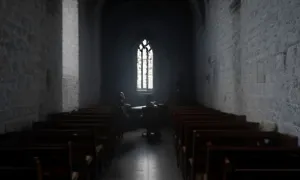
This atmospheric visualisation of the place and period was generated by artificial intelligence. It is not real footage of the location.
Tips from visitors
No tips yet. Be the first!
Log in and add your tip.
Sources and literature
Photos: Hadonos / CC BY-SA 3.0, rozlišení zvýšeno umělou inteligencí — Wikimedia Commons. The author and licence also appear when you hover over the image.
Faktickým podkladem tohoto textu byl článek na Wikipedii, jehož autory jsou přispěvatelé Wikipedie. Článek je dostupný pod licencí CC BY-SA 4.0.


Příběhy a pověsti
Legendy, pověsti a příběhy spjaté s touto památkou
Příběh: Kostel svatého Bartoloměje (Vimperk II)
Bylo to v pondělí ráno, kdy Martin z Veymara, duchovní správce kostela svatého Bartoloměje, otevřel úzký průchod vedoucí do temné kaple. Pára jeho dechu se r…
Číst příběh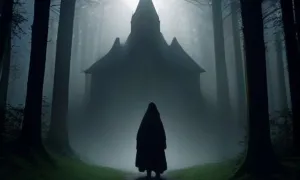
Pověst: Kostel svatého Bartoloměje (Vimperk II)
Traduje se, že kdysi dávno, v dobách, kdy Šumava byla divočejší a mlhy se nad vimperským údolím držely i v poledne, spojovaly kostel svatého Bartoloměje a zd…
Číst příběhFotografie návštěvníků
Zatím žádné fotografie. Buďte první, kdo přidá fotografii z návštěvy!
Log in a přidejte svou fotografii nebo hodnoťte.
Za ověřenou návštěvu v aplikaci získáte víc bodů — poznáme podle GPS, že jste na místě.
Reviews and comments