






kostel svatého Bartoloměje (Žebětín) Church
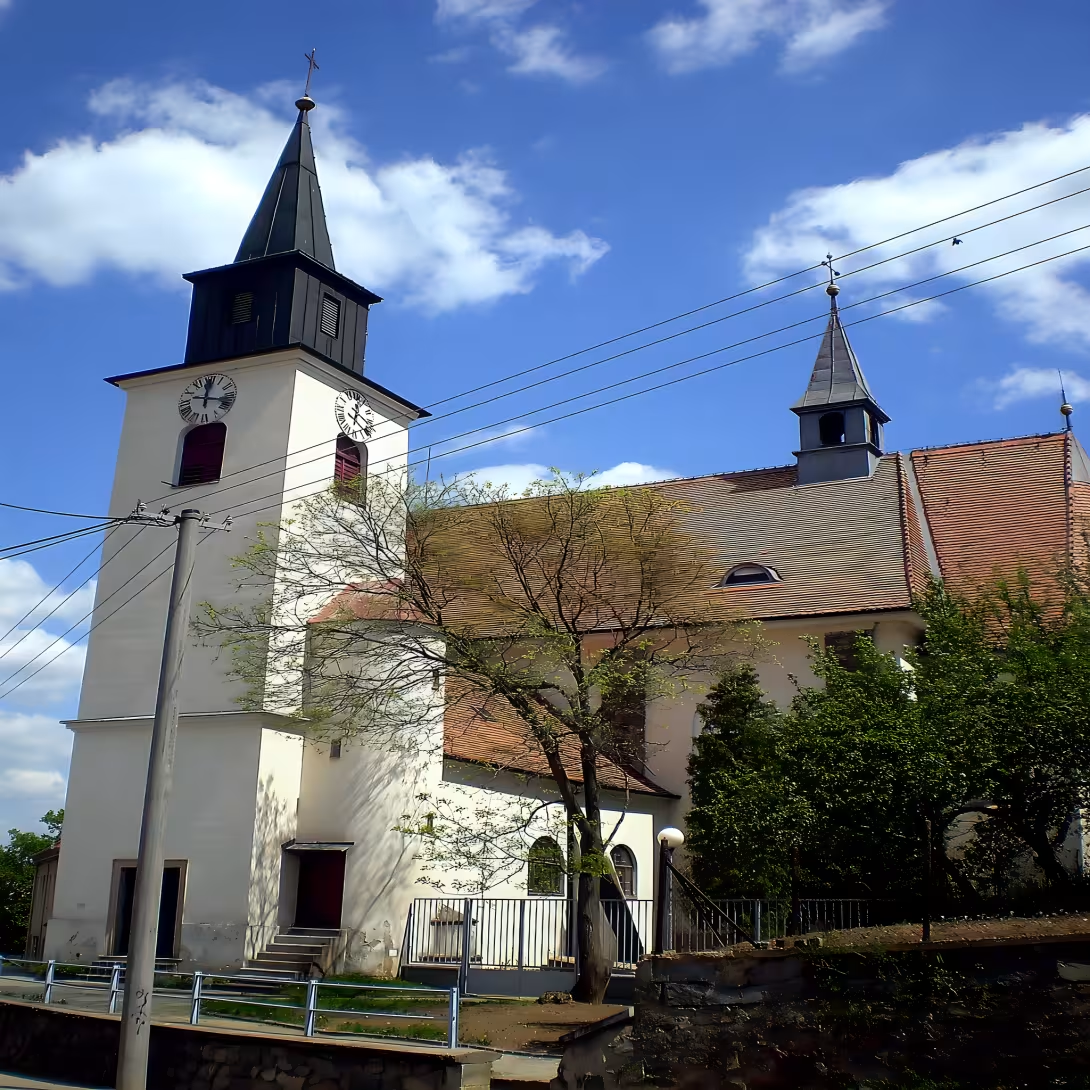
The Church of Saint Bartholomew in Žebětín stands as a remarkable testament to resilience and adaptation through centuries. Located in Brno-Žebětín, part of the city of Brno, this Roman Catholic church is recognized as a cultural monument of the Czech Republic. Its origins trace back to the 14th century when it was founded by Eliška Rejčka, daughter of Přemysl II, marking its significance in both religious and regional history. Over time, the church has evolved from its initial structure into a modern sanctuary that continues to serve its community.
The foundation of the Church of Saint Bartholomew occurred during a period when Bohemia was part of the Holy Roman Empire under the Přemyslid dynasty's rule. Eliška Rejčka initiated its establishment in the 14th century, alongside her efforts to found the nearby Church of Saint Lawrence in Komíně. This era set the stage for the church’s enduring legacy within the region.
Throughout its history, the church has faced significant challenges and transformations. During the Thirty Years' War, which ravaged much of Europe from 1618 to 1648, the church suffered considerable damage. Restoration efforts were undertaken in 1732, revitalizing the structure for continued use. The early 19th century brought further administrative changes when, due to a shortage of clergy, the parishes in Komíně, Bystrci, and Žebětín were united under a single spiritual administration led by the Komíně parish priest.
As the community grew, so did the need for a larger church. By 1923, the increasing number of parishioners necessitated the construction of a new, more spacious building. This development incorporated parts of the original structure as a side chapel, preserving its historical essence while accommodating modern needs. The church's evolution continued into the late 20th century with extensive renovations beginning in 1992.
Today, the Church of Saint Bartholomew stands not only as a place of worship but also as a cultural landmark that reflects the rich history and resilience of Žebětín. Visitors can explore its architectural features and appreciate its role within the community over centuries. The church remains accessible to those interested in experiencing a piece of Czech heritage, inviting reflection on its historical journey and continued relevance.
The Church of Saint Bartholomew is more than just a religious site; it embodies the spirit of adaptation and endurance through turbulent times. Its story invites visitors to delve into the layers of history that have shaped this enduring monument, making it a worthwhile destination for anyone interested in exploring the cultural tapestry of Brno-Žebětín.
Then and now
Drag the slider to compare how the landmark may have looked when it was built with the view today.
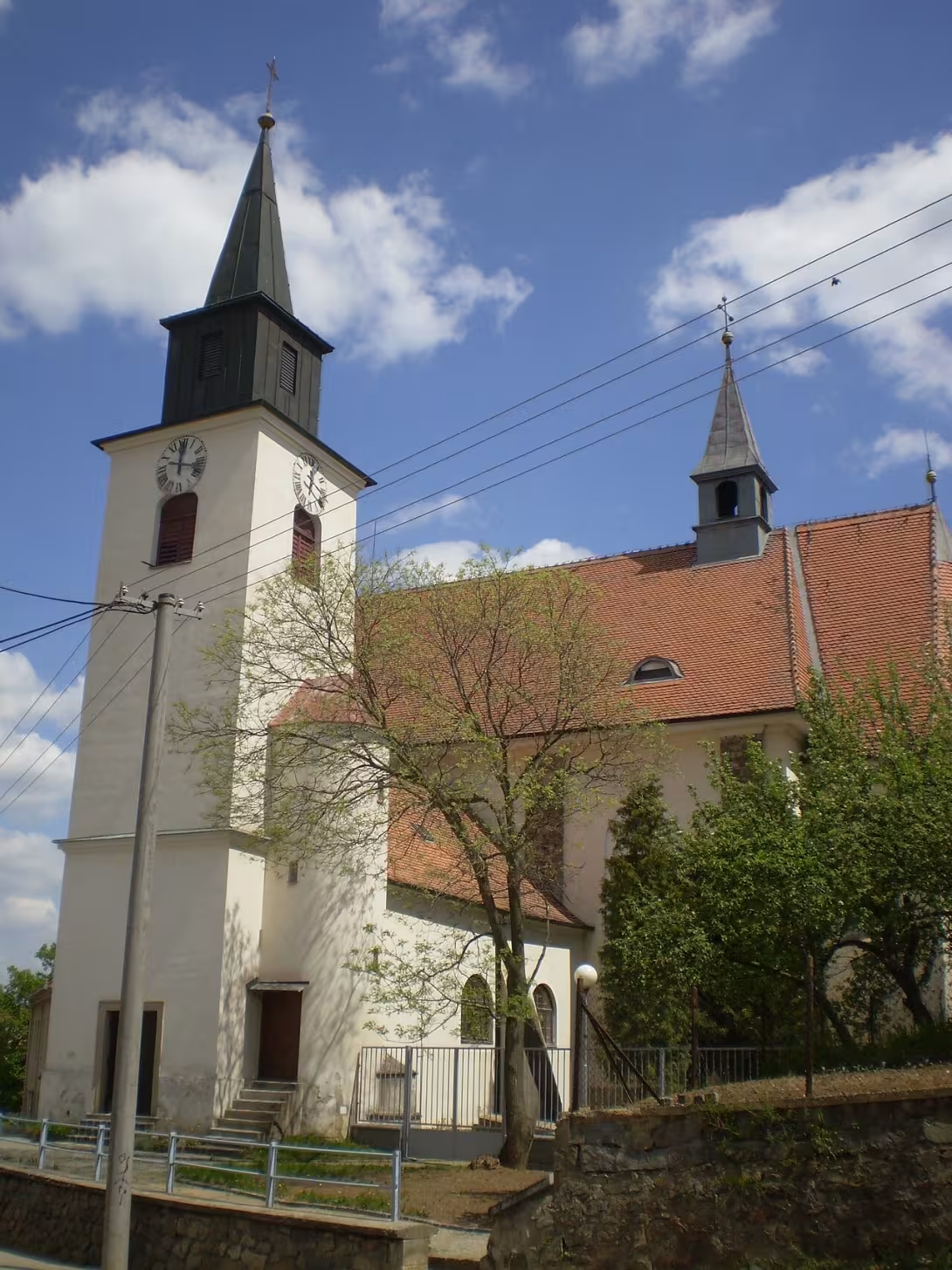
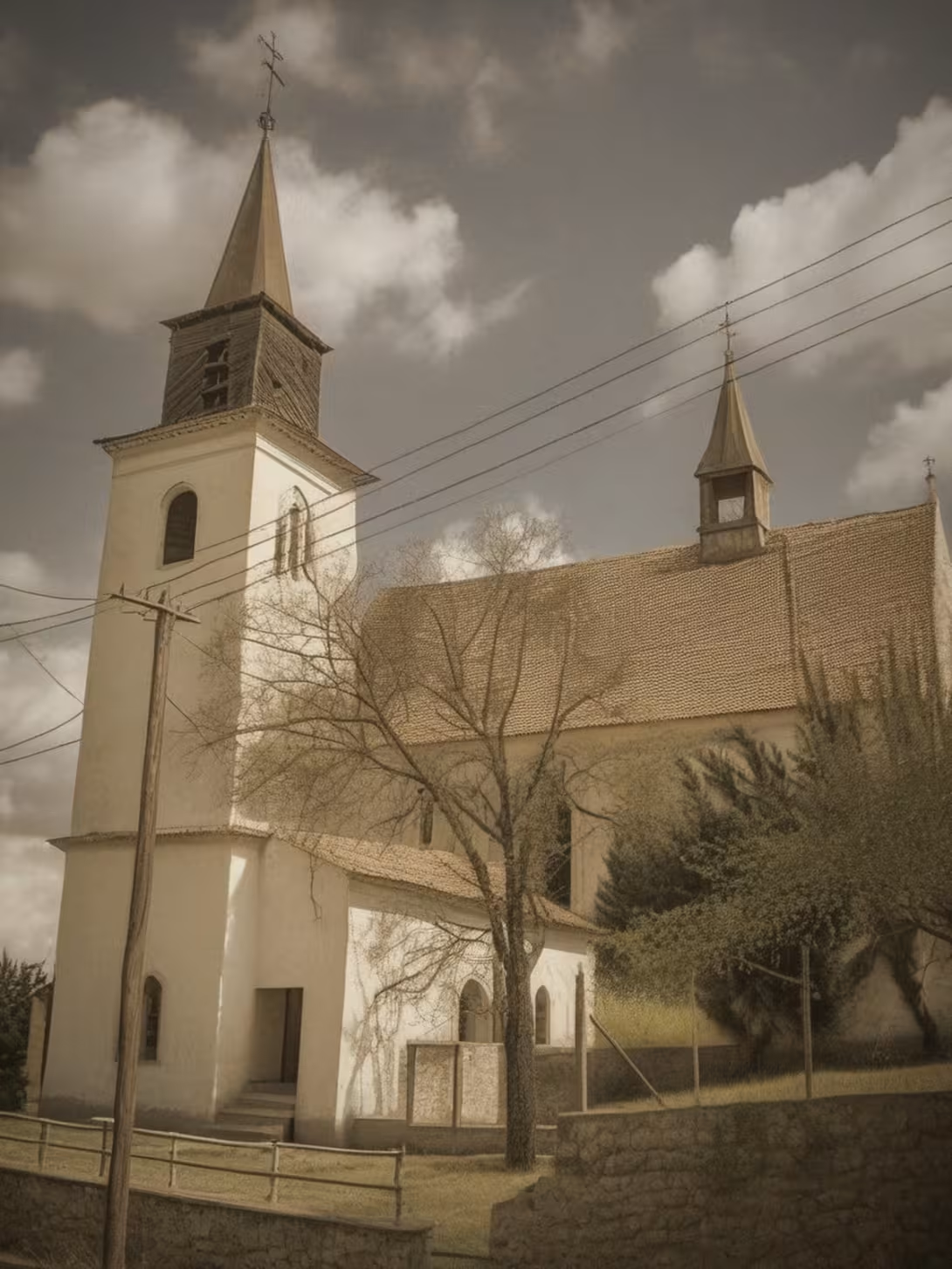
The historical appearance on the left is an AI-generated visualisation and serves as inspiration only.
Historical milestones
- 1437
- The parish is first mentioned.
- 1633
- Parishes in Komíně, Bystrci, and Žebětín were united under a single spiritual administration due to a lack of clergy.
- 1732
- The church was restored after damage from the Thirty Years' War.
- 1787
- The parish house was rebuilt.
- 1869
- Žebětín was elevated to an independent parish.
- 1923
- A new larger church was built due to the growing number of parishioners.
Architectural development
The Church of Saint Bartholomew has undergone several phases of development. Initially founded in the 14th century, it faced significant damage during the Thirty Years' War and was restored in 1732. By the early 20th century, a new church was constructed to accommodate an increasing number of parishioners, with parts of the original structure integrated as a side chapel.
Historical events
Founded by Eliška Rejčka in the 14th century.
Significantly damaged during the Thirty Years' War and later restored in 1732.
A new church was built in 1923 to accommodate more parishioners.
Points of interest
- The Church of Saint Bartholomew was founded by Eliška Rejčka, a notable historical figure as the daughter of Přemysl II, which underscores its connection to Bohemia's ruling dynasty during the 14th century. - During the Thirty Years' War, the church endured significant damage, reflecting the widespread destruction that affected much of Europe at the time and highlighting its resilience in surviving such turbulent periods.
- In a unique administrative shift in the early 19th century due to clergy shortages, the parishes of Komíně, Bystrci, and Žebětín were united under one spiritual administration, illustrating an adaptive approach to managing religious communities during challenging times.
- The construction of a new church building in 1923 incorporated parts of the original structure as a side chapel, demonstrating a blend of preservation and modernization that allowed historical elements to coexist with contemporary needs.
- Extensive renovations starting in 1992 signify ongoing efforts to maintain and enhance the church's architectural and cultural significance, ensuring its continued role as both a place of worship and a heritage site for future generations.
Guide
This guide is narrated by a synthetic voice generated by artificial intelligence.
Show guide text
This text was created by artificial intelligence and has not been editorially reviewed. It may contain inaccuracies.
The Roman Catholic Church of Saint Bartholomew is located in the Brno district of Žebětín and is protected as a cultural monument of the Czech Republic.
Its origins date back to the 14th century. It was founded by Eliška Rejčka, the daughter of Přemysl the Second. The same ruler also initiated the founding of the Church of Saint Lawrence in the nearby Komín. The local rectory is mentioned as early as 1437.
Difficult times came with the Thirty Years' War, during which the church and rectory were significantly damaged. Priests were scarce, so in 1633 the parishes in Komín, Bystrci and Žebětín were merged under the common administration of the Komín priest. The Žebětín church was renovated in 1732, and the rectory building in 1787. Žebětín became an independent parish again only in 1869.
At the turn of the 19th and 20th centuries, the church was no longer sufficient for the growing number of believers. Therefore, in 1923 a new, more spacious church was built. However, the original building did not completely disappear; part of it became a side chapel. In 1992, extensive reconstruction of the church began.
Tips for visitors
The best time to visit the Church of Saint Bartholomew in Žebětín is during late spring or early autumn when the weather is mild, and the surrounding nature is particularly beautiful. These seasons offer pleasant temperatures for walking around the area and exploring nearby sites. Additionally, visiting outside peak tourist season can provide a more serene experience with fewer crowds.
Brno has a well-connected public transport system that includes buses and trams, which can take you close to Žebětín. Always check the latest routes and schedules on local transit websites for convenience.
When visiting the Church of Saint Bartholomew, it's recommended to bring comfortable walking shoes as there may be some uneven paths in the area. A camera is also a good idea, especially if you're interested in capturing the architectural details of the church or the scenic views around Žebětín. For photography enthusiasts, early morning light provides soft illumination that enhances the textures and colors of the historic structures.
For families with children, visiting the Church of Saint Bartholomew can be an educational experience as well as a leisurely outing. The area offers open spaces where kids can play safely while parents explore the church. Nearby attractions within 30 minutes include the Church of Saint Lawrence in Komíně, which provides additional historical context and architectural interest for those interested in exploring more of Brno's heritage.
Frequently asked questions
Can the monument be visited?
Religious buildings are usually open mainly during services; at other times a visit is normally arranged with the parish or the operator. We have not verified specific times.
Where is the monument?
Location: Křivánkovo náměstí, Žebětín, Brno, Jihomoravský kraj. The map on this page shows the exact spot.
Why is the monument protected?
It is listed in the Central List of Cultural Monuments of the Czech Republic as a cultural monument (register no. 25146/7-1105).
Businesses nearby
Do you run a restaurant, accommodation, shop, museum, rental, wellness or other visitor service near this monument? Show yourself directly to the people heading to it — this is how they will see you in the app and on the web:
Events nearby


Zdroj akcí: otevřená data měst a obcí ČR (Národní katalog otevřených dat) a kalendář akcí Národního památkového ústavu.
Nearby
The Church of Saint Bartholomew is located in Brno-Žebětín, a part of Brno. The area features other historical sites such as the nearby Church of Saint Lawrence in Komíně, founded by Eliška Rejčka around the same time.
Accommodation nearby
Trips and activities nearby
Guided tours, tickets and activities nearby from GetYourGuide
Affiliate link: if you buy from the partner, we may receive a commission. The price for you does not change.
Search tours and activities →Themed route
Tematická výletní trasa: Historické kostely v Žebětíně
1. Kostel svatého Bartoloměje (Žebětín) - Typ: Kostel - Proč stojí za návštěvu: Tento barokní kostel je nejen hlavním cílem naší trasy, ale také klíčovou památkou v Žebětíně. Jeho historie sahá do 14. století a nabízí návštěvníkům pohled na bohatou architekturu a duchovní tradici oblasti.
2. Kostel svatého Vavřince (Komíně) - Typ: Kostel - Proč stojí za návštěvu: Nacházející se v blízkém Komíně, tento kostel byl založen Eliškou Rejčkou kolem stejné doby jako kostel svatého Bartoloměje. Je to skvělý příklad historické architektury a nabízí pohled na kulturní dědictví regionu.
3. Nádvoří kostela svatého Bartoloměje - Typ: Nádvoří - Proč stojí za návštěvu: Prozkoumejte toto klidné místo, které poskytuje možnost uvolnění a reflektace po prohlídce kostela. Zde můžete také ocenit venkovní prvky architektury a nádherný zelený prostor.
4. Věž kostela svatého Bartoloměje - Typ: Věž - Proč stojí za návštěvu: Vystoupením na věž můžete užít panoramatický pohled na okolní krajinu Brna a Žebětína. Tento pohled nabízí jedinečný způsob, jak ocenit historickou lokalitu v kontextu moderního města.
5. Parková zóna kolem kostela svatého Bartoloměje - Typ: Park - Proč stojí za návštěvu: Procházka tímto parkem nabídne klidnou a příjemnou atmosféru, ideální pro relaxaci po výletu. Zde můžete také užít si přírodní prostředí a možná i některé historické prvky parkové zóny.
Tato trasa nabízí pohled na bohatou duchovní a architektonickou historii Žebětína, přičemž všechna místa jsou blízko sebe a snadno navštěvovatelná.
Seasonal recommendations
Spring: Visiting the Church of Saint Bartholomew in Žebětín during spring offers a picturesque experience as nature awakens around the historic site. The surrounding landscape is adorned with vibrant wildflowers and budding trees, creating a serene atmosphere that enhances the church's architectural beauty. As daylight hours increase, visitors can enjoy softer lighting conditions ideal for photography without harsh shadows. While crowds are generally manageable in early spring, it’s advisable to visit on weekdays or during non-peak times such as mid-morning or late afternoon to fully appreciate the tranquility of the area. Dressing in layers is recommended due to variable temperatures, ensuring comfort throughout your exploration.
Summer: Summer at the Church of Saint Bartholomew brings long days and warm weather, making it an ideal time for outdoor activities around the church grounds. The lush greenery and blooming flowers create a vibrant backdrop that complements the historic architecture. However, this is also the peak tourist season, so visitors should anticipate larger crowds, especially on weekends and during the main summer months of July and August. Arriving early in the day can help avoid the busiest times, allowing for a more relaxed visit. Comfortable walking shoes and light clothing are recommended to stay cool as you explore.
Autumn: Autumn provides a stunning setting at the Church of Saint Bartholomew with its palette of warm colors from the changing leaves. The cooler temperatures make it an ideal time to enjoy the church without the summer crowds, offering a peaceful atmosphere for reflection and photography. As daylight shortens, lighting conditions become softer and more flattering for capturing the historic details of the church against the autumnal landscape. Visitors should dress in layers to accommodate the fluctuating weather, which can range from crisp mornings to mild afternoons.
Winter: Winter transforms the Church of Saint Bartholomew into a serene and quiet retreat. The surrounding fields are often blanketed with snow, creating a picturesque scene that enhances the church's historic charm. While visitor numbers dwindle during this season due to colder weather, those who do venture out can enjoy a tranquil experience without large crowds. However, shorter daylight hours mean planning your visit for midday when lighting is optimal. It’s essential to dress warmly in layers and wear sturdy footwear suitable for potentially icy conditions.
Visualizations and artistic views


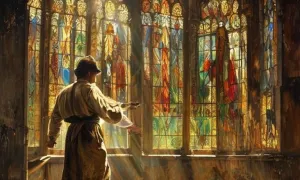
The visualisations are generated by artificial intelligence and serve as inspiration.
Photos from the area
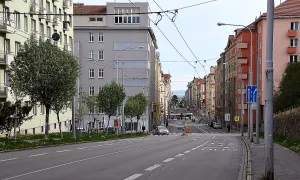
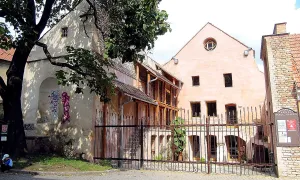
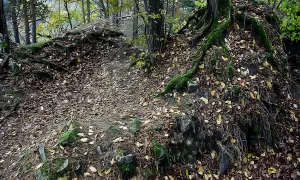
Real photos taken near the monument


Zdroj a licence jsou uvedeny u každého snímku.
Tips from visitors
No tips yet. Be the first!
Log in and add your tip.
Sources and literature
Photos: Michal Klajban / CC BY-SA 4.0, rozlišení zvýšeno umělou inteligencí — Wikimedia Commons. The author and licence also appear when you hover over the image.
Faktickým podkladem tohoto textu byl článek na Wikipedii, jehož autory jsou přispěvatelé Wikipedie. Článek je dostupný pod licencí CC BY-SA 4.0.
Location on the map


Příběhy a pověsti
Legendy, pověsti a příběhy spjaté s touto památkou
Fotografie návštěvníků
Zatím žádné fotografie. Buďte první, kdo přidá fotografii z návštěvy!
Log in a přidejte svou fotografii nebo hodnoťte.
Za ověřenou návštěvu v aplikaci získáte víc bodů — poznáme podle GPS, že jste na místě.
Reviews and comments