






Kostel svatého Ducha v Praze Church
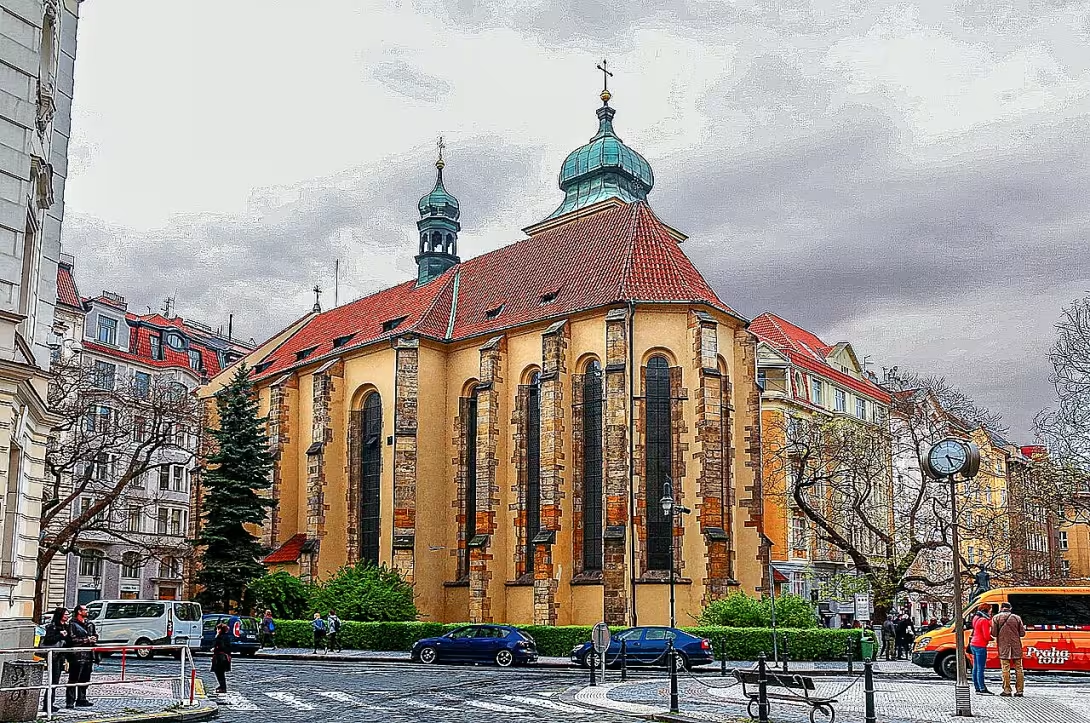
The Church of the Holy Spirit in Prague is a Gothic architectural gem located in the historic Old Town district at Dušní Street in Josefov. Built in the mid-14th century, this single-nave structure holds significant historical and architectural value. It serves as both a Roman Catholic parish church and, since 2015, a place of worship for the Armenian Apostolic Church, showcasing Prague's diverse religious heritage.
The church's origins date back to the mid-14th century, during a time of religious and political change in Bohemia. Tensions existed between Catholic authorities and emerging Hussite movements advocating for church reform. Initially constructed alongside a Benedictine monastery, which dissolved during the early 15th-century Hussite Wars, the church stands as both a religious site and a witness to the region's evolving spiritual landscape.
Architecturally, the Church of the Holy Spirit has experienced several transformations since its original Gothic construction in the mid-14th century. It suffered damage during the Hussite Wars but underwent extensive repairs and Baroque renovations after a fire in 1689. These changes introduced new stylistic elements while preserving its foundational Gothic character. Further modifications occurred in the early 19th century and throughout the 20th century, reflecting ongoing adaptations to congregational needs.
Ownership and administration of the church have shifted dramatically over time. Initially linked with a Benedictine monastery, it later became central to religious activities within Prague's Jewish Quarter during Ferdinand I's reign when Jews were required to attend Catholic sermons there. This highlights its role in broader socio-religious dynamics.
Key events and curiosities enrich the church's narrative. The interior features a 14th-century Pieta attributed to the Master of Týn Crucifixion, originally from the now-defunct Church of the Greater Cross. Additionally, a sanctus bell tower was erected in 1833, marking another phase in its architectural evolution.
Today, the Church of the Holy Spirit remains open to visitors and continues as a place of worship for both Roman Catholic and Armenian Apostolic congregations. Its enduring presence in Prague's Old Town offers insight into the city's layered history and religious diversity. The church is not only an architectural marvel but also a living monument reflecting centuries of cultural and spiritual change.
Visitors are invited to explore this remarkable site, where each stone tells a story of resilience and transformation. The Church of the Holy Spirit stands as a testament to Prague's rich historical tapestry, offering both locals and tourists a chance to connect with the past while appreciating its ongoing legacy.
Then and now
Drag the slider to compare how the landmark may have looked when it was built with the view today.
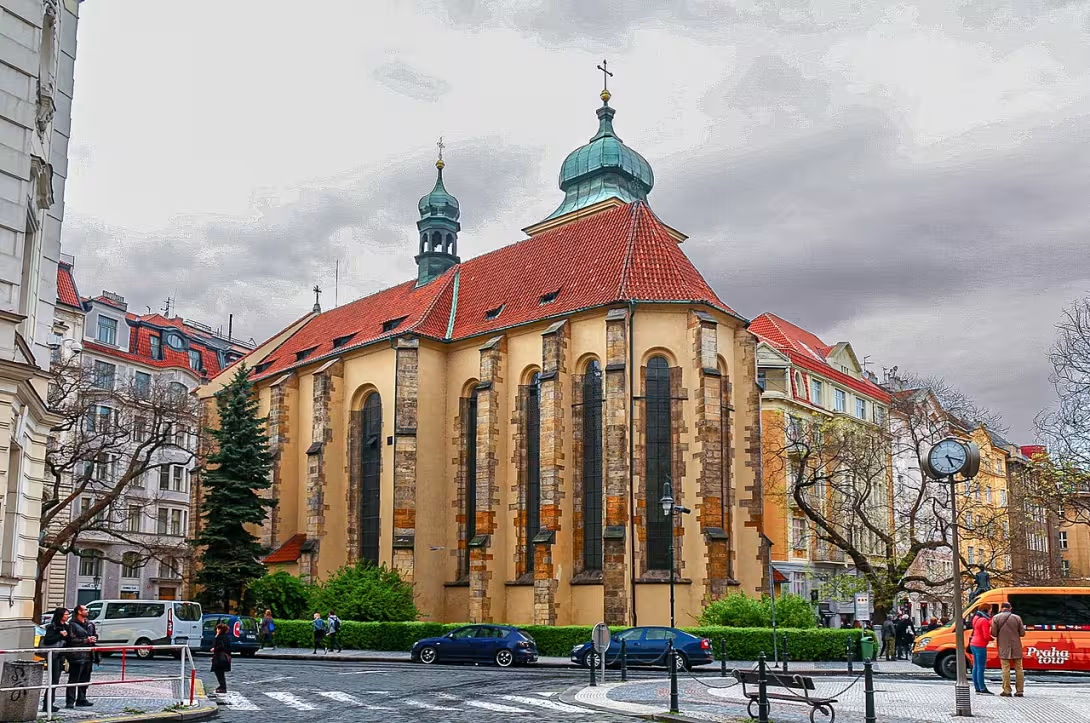

The historical appearance on the left is an AI-generated visualisation and serves as inspiration only.
Historical milestones
- kolem 1350
- Založení kostela svatého Ducha v Praze
- počátek 15. století
- Rozpuštění benediktinského kláštera během husitských válek
- 1689
- Požár a barokní rekonstrukce kostela
- 1833
- Výstavba zvonice sanctus
- 15. století
- Přítomnost v českém husitismu a následné události
Architectural development
The Church of the Holy Spirit has experienced several architectural phases. Initially constructed in the Gothic style during the mid-14th century, it was later damaged during the Hussite Wars. In the late 17th century, it underwent significant Baroque renovations after a fire. Further modifications occurred in the early 19th century and throughout the 20th century.
Historical events
The church was originally built alongside a Benedictine monastery, which was dissolved during the Hussite Wars in the early 15th century.
In the late 17th century, the church underwent extensive repairs and Baroque renovations following a fire in 1689.
Points of interest
- The Church of the Holy Spirit once served as a place where Jews in Prague's Jewish Quarter were required to attend Catholic sermons during the reign of Ferdinand I, reflecting its role in the socio-religious dynamics of the time.
- A 14th-century Pieta attributed to the Master of Týn Crucifixion is housed within the church. This artwork originally belonged to the now-defunct Church of the Greater Cross, adding a layer of historical artistry to the site.
- The church's sanctus bell tower was constructed in 1833, marking an important phase in its architectural evolution and contributing to its distinctive skyline presence in Prague's Old Town.
- Despite being built in the mid-14th century during a period of religious tension between Catholic authorities and Hussite reformists, the Church of the Holy Spirit has survived multiple conflicts, including damage from the Hussite Wars and a fire in 1689.
- Since 2015, alongside its Roman Catholic congregation, the church also serves as a place of worship for the Armenian Apostolic Church, highlighting Prague's diverse religious heritage and ongoing cultural integration.
Guide
This guide is narrated by a synthetic voice generated by artificial intelligence.
Show guide text
This text was created by artificial intelligence and has not been editorially reviewed. It may contain inaccuracies.
Welcome to the Church of the Holy Spirit in Prague, a remarkable jewel nestled on Dušní Street within the historic Old Town district. As you stand here, enveloped by the timeless aura of this Gothic single-nave structure, imagine yourself stepping back into the mid-14th century when its foundations were first laid. This church has witnessed centuries unfold, serving as both a Roman Catholic parish and, since 2015, a sanctuary for the Armenian Apostolic Church.
The origins of this sacred site trace back to around 1350, during a period rich with religious fervor and architectural innovation. It was an era when Gothic architecture flourished across Europe, characterized by its pointed arches and intricate stonework—elements that continue to captivate visitors today. The church's initial purpose was deeply rooted in the spiritual life of Prague, serving as a beacon for faith amidst the city's bustling streets.
As you gaze upon the church’s façade, take note of its historical layers. While specific architectural details from the 14th century may not be immediately visible due to centuries of renovations and restorations, the essence of Gothic design lingers in its structural form. The building underwent significant changes after a devastating fire in 1689, leading to a baroque transformation that added new dimensions to its aesthetic.
The church's history is intertwined with pivotal moments in Prague’s religious landscape. In the early 15th century, it became entangled in the tumultuous events of the Hussite Wars, which saw the dissolution of the Benedictine monastery associated with the site. This period marked a turning point for many religious institutions across Bohemia.
One intriguing aspect of this church's past is its role during the reign of Ferdinand I. Jews from Prague’s Jewish Quarter were required to attend Catholic sermons here, highlighting the complex socio-religious dynamics of the time. This historical footnote offers a glimpse into how places of worship often served as arenas for broader societal interactions and conflicts.
Among the treasures housed within or associated with this church is a 14th-century Pieta attributed to the Master of Týn Crucifixion. This piece stands as a testament to the rich artistic heritage that has been preserved here, inviting contemplation on the themes of devotion and human emotion it embodies.
As we draw our tour to a close, I invite you to linger a moment longer in this sacred space. Reflect on the layers of history encapsulated within its walls and consider exploring further into Prague’s Old Town, where countless stories await discovery. Thank you for joining me today at the Church of the Holy Spirit—a place where history breathes life into every stone.
Tips for visitors
The best time to visit the Church of the Holy Spirit is during late spring or early autumn when the weather is pleasant, allowing for a comfortable stroll around the Old Town district. These seasons offer moderate temperatures and fewer crowds compared to summer, ensuring a more serene experience while exploring this historic site. Additionally, visiting in the morning can provide softer lighting for photography and quieter surroundings before the day's visitors arrive.
Visitors are encouraged to use public transportation or park at designated areas outside the immediate vicinity and walk from there. The church is accessible by tram, with several lines stopping nearby; however, it's advisable to check a current map or online service for specific routes and stops. Walking through the charming streets of Prague can also be part of the experience.
When visiting the Church of the Holy Spirit, consider bringing comfortable walking shoes as you'll likely explore the surrounding area on foot. A camera is recommended to capture the intricate Gothic architecture and vibrant street life of Old Town. Additionally, carrying a small umbrella or raincoat might be wise due to unpredictable weather changes in Prague.
For photography enthusiasts, some of the best spots around the Church of the Holy Spirit include Dušní Street for capturing its facade and the surrounding historic buildings. The late afternoon light offers warm tones that enhance the Gothic architecture's details. Inside the church, natural lighting through stained glass windows creates a mystical atmosphere perfect for photographs.
Nearby attractions within 30 minutes walking distance include Prague Castle, offering panoramic views of the city, and the Old Town Square with its iconic Astronomical Clock. Both are excellent for families with children, providing educational insights into Czech history alongside interactive experiences like exploring the castle grounds or watching the clock's hourly show.
Frequently asked questions
Can the monument be visited?
Religious buildings are usually open mainly during services; at other times a visit is normally arranged with the parish or the operator. We have not verified specific times.
Where is the monument?
Location: U Svatého ducha, Široká, Staré Město, Praha, Hlavní město Praha. The map on this page shows the exact spot.
Why is the monument protected?
It is listed in the Central List of Cultural Monuments of the Czech Republic as a cultural monument (register no. 38205/1-33).
Businesses nearby
Do you run a restaurant, accommodation, shop, museum, rental, wellness or other visitor service near this monument? Show yourself directly to the people heading to it — this is how they will see you in the app and on the web:
Events nearby

Zdroj akcí: otevřená data měst a obcí ČR (Národní katalog otevřených dat) a kalendář akcí Národního památkového ústavu.
Accommodation nearby
Trips and activities nearby
Guided tours, tickets and activities nearby from GetYourGuide
Affiliate link: if you buy from the partner, we may receive a commission. The price for you does not change.
Search tours and activities →Themed route
Tematická Výletní Trasa: Kostel svatého Ducha v Praze
1. Kostel svatého Ducha (Church of the Holy Spirit)
Typ: Religiózní památka
Proč stojí za návštěvu: Tento barokní kostel, postavený ve 18. století, je známý svou architektonickou krásou a historií jako důležité místo pro zdravotnické služby v Praze. Je to ideální začátek vaší trasy, kde můžete ocenit jeho bohatě zdobený interiér a ušlechtilou fasádu.
2. Náměstí Staroměstského Hřbitova (Old Town Cemetery Square)
Typ: Náměstí, historické místo
Proč stojí za návštěvu: Toto místo je umístěno přímo naproti kostelu svatého Ducha a nabízí klidnou atmosféru s pohledem na Staroměstský hřbitov. Je to ideální místní pro odpočinek a návštěvu památníku Jiřímu Nedušovi, který je významným symbolem českého nacionalismu.
3. Staroměstská radnice (Old Town Hall)
Typ: Historická budova
Proč stojí za návštěvu: Tato impozantní gotická budova, nacházející se na Staroměstském náměstí, je známá svou významnou rolemi ve staročeské politice a historii. Její věž s výhledem do centra může poskytnout pohled na celé Staré Město.
4. Kostel svatého Mikuláše (Church of St. Nicholas)
Typ: Religiózní památka
Proč stojí za návštěvu: Tento gotický kostel, nacházející se na Staroměstském náměstí, je nejstarším kostelem v Praze. Jeho historie sahá do 12. století a nabízí jedinečnou příležitost prozkoumat starobylé interiér s bohatými freskami.
5. Staroměstská radnice (Old Town Hall) - Vnitřní výhled
Typ: Historická expozice
Proč stojí za návštěvu: Po prozkoumání vnějších struktur je vhodné se ponořit do historie Staroměstské radnice, kde můžete navštívit výstavu o historii a architektuře budovy. Je to skvělý způsob, jak si připomenout důležité momenty českých dějin.
Tato trasa nabízí pohled na klíčové historické a kulturní památky v oblasti Starého Města, což umožňuje hlubší porozumění bohaté minulosti Prahy.
Seasonal recommendations
Spring: Visiting the Church of St. Spiritus during spring offers a unique experience as nature begins to awaken around Prague's historic Old Town. The blooming flowers and lush greenery create a picturesque backdrop, enhancing the church’s architectural beauty with vibrant colors. Spring mornings can be misty, adding an ethereal quality to your visit. This time often sees moderate crowds, making it ideal for those who prefer a quieter experience. Dress in layers to accommodate fluctuating temperatures, and consider bringing an umbrella as spring showers are common. Early afternoon is typically the best time to explore, when the sunlight beautifully illuminates the church’s features.
Summer: Summer at the Church of St. Spiritus is characterized by long daylight hours and warm weather, inviting visitors to enjoy Prague's vibrant atmosphere. The surrounding streets come alive with activity, offering a lively setting for your visit. However, this season also attracts larger crowds, especially during peak tourist months in July and August. To avoid the busiest times, plan your visit early in the morning or later in the afternoon. Light, breathable clothing is recommended to stay comfortable under the sun. Don’t forget sunscreen and sunglasses as you explore the historic streets of Old Town.
Autumn: Autumn brings a magical transformation to Prague with its warm hues of reds, oranges, and yellows adorning the landscape around the Church of St. Spiritus. The cooler temperatures make it an ideal time for leisurely strolls through the cobblestone streets of the Old Town, as you admire the seasonal scenery. This period typically sees fewer tourists compared to summer, allowing for a more relaxed visit. Dress in warm layers and consider bringing a light jacket or scarf to enjoy your exploration comfortably. The soft autumn light enhances the church’s intricate details, making it a perfect time for photography enthusiasts.
Winter: Winter at the Church of St. Spiritus offers a serene and enchanting experience as Prague is cloaked in snow and festive lights. The crisp air and shorter days create a cozy atmosphere, inviting visitors to appreciate the historic charm amidst a winter wonderland setting. While crowds are generally smaller compared to summer, popular events such as Advent markets can draw more people during this season. Dress warmly with layers, including a hat and gloves, to stay comfortable in the cold.
Visualizations and artistic views


The visualisations are generated by artificial intelligence and serve as inspiration.
Photos from the area
Real photos taken near the monument


Zdroj a licence jsou uvedeny u každého snímku.
Tips from visitors
No tips yet. Be the first!
Log in and add your tip.
Sources and literature
Photos: VitVit / CC BY-SA 4.0 — Wikimedia Commons. The author and licence also appear when you hover over the image.
Faktickým podkladem tohoto textu byl článek na Wikipedii, jehož autory jsou přispěvatelé Wikipedie. Článek je dostupný pod licencí CC BY-SA 4.0.
Location on the map
Příběhy a pověsti
Legendy, pověsti a příběhy spjaté s touto památkou
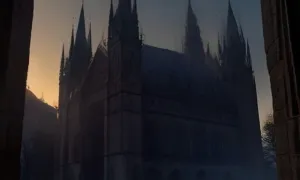
Příběh: Kostel svatého Ducha v Praze
Bylo to v pondělí ráno, kdy Martin zjistil, že světlo v jeho komnatě je úplně odlišné — měkké a živé, jako by se tam prolamovaly paprsky z nějakého dávného r…
Číst příběh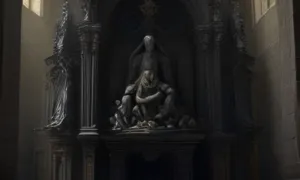
Pověst: Kostel svatého Ducha v Praze
Traduje se, že Pieta z kostela svatého Ducha si pamatuje více, než mohou lidské oči spatřit. Toto sousoší Panny Marie držící mrtvého Krista v náručí stojí v …
Číst příběhFotografie návštěvníků
Zatím žádné fotografie. Buďte první, kdo přidá fotografii z návštěvy!
Log in a přidejte svou fotografii nebo hodnoťte.
Za ověřenou návštěvu v aplikaci získáte víc bodů — poznáme podle GPS, že jste na místě.
Reviews and comments