






Kostel svatého Havla (Rychnov nad Kněžnou) Church
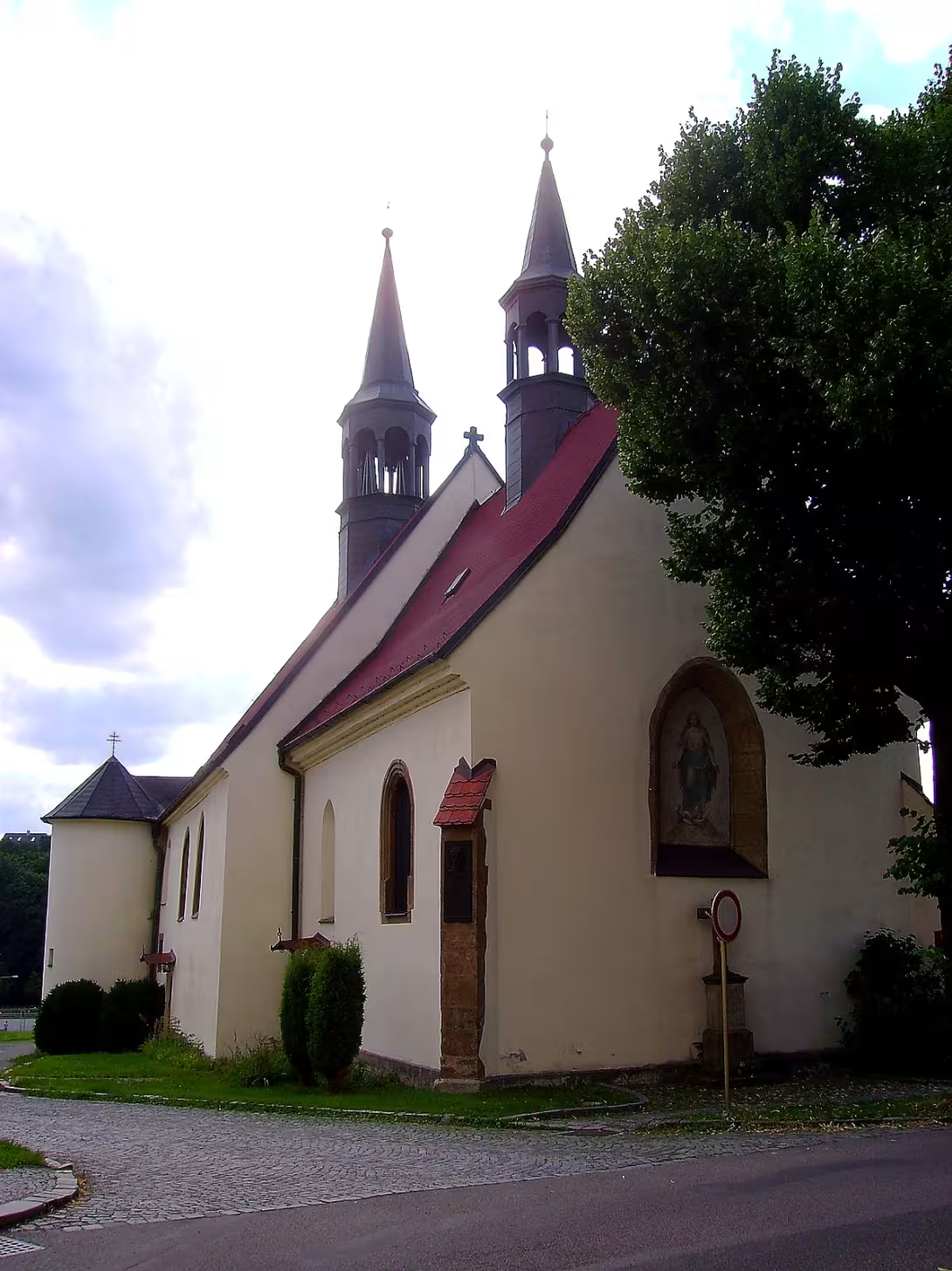
The Church of Saint Wenceslas in Rychnov nad Kněžnou is a Roman Catholic parish church originally built in the Gothic style during the late 13th century. Situated at the town's center on Svatohavelská Street, it is the oldest preserved masonry structure in Rychnov nad Kněžnou. Initially dedicated to the Virgin Mary, this historical monument was rededicated to Saint Wenceslas in 1521 during the Reformation era and has since undergone several architectural transformations.
The church's origins date back to a period of significant urban development in Bohemia when Gothic architecture flourished across Europe. Constructed as part of the town's foundation in the second half of the 13th century, it initially served as a central place of worship for the community. Historical sources suggest that while some earlier opinions dated its founding to 1083, this does not align with known settlement patterns of the area.
Architecturally, the Church of Saint Wenceslas began as a Gothic structure dedicated to the Virgin Mary. Over time, it evolved into a late Gothic style, featuring significant additions such as large windows on its southern side and a grand sanctuary on the northern wall of the presbytery. The church experienced an unknown fire at some point in its history but continued to serve as a vital religious site. In 1626, following a period under reformist administration, it returned to Catholic control and underwent a Neo-Gothic restoration in 1893.
Throughout its history, the church has been associated with several notable figures and events. The first known parish priest was Dominik, succeeded by Kunrat, son of Hanuš z Rychnova. A significant artifact within the church is a wooden polychrome statue of the Virgin Mary with Child, reportedly carved by Archbishop Arnošt z Pardubic around 1350. This statue became highly revered and was believed to protect the town; during the Thirty Years' War, locals attributed its power to ward off Swedish soldiers.
Today, the Church of Saint Wenceslas remains a functioning parish church within the Roman Catholic Diocese of Hradec Králové. It is accessible to visitors who wish to explore its rich history and architectural beauty. The church's historical significance, coupled with its artistic elements such as the revered statue and Neo-Gothic restoration, make it a compelling destination for those interested in Bohemian heritage.
Visitors are invited to experience this remarkable monument, which not only offers insights into medieval architecture but also serves as a testament to the enduring cultural and religious traditions of Rychnov nad Kněžnou.
Then and now
Drag the slider to compare how the landmark may have looked when it was built with the view today.
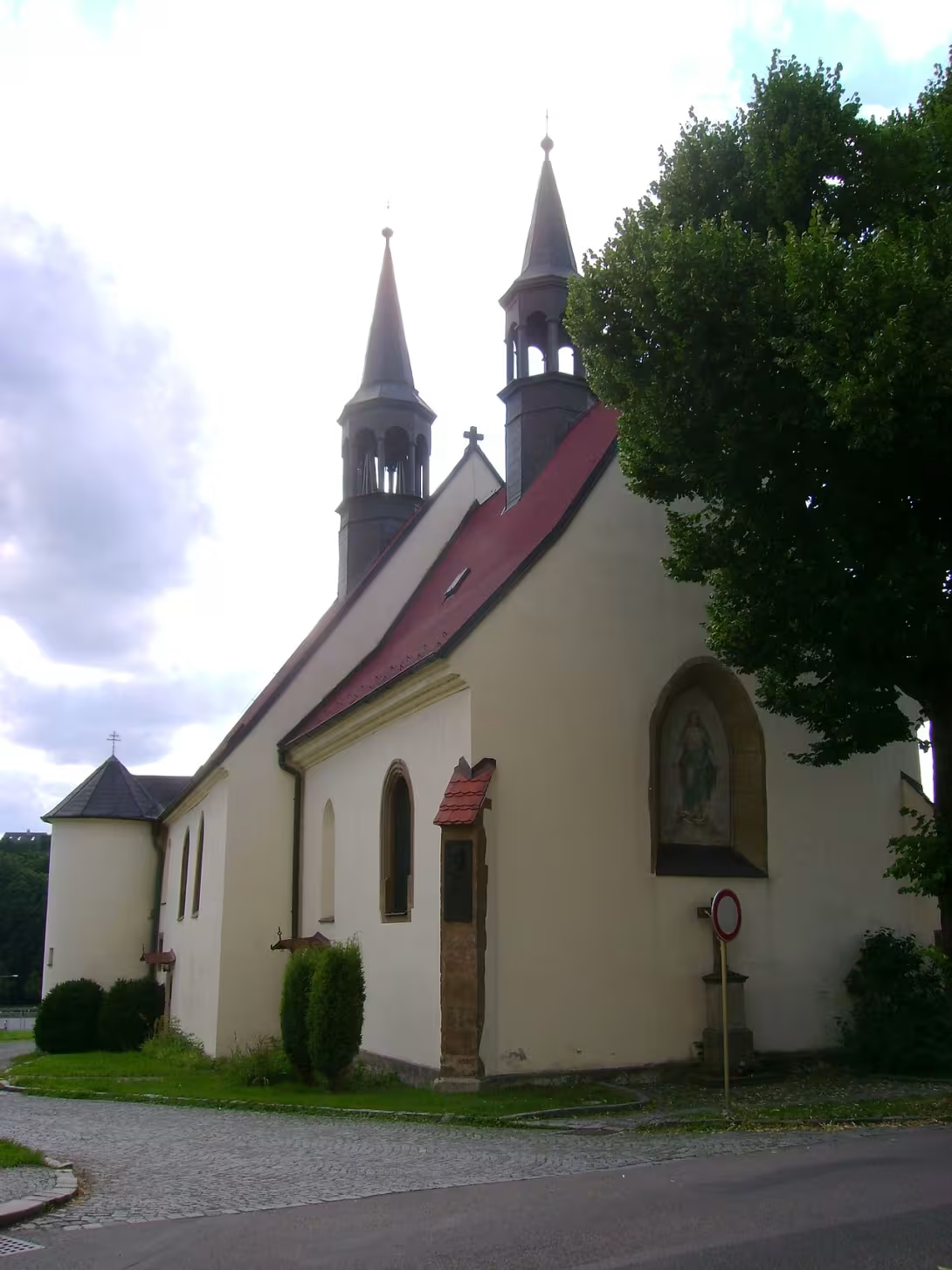
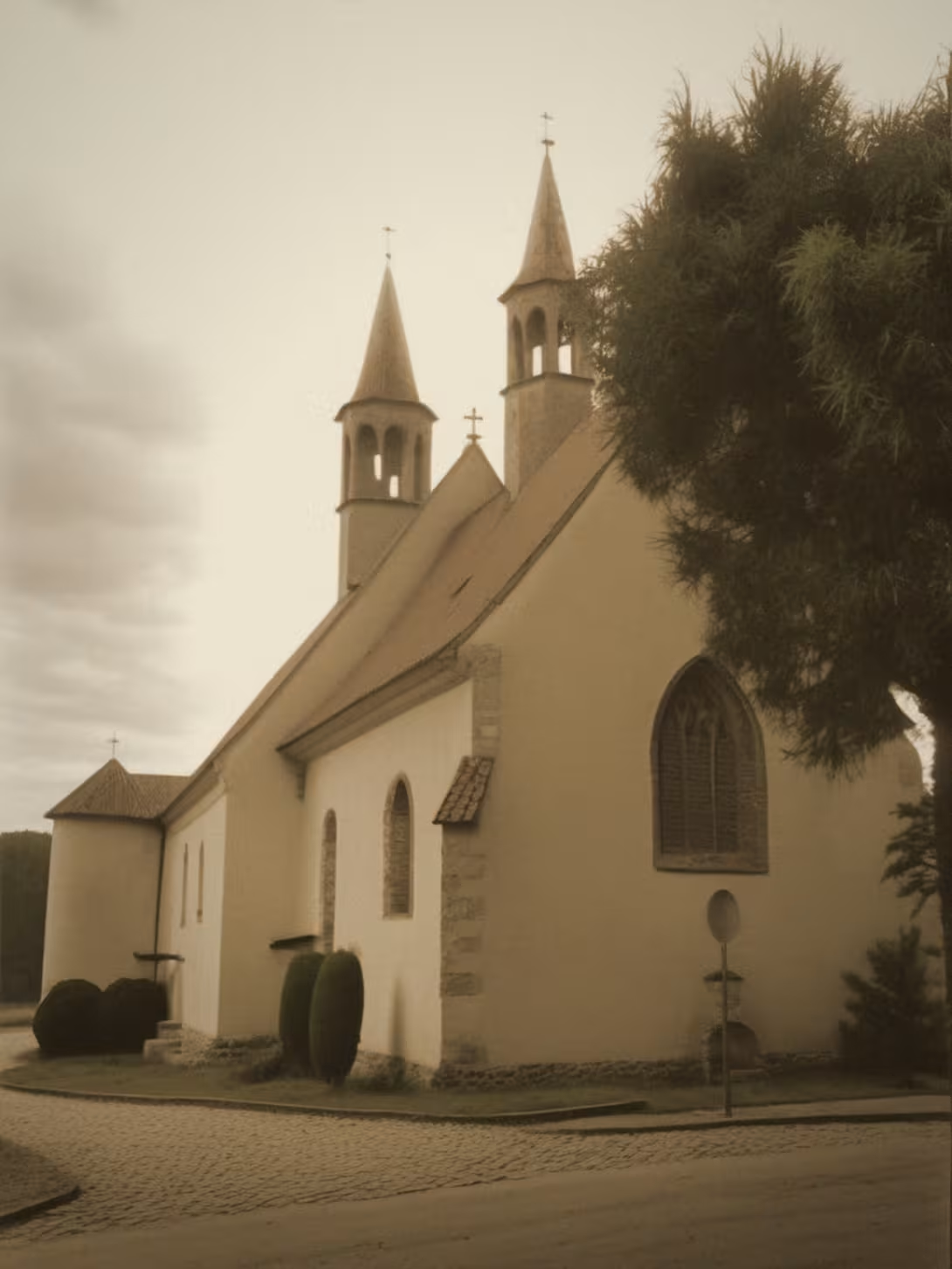
The historical appearance on the left is an AI-generated visualisation and serves as inspiration only.
Historical milestones
- 1313
- A charter documents the consecration of the main altar.
- 1521
- The dedication of the church was changed from the Virgin Mary to Saint Wenceslas.
Architectural development
The Church of Saint Wenceslas began as a Gothic structure dedicated to the Virgin Mary. Over time, it was transformed into a late Gothic style with significant architectural additions such as large windows and a grand sanctuary. The church experienced a fire at an unknown date and underwent restoration in 1893.
Historical events
The church was originally consecrated to the Virgin Mary but was rededicated to Saint Wenceslas in 1521 during the Reformation era.
In 1626, the church returned under Catholic administration and underwent a Neo-Gothic restoration in 1893.
Points of interest
- The Church of Saint Wenceslas was originally dedicated to the Virgin Mary before being rededicated to Saint Wenceslas in 1521 during the Reformation era, reflecting a significant religious shift in its history.
- A wooden polychrome statue of the Virgin Mary with Child, believed to be carved by Archbishop Arnošt z Pardubic around 1350, is housed within the church and was thought to protect Rychnov nad Kněžnou during the Thirty Years' War by warding off Swedish soldiers.
- Despite suffering an unknown fire at some point in its history, the Church of Saint Wenceslas continued to serve as a vital religious site and underwent a Neo-Gothic restoration in 1893 after returning to Catholic control in 1626 following a period under reformist administration.
- The church's first known parish priest was Dominik, succeeded by Kunrat, son of Hanuš z Rychnova, indicating its longstanding connection with local notable figures throughout history.
Guide
This guide is narrated by a synthetic voice generated by artificial intelligence.
Show guide text
This text was created by artificial intelligence and has not been editorially reviewed. It may contain inaccuracies.
Welcome to the Church of Saint Wenceslas in Rychnov nad Kněžnou, a remarkable testament to history and faith nestled within this charming town. As you stand before it now, take a moment to appreciate its venerable presence—the oldest preserved masonry structure here, with roots stretching back to the late 13th century.
This church originally embraced the Gothic style and was dedicated to the Virgin Mary. Its walls have witnessed centuries unfold, standing as silent guardians of time's passage. In 1313, a charter marked the consecration of its main altar, anchoring it firmly in history. Yet, change is an inevitable companion to time, and by 1521, during the Reformation era, the church found itself rededicated to Saint Wenceslas. This shift mirrored significant religious transformations sweeping across Europe.
As you gaze upon the structure, notice how its architecture tells a story of adaptation and endurance. While specific architectural details aren't detailed here, imagine the interplay of light and shadow on its ancient walls, inviting you to explore further. The church's journey from its original dedication is etched into every stone, whispering tales of faith and transformation.
Among those who left their mark on this place was Arnošt z Pardubic, a historical figure whose influence resonates through time. His connection to the church adds layers to its rich tapestry of history, inviting curiosity about his role in shaping its legacy.
One intriguing aspect that captures the imagination is the wooden polychrome statue of the Virgin Mary with Child. Believed to be carved by an unknown artist, this piece stands as a testament to the artistic endeavors and religious devotion of its time.
As you continue your visit, let yourself wander through history, absorbing the essence of centuries past. Each step around the Church of Saint Wenceslas is a journey through time, offering insights into the spiritual and cultural shifts that have shaped Rychnov nad Kněžnou.
Thank you for allowing us to guide you through this historical gem. We hope this experience has enriched your understanding and sparked further curiosity about the stories embedded in its walls. May your exploration continue with wonder and appreciation for the narratives of history.
Tips for visitors
The best time to visit the Church of Saint Wenceslas in Rychnov nad Kněžnou is during late spring or early autumn when the weather is pleasant, allowing for a comfortable exploration of both the church and its surroundings. Visiting during these times also offers the advantage of experiencing local festivals that often take place around historical sites, enriching your visit with cultural insights.
Parking near the Church of Saint Wenceslas can be limited due to its central location in Rychnov nad Kněžnou. Visitors are advised to use nearby parking facilities and consider walking or cycling for a closer view of the church. Public transport is available and may offer a convenient alternative, with buses connecting from various parts of the town. Always check current routes and schedules online before your visit.
When visiting the Church of Saint Wenceslas, it's advisable to wear comfortable shoes as you'll likely be walking around the area or exploring nearby sites on foot. Bringing a camera is highly recommended; the best spots for photography include the church’s façade in the early morning light and its interior during late afternoon when sunlight filters through stained glass windows, creating vibrant patterns.
For families with children visiting the Church of Saint Wenceslas, consider planning your visit to coincide with local events or workshops that may be held at the church or nearby. These activities can provide an engaging way for children to learn about the site’s history and architecture. Additionally, exploring the surrounding area within a 30-minute radius offers opportunities to discover more historical sites and natural landscapes, making it a fulfilling day out.
Businesses nearby
Do you run a restaurant, accommodation, shop, museum, rental, wellness or other visitor service near this monument? Show yourself directly to the people heading to it — this is how they will see you in the app and on the web:
Accommodation nearby
Themed route
Tematická výletní trasa: Kostel svatého Havla a okolí
1. Kostel svatého Havla (Rychnov nad Kněžnou) - *Typ:* Historická památka, kostel - *Proč stojí za návštěvu:* Tento barokní kostel je nejen architektonickým dílem, ale také svědkem bohaté historie města Rychnov nad Kněžnou. Jeho významné interiéry a umělecká vybavení přitahují návštěvníky z celého regionu.
2. Městské náměstí (Rychnov nad Kněžnou) - *Typ:* Historické městské centrum - *Proč stojí za návštěvu:* Po prozkoumání kostela se podíváte na Městské náměstí, kde si užijete klidné chvíle a oceníte historický charakter města. Náměstí je centrem místního života s jeho tradicemi a architektonickou krásou.
3. Muzeum v Rychnově nad Kněžnou - *Typ:* Muzeum - *Proč stojí za návštěvu:* Toto muzeum nabízí pohled na historii a kulturu regionu, s důrazem na místní tradice a historické události. Je to ideální místo pro ty, kteří chtějí hlouběji pochopit minulost obce.
4. Kostel svatého Havla - vnitřek - *Typ:* Expozice - *Proč stojí za návštěvu:* Pokud máte zájem o detailnější prozkoumání kostela, jeho interiér nabízí bohaté umělecké prvky a historické informace. Je to skvělý příležitost pro ty, kdo chtějí hlouběji pochopit architektonickou a duchovní hodnotu památky.
Pořadí: Začněte svůj výlet u Kostela svatého Havla, prozkoumejte jeho interiér a pak se pohybujte k Městskému náměstí. Následně navštivte Muzeum v Rychnově nad Kněžnou pro další historický kontext, a pokud máte čas, vrátit se zpět do kostela pro podrobnější pohled na jeho interiér.
Seasonal recommendations
Spring: Visiting the Church of Saint Wenceslas during spring offers a refreshing experience as nature comes to life around Rychnov nad Kněžnou. The surrounding landscape is adorned with blooming flowers and lush greenery, creating a vibrant backdrop for exploring this historical gem. As daylight extends into the evening, visitors can enjoy the soft natural light that beautifully illuminates the church's intricate architecture. To make the most of your visit, consider arriving in the late morning to avoid any lingering crowds from opening time. Dress comfortably with layers, as temperatures can vary between sunny warmth and cooler breezes.
Summer: Summer is an ideal time for a leisurely exploration of the Church of Saint Wenceslas, especially during the peak tourist season when the weather is warm and inviting. The long daylight hours allow ample time to appreciate both the church's interior details and its picturesque surroundings. However, it's advisable to visit early in the morning or later in the afternoon to avoid large crowds that flock to this popular destination. Light clothing and comfortable walking shoes are recommended, along with a hat and sunscreen for protection against the sun.
Autumn: Autumn brings a magical ambiance to the Church of Saint Wenceslas as the foliage transforms into a tapestry of warm hues. The crisp air and golden light enhance the church's historical charm, making it an enchanting destination during this season. As temperatures begin to cool, visitors should dress in layers to stay comfortable while exploring. It's also worth noting that autumn may see fewer tourists compared to summer, offering a more tranquil experience. Late afternoon visits can capture the stunning interplay of light and shadow as the sun sets earlier.
Winter: The winter months offer a serene and picturesque setting for visiting the Church of Saint Wenceslas. Snow-covered landscapes provide a stark yet beautiful contrast to the church's historic architecture, creating an almost ethereal atmosphere. However, visitors should be prepared for shorter opening hours due to the colder weather. Dress warmly in layers, including thermal wear and waterproof outer garments, to ensure comfort during your visit. Early morning visits are recommended as they tend to be quieter, allowing you to enjoy the peaceful ambiance without the hustle of larger crowds.
Visualizations and artistic views


The visualisations are generated by artificial intelligence and serve as inspiration.
Photos from the area
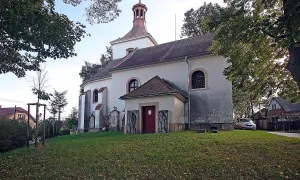
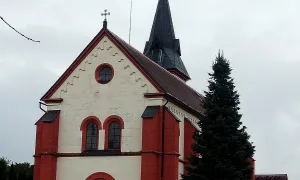
Real photos taken near the monument


Zdroj a licence jsou uvedeny u každého snímku.
Atmosphere of the place
This atmospheric visualisation of the place and period was generated by artificial intelligence. It is not real footage of the location.
Tips from visitors
No tips yet. Be the first!
Log in and add your tip.
Sources and literature
Fotografie: Jirka23 / CC BY-SA 3.0 — Wikimedia Commons. The author and licence also appear when you hover over the image.
Faktickým podkladem tohoto textu byl článek na Wikipedii, jehož autory jsou přispěvatelé Wikipedie. Článek je dostupný pod licencí CC BY-SA 4.0.
Location on the map

Příběhy a pověsti
Legendy, pověsti a příběhy spjaté s touto památkou
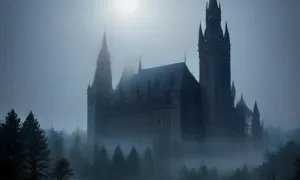
Příběh: Kostel svatého Havla (Rychnov nad Kněžnou)
Bylo to v pondělí ráno, kdy Petr z Rychnova, místní mládenec horečně toužící po odpustku svých minulých chyb, se dostal ke starobylým stěnám kostela na Svato…
Číst příběh
Pověst: Kostel svatého Havla (Rychnov nad Kněžnou)
Podle místní pověsti nebylo v celém Královéhradeckém kraji zbožnějšího poutníka než první pražský arcibiskup Arnošt z Pardubic. Muž učený a přísný, přesto pr…
Číst příběhFotografie návštěvníků
Zatím žádné fotografie. Buďte první, kdo přidá fotografii z návštěvy!
Přihlaste se a přidejte svou fotografii nebo hodnoťte.
Za ověřenou návštěvu v aplikaci získáte víc bodů — poznáme podle GPS, že jste na místě.
Reviews and comments