






Kostel svatého Jakuba Staršího (Svádov) Church
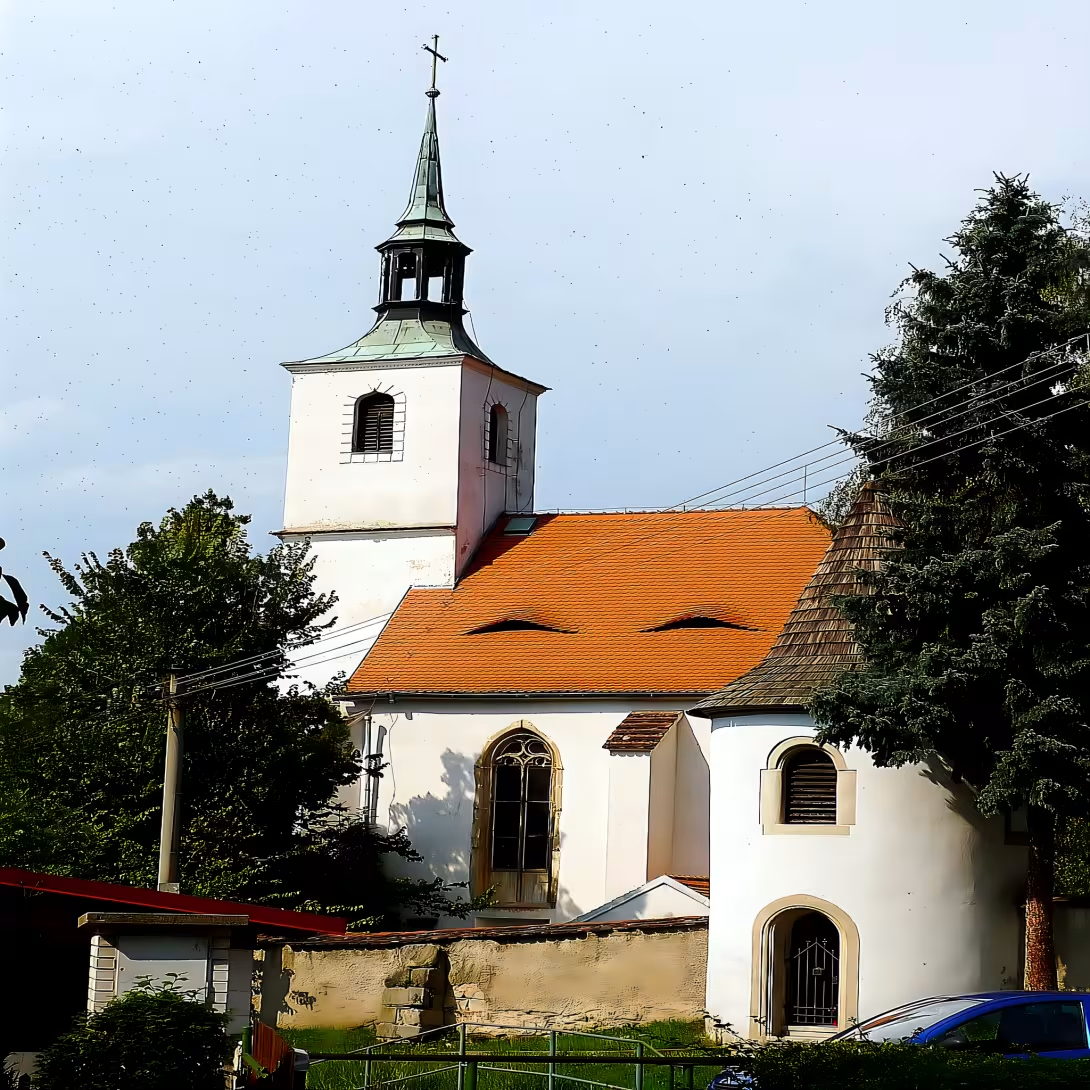
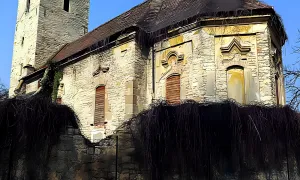
The church of St. Jacob the Elder is located in the upper part of the village Svádov in the Ústí region. It is a single-boat construction with a triangular gothic presbytery and a prism tower situated in the west front. The parish church is supplemented by a nearby parish, which also has cultural heritage status.
The history of the construction extends for more than 130 years. The church was founded in 1477 by Anna of Vartemberk, who took care of the position of presbytery. At the same time, the work on the church ship began, but it was not completed until 1606 under Bedřich of Salhausen. The same period - around 1606 - dates the tower, portals and sacristy. Portals bear the characteristics of the Salhausen and Bock families, who were significantly involved in the construction. At the time of the pre-white mountain, the temple was served by Lutherans. In the course of the 20th century, the construction fell, but since the beginning of the 21st century it has been gradually repaired.
Architectural is the construction of a rectangular plan. The presbytery with the downstream sacristy on the north side is covered with a mesh rib arch with a radiant finish decorated with figural decoration. The Berk sign from Dubé is placed in the presbytery terminal. The ship is equipped with a net rib arch and a three-arm circle accessible by a tower staircase. Exterier is decorated with late Gothic circles in windows and headrest; one of them is carved in 1477. The Renaissance portal on the south side carries ornamental decoration with the alliance characters Salhausen and Bock. Under the sacristy there is a Gothic crypt from the time of Karl Glich of Miltice, which is glazed with a star rib arch.
The interior equipment represents the high quality of Baroque and Renaissance creation. The main altar from 1606, created by V. Hörnig, is made of sandstone and alabaster. It contains a niche with a crucifix and relief from the life of the prophet Elijah and the Ascension of the Lord. The middle niche is decorated with a statue of St. James from 1708. The side altar from the mid-18th century is dedicated to St. Jan Nepomuk. The pulpit ordered by Bedřech of Salhausen was made before 1581 and it is based on a Dorian canned column decorated with Renaissance ornament. The marble baptist from around 1620, attributed to H. Schwenk, is characterized by figural decoration with alabaster reliefs of Christ's Baptism and putti. The picture of St. James above the south side entrance comes from Josef Kramolín.
The church also contains an important set of 16th-century epitaph, including from the knights of Salhausen families and other nobles made by renowned sculptors such as H. Köhler. These droppings document the duration of the church as part of the local community and the family identity.
Then and now
Drag the slider to compare how the landmark may have looked when it was built with the view today.
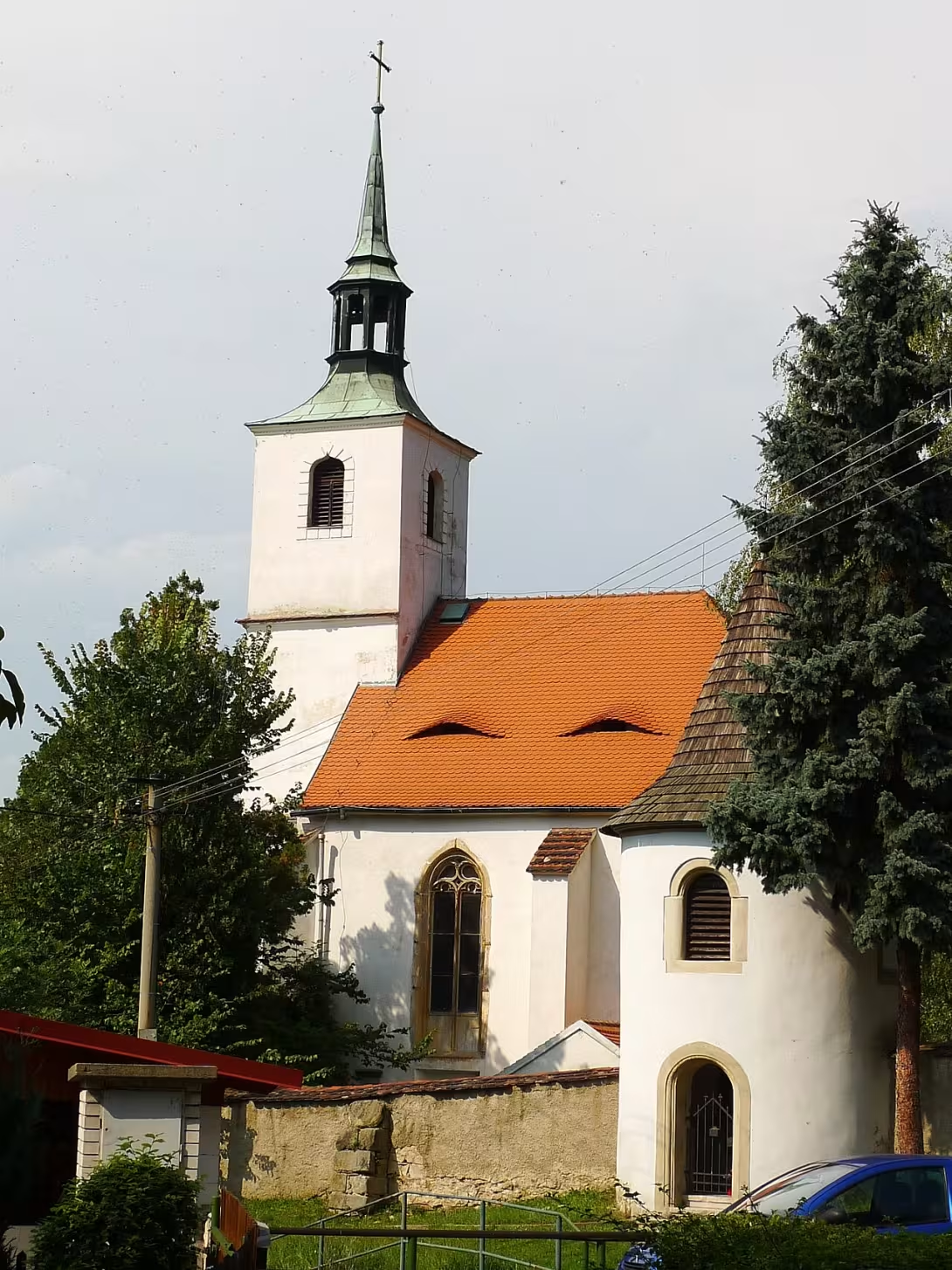

The historical appearance on the left is an AI-generated visualisation and serves as inspiration only.
Historical milestones
- 1477
- The establishment of Presbytery Anna of Vartemberk.
- 1606
- Completion of ships, towers and sacristy; The church acquired Renaissance elements and was Lutheran.
- 1545
- Location of Renaissance epitaph Jan from Těchovice.
- 1581
- Decorating the epitaph of Christopher of Salhausen.
Architectural development
The original presbytery from 1477 is late Gothic with a mesh rib arch and Gothic circles. The boat, tower and sacristy from 1606 are Renaissance, with a prism tower and portals with allied features of Salhausen and Bock families. The interior equipment includes the main altar from 1606, the Baroque side altar from the 18th century and the Renaissance pulpit from before 1581. The crypt under the sacristy dates back to before 1650.
Historical events
- 1477
- Setting up a presbytery at the expense of Anna of Vartemberk.
- 1606
- Completion of the ship, towers and sacristy for Bedřich of Salhausen; The church became Lutheran.
- 1708
- Replacing the statue of St. James the Elder in the main altar.
- 20th century
- The destruction of the church, followed by a gradual reconstruction since the 21st century.
Owners
- 1477
- 16th century
- 17th century
Points of interest
- The church was founded in 1477 by Anna of Vartemberk, who financed the construction of the presbytery.
- The church ship was completed in 1606 as well as the tower, portals and sacristy.
- In the interior there is a Gothic crypt from the time of Karl Glich of Miltic, glazed with a star rib arch.
- On one of the restraints is carved the year 1477, which resembles the establishment of a presbytery.
The church served the Lutherans in the pre-white mountain age.
Guide
This guide is narrated by a synthetic voice generated by artificial intelligence.
Show guide text
This text was created by artificial intelligence and has not been editorially reviewed. It may contain inaccuracies.
Welcome to the church of St. James the Elder in Svádov. You are standing in front of one of the most important sacral structures in northern Bohemia, where late goth meets the elegance of the Saxon Renaissance. In front of you there are massive walls that bear traces of time, but also the stories of the people who built them, praying in their shadow and giving them their unforgettable touch. Notice how light is reflected from the facade - it tells you that you are at the point where history touches the present.
This church is not just a stone building, but a living testimony of three centuries. Its roots date back to 1477, when it was built here by Presbytery Anna of Vartemberk, a noblewoman who was one of the great benefactors of her time. At the time there was no ship, no tower, no sacristy - they were only more than a hundred years later, in 1606, when the construction acquired its Renaissance features. The church thus became a unique example, as Saxon Renaissance architecture demonstrated in Czech countries. And it is remarkable that at that time he was already Lutheran - he also reflected the religious changes that took place in these regions.
Now look at the facade of the church. Even though time and weather have left traces, you can still feel the power of the original purpose. The ship, the tower and the sacristy, completed in 1606, carry a harmony of proportions typical of the Renaissance. Note also portals - they are not only an entrance, but also symbols of the time when believers met here, but also people who decided on the fate of this area. And if you look closer, you will see that the facade is not smooth - its details, such as the moldings or corner blocks, reveal how carefully the builders were faithful to their work.
Let's move inside - or rather into his spirit. Although some parts of the church have been broken down, its interior still hides treasures. One of them is a gothic crypt, glazed with a star rib arch that dates back to the time of Karl Glich of Miltic. Imagine how in the past, members of prominent families rested here, how funerals and prayers took place here. The crypt is like a mysterious archive of the past - every stone of it tells its story.
Now let's look at those who gave the church his face. Anna of Vartemberk, the one who started everything, was a woman with a lot of influence. But other personalities also carry the church - for example Bedřich of Salhausen, who oversaw the completion of the ship, tower and sacristy in 1606. And then there are artists, like the artist V. Hörnig, who created the main altar, or H. Köhler, who carved the Renaissance epitaphs. Among them is one from 1545, which reminds John of Těchovice, or the decoration of the epitaph of Christopher from Salhausen from 1581. These monuments are not just stone and painting - they are memories of people who lived, ruled and died in these places.
And now something that might surprise you. The church of St. James was almost forgotten in the last century. He lost it, his beauty hid beneath the layers of time. But since the beginning of the 21st century, there has been a miracle - its reconstruction is gradually under way. Every restored stone, every renewed fresco or statue is like a small step back to its original glory. And you, visitors, are part of this story - your presence helps to keep a memory of what this church once looked like and what importance it had for the people who lived here.
In front of you, not only is a stone building opened, but also a window into the past. Stay a little longer, see his details, see the atmosphere that's left. And if you like the church of St. James, do not hesitate to go further - there are many other stories in the area that are worth discovering.
Thank you for exploring this wonderful piece of history with us. May his beauty continue to accompany you.
Tips for visitors
{'paragraph': 'The best time to visit the church of St. James the Elder is in the summer months, especially in June and July, when the weather is pleasant and the sun illuminates the interior so as to take a good look at the Gothic and Renaissance elements. At this time it is also possible to visit the church at an open door during cultural events that are often held here. Morning hours in the morning or afternoon after 15 am are ideal for smaller crowds and a quieter tour.'}
{'paragraph': 'Church is available by car, parking is possible in public parking lots nearby Svádova. It is recommended to use public transport as Svádov is a small municipality and parking in the centre may be limited. The current connections and routes can be found in the search engine or on the website of the transport company. It is recommended to arrive by car in sufficient time, as there may be limited parking space around the church.'}
{'paragraph': 'When visiting the church, wear comfortable clothes and shoes because it is a historic building with stone stairs and uneven terrain. It's cold in the interior, so bring a light sweater or coat. For a more comfortable tour, you can take a small notebook and pencil with you to make notes about the interesting things that interest you.'}
{'paragraph': 'Photography in the interior of the church is allowed, but it is recommended to avoid flashing lightning to avoid damaging historical paintings and plaster. The best places for photos are presbytery with Gothic elements and tower overlooking the surrounding landscape. For quality images is ideal natural light during morning or afternoon hours, when the sun illuminates the church from favourable angles.'}
{'paragraph': 'In the vicinity of the church is worth visiting a protected rectory in Svádov, which is part of the church area and offers an interesting view of historical architecture. If you have more time, you can visit the city of Ústí nad Labem, located about 15 kilometers from Svádova. In Ústí nad Labem you will find a number of cultural and historical monuments such as the old city core or museums. It is advisable for families with children to visit local parks or playground.'}
{'paragraph': 'For families with children, a visit to St. Jacob's Elder church is particularly interesting because of its historical importance and the possibility of exploring medieval architecture. Children can see small windows with gothic arches or tell stories about medieval knights and princes. In the vicinity of the church you can find quiet places for a picnic or short walks that are suitable for family trips. It is also recommended to visit the parish in Svádov where children can become acquainted with life in the church parish.'}
Frequently asked questions
Is Kostel svatého Jakuba Staršího (Svádov) open to the public?
Yes, the church is open to the public from April to October. In the other months, a tour is possible after prior agreement with the owner of the monument.
How do I get to the place by car / public transport?
Parking is possible in the parking lot near the church or nearby. The public transport connection from Decin and surrounding cities is available via bus line 503.
How much is the entrance fee and is it paid on the spot?
Admission to the church is free, but it is possible to contribute to the collection for maintenance of the monument.
Is the tour suitable for children and seniors?
Yes, a church tour is suitable for families with children and seniors. We recommend, however, that you bring comfortable shoes for walking along the slope.
How long does the tour take?
A tour of the church is recommended to spend at least 30 minutes in order to allow visitors to take a good look at the interior and exterior of the sights.
What are the opening times and booking is required?
The church is open to the public from April to October, daily from 9: 00 to 5: 00. In the other months, a tour is possible after prior agreement with the owner of the monument.
What's interesting in the immediate vicinity?
In the immediate vicinity of the church you will find the historical village Svádov with many interesting objects such as the chateau or chapel of St. John Nepomucký.
For kids
Imagine going back to the past. You become part of the dangerous world of the Middle Ages, where wolves and bears inhabited the woods and people lived in small villages. One of these places is Svádov, where the church of St. Jacob the Elder stands.
It was like the entrance to a mysterious cellar - when you were standing in front of the church, you felt you were on the verge of an unknown world. The church stood high above the surroundings and its stone wall was like a shield against all winds and storms. It's like the bell tower is trying to reach the clouds.
Businesses nearby
Do you run a restaurant, accommodation, shop, museum, rental, wellness or other visitor service near this monument? Show yourself directly to the people heading to it — this is how they will see you in the app and on the web:
Events nearby

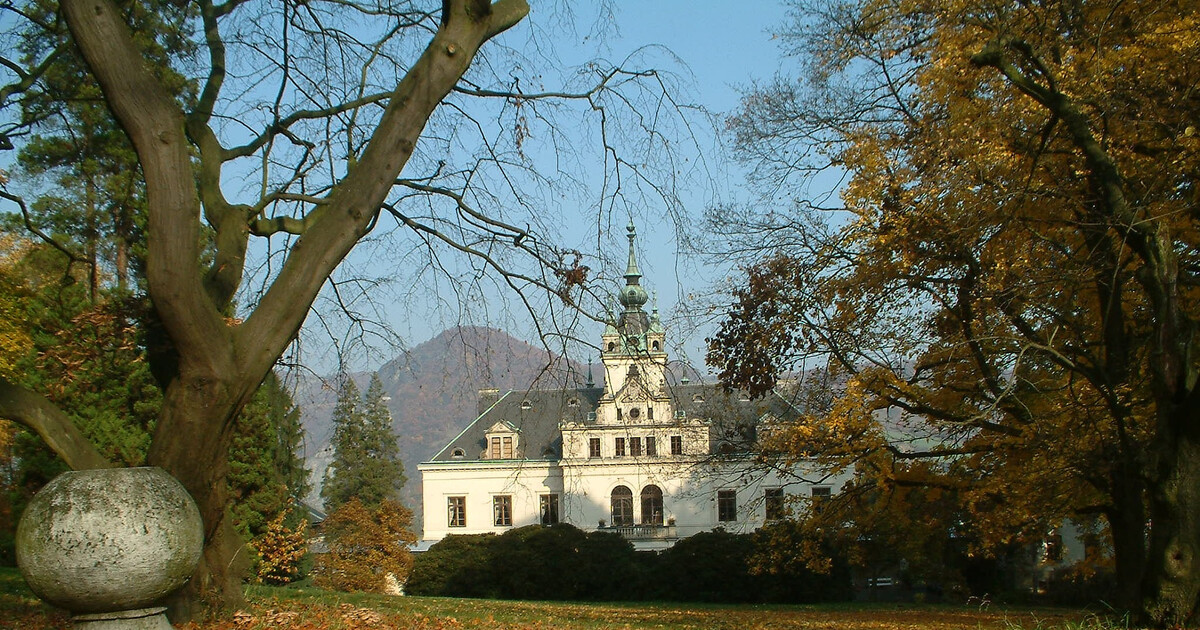
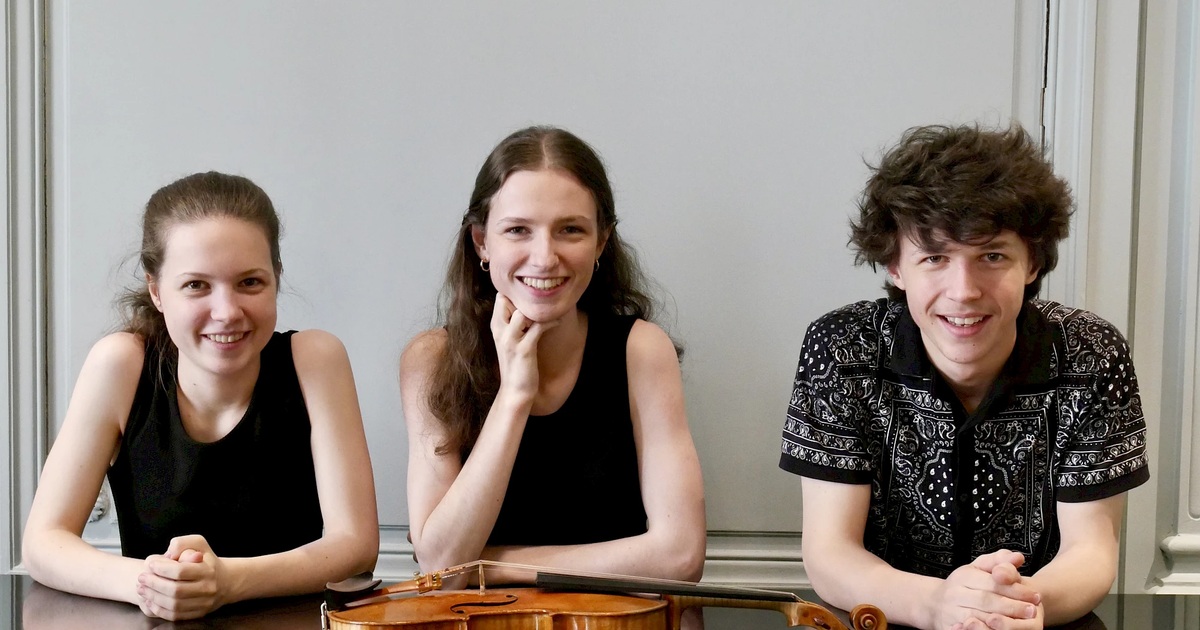
Zdroj akcí: otevřená data měst a obcí ČR (Národní katalog otevřených dat) a kalendář akcí Národního památkového ústavu.
Nearby
Svádov
Decin
Accommodation nearby
Trips and activities nearby
Guided tours, tickets and activities nearby from GetYourGuide
Affiliate link: if you buy from the partner, we may receive a commission. The price for you does not change.
Search tours and activities →Themed route
Thematic cruise route: Historical circuit in Svádov and surroundings
1. Church of St. Jacob the Elder * Type: * Gothic church with Baroque adjustments. * Why visit? * Unique sacral monument with valuable frescoes and historical equipment, typical of North Bohemia architecture. The church area is a quiet place for relaxation and photography.
2. Fara in Svádov * Type: * Protected Baroque rectory. * Why visit? * Part of the church area offers a view of local history and the life of the clergy. The outside facade is well preserved and complements the overall atmosphere of the monument.
3. Natural Reserve Black Forest * Type: * Protected forest crops. * Why visit? * Near the village is this reservation with rich flora and fauna, ideal for a short walk and nature observation. Suitable for lovers of peace and beauty.
4. Ústí nad Labem - historical center * Type: * City Heritage Core. Why visit? After visiting Svádova it is worth stopping in Ústí nad Labem where you will find important cultural monuments such as St. Wenceslas church or museum. The distance is approximately 15 km.
Seasonal recommendations
Spring During the spring, the church of St. Jacob the Elder in Svádov is surrounded by green clothes when forests and surrounding slopes awaken to life. The light of the sun, which is prolonged in the spring months, creates soft shadows on the stone walls of the church, while flowering trees and the first lawn provide a fresh smell of the surrounding area. The atmosphere is calm, but full of expectations, as after winter visitors come back to see the memory of the summer crowd. It is practically appropriate to visit the church in March or April when nature is still undisturbed by tourists. Comfortable shoes and light clothes are recommended, as the weather can be variable - from sunny days to sudden rain. The best time is early in the morning when the church is calm and the light is favourable for photography.
Summer In the summer months, the church of St. Jacob the Elder becomes one of the centres of the region, attracting visitors with its historical charm and surrounding nature. The warm sunlight illuminates the stone details of the facade, while the shadows of the trees create pleasant shelters from the midday heat. The atmosphere is lively, especially in the main summer season, when the church can become a meeting place for both local and tourist. It is practically advisable to come early in the morning or late in the afternoon to avoid the biggest crowds. Light, breathable clothes and sun protection are recommended, as the sun in the Ústí Region can be intense. It is also appropriate to take water, because there is not always enough shade around the church.
Autumn Autumn brings to Svádova golden colour of leaves, which is reflected in the windows of St. Jacob the Elder church and creates a picturesque background. Colder air and short days provide a mysterious atmosphere to the memory, especially in November, when the advent time is near. The light changes, the shadows extend and the church seems even more impressive. It is practically appropriate to visit it in September or October when nature is still rich in colors, but crowds smaller than in summer. It is recommended to wear warmer clothes, as evenings can be cold, and comfortable shoes for walking through forest trails in the surroundings. The best time is the afternoon when the light is softer and the church is lit with a pleasant golden touch.
Winter In winter, the church of St. James the Elder will be turned into a quiet sanctuary, surrounded by snow and foggy air. Snow covers the roofs and surrounding trees, while cold light creates sharp shadows on the stones of the church. The atmosphere is quiet and meditative, ideal for those looking for peace and rest. It is practically appropriate to visit the church in December or January when nature is the most beautiful, but opening hours can be limited. Hot, laminated clothing is recommended as temperatures may fall below freezing, and solid shoes for snow conditions. The best time is the afternoon when the church is lit with natural light and visitors are less numerous.
Visualizations and artistic views


The visualisations are generated by artificial intelligence and serve as inspiration.
Photos from the area
Real photos taken near the monument

Zdroj a licence jsou uvedeny u každého snímku.
Atmosphere of the place
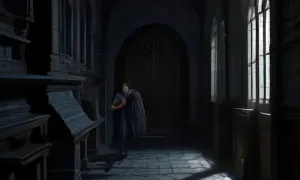
This atmospheric visualisation of the place and period was generated by artificial intelligence. It is not real footage of the location.
Tips from visitors
No tips yet. Be the first!
Log in and add your tip.
Sources and literature
Fotografie: H2k4 / CC BY-SA 4.0, rozlišení zvýšeno umělou inteligencí — Wikimedia Commons. The author and licence also appear when you hover over the image.
Faktickým podkladem tohoto textu byl článek na Wikipedii, jehož autory jsou přispěvatelé Wikipedie. Článek je dostupný pod licencí CC BY-SA 4.0.
Location on the map
Příběhy a pověsti
Legendy, pověsti a příběhy spjaté s touto památkou
Fotografie návštěvníků
Zatím žádné fotografie. Buďte první, kdo přidá fotografii z návštěvy!
Přihlaste se a přidejte svou fotografii nebo hodnoťte.
Za ověřenou návštěvu v aplikaci získáte víc bodů — poznáme podle GPS, že jste na místě.
Reviews and comments