






kostel svatého Jakuba Většího v Kněževsi Church
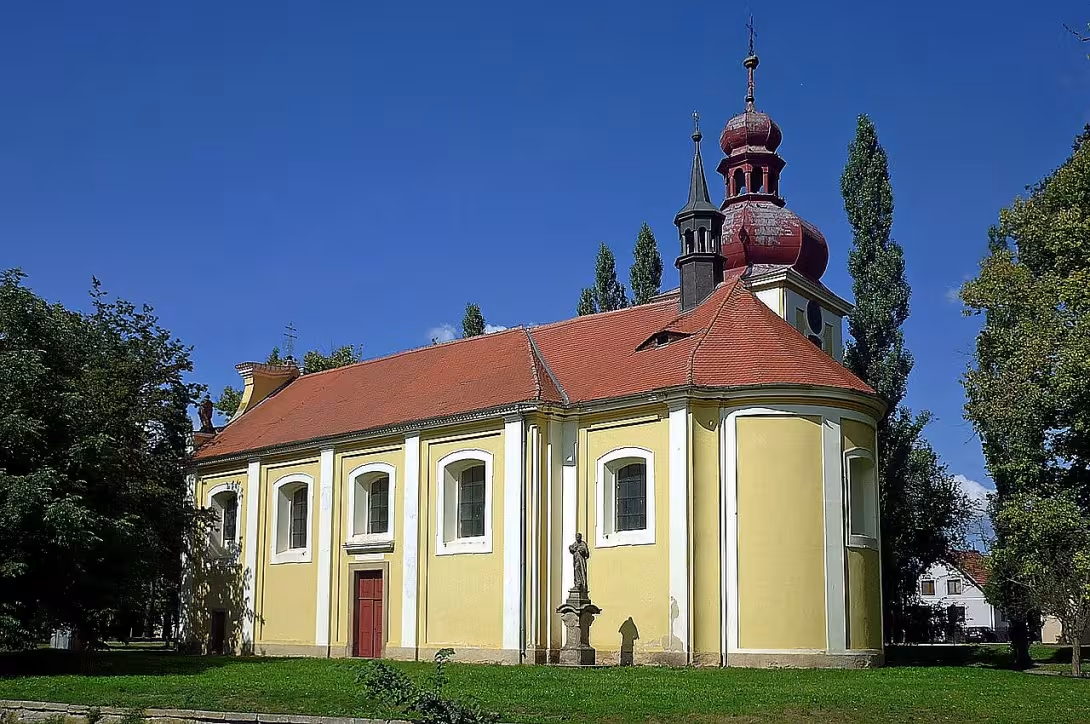
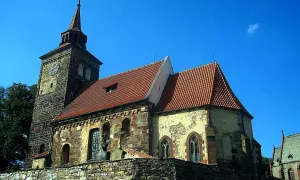
The Church of Saint James the Greater in Kněževes is a notable Baroque church located at Václavské Square in the village center. Originally documented in the 14th century, the existing structure dates back to the early 18th century and was commissioned by Jan Josef z Valdštejna following a fire that destroyed the previous building. Recognized as a cultural monument, this church is significant for its architectural elements typical of Baroque design.
The first documented mention of a fortified church in Kněževes dates back to 1327. This early structure was part of a fortification system, evidenced by remnants of a water moat. However, the current building arose from the ashes of a fire in 1718 that consumed the original edifice. The reconstruction was commissioned by Jan Josef z Valdštejna and designed by František Ignác Prée. This period marked significant Baroque cultural development in Bohemia under Habsburg rule, influenced by Catholicism, leading to many religious buildings constructed in this style.
Architecturally, the Church of Saint James the Greater is characterized by its single-nave layout with a square presbytery and a tower that serves as a sacristy. The façades are adorned with pilasters and segment-arched windows, typical of Baroque design. The church stands within a park-like area once used as a cemetery, surrounded on three sides by a water moat. Inside, the nave is covered by three vaults with lunettes, while the presbytery features a barrel vault with a conch. The interior is further enhanced by pilastry-lined walls and triple sets of side windows that illuminate the space.
Throughout its history, ownership and administration have seen changes, notably in 2003 when it transitioned from being a parish church to a filial church under the Petrovice u Rakovníka parish. This change reflects broader administrative adjustments within the region's ecclesiastical structure.
The church houses several notable features, including a tabernacle main altar with a scene of Crucifixion and statues of Saint Roch, James, John, and Lawrence in its vicinity. Additionally, two side altars dedicated to the Virgin Mary and Saint Wenceslas feature paintings by Josef Vojtěch Hellich. A fourth, neo-Romanesque altar is dedicated to Saint Anne. The church also contains a wooden pulpit from 1699, adorned with motifs of evangelists on its front panel and an image of Christ as the Good Shepherd at the back.
Today, the Church of Saint James the Greater remains accessible to visitors who are interested in exploring its rich history and architectural beauty. Its status as a cultural monument underscores its importance not only within Kněževes but also as part of the broader historical tapestry of the region. Visitors can appreciate both its spiritual significance and its contribution to Baroque architecture, making it a worthwhile destination for those interested in history and culture.
Then and now
Drag the slider to compare how the landmark may have looked when it was built with the view today.
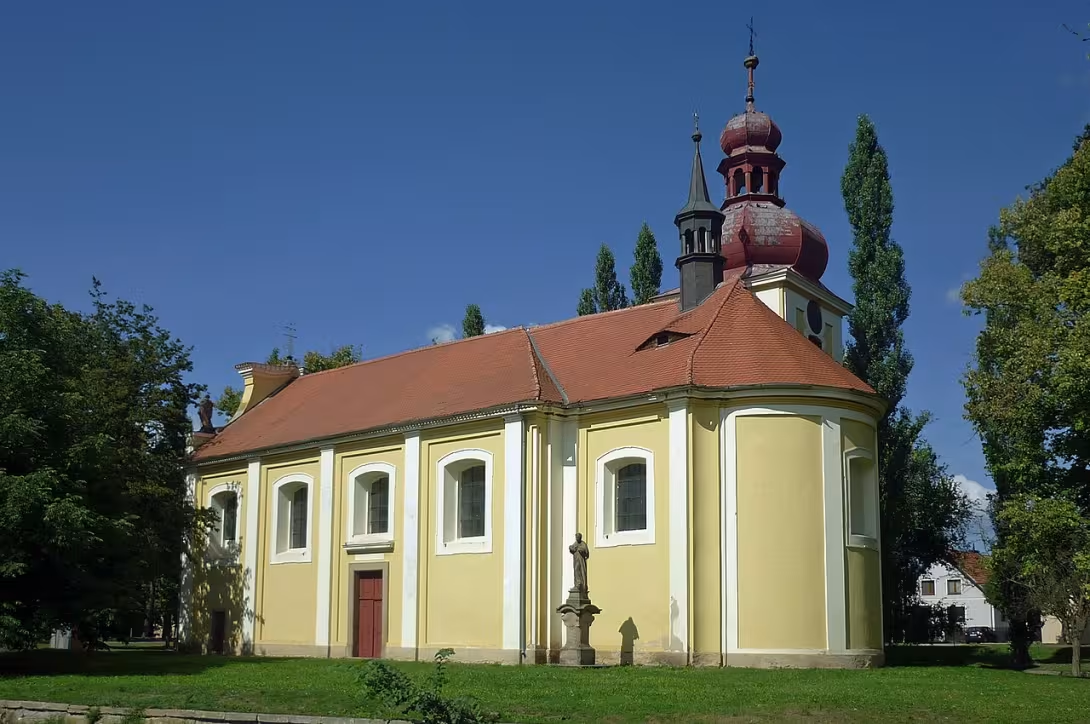

The historical appearance on the left is an AI-generated visualisation and serves as inspiration only.
Historical milestones
- 1327
- First documented mention of the castle church in Kněževsi.
- 1718
- Construction of the current Baroque church after a fire.
- 1699
- Discovery of a wooden pulpit with motifs of the evangelists and Christ as the Good Shepherd.
- 2003
- Conversion of the church into a filial under Petrovice u Rakovníka.
Architectural development
The current Baroque structure was built in the early 18th century after the original church, documented since 1327, burned down. Designed by František Ignác Prée and commissioned by Jan Josef z Valdštejna, it features a single-nave layout with a square presbytery and a tower that serves as a sacristy. The façades are adorned with pilasters and segment-arched windows.
Historical events
1327: First documented mention of a fortified church in Kněževes.
1718: Reconstruction of the church after a fire, designed by František Ignác Prée and commissioned by Jan Josef z Valdštejna.
2003: Transitioned from a parish to a filial church under the Petrovice u Rakovníka parish.
Points of interest
- The Church of Saint James the Greater was originally part of a fortification system, as indicated by remnants of an ancient water moat surrounding it—a feature not commonly associated with religious buildings.
- Despite being rebuilt in the Baroque style after a devastating fire in 1718, the church retains elements from its earlier fortified structure, blending military and ecclesiastical architecture in a unique way.
- The wooden pulpit inside the church, dating back to 1699, is adorned with motifs of evangelists on its front panel and an image of Christ as the Good Shepherd at the back, showcasing intricate craftsmanship predating the Baroque reconstruction.
- In 2003, the church transitioned from being a parish church to a filial church under the Petrovice u Rakovníka parish, reflecting broader ecclesiastical administrative changes in the region and highlighting shifts in religious governance over time.
- The church's main altar features a tabernacle with a scene of Crucifixion flanked by statues of Saint Roch, James, John, and Lawrence, illustrating a rich tapestry of religious iconography that underscores its spiritual significance.
Guide
This guide is narrated by a synthetic voice generated by artificial intelligence.
Show guide text
This text was created by artificial intelligence and has not been editorially reviewed. It may contain inaccuracies.
Welcome to the Church of Saint James the Greater in Kněževes, a remarkable testament to Baroque architecture nestled at Václavské Square in this charming village center. As you stand here, take a moment to soak in the serene atmosphere and grandeur that surrounds you. The church before your eyes is more than just a place of worship; it's a piece of history waiting to be explored.
The origins of this sacred site trace back to the 14th century when the first documented mention of a castle chapel appeared, marking its initial significance as part of Kněževes' fortification system. However, what you see today is a result of resilience and renewal following a devastating fire in 1718. Commissioned by Jan Josef z Valdštejna, this new structure rose from the ashes, embodying the Baroque style's elegance and drama under the architectural vision of František Ignác Prée.
As you gaze upon the church, notice how its architecture speaks volumes about its historical journey. The presence of an ancient water moat, remnants of which still surround it, hints at its original role within a defensive complex—a unique feature for religious buildings. This element invites us to ponder the strategic importance Kněževes once held.
Delve deeper into the church's history and you'll discover fascinating stories tied to this place. In 1699, an intriguing find was made: a wooden pulpit adorned with motifs of the evangelists and Christ as the Good Shepherd, offering a glimpse into the artistic and religious fervor of its time. Such discoveries enrich our understanding of the spiritual life that once animated these walls.
Jan Josef z Valdštejna's role in commissioning the church after the fire is a testament to his influence and vision for Kněževes. His decision not only restored a place of worship but also transformed it into an architectural jewel that would stand the test of time.
A captivating mystery surrounds this site—the transformation of its purpose over the centuries, culminating in 2003 when it became a filial church under Petrovice u Rakovníka. This evolution reflects the changing dynamics and needs of the community it serves.
As you continue your exploration, let yourself be drawn into the stories etched into every stone and beam of this magnificent Baroque church. Each corner holds secrets waiting to be uncovered, each detail a chapter in its rich history.
We invite you to wander further, to uncover more about the Church of Saint James the Greater and Kněževes itself. May your visit inspire curiosity and wonder as you delve into the layers of history that make this place truly unique. Thank you for joining us on this journey through time.
Tips for visitors
The best time to visit the Church of Saint James the Greater in Kněževes is during late spring or early autumn, when the weather is mild and pleasant. During these months, you can enjoy a leisurely stroll around the park-like area that once served as a cemetery, with its serene atmosphere enhanced by blooming flowers in spring or colorful foliage in autumn. Additionally, visiting outside of peak tourist seasons allows for a more intimate experience without large crowds.
Parking and transportation to Kněževes are convenient. There is parking available near the village center where Václavské Square is located; however, it's advisable to check local resources or online maps for specific details on availability. Public transport options can also be used to reach Kněževes, with buses providing access from nearby towns. For the most current routes and schedules, consult a transportation app or website.
When visiting the Church of Saint James the Greater, it's recommended to bring comfortable walking shoes as you may wish to explore the surrounding park-like area and walk along the historic water moat. A camera is also advisable for capturing the picturesque setting and architectural details of the Baroque church. Additionally, consider bringing a light jacket or sweater, especially if visiting in spring or autumn, when temperatures can be variable.
For photography enthusiasts, some of the best spots to capture the Church of Saint James the Greater include Václavské Square for its central view of the church and the surrounding landscape. Early morning or late afternoon light provides a soft glow that enhances the Baroque architecture. The park-like area around the church offers opportunities for capturing the historic ambiance, especially when the sun is low in the sky.
In terms of nearby attractions within a 30-minute drive from Kněževes, visitors can explore other historical sites and natural landscapes in the Středočeský kraj region. The proximity to Prague also allows for day trips to the capital city, where numerous cultural and historic landmarks await. For families with children, consider visiting local parks or engaging in outdoor activities that allow kids to enjoy nature while learning about history.
Businesses nearby
Do you run a restaurant, accommodation, shop, museum, rental, wellness or other visitor service near this monument? Show yourself directly to the people heading to it — this is how they will see you in the app and on the web:
Nearby
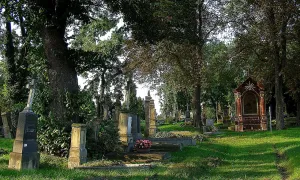
The church is situated within a park-like area that was once a cemetery, surrounded on three sides by a water moat. The surrounding landscape includes natural features and possibly other historical sites within a 5 km radius.
Accommodation nearby
Themed route
Thematic Walking Tour: Kněževes and the Church of St. James the Greater
1. Church of St. James the Greater - *Type:* Historical Landmark - The Church of St. James the Greater is a captivating historical site nestled within a park-like area that was once a cemetery, surrounded by a water moat on three sides. This serene setting offers visitors a unique glimpse into the past, making it an essential starting point for understanding the local history and architecture.
2. Church Surrounding Park - *Type:* Natural Landscape - Explore the park-like area surrounding the church, which was historically used as a cemetery. The lush greenery and tranquil atmosphere provide a peaceful environment to reflect on the historical significance of the site. This natural landscape is integral to appreciating the serene beauty that frames the church.
3. Water Moat - *Type:* Historical Feature - Walk along the water moat that encircles three sides of the church grounds. Originally serving as a defensive feature, the moat now offers picturesque views and a sense of historical continuity. It's an excellent opportunity to appreciate how natural elements were integrated into historical site planning.
4. Adjacent Natural Features - *Type:* Historical Landscape - Venture slightly beyond the immediate vicinity of the church to discover other historical landscape features within a 5 km radius. These areas, rich in natural beauty and history, provide context for the region's past land use and community life. They offer an enriching experience that complements your visit to the Church of St. James the Greater.
This walking tour is designed to immerse visitors in the historical and natural charm of Kněževes, focusing on the unique features surrounding the Church of St. James the Greater.
Seasonal recommendations
Spring: The arrival of spring at the Church of Saint James the Greater in Kněževes is marked by a gentle awakening as nature bursts into life. The surrounding landscape, adorned with blooming flowers and fresh greenery, creates an enchanting atmosphere that enhances the historical charm of the church. This season offers a serene experience with fewer crowds, making it ideal for those seeking tranquility. Visitors are advised to wear comfortable layers, as temperatures can be mild but unpredictable. Early morning visits capture the soft light filtering through budding trees, providing a picturesque setting.
Summer: During summer, the Church of Saint James the Greater is enveloped in vibrant warmth and lush greenery, with long days offering extended visiting hours. This period is characterized by the full bloom of nature around Kněževes, creating a lively and inviting atmosphere for exploration. Summer attracts more visitors due to its pleasant weather, so arriving early can help avoid larger crowds. Light, breathable clothing is recommended, along with sun protection such as hats and sunscreen, ensuring a comfortable visit under the bright summer skies.
Autumn: Autumn transforms Kněževes into a tapestry of warm colors, with falling leaves creating a picturesque backdrop for the Church of Saint James the Greater. This season offers a unique charm as the foliage turns shades of red, orange, and gold, providing a stunning contrast to the church's architecture. The cooler temperatures make it an ideal time for leisurely strolls through the area. Visitors should dress in layers to accommodate fluctuating weather conditions and consider bringing a jacket or sweater for the crisp evenings.
Winter: Winter brings a quiet and serene atmosphere to Kněževes, with the Church of Saint James the Greater standing majestically against a backdrop of snow-covered landscapes. The shorter days mean that visits are best planned during daylight hours, as the church may have limited opening times. This season is perfect for those who appreciate the peacefulness of winter scenery and prefer fewer crowds. Warm clothing, including coats, hats, gloves, and sturdy boots, is essential to ensure comfort while exploring the historic site in colder weather.
Visualizations and artistic views


The visualisations are generated by artificial intelligence and serve as inspiration.
Photos from the area
Real photos taken near the monument


Zdroj a licence jsou uvedeny u každého snímku.
Tips from visitors
No tips yet. Be the first!
Log in and add your tip.
Sources and literature
Fotografie: SchiDD / CC BY-SA 4.0 — Wikimedia Commons. The author and licence also appear when you hover over the image.
Faktickým podkladem tohoto textu byl článek na Wikipedii, jehož autory jsou přispěvatelé Wikipedie. Článek je dostupný pod licencí CC BY-SA 4.0.
Location on the map
Příběhy a pověsti
Legendy, pověsti a příběhy spjaté s touto památkou

Fotografie návštěvníků
Zatím žádné fotografie. Buďte první, kdo přidá fotografii z návštěvy!
Přihlaste se a přidejte svou fotografii nebo hodnoťte.
Za ověřenou návštěvu v aplikaci získáte víc bodů — poznáme podle GPS, že jste na místě.
Reviews and comments