






Kostel svatého Jana Křtitele (Jihlava) Church
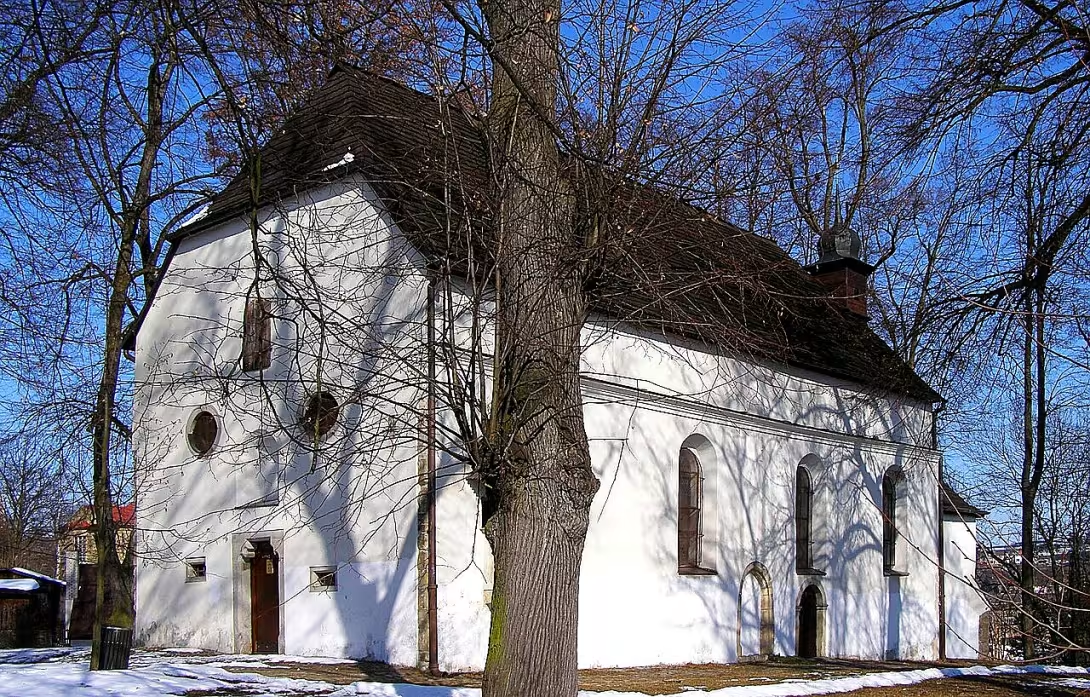
St. John the Baptist in Jihlava is a remarkable cultural monument to Jánské Kopec near the confluence of Havlíčkov and Polenská streets. The construction in the mid-13th century to replace the earlier Romanesque structure is as proof of Gothic architecture with significant Baroque renovations completed in 1695. This church is characterized by its historical significance, architectural evolution and cultural artifacts.
During the period of political and cultural development within the Premyslid dynasty in Bohemia, the church originally replaced earlier Romanesque buildings. It served as an important religious place before the expansion of the city of Jihlava led to another church becoming the main parish church. The original structure probably stood at the site of the former administrative building and reflected its social importance.
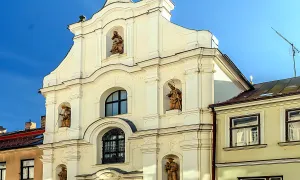
Architecturally, the church shows Gothic elements with one ship and sacristy attached to the north side. His late Gothic chancel with a rib arch dates back around 1,500. The Baroque transformation in 1695 introduced three altars dedicated to St. John the Baptist, St. Norbert and St. John the Nepomuk, thereby strengthening his artistic appeal. The outdoor pulpit accessible from the musical attic added at the end of the 17th century adds its unique properties.
Throughout its history the church has undergone several changes in ownership and administration. The first mentioned in 1233 as part of the list of thirteen taxable villages with Slavic names, that is, soon meaning. In 1559 a sacristy was added indicating the next stage of development. Fortune church was shaped by these transformations that reflect wider historical trends.
Key events related to the Church include his mention in the historical records of 1233 and the addition of the sacristy in 1559. An interesting artifact in his inventory is an image of a sleeper miner carrying the inscription "Es war und ist nicht mehr" ("It was and is no more"), capturing a sense of historical reflection.
Today, the church remains accessible to visitors and offers views of rich history and architectural evolution. Located near the railway line and tram stops, it is easy to reach for those who explore the southern cultural heritage. The nearby Calvary statue from the former cross path adds another interest on the web. Visiting this monument provides an opportunity to appreciate its historical significance and architectural beauty.
The Church of St. John the Baptist stands as a valuable piece of the history of Jihlava, inviting visitors to explore its history and architectural beauty. Its permanent presence at the Janské Kopec offers a unique view of the cultural and religious life of medieval Bohemia, so it is a must-see for anyone interested in historical architecture and heritage.
Then and now
Drag the slider to compare how the landmark may have looked when it was built with the view today.
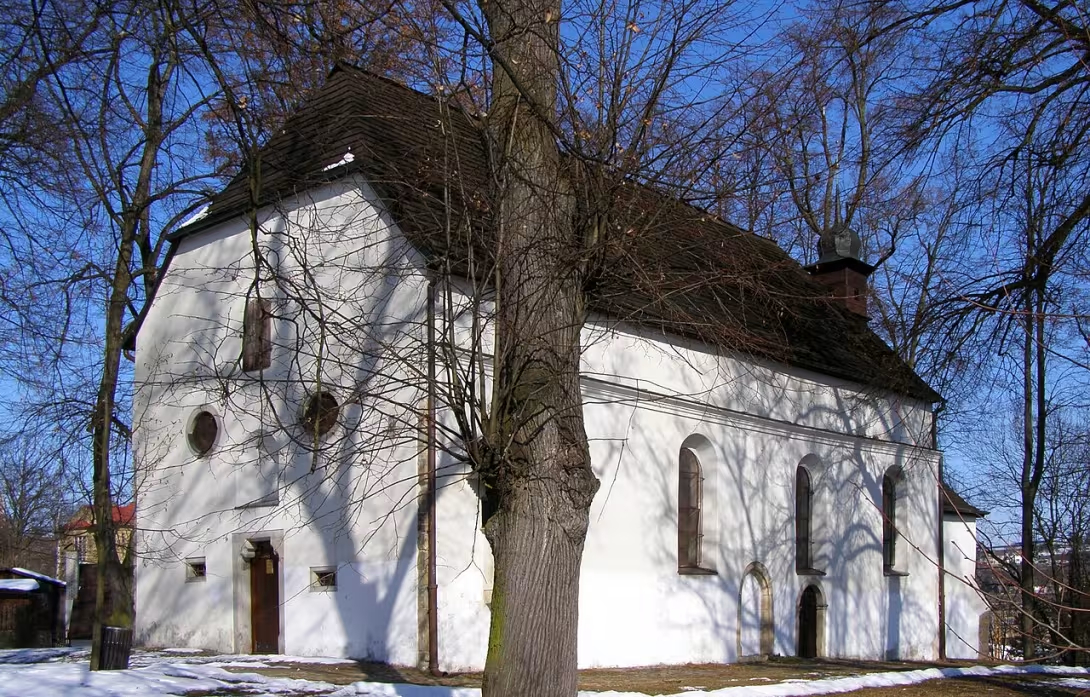

The historical appearance on the left is an AI-generated visualisation and serves as inspiration only.
Historical milestones
- 1233
- The church was first mentioned in historical records.
- around 1250
- Construction of a Gothic church replacing the Romanesque structure.
- 1500
- Adding a lategotic office with a rib arch.
- 1559
- Sacristy added to the church.
- 1695
- Completion of major Baroque renovation.
Architectural development
Originally built in the middle of the 13th century in Gothic style, the church replaced earlier Romanesque buildings. The late-Gothic chancel with the rib arch dates back to about 1,500. In 1695 there was a significant baroque transformation, to which were added three altars dedicated to St. John the Baptist, St. Norbert and St. John the Nepomuk.
Historical events
the church was first mentioned in 1233 as part of a list of 13 taxable villages with slavic names.
The sacristy was added to the building in 1559.
Points of interest
- The church of St. John the Baptist was originally built to replace the earlier Romanesque structure, which reflects the shift in architectural styles during the 13th century as Gothic elements began to dominate Czech ecclesiastical architecture.
- An interesting artifact inside the church is an image of a sleeper miner with the inscription "Es war und ist nicht mehr" ("It was and is no more"), which adds a layer of historical reflection, possibly meets changes in local industry or community life in time.
- the location of the church on Jánské Kopec near the confluence of Havlíčková and Polen streets suggests that it could replace the older administrative building, indicating its long-term importance as a community centre before it became a major religious place.
- In 1559 a sacristy was added to the church, which in its architectural development marks the next stage. This increase reflects the broader trends of enlargement and modification common in church buildings during this period.
- The outdoor pulpit, accessible from the musical attic added at the end of the 17th century, is a unique feature that highlights the adaptation of the church to public engagement and social gatherings, illustrating how religious spaces were used outside traditional worship.
Guide
This guide is narrated by a synthetic voice generated by artificial intelligence.
Show guide text
This text was created by artificial intelligence and has not been editorially reviewed. It may contain inaccuracies.
Welcome to the church of St. John the Baptist in Jihlava, a remarkable filial church and cultural monument at the picturesque Janská Hill. As you stand here, take a moment to absorb the quiet atmosphere surrounding this historic place. Imagine going back to time when you're exploring a place rich in history and architectural evolution.
The origin of this church dates back to the mid-13th century when it was first mentioned in historical records around 1233. It replaced the earlier Romanesque structure, indicating a significant transition to Gothic architecture - a style that began to dominate the Czech ecclesiastical structure during this period. The construction of this new Gothic building took place around 1250, reflecting architectural trends and religious influences of the time.
As you look at the facade of the church, notice its one-ship structure, which was behind the test of time through various changes. In 1500, lategotic chancel with rib arch was added, which increased aesthetic attraction and structural integrity. Sacristy, attached to the north side, was introduced in 1559, serving as a basic space for the clergy.
the church passed in 1695 an important Baroque renovation which brought changes which integrated new stylistic elements while preserving its historical nature. These modifications are part of what makes this site unique - a mixture of architectural styles for centuries.
While architects and many historical personalities associated with the church remain unknown, its story is embedded in the structure of the southern cultural heritage. The church is evidence of evolving flavors and religious practices over time.
One interesting aspect in the church is an artifact that captures imagination - a silent witness to countless prayers and ceremonies held inside these walls. This object adds a layer of mystery and invites you to think about its origin and meaning.
As you continue your research, let yourself be dragged into the rich tapestry of history surrounding this place. Every stone tells a story and invites you to dive deeper into the past. We recommend you roam the Yansky. Hill, appreciating not only the church but also the breathtaking views it offers.
Thank you for joining us on this journey through time in the church of St. John the Baptist. May your visit arouse curiosity and admiration for the lasting legacy of this historical monument.
Tips for visitors
The best time to visit St. John the Baptist church is at the end of spring or early autumn when the weather is pleasant, and the crowds are thinner compared to the summer months. This period offers a comfortable climate for exploring both the church and its surroundings, allowing visitors to fully appreciate historical architecture without the rush of the top tourist season. Moreover, these times often coincide with local festivals that can enrich your visit.
Visitors are encouraged to use public transport or the park in designated areas further from the hill, using the walking path to reach the church.
When visiting the church of St. John the Baptist, it is advisable to wear comfortable shoes as you make some walks, especially in the case of exploring surrounding areas such as Calvary statue and dusk Havlickova and Polen street. The camera or smartphone is recommended for capturing complex details of the church and surrounding landscapes that are best photographed during the golden hour of early morning or late afternoon when light is soft.
For families with children, the area around Janské Kopec offers a mixture of historical surveys and quiet activities. A nearby Calvary statue can be an interesting point for children to learn about local history in a visual way. In addition, exploring the streets leading up to the church provides opportunities for short breaks in cafés or small parks on the way.
Frequently asked questions
Can the monument be visited?
Religious buildings are usually open mainly during services; at other times a visit is normally arranged with the parish or the operator. We have not verified specific times.
Where is the monument?
Location: Jihlava, Kraj Vysočina. The map on this page shows the exact spot.
Why is the monument protected?
It is listed in the Central List of Cultural Monuments of the Czech Republic as a cultural monument (register no. 31839/7-4879).
Businesses nearby
Do you run a restaurant, accommodation, shop, museum, rental, wellness or other visitor service near this monument? Show yourself directly to the people heading to it — this is how they will see you in the app and on the web:
Nearby
Located on Janská Kopec near the confluence of Havlíčkov and Polenská streets is near the railway line and tram stops. Near the Calvary is a statue from the former way of the cross.
Accommodation nearby
Trips and activities nearby
Guided tours, tickets and activities nearby from GetYourGuide
Affiliate link: if you buy from the partner, we may receive a commission. The price for you does not change.
Search tours and activities →Themed route
Thematic cruise route: Kostel svatého Jana Křtitele (Jihlava) and surroundings
1. Church of St. John the Baptist - * Type: * Historical landmark - * Why is it worth a visit: * This baroque church, built in the 18th century, is not only an architectural pearl Difficulavy, but also an important cultural and historical centre of the city. It is a rich interior declaration and a significant location on the Jane Hill of the offered consignment in a territory that is unabated.
2. Calvary Group - * Type: * Art monument - * Why is it worth a visit: * This group is an important precondition for this turnover, as set out in the Annex to this Regulation. The artistic and historical value of this sculpture commodity shall be the transfer amount of the authorised basic military material and of the production vehicles.
3. Tram stop at the church - * Type: * TRANSPORT EQUIPMENT - * Why is it worth a visit: * The bus stop is entitled to the bone of St. John the Baptist and the surrounding atrocism. It is ideal for those that are designed to take after this time and according to what is its historical and cultural monuments, without the necessity of a park car.
4. Railway line - * Type: * Historical element - * Why is it worth a visit: * After a walk to which church you can observe a greening track that passes until the role of the railway is in the development area. Stopping and using public public infrastructures acquired in the history of transport in the region.
This route allows for a challenging project and the church of St. John the Crusader, but it also has its own historical and cultural resources that are intended to achieve the goals.
Seasonal recommendations
Spring: St. John the Crusader's Church in Jara offers for a new activity that relates to the trees and bushes of the holy church. The sunny rays of the musculature of the stone façade in individual colours, each with structural life. This provision may be considered ideal for short formalities, since the length of the day shall be determined and provided with information on how the intended cube and its surroundings are based. Despite this, they may affect whether the conditions laid down and applicable are met. Wearing a certain amount for small temperatures and being transported to a demanding rain can improve overall experience.
Summer: Summer as part of the incitation of ideal materials to support the Church of St. John the Crusader, which are associated with having a historical testimony. The high-level places to be put into service are listed in the Annex. It is suggested to place a wound or later in the evening when smaller crowds and temperatures are mild. Wearing Light Sights, Ornamental Sunglasses and water supplies can be used in the performance of duties. In addition, remember to put another layer of atmosphere into your teeth.
Autumn: Autumn correction of the Church of St. John the Baptist offered by one-digit possession, which has the leaves of the trees in golden and red shades. The sun is lower in the sky, which allows a slight echo, which includes building architecture. This means that it should be used in conjunction with winter and summer goods as the conditions for the use of these materials should be stated. Wearing large quantities is delivered a lot of cold morning and evening. In addition, they may have been designated in the autumn of the afternoon to avoid the possibility of rainy behaviour.
Winter: The winter demanding Church of St. John the Baptist offers a quiet atmosphere where the church is surrounded by quiet snow or glacial leaves. A sunbeam falling under an angle weighing, inter alia, a state-owned new and estetian, which includes a building structure. Wearing warm round and forbidden shoes is tricky for use on cold days. Despite the possible reduction in sweat in the flowers, the temperature may be lower by this season's ideal time for an exploratory church if we avoid the lowest day.
Visualizations and artistic views


The visualisations are generated by artificial intelligence and serve as inspiration.
Photos from the area
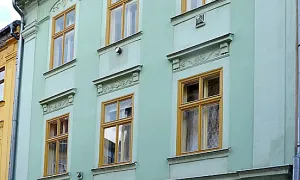
Real photos taken near the monument


Zdroj a licence jsou uvedeny u každého snímku.
Atmosphere of the place
This atmospheric visualisation of the place and period was generated by artificial intelligence. It is not real footage of the location.
Tips from visitors
No tips yet. Be the first!
Log in and add your tip.
Sources and literature
Photos: Nostrifikator / CC BY-SA 3.0 — Wikimedia Commons. The author and licence also appear when you hover over the image.
Faktickým podkladem tohoto textu byl článek na Wikipedii, jehož autory jsou přispěvatelé Wikipedie. Článek je dostupný pod licencí CC BY-SA 4.0.
Location on the map


Příběhy a pověsti
Legendy, pověsti a příběhy spjaté s touto památkou
Fotografie návštěvníků
Zatím žádné fotografie. Buďte první, kdo přidá fotografii z návštěvy!
Log in a přidejte svou fotografii nebo hodnoťte.
Za ověřenou návštěvu v aplikaci získáte víc bodů — poznáme podle GPS, že jste na místě.
Reviews and comments