






Kostel svatého Jana Nepomuckého (Dejvice) Chapel
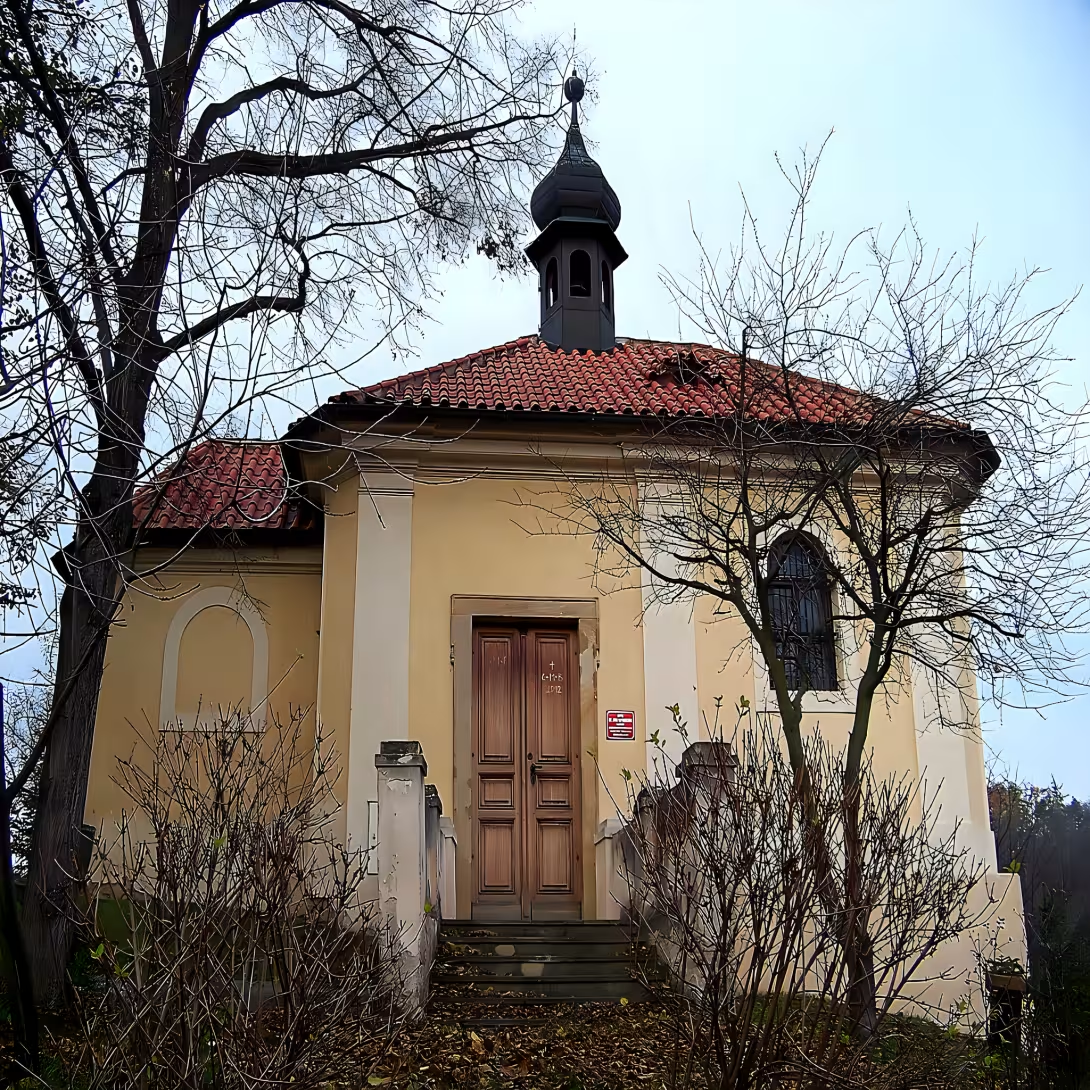
The church of Saint John Nepomucen in Dejvice, Praha, is a Baroque chapel built between 1713 and 1719. Originally founded as a plague cemetery chapel during a major plague epidemic in 1680, later became a parish church. This historical monument stands on a small rocky hill near the road from Prague to Horoměřice and reflects its importance when serving local communities until after World War II.
The origin of the site dates back to 1680, when a plague cemetery was established during a major epidemic. The chapel itself was built after another epidemic in 1713, which marks the beginning of its present Baroque form. Originally, a part of the premonstraten estate known as Jeneralka has evolved from a burial ground to become an integral religious structure for the community.
The chapel has a square and rectangular boat, typical of baroque design. In 1822 a sacristy was added to the north, which extended the original arrangement. The interior includes various equipment from the 18th and 19th centuries, with remarkable statues of Franz Platzler, such as the statues of St. Norbert and St. Wenceslas.
During its history, the chapel undergone several administrative changes. Originally a Filial church under the jurisdiction of Strahov Abbey was promoted to a local church in 1785 or perhaps earlier in 1783. By 1857 she became an independent parish that reflected the growing importance of society. At the end of the 19th century, however, the chapel cemetery ended its operation when the funerals moved to Rostovický Cřbitov.
The chapel faced challenges over time, including several robberies in the 19th century, which led to the loss of valuable liturgical objects and bells. Despite these failures, she remained at the heart of local religious life until World War II disrupted her regular service. The chapel was restored in the late 1980s, allowing it to continue to serve as a place of worship.
The Church of St. John Nepomucen is today a proof of the resilience and historical importance of the Dejvice community. Visitors can appreciate its architectural beauty and rich history, making it a valuable destination for those interested in discovering Prague's religious heritage. Its restoration ensures that this Baroque chapel remains accessible and invites visitors to immerse themselves in their history.
Then and now
Drag the slider to compare how the landmark may have looked when it was built with the view today.
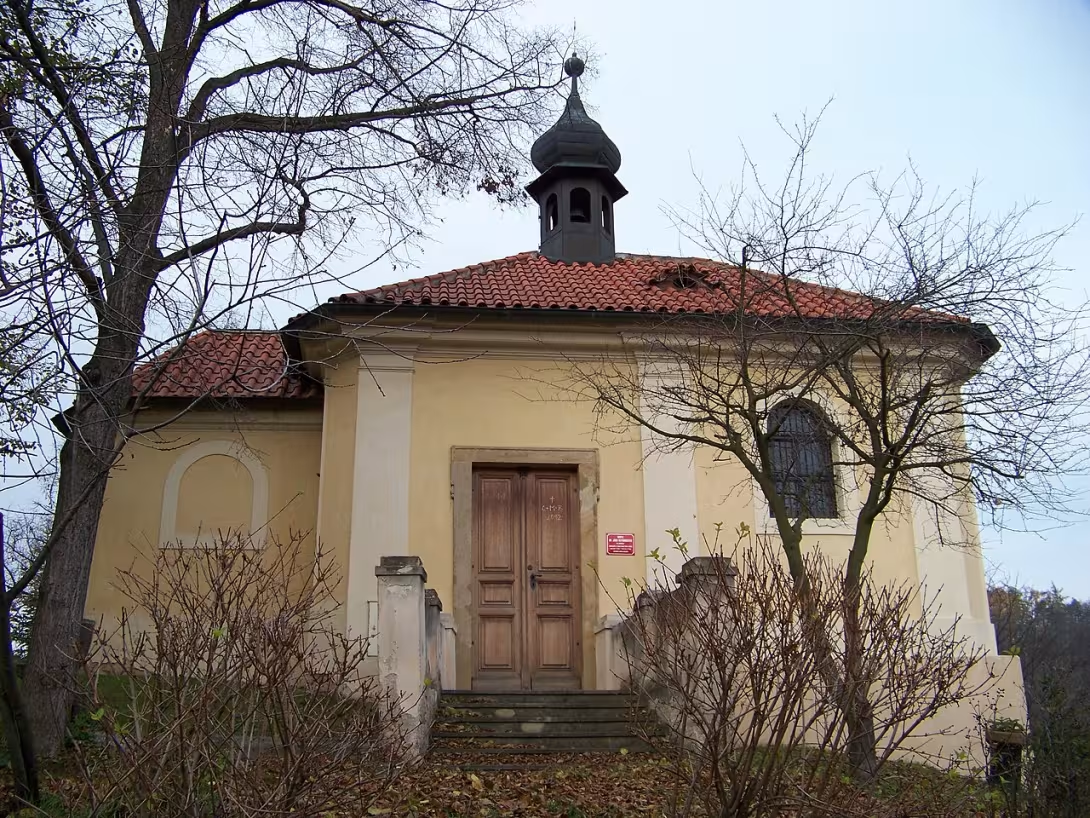
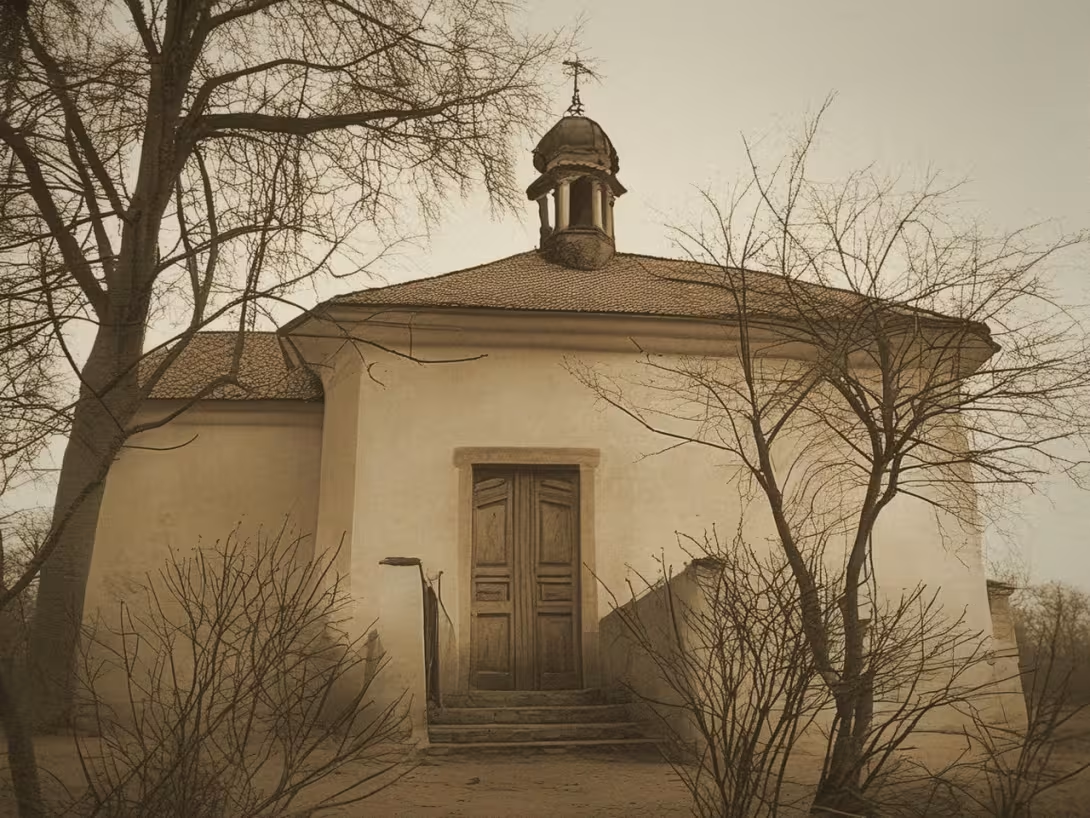
The historical appearance on the left is an AI-generated visualisation and serves as inspiration only.
Historical milestones
- 1713
- Construction of the present baroque chapel started.
- 1785
- The chapel was raised to a local church.
Architectural development
The chapel stands on a small rocky hill with a square boat and rectangular presbytery. A sacristy was added in the north of 1822. The interior is decorated with furniture from the 18th and 19th centuries, including remarkable statues.
Historical events
1680: Establishment of a plague cemetery on site during a major epidemic.
1713-1719: Construction of the present Baroque chapel after another plague epidemic.
1785 / 1783: The chapel was promoted to a local church, later became a separate parish in 1857.
Points of interest
- The Church of Saint John Nepomuceny was originally built as a plague cemetery chapel during a major plague epidemic in 1680, highlighting its origins associated with one of the most devastating health crises in history.
- Despite its architectural beauty and historical importance, the chapel suffered several robberies in the 19th century which led to the loss of valuable liturgical objects and bells, which underlines its vulnerability as a religious place.
- The chapel was once part of the premonstrate estate known as Jeneralka, suggesting its connection to this monastic order before it evolved into an independent parish by 1857.
- Architecturally he has statues of František Platzler, including statues of St. Norbert and St. Wenceslas, which show artistic contributions that add depth to his baroque design.
- After World War II, she interrupted regular transportation, the chapel passed through a restaurant in the late '80s, allowing her to continue to serve as a place to worship and preserve her role in the community.
Guide
This guide is narrated by a synthetic voice generated by artificial intelligence.
Show guide text
This text was created by artificial intelligence and has not been editorially reviewed. It may contain inaccuracies.
Welcome to the church of St. John Nepomucena in Dejvice in Prague - a remarkable will of Baroque architecture and a witness of centuries of history. As you stand before this beautiful chapel, take a moment to absorb its peaceful beauty and historical significance.
The origin of this sacred place dates back to 1680 during the epidemic of the great plague, when it was originally built as a plague cemetery chapel. This modest start underlines its role in providing comfort and refuge in the midst of one of the most devastating health crises in history. Over time, the building developed, with construction on the current Baroque chapel starting in 1713. In 1785, this place of worship became a local church.
As you look at St. John Nepomuceno's church today, notice his harmonious combination of architectural elements that define his baroque character. The exterior invites to reflect with its elegant lines and proportions. Come in and welcome you to the 18th and 19th century interior. One can't help but admire the statues made by František Platzler, which adds a layer of artistic depth to this spiritual paradise.
The history of this chapel is intertwined with stories that reflect its resilience and importance in the community. Although the church has faced challenges over the years, including the period of neglect and damage, it has been a beacon of faith and endurance for generations.
An interesting aspect of this place is the transformation from the cemetery chapel to the parish church - a path reflecting both architectural development and social needs. This transition highlights the adaptability and lasting importance of St. John's Church in Dejvice.
As you continue your research, take time to think about the layers of history that shaped this place. Every corner has stories waiting to be discovered that call you to dive deeper into its past.
Thank you for joining us in St. John's Church. We hope that this experience has enriched your understanding and recognition of the rich cultural tapestry of Prague. May your journey through Dejvice continue with curiosity and wonder. Have a good trip!
Tips for visitors
The best time to visit St. John Nepomucene's church in Dejvice is late in spring or early autumn when the weather is mild, so it is pleasant for walking around and exploring surrounding sites. These seasons offer pleasant temperatures and fewer crowds compared to summer, allowing you to fully appreciate the Baroque architecture of the chapel and quiet surroundings. In addition, a visit outside the top tourist season can provide a more intimate experience with the historic place.
Parking near St. John Nepomucena church is limited by its location in the city area. Visitors are advised to use public transport for easier access. Dejvická Metro Station on line B is conveniently close, so it is easy to reach the chapel on foot. If driving is necessary, check the nearby parking lot or the possibility of parking on the street, but keep in mind any restrictions. Always check local sources for the latest information on transport and parking availability.
When planning your visit, consider bringing comfortable walking shoes as you wish to explore the area on foot. The camera is recommended to capture complex details of the chapel, especially in natural light during early morning or late afternoon, when shadows spread baroque features. In addition, carrying a small backpack with water and refreshments can make your visit more enjoyable, especially if you plan to spend time exploring nearby historical monuments.
Photography enthusiasts will find several places around the chapel ideal for capturing its beauty. The best light is often during the golden hours of dawn or sunset, when soft light highlights the architecture of the chapel. For a unique perspective, consider shooting from a small rocky hill, where the chapel is located and offers a picturesque background with natural elements. Don't forget to respect any restrictions on photography and be careful with other visitors.
In addition to the church of St. John Nepomucena, there are several interesting places within a 30-minute walk or short drive. The nearby road from Prague to Horoměřice offers picturesque views and historical attractions. For families with children, consider visiting local parks where they can enjoy outdoor activities while you explore the history of the area. These spots provide a balanced experience of culture and nature, making it ideal for family trips.
Businesses nearby
Do you run a restaurant, accommodation, shop, museum, rental, wellness or other visitor service near this monument? Show yourself directly to the people heading to it — this is how they will see you in the app and on the web:
Events nearby

Zdroj akcí: otevřená data měst a obcí ČR (Národní katalog otevřených dat) a kalendář akcí Národního památkového ústavu.
Nearby
The chapel is located near the road from Prague to Horoměřice, on a small rocky hill. The surrounding area includes historical sites and natural elements within a radius of 5 km.
Accommodation nearby
Trips and activities nearby
Guided tours, tickets and activities nearby from GetYourGuide
Affiliate link: if you buy from the partner, we may receive a commission. The price for you does not change.
Search tours and activities →Themed route
Thematic walking tour: Discovering the chapel of St. John Nepomuk and its surroundings
1.Kostel svatého Jana Nepomuckého (Dejvice) - * Type: * Religious pages - * Why Visit: * Start your journey in this quiet chapel, dedicated to St. John of Nepomuk, located on a picturesque rocky hill. The historical significance and peaceful environment of the chapel make it an ideal starting point for exploring the spiritual heritage Dejvice.
2. Historical trip from Prague to Horoměřice - * Type: * Historical trip - * Why Visit: * Follow the ancient road that once connected Prague with Horoměřice and offers a view of the historical routes that shaped the region. This path provides context for the location of the chapel and allows to appreciate the mixture of natural beauty and history.
3. Ambient natural properties - * Type: * Natural landscape - * Why Visit: * Explore rocky terrain around the chapel, which adds a unique charm to the area. Natural features within a 5 km radius highlight the harmonious relationship between the built environment and nature in Dejvice.
This tour offers a compact but rewarding experience of Dejvice's historical and natural attractions focusing on the chapel and its immediate surroundings.
Seasonal recommendations
Spring: The chateau of St. John Nepomuk's church in Dejvice during spring offers a unique atmosphere, where the chapel is surrounded by a garden chandelier. Sunshine days supply unusually nuances to flowers and trees, which provide adjacent services for photography. This time of year is ideal for legal formalities, where hikers and local tourists can be used calmly before flooding the crowd. Due to the moderate temperature, it is also advisable to take with you light siege, which is applicable even if all conditions are met.
Summer: Summer in Dejvice offers warm and verified data with full day, which is ideal for the talk of St. John Nepomuk. A day enchanted by the early sun, which will go to the steelworks to the maple and new architectural facilities. Due to the popularity of Dejvice in the main summer area, it is delivered to place a dame door in order to avoid a large crowd. The dark round and forbidden solstice are quiet to secure deliveries.
Autumn: Autumn brings the colour palette to Dejvice, where trees are revealed in living colors. This season is ideal for a calm and reflective visit to St. John Nepomuk's skeleton. The sunny days are warm, but the evenings are moving fast, so it is advisable to roll in time and smoke frosty before the cold weather begins. The lightened siege with adjacent layers is supplied to translate quickly with my temperature.
Winter: The winter challenges of St. John Nepomuk's skeleton encourage a calm and intimate atmosphere. The chapel is exposed, which is a light that has a magical effect, especially that have short days. In the winter of the moons, the opening hours are usually shortened, so it's good to remember that the plan should start in the day. Hot round, incl. fur coat or blanket, is a slick for cold days. In addition, you can make sure that you enjoy the experience without obstacles, because winter often recalculates the number of difficult numbers in conjunction with spring and summer.
Visualizations and artistic views


The visualisations are generated by artificial intelligence and serve as inspiration.
Photos from the area
Real photos taken near the monument


Zdroj a licence jsou uvedeny u každého snímku.
Tips from visitors
No tips yet. Be the first!
Log in and add your tip.
Sources and literature
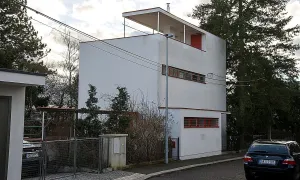
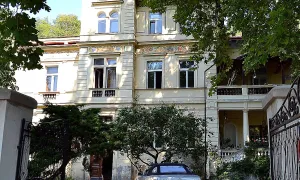
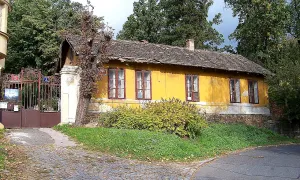
Photos: ŠJů (cs:ŠJů) / CC BY-SA 3.0, rozlišení zvýšeno umělou inteligencí — Wikimedia Commons. The author and licence also appear when you hover over the image.
Faktickým podkladem tohoto textu byl článek na Wikipedii, jehož autory jsou přispěvatelé Wikipedie. Článek je dostupný pod licencí CC BY-SA 4.0.
Location on the map


Příběhy a pověsti
Legendy, pověsti a příběhy spjaté s touto památkou
Fotografie návštěvníků
Zatím žádné fotografie. Buďte první, kdo přidá fotografii z návštěvy!
Log in a přidejte svou fotografii nebo hodnoťte.
Za ověřenou návštěvu v aplikaci získáte víc bodů — poznáme podle GPS, že jste na místě.
Reviews and comments