






Kostel svatého Jiří (Lubnice) Church
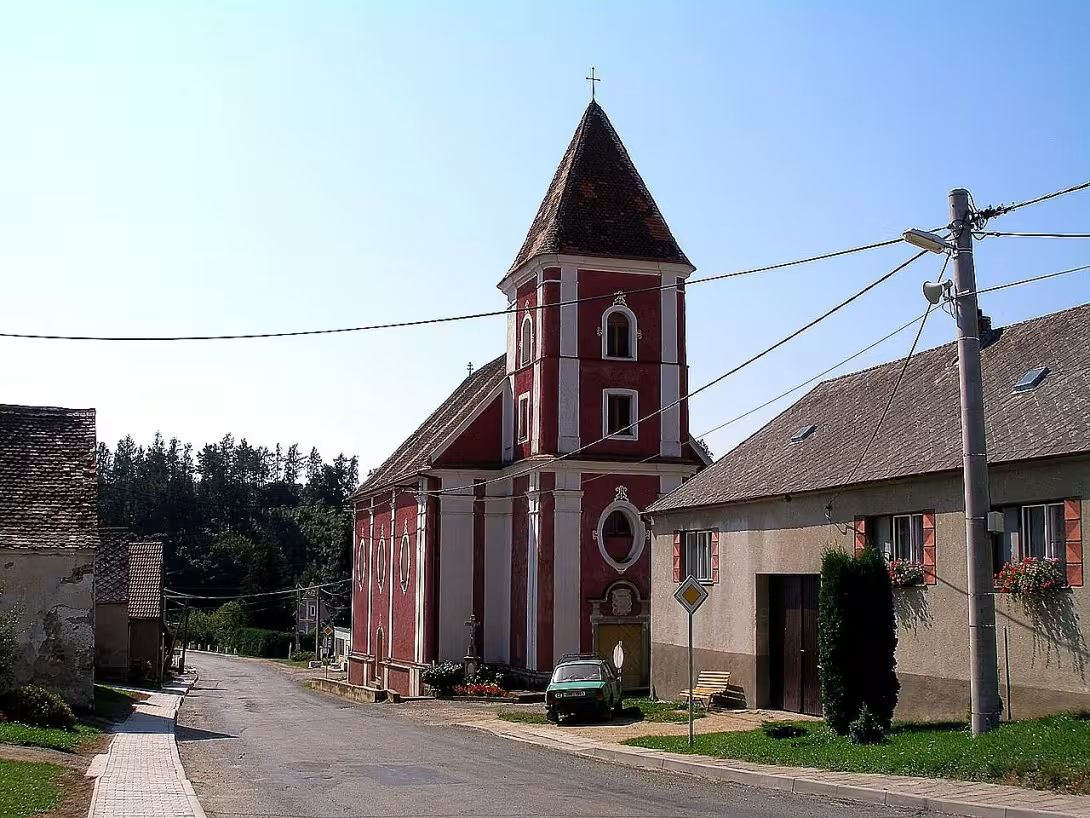
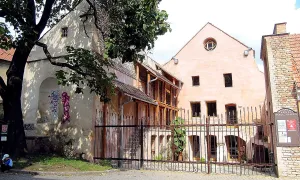
The Church of Saint George in Lubnice is a Baroque single-nave hall church built in 1718, located at the heart of the village. It stands as a testament to the religious and architectural developments of early 18th-century Bohemia, part of the Habsburg Monarchy. This historical monument was established by Count Maximilian Ernst II of Vlachim amidst disputes with the Geras Monastery over patronage rights, reflecting broader ecclesiastical consolidations in the region.
The origins of Lubnice's Church of Saint George are rooted in a period marked by significant religious and political changes within Bohemia. Initially under the influence of the Geras Monastery, Lubnice was part of the parish of Vratěnín until 1372 when it gained its own chapel dedicated to Saints George and Catherine. Over time, disputes over patronage rights arose between local nobility and monastic authorities. By the early 18th century, Count Maximilian Ernst II sought to establish a new parish in Lubnice, leading to negotiations with the Olomouc Consistory beginning in 1716. Despite resistance from the Geras Monastery, these efforts culminated in the construction of the church by 1727, solidifying its status as an independent parish.
Architecturally, the Church of Saint George exemplifies Baroque design, characterized by its single-nave hall structure completed in 1718. It replaced a chapel that had disappeared during the Hussite Wars, reflecting the turbulent history of the region. The church's interior is adorned with significant artistic elements: a main altar featuring an image of Saint George battling a dragon, flanked by sculptures of Saints John Nepomuk and Jan Sarkander. These figures highlight the patronage preferences of Count Maximilian Ernst II, who was known for his support of religious art during the Rococo period. Additionally, side altars dedicated to Saints Catherine and Peter further enhance the church's Baroque aesthetic.
Ownership and administration of the Church of Saint George have been marked by notable historical figures and events. Initially established under the patronage of Count Maximilian Ernst II, disputes over parish rights with the Geras Monastery were a significant aspect of its early history. These conflicts persisted until 1727 when the Olomouc bishopric resolved them in favor of Count Maximilian's heirs. This decision underscored the church's transition to an independent parish and solidified its place within the local ecclesiastical hierarchy.
Throughout its history, the Church of Saint George has been a focal point for various key events and curiosities. The establishment of the new parish in 1716 marked the beginning of significant changes, culminating in the resolution of disputes by 1727. Despite initial resistance from monastic authorities, the church's successful establishment as an independent parish reflects broader trends of religious consolidation during this period. Additionally, the artistic elements within the church, such as the sculptures of Saints John Nepomuk and Jan Sarkander, reflect the cultural and religious influences of its time.
Today, the Church of Saint George remains a significant historical monument in Lubnice, attracting visitors interested in Baroque architecture and ecclesiastical history. Its preservation as a cultural heritage site underscores its importance within the Jihomoravský kraj region. Visitors can explore its rich artistic features and gain insight into the religious dynamics of early 18th-century Bohemia. The church's enduring legacy makes it a worthwhile destination for those seeking to understand the historical and architectural evolution of this area.
The Church of Saint George in Lubnice offers a unique glimpse into the past, showcasing the interplay between religion, art, and politics during a transformative period in European history. Its Baroque architecture and rich artistic heritage make it an essential visit for anyone interested in exploring the cultural legacy of Bohemia.
Then and now
Drag the slider to compare how the landmark may have looked when it was built with the view today.
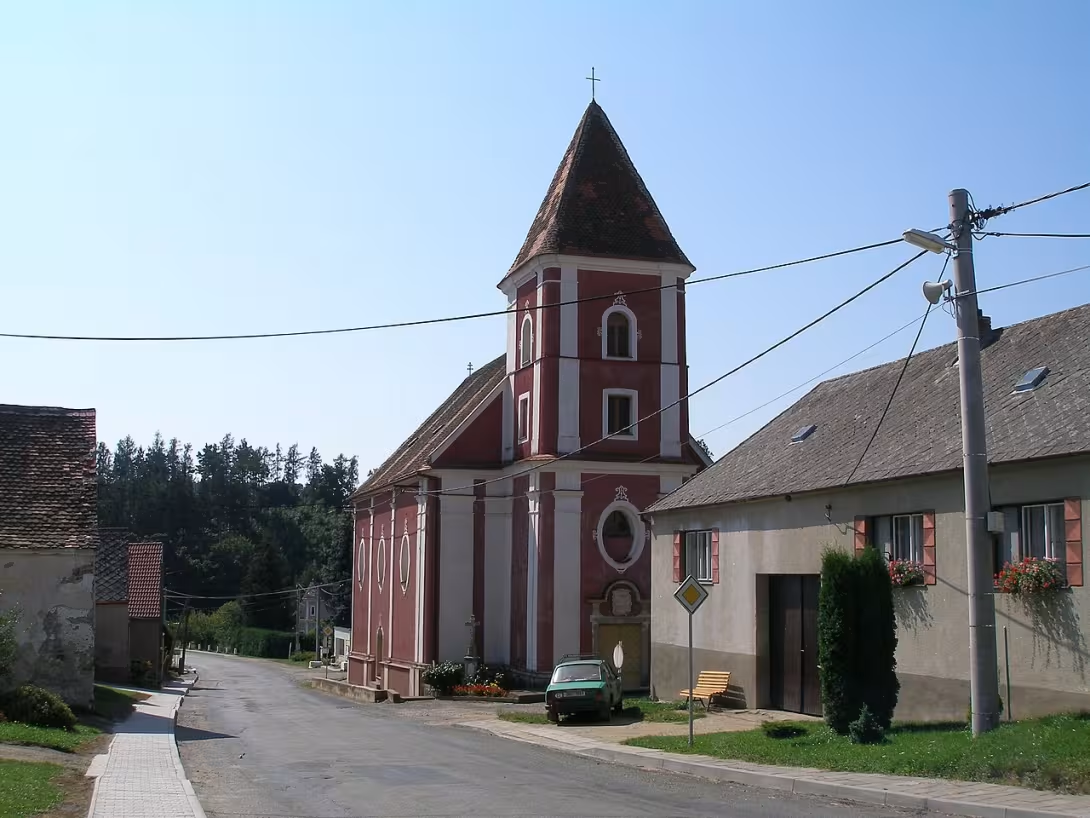
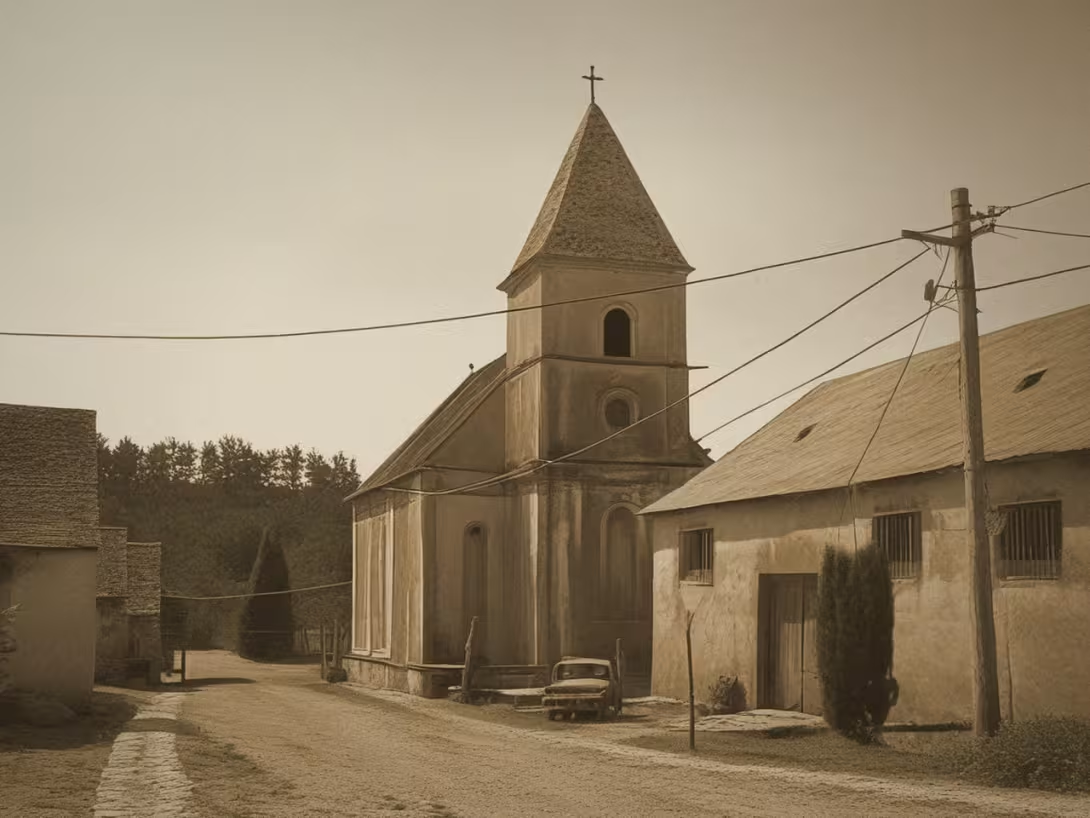
The historical appearance on the left is an AI-generated visualisation and serves as inspiration only.
Historical milestones
- 1372
- Lubnice získává svou vlastní kapli.
- 1716
- Počátek jednání o novém farním úřadu v Lubnici.
- 1718
- Výstavba barokního kostela svatého Jiří dokončena.
- 1727
- Rozhodnutí biskupství olomouckého o nezávislosti farnosti.
Architectural development
The Church of Saint George was constructed as a baroque hall church in 1718. It replaced an earlier chapel that had disappeared during the Hussite Wars. The interior features include a main altar with a depiction of Saint George and side altars dedicated to Saints Catherine and Peter, reflecting typical baroque artistic elements.
Historical events
In 1716, negotiations began with the Olomouc Consistory for establishing a new parish in Lubnice.
By 1727, disputes over the parish were resolved in favor of Count Maximilian Ernst II's heirs.
Owners
Initially under the patronage of Count Maximilian Ernst II of Vlachim, who established the parish in 1718. The church faced disputes with the Geras Monastery over patronage rights until a decision was made by the Olomouc bishopric in favor of Maxmilián Arnošt II and his heirs.
Points of interest
- The Church of Saint George in Lubnice was built during a period of ecclesiastical consolidation, reflecting broader religious and political changes within Bohemia under the Habsburg Monarchy.
- Originally part of the parish of Vratěnín until 1372, Lubnice had its own chapel dedicated to Saints George and Catherine before disputes over patronage rights emerged with the Geras Monastery.
- The church replaced a chapel that disappeared during the Hussite Wars, highlighting the turbulent history of the region and the resilience of religious structures amid conflict.
- Count Maximilian Ernst II's support for religious art is evident in the church’s interior, featuring sculptures like Saints John Nepomuk and Jan Sarkander, indicative of his patronage preferences during the Rococo period.
- The resolution of disputes over parish rights by the Olomouc bishopric in 1727 marked a significant moment, solidifying the Church of Saint George's status as an independent parish within the local ecclesiastical hierarchy.
Guide
This guide is narrated by a synthetic voice generated by artificial intelligence.
Show guide text
This text was created by artificial intelligence and has not been editorially reviewed. It may contain inaccuracies.
Welcome to the historic Church of Saint George in Lubnice! As you stand before this stunning baroque structure, take a moment to soak in its serene presence at the heart of the village. The church's elegant single-nave hall design reflects the architectural trends of early 18th-century Bohemia.
The story of this remarkable church begins with Count Maximilian Ernst II of Vlachim, who was instrumental in establishing a new parish here in Lubnice. This initiative emerged from negotiations that started in 1716, aimed at creating an independent ecclesiastical community separate from the Geras Monastery's influence. By 1718, the church you see before you stood completed, marking a significant moment of religious and political consolidation under the Habsburg Monarchy.
As you admire the church, take note of its main altar—a focal point that features an evocative image of Saint George battling a dragon. This dramatic scene is complemented by sculptures of various saints, which adorn the space with spiritual significance and artistic beauty. While the architects remain unknown, their work has left us with a masterpiece that continues to captivate visitors.
The history of Lubnice itself is deeply intertwined with this church. Before 1372, the village was part of the parish of Vratěnín, but it gained its own chapel dedicated to Saints George and other figures. This move towards ecclesiastical independence culminated in 1727 when the Olomouc bishopric officially recognized Lubnice's status as an independent parish.
One intriguing aspect of this church is how it reflects broader religious changes during a time when Bohemia was under Habsburg rule. The period saw significant shifts, with local leaders like Count Maximilian Ernst II playing crucial roles in shaping regional spiritual landscapes.
As you continue your exploration, let the atmosphere of history and devotion envelop you. This church not only stands as a testament to architectural beauty but also narrates stories of determination and faith from centuries past. We invite you to delve deeper into its rich tapestry of history and perhaps discover more about the vibrant life that once thrived around it.
Thank you for joining us on this journey through time at the Church of Saint George in Lubnice. May your visit inspire a deeper appreciation for the stories etched within these walls.
Frequently asked questions
Can the monument be visited?
Religious buildings are usually open mainly during services; at other times a visit is normally arranged with the parish or the operator. We have not verified specific times.
Where is the monument?
Location: Lubnice, Jihomoravský kraj. The map on this page shows the exact spot.
Why is the monument protected?
It is listed in the Central List of Cultural Monuments of the Czech Republic as a cultural monument (register no. 35716/7-6531).
Businesses nearby
Do you run a restaurant, accommodation, shop, museum, rental, wellness or other visitor service near this monument? Show yourself directly to the people heading to it — this is how they will see you in the app and on the web:
Nearby
Lubnice is situated in the Jihomoravský kraj region, surrounded by typical Czech countryside. Nearby landmarks include the former castle site where the current parish house stands.
Accommodation nearby
Trips and activities nearby
Guided tours, tickets and activities nearby from GetYourGuide
Affiliate link: if you buy from the partner, we may receive a commission. The price for you does not change.
Search tours and activities →Themed route
Thematic Walking Tour: Lubnice and the Church of St. George
1. Church of St. George (Lubnice) - Type: Historical Landmark - Why Visit: Begin your journey at this stunning example of Baroque architecture, which has been a spiritual center for the community since its construction in the 18th century. The Church of St. George is renowned for its intricate interior design and historical significance, offering visitors a glimpse into the religious heritage of Lubnice.
2. Former Castle Site - Type: Historical Landmark - Why Visit: Just a short walk from the church, explore the site where a medieval castle once stood. Today, this location is marked by the current parish house, which stands as a testament to the area's rich history and evolution over centuries. The former castle site provides insight into Lubnice’s past prominence and strategic importance in the region.
3. Parish House - Type: Historical Building - Why Visit: Adjacent to the former castle site, this building serves as a vital community hub. Its architecture reflects historical influences while continuing to play an essential role in local parish activities. Visitors can appreciate its design and learn about its ongoing contributions to the cultural life of Lubnice.
This tour offers a compact yet enriching experience, immersing you in the history and culture of Lubnice through its most significant landmarks within walking distance.
Seasonal recommendations
Spring: Visiting the Church of St. George (Lubnice) during spring offers a unique experience as nature awakens around this historical site. The surrounding landscapes are adorned with vibrant wildflowers and budding trees, creating a picturesque setting that enhances the church's serene beauty. Soft morning light filters through stained glass windows, casting colorful patterns inside the sanctuary, which adds to the tranquil atmosphere. Visitors should consider wearing comfortable walking shoes for exploring nearby paths where spring blooms are abundant. As the weather can be unpredictable with occasional showers, carrying an umbrella or a light raincoat is advisable. Early mornings tend to offer quieter moments before larger crowds gather, allowing for a more peaceful exploration.
Summer: Summer at the Church of St. George (Lubnice) provides a lively and warm atmosphere, ideal for enjoying outdoor activities in the surrounding area. The lush greenery and abundant sunshine create an inviting backdrop for visitors who wish to experience the church's architectural splendor while taking in the beauty of nature. During this season, the site may attract more tourists, so arriving early in the morning can help avoid larger crowds. Comfortable clothing and sunscreen are essential due to the warmer temperatures and increased sun exposure. Additionally, bringing a water bottle is recommended to stay hydrated as you explore both the church grounds and nearby attractions.
Autumn: Autumn brings a distinct charm to the Church of St. George (Lubnice), with its surroundings transformed into a tapestry of warm hues from changing leaves. The mellow sunlight and crisp air create an inviting atmosphere for visitors who appreciate the serene beauty of fall landscapes. This season is perfect for those looking to enjoy a peaceful visit, as the crowds tend to be smaller compared to summer months. Layered clothing is advisable due to cooler temperatures, especially in the evenings. A light jacket or sweater can ensure comfort during your exploration. Late afternoon visits often provide stunning views as the setting sun illuminates the foliage with golden tones.
Winter: Winter at the Church of St. George (Lubnice) offers a tranquil and enchanting experience, with snow-covered landscapes creating a picturesque scene around this historic site. The church's architecture is beautifully accentuated by the soft glow of lights during evening hours, adding to its mystical ambiance. Visitors should dress warmly in layers, including hats, gloves, and boots, as temperatures can be quite cold. It's important to check the opening times, which may vary due to shorter daylight hours and weather conditions. Despite potentially fewer visitors, early arrival is recommended to fully appreciate the serene beauty of winter without feeling rushed by closing times.
Visualizations and artistic views


The visualisations are generated by artificial intelligence and serve as inspiration.
Photos from the area
Real photos taken near the monument

Zdroj a licence jsou uvedeny u každého snímku.
Tips from visitors
No tips yet. Be the first!
Log in and add your tip.
Sources and literature
Photos: Miloš Hlávka / Public domain — Wikimedia Commons. The author and licence also appear when you hover over the image.
Faktickým podkladem tohoto textu byl článek na Wikipedii, jehož autory jsou přispěvatelé Wikipedie. Článek je dostupný pod licencí CC BY-SA 4.0.
Location on the map




Příběhy a pověsti
Legendy, pověsti a příběhy spjaté s touto památkou

Příběh: Kostel svatého Jiří (Lubnice)
Bylo to v pondělí ráno, kdy Mikuláš Vavřínek zjistil, že jeho svět už nebude stejný. Kostel svatého Jiří se vztyčoval před ním jako hračka s bílou fasádou, k…
Číst příběh
Pověst: Kostel svatého Jiří (Lubnice)
Staří obyvatelé Lubnice vyprávějí, že když se hrabě Maxmilián Arnošt z Vlašimi rozhodl v roce 1716 vystavět nový kostel, nebylo to jen rozhodnutí jednoho šle…
Číst příběhFotografie návštěvníků
Zatím žádné fotografie. Buďte první, kdo přidá fotografii z návštěvy!
Log in a přidejte svou fotografii nebo hodnoťte.
Za ověřenou návštěvu v aplikaci získáte víc bodů — poznáme podle GPS, že jste na místě.
Reviews and comments