






Kostel svatého Jiří (Luková) Church
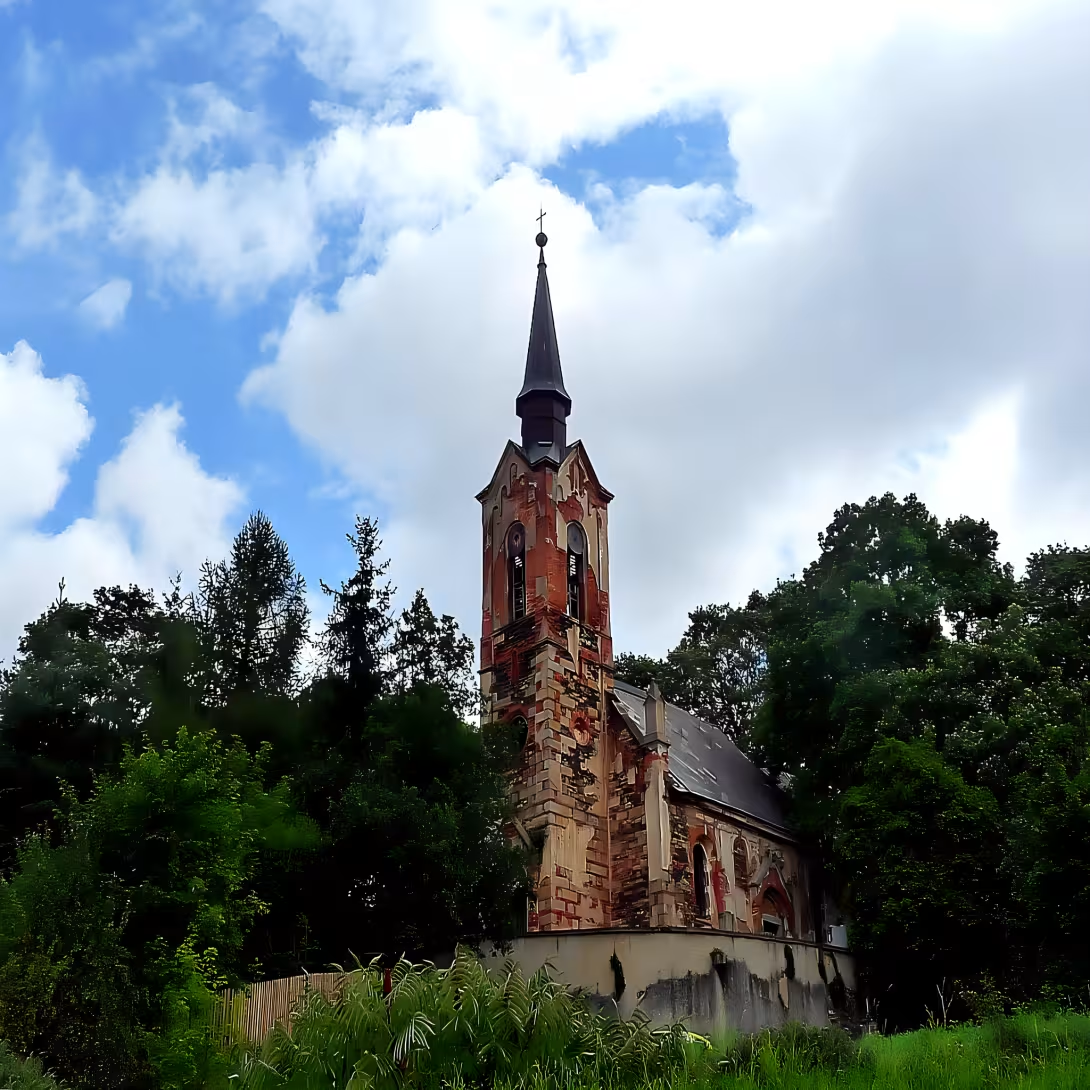
The Church of Saint George in Luková is a notable example of 14th-century Gothic architecture. Situated in the village of Luková within the Manětín district of Plzeňský kraj, this historical monument stands out for its architectural significance and resilience through centuries of challenges and transformations. Despite its current state of disrepair, it attracts global visitors due to an innovative art installation that helps fund its preservation.
Constructed in 1352 during a time when Bohemia was part of the Holy Roman Empire, the church reflects significant cultural and architectural development. The Gothic style, characterized by pointed arches and ribbed vaults, influenced European church architecture extensively at this time. This context highlights the church's importance as an artifact from a transformative era in European history.
The church has experienced both restoration and adversity over time. A devastating fire in 1796 severely damaged its Baroque structure, affecting vaults, bells, and organs. Despite this setback, it underwent neo-Gothic restoration in 1800, reflecting renewed interest in Gothic elements. Further restorations occurred in 1858, demonstrating ongoing preservation efforts.
Architecturally, the church originally featured three altars. However, much of its original furnishings have been lost due to looting and damage from fires and wars. Notably, it once housed a Renaissance sandstone baptismal font, adding to its historical richness.
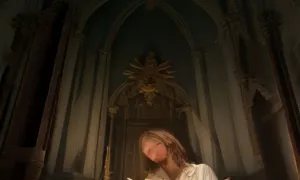
A significant modern development is the art installation "Má mysl" by Jakub Hadrava. In 2012, this project introduced 32 plaster sculptures into the church's interior as part of Hadrava’s bachelor thesis at the Faculty of Design and Arts at ZČU in Plzeň. This installation has attracted worldwide visitors and raised approximately 100,000 Czech koruna for restoration efforts, addressing issues like its damaged roof.
Today, despite being listed as a cultural monument of the Czech Republic, the Church of Saint George remains in disrepair. However, it continues to be significant due to its historical importance and preservation efforts supported by visitors drawn by the "Má mysl" exhibition. Its ability to connect people with history through art makes it an appealing destination for those interested in cultural heritage.
The Church of Saint George in Luková is more than a relic; it is a living testament to the enduring power of architecture and art to inspire and preserve history. Visitors are invited to explore this unique monument, where they can witness the blend of historical resilience and contemporary creativity that defines its current state.
Then and now
Drag the slider to compare how the landmark may have looked when it was built with the view today.
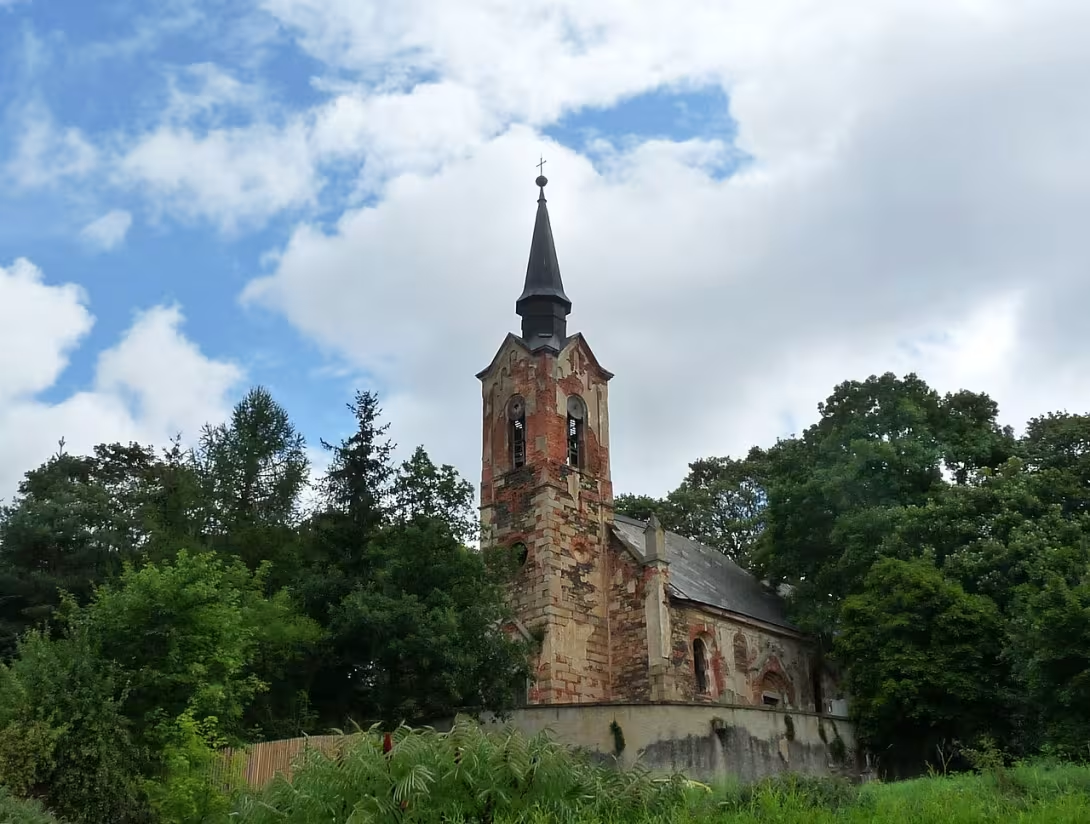
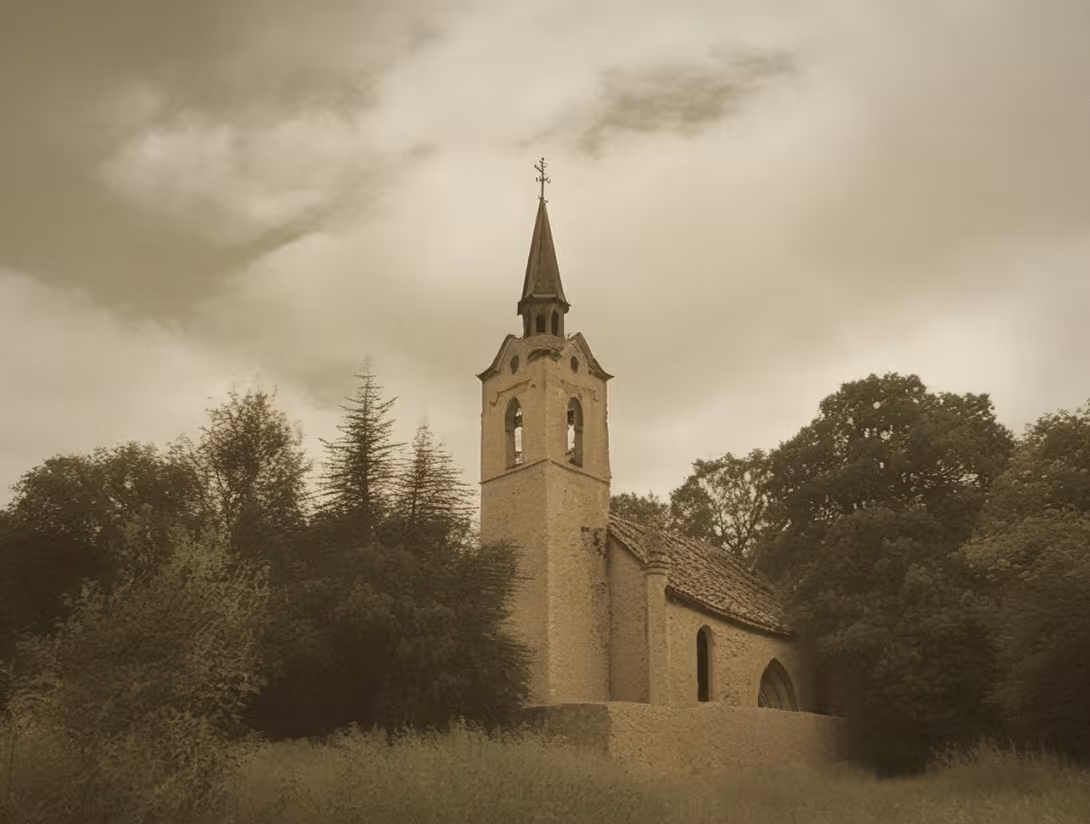
The historical appearance on the left is an AI-generated visualisation and serves as inspiration only.
Historical milestones
- 1352
- Construction of the Church of Saint George.
- 1796
- A fire severely damaged the church.
- 1800
- The church was restored to a neo-Gothic style.
- 1858
- Further restorations were carried out.
Architectural development
Originally built as a Gothic structure, the Church of Saint George experienced significant damage from a fire in 1796. It was later restored to a neo-Gothic style in 1800 and underwent additional restorations in 1858. The church's interior once featured three altars, but much of its original furnishings were lost over time.
Historical events
In 1352, the Church of Saint George was constructed.
A devastating fire in 1796 damaged the then Baroque church, including its vaults, bells, and organs.
The church underwent a neo-Gothic restoration in 1800.
Further restorations took place in 1858.
Points of interest
- The Church of Saint George was constructed during a period when Bohemia was part of the Holy Roman Empire, reflecting the broader political and cultural influences of that time. This connection to the empire adds layers of historical significance beyond its architectural value.
- In 1796, the church suffered extensive damage from a fire, which destroyed much of its Baroque elements such as vaults, bells, and organs. This event marked a significant turning point in the church's history, leading to various restoration efforts over the centuries.
- Despite losing many original furnishings due to looting and other damages through wars and fires, the church once housed a Renaissance sandstone baptismal font. This piece highlights the diverse historical influences that have touched the site over time.
- The art installation "Má mysl" by Jakub Hadrava is an innovative project that not only draws global attention but also financially supports the church's preservation efforts. By integrating contemporary art into this historic setting, it bridges past and present in a unique way.
- Although listed as a cultural monument of the Czech Republic, the Church of Saint George remains in disrepair today. However, its historical significance is continually reinforced by ongoing visitor interest sparked by both its architectural heritage and modern artistic contributions like "Má mysl."
Guide
This guide is narrated by a synthetic voice generated by artificial intelligence.
Show guide text
This text was created by artificial intelligence and has not been editorially reviewed. It may contain inaccuracies.
The Church of Saint George in Luková near Manětína in northern Bohemia was built in the middle of the fourteenth century, according to preserved records in the year 1352. It is protected as a cultural monument, yet today it is in a state of disrepair. An unusual exhibition of sculptures, which has been held in the church since 2012, is meant to help with its preservation.
The history of the building was marked primarily by fire. In 1796, a devastating fire struck the church, which at that time had a Baroque appearance, and only the vault of the presbytery and sacristy survived. The bells and organ were also damaged, and the church was then given a small bell from the hospital in Manětína. During reconstruction in 1800, the church was regothicized, that is, redesigned in the Gothic spirit. It was last renovated in 1858.
The church has been looted many times, and nothing of its furnishings has survived except for the pews. Originally, there were three altars. The main altar bore an image of Saint George and was decorated with two gilded life-sized statues of Saint Peter and Paul. On the side altars were images of the Savior of the World and the Immaculate, that is, the Virgin Mary Immaculate. The church also contained a Renaissance baptismal font carved from sandstone and liturgical furnishings. The church lost its bells in fires and also during the First World War, when two bells from the tower and a bell from the sanctus bell tower, a small belfry on the roof, were requisitioned.
In 2012, the church was chosen by Jakub Hadrava for his bachelor's thesis. He was a student of the Faculty of Design and Art at the University of West Bohemia in Plzeň. He placed thirty-two plaster sculptures, standing or sitting, throughout the empty space. The exhibition was given the title My Mind and attracts visitors from all over the world. From their voluntary contributions, approximately one hundred thousand crowns were collected. The money is intended for the repair of the church, which is leaking through its damaged roof.
The author explained his intention as follows. According to him, the church is a place where a person encounters God and his moral teacher, and is therefore meant for cultivating goodness in people. That these buildings are empty and deteriorating, according to him, is also reflected in the condition of today's people, who are likewise spiritually deteriorating and falling apart. Through this exhibition, he wanted to draw attention to this problem and compel the casual observer to reflect on what a significant place they are actually standing in.
Frequently asked questions
Can the monument be visited?
Religious buildings are usually open mainly during services; at other times a visit is normally arranged with the parish or the operator. We have not verified specific times. According to the heritage register the structure is in poor condition – do not enter it and take care nearby.
Where is the monument?
Location: Luková, Plzeňský kraj. The map on this page shows the exact spot.
Why is the monument protected?
It is listed in the Central List of Cultural Monuments of the Czech Republic as a cultural monument (register no. 19282/4-1431).
Businesses nearby
Do you run a restaurant, accommodation, shop, museum, rental, wellness or other visitor service near this monument? Show yourself directly to the people heading to it — this is how they will see you in the app and on the web:
Accommodation nearby
Themed route
Tematická Výletní Trasa: Kostel svatého Jiří v Lukové
1. Kostel svatého Jiří (Luková)
Typ: Historická památka
Proč stojí za návštěvu: Tento barokní kostel je nejvýraznějším architektonickým dílem v Lukové. Jeho bohatá historie a umělecké prvky, jako jsou fresky a sochy, přitahují návštěvníky z celého regionu.
2. Náves v centru obce
Typ: Místní centrum
Proč stojí za návštěvu: Náves slouží jako životný srdce Lukové, kde můžete prozkoumat tradiční českou architekturu a uvolnit se v klidné atmosféře malé vesnice. Je to ideální místo na krátkou pauzu nebo pro rozhovor s obyvateli.
3. Lokalita Lukovský rybník
Typ: Vodní plocha
Proč stojí za návštěvu: Tento rybník nabízí klidné okolí pro relaxaci a příležitost k pozorování místní fauny a flóry. Je to ideální místo na krátkou procházku nebo piknik v přírodě.
4. Lokalita Lukovské lesy
Typ: Lesní oblast
Proč stojí za návštěvu: Prozkoumáním těchto lesů můžete užít si pohodlných procházek a cest na kolo. Lesy nabízejí krásné výhledy a příležitost k odpočinku daleko od městského šumu.
5. Lokalita Lukovská fara
Typ: Církevní budova
Proč stojí za návštěvu: Fara je dalším historickým a kulturním centrem v obci, nabízejícím pohled na tradiční církevní architekturu. Je to místo plné duchovního klidu a krásy.
Tato trasa nabízí komplexní pohled na kulturní a přírodní bohatství obce Luková, kde historie a příroda harmonicky soužijí.
Seasonal recommendations
Spring: Visiting the Church of Saint George in Luková during spring offers a unique experience as nature begins to awaken around this historical site. The surrounding landscape is adorned with blooming wildflowers and fresh greenery, creating a picturesque setting that enhances the church's architectural beauty. As daylight increases, visitors can enjoy longer hours of natural illumination, highlighting intricate details of the structure. It’s advisable to wear comfortable walking shoes for exploring the area, as paths may be damp from spring rains. Early morning visits are recommended to avoid larger crowds and to fully appreciate the serene atmosphere.
Summer: Summer is an ideal time to explore the Church of Saint George in Luková due to extended daylight hours and warm weather, making it perfect for outdoor exploration. The lush greenery around the church provides a vibrant backdrop, while the longer days offer ample natural light to capture stunning photographs of this historical site. However, summer can attract more visitors, so arriving early in the morning is advisable to avoid the peak tourist crowds. Light clothing and sun protection are recommended due to the warmer temperatures, ensuring a comfortable visit.
Autumn: Autumn brings a magical transformation to the Church of Saint George in Luková, with vibrant fall foliage creating a stunning contrast against the church's historic architecture. The cooler weather makes for pleasant walking conditions as visitors explore the surrounding area. As daylight begins to shorten, it’s important to plan visits earlier in the day to take advantage of natural lighting. Wearing layers is advisable due to fluctuating temperatures, allowing for comfort throughout your visit.
Winter: Winter offers a unique and atmospheric experience at the Church of Saint George in Luková, with snow-covered landscapes providing a serene and picturesque setting. The shorter days mean that visits should be planned during daylight hours, as natural lighting will be limited. It's important to dress warmly, including layers and weatherproof clothing, to stay comfortable in colder temperatures. Due to potentially harsher weather conditions, checking the church’s opening times is recommended, as they may vary seasonally.
Visualizations and artistic views


The visualisations are generated by artificial intelligence and serve as inspiration.
Photos from the area
Real photos taken near the monument


Zdroj a licence jsou uvedeny u každého snímku.
Tips from visitors
No tips yet. Be the first!
Log in and add your tip.
Sources and literature
Photos: Zdeňka Bušková / CC BY-SA 4.0, rozlišení zvýšeno umělou inteligencí — Wikimedia Commons. The author and licence also appear when you hover over the image.
Faktickým podkladem tohoto textu byl článek na Wikipedii, jehož autory jsou přispěvatelé Wikipedie. Článek je dostupný pod licencí CC BY-SA 4.0.
Location on the map
More monuments – Luková
Show all in the municipality

Příběhy a pověsti
Legendy, pověsti a příběhy spjaté s touto památkou
Fotografie návštěvníků
Zatím žádné fotografie. Buďte první, kdo přidá fotografii z návštěvy!
Log in a přidejte svou fotografii nebo hodnoťte.
Za ověřenou návštěvu v aplikaci získáte víc bodů — poznáme podle GPS, že jste na místě.
Reviews and comments