






Kostel svatého Jošta (Český Krumlov) Church
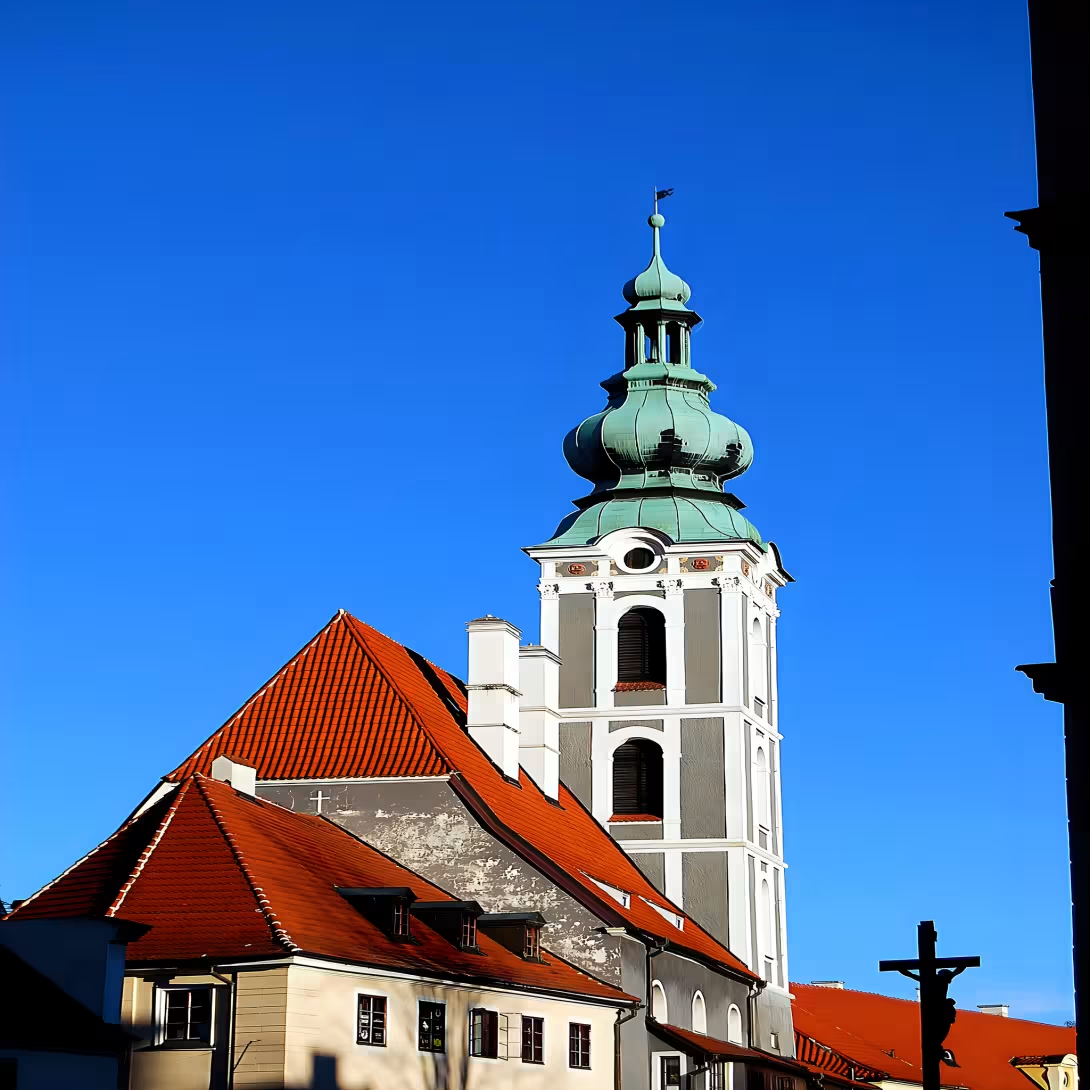
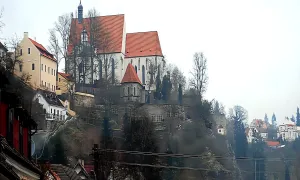
The Church of St. Jošt is an exemplary blend of architectural styles, showcasing transformations from Gothic to Renaissance and Baroque. Originally built as a chapel or small church, it was rebuilt in the 16th century.
Located in the Latrán district, near the Vltava River, within Český Krumlov's historic center, this monument is part of the Municipal Monument Reserve and UNESCO World Heritage Site. The building's asymmetrical façade features a unique blend of Gothic, Renaissance, and Baroque architectural elements. Terracotta masks adorn the polylateral roof.
The original Gothic-style building was demolished and replaced with a Renaissance-style structure, later modified in Baroque style. The church's interior preserves a Gothic portal and original stone carvings. Its current state reflects the changing tastes and influences of the era.
Petr I. z Rožmberka built the original chapel or small church around 1317, dedicated to St. Jošt. Petr Vok z Rožmberka ordered the original church's demolition and replacement with a new Renaissance-style building in 1596. The church was rebuilt between 1596 and 1604 by architect Domenico Cometta.
The church's transformation reflects the changing tastes and influences of the era. During the 16th century, the Rožmberk family played a significant role in shaping Bohemia's cultural and architectural landscape. The church's unique blend of styles makes it an important example of this period's architectural developments.
Today, the Church of St. Jošt is home to a museum of marionettes and serves as a popular tourist attraction. Visitors can explore the building's unique architecture and learn about its rich history.
Then and now
Drag the slider to compare how the landmark may have looked when it was built with the view today.
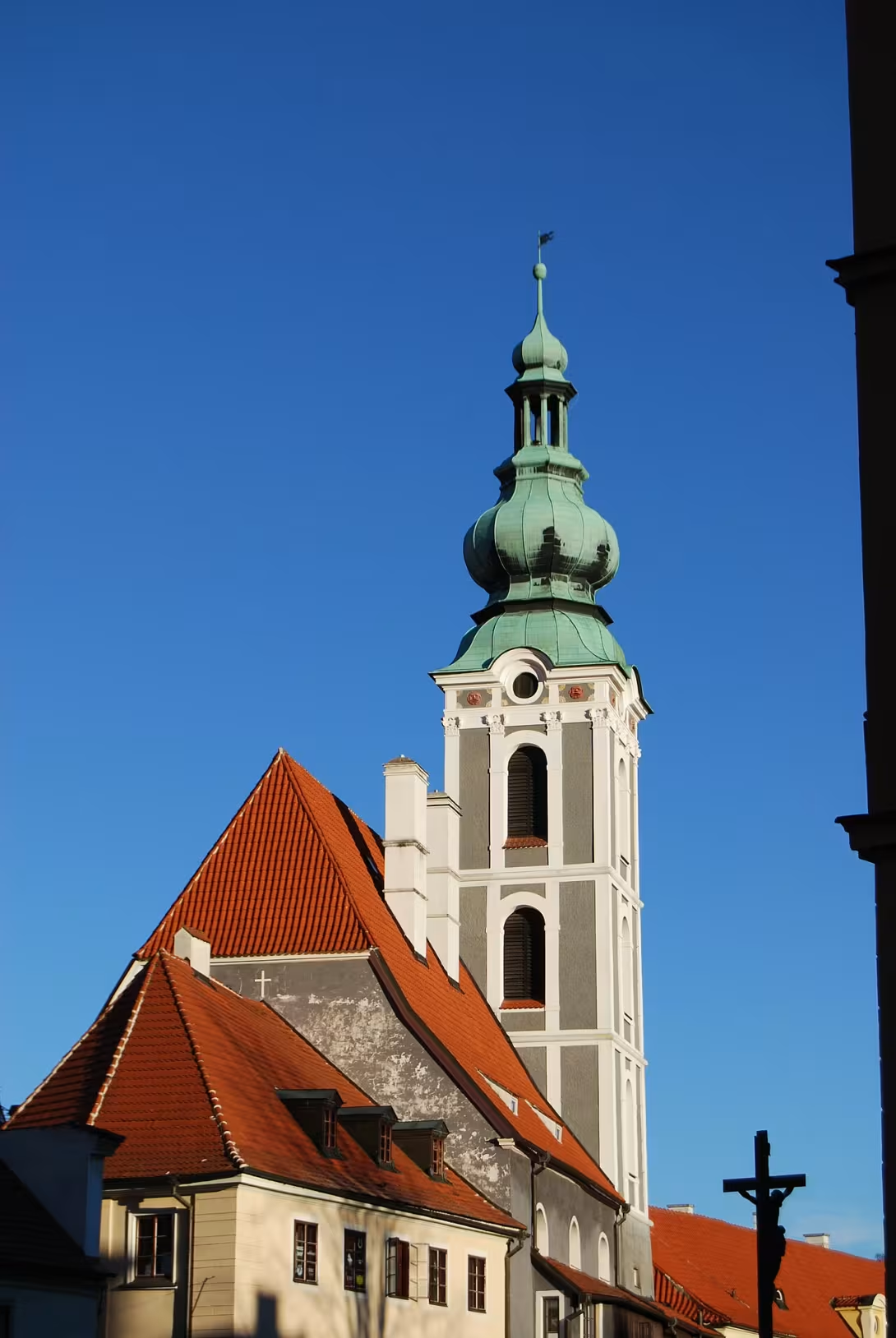
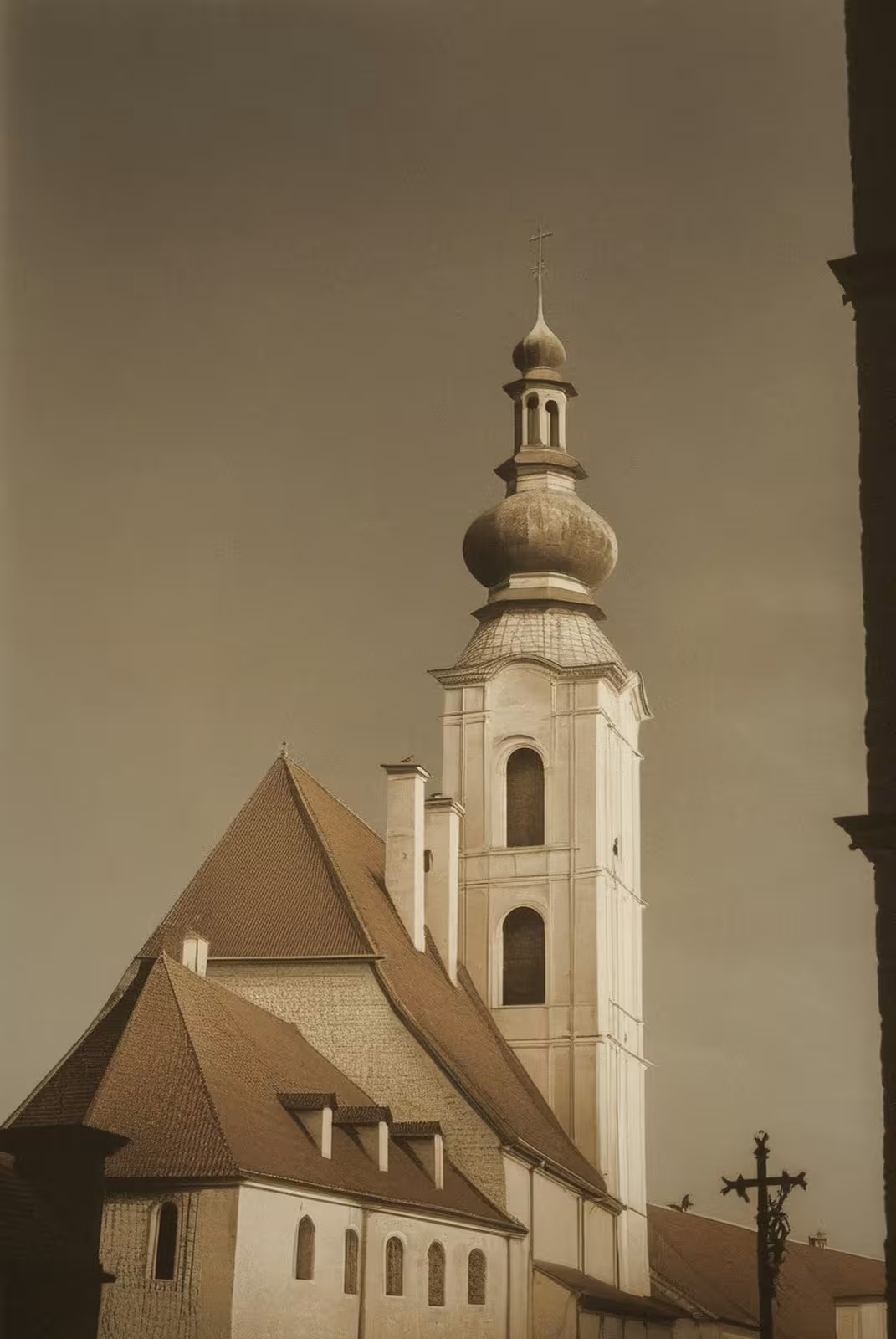
The historical appearance on the left is an AI-generated visualisation and serves as inspiration only.
Historical milestones
- 1317
- Petr I. z Rožmberka builds the original chapel or small church dedicated to St. Jošt
- 1596
- Petr Vok z Rožmberka orders the demolition of the original church and replacement with a new Renaissance-style building
- 1596
- Construction of the new Renaissance-style church begins
- 1604
- The church is rebuilt by architect Domenico Cometta
Architectural development
The original Gothic-style building was demolished and replaced with a Renaissance-style structure, which was later modified in Baroque style. The church features a unique blend of architectural styles.
Historical events
1596: Petr Vok z Rožmberka ordered the original church to be demolished and replaced with a new Renaissance-style building.
1601: Kateřina z Ludanic's remains were temporarily displayed in the church before being moved to the Rožmberk family tomb in Vyšší Brod.
1615: The church was returned to Catholic worship after a period of Protestant use.
Owners
Rožmberk family
Points of interest
Here are 3-5 lesser-known or surprising facts about the Church of St. Jošt in Český Krumlov:
– The church's unique terracotta masks on the polylateral roof were originally meant to ward off evil spirits and bring good luck.
– Despite its Baroque exterior, the church's interior still retains a Gothic portal and original stone carvings from the 16th century, offering a glimpse into its earlier styles.
– The Rožmberk family's influence on Bohemia's cultural landscape was so significant that they even had their own architectural style, known as "Rožmberský" or "Rožmberkian", which blended Gothic and Renaissance elements.
– Petr I. z Rožmberka, the original builder of the chapel, was a prominent figure in Bohemia's history, serving as a governor and diplomat during the reign of King John of Luxembourg.
– The church's transformation from Gothic to Renaissance to Baroque reflects not only changing architectural tastes but also the shifting power dynamics between the Rožmberk family and the Habsburg rulers.
Guide
This guide is narrated by a synthetic voice generated by artificial intelligence.
Show guide text
This text was created by artificial intelligence and has not been editorially reviewed. It may contain inaccuracies.
Welcome to the Church of St. Jošt in Český Krumlov! As you stand before this historic landmark, take a moment to appreciate its unique blend of architectural styles.
As you gaze upon the church's façade, notice how the Renaissance and Baroque elements seem to harmonize with each other. But did you know that this building has undergone significant transformations over the centuries? Let me take you on a journey through time...
It all began in 1317 when Petr I. z Rožmberka built the original chapel or small church dedicated to St. Jošt. Fast forward to the 16th century, and Petr Vok z Rožmberka decided to tear down the old structure and replace it with a new Renaissance-style building. And so, construction began in 1596.
Now, as you take in the church's exterior, notice the terracotta masks on the polylateral roof. Originally intended to ward off evil spirits and bring good luck, these unique features are just one of many fascinating aspects of this historic landmark.
As we step inside, you'll notice that despite its Baroque exterior, the interior still retains a Gothic charm. Take a moment to appreciate the intricate stone carvings and ornate details that adorn the walls and ceiling.
Throughout its history, the Church of St. Jošt has been connected to several notable figures. Petr I. z Rožmberka, Petr Vok z Rožmberka, and even Rudolf II all played a role in shaping this sacred space.
Now, let me share with you three lesser-known facts about this remarkable church...
Firstly, the terracotta masks on the roof were originally meant to ward off evil spirits and bring good luck. Who knew that such a unique feature would become one of the church's most distinctive characteristics?
Secondly, despite its Baroque exterior, the interior still retains a Gothic charm. Take a moment to appreciate the intricate stone carvings and ornate details that adorn the walls and ceiling.
And lastly, did you know that architect Domenico Cometta was responsible for rebuilding the church in 1604? His Renaissance-style masterpiece has stood the test of time, and its beauty continues to captivate visitors from around the world.
As we conclude our journey through the Church of St. Jošt, I invite you to take a moment to appreciate this remarkable landmark. Whether you're an architecture enthusiast or simply looking for a unique experience, this historic church is sure to leave a lasting impression.
Thank you for joining me on this audio guide tour. I hope you've enjoyed exploring the Church of St. Jošt as much as I have. Until next time, farewell!
Tips for visitors
Best Time to Visit: The Church of St. Jošt is a year-round attraction, but the best time to visit is during spring and autumn when the weather is mild and sunny. This allows you to fully appreciate the church's architecture and surroundings without the crowds that come with peak tourist season. The church is also accessible by foot or bike from the nearby Vltava River. What to Bring: Wear comfortable shoes for exploring the historic center, as well as layers for changing weather conditions. Don't forget your camera to capture the stunning architecture and scenic views of the Vltava River. Photography: The best spots for photography are around the church's exterior, where you can capture its unique architectural features and picturesque surroundings. For optimal lighting, visit during the golden hour (just before sunset) or early morning when the sun is rising. What to See Nearby: Within a 30-minute walking distance from the Church of St. Jošt, explore the charming streets and alleys of Český Krumlov's historic center, including the iconic Vltava River views and the town's many shops, cafes, and restaurants.
Frequently asked questions
Can the monument be visited?
Religious buildings are usually open mainly during services; at other times a visit is normally arranged with the parish or the operator. We have not verified specific times.
Where is the monument?
Location: Český Krumlov, Jihočeský kraj. The map on this page shows the exact spot.
Businesses nearby
Do you run a restaurant, accommodation, shop, museum, rental, wellness or other visitor service near this monument? Show yourself directly to the people heading to it — this is how they will see you in the app and on the web:
Events nearby
Zdroj akcí: otevřená data měst a obcí ČR (Národní katalog otevřených dat) a kalendář akcí Národního památkového ústavu.
Nearby
The church is situated in the Latrán district, near the Vltava River, within the historic center of Český Krumlov.
Accommodation nearby
Trips and activities nearby
Guided tours, tickets and activities nearby from GetYourGuide
Affiliate link: if you buy from the partner, we may receive a commission. The price for you does not change.
Search tours and activities →Themed route
Thematic Tour Route
Stop 1: Letrán District Type: Historic neighborhood Why visit: Explore the charming streets and buildings of Český Krumlov's oldest district, where you can find unique shops, cafes, and restaurants.
Stop 2: Vltava River Embankment Type: Scenic viewpoint Why visit: Enjoy a stroll along the riverbank with beautiful views of the Vltava River and the surrounding landscape. Take in the historic atmosphere and perhaps stop for a picnic or coffee break.
Stop 3: Kostel svatého Jošta (Český Krumlov) Type: Main attraction Why visit: This stunning church is the highlight of our tour, offering breathtaking architecture and a glimpse into the region's rich history. Take time to admire its Gothic and Renaissance features, as well as the surrounding cloister.
Total distance: Approximately 1 km
This route takes you through the heart of Český Krumlov, allowing you to experience the town's unique blend of history, culture, and natural beauty.
Seasonal recommendations
Spring
As you visit the Church of St. Jošt in the spring, you'll be surrounded by blooming flowers and lush greenery. The mild weather creates a peaceful atmosphere, perfect for contemplation. Take advantage of the fewer crowds to explore the church's intricate architecture and stunning stained-glass windows. Wear comfortable shoes and layers for the unpredictable spring weather. Best time to visit: late morning or early afternoon.
Summer
Summer brings vibrant colors and lively atmosphere to Český Krumlov. The Church of St. Jošt is especially beautiful during this season, with sunlight filtering through the stained-glass windows. Be prepared for larger crowds and consider arriving earlier in the day to avoid the peak tourist hours. Wear light clothing and comfortable shoes suitable for walking. Best time to visit: morning or early afternoon.
Autumn
As autumn leaves begin to fall, Český Krumlov takes on a cozy charm. The Church of St. Jošt is bathed in warm golden light, creating a serene ambiance. Take advantage of the fewer crowds and enjoy the scenic views of the surrounding hills. Wear layers for the cooler weather and comfortable shoes suitable for walking. Best time to visit: late morning or early afternoon.
Winter
Winters in Český Krumlov are magical, with snow-covered streets and twinkling lights. The Church of St. Jošt is a warm haven from the cold, offering a peaceful atmosphere perfect for contemplation. Best time to visit: late morning or early afternoon.
Note: These recommendations are general and do not include specific festivals, markets, or holidays.
Visualizations and artistic views


The visualisations are generated by artificial intelligence and serve as inspiration.
Photos from the area
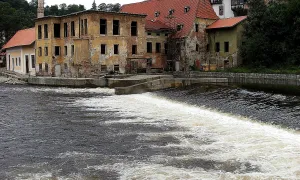
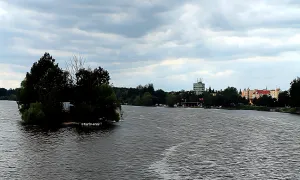
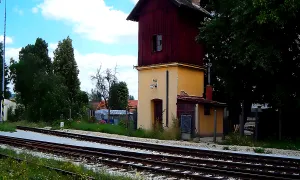
Real photos taken near the monument


Zdroj a licence jsou uvedeny u každého snímku.
Tips from visitors
No tips yet. Be the first!
Log in and add your tip.
Sources and literature
Photos: Richenza / CC BY-SA 3.0, rozlišení zvýšeno umělou inteligencí — Wikimedia Commons. The author and licence also appear when you hover over the image.
Faktickým podkladem tohoto textu byl článek na Wikipedii, jehož autory jsou přispěvatelé Wikipedie. Článek je dostupný pod licencí CC BY-SA 4.0.
Location on the map

Příběhy a pověsti
Legendy, pověsti a příběhy spjaté s touto památkou

Fotografie návštěvníků
Zatím žádné fotografie. Buďte první, kdo přidá fotografii z návštěvy!
Log in a přidejte svou fotografii nebo hodnoťte.
Za ověřenou návštěvu v aplikaci získáte víc bodů — poznáme podle GPS, že jste na místě.
Reviews and comments