






Kostel svatého Mikuláše (Mníšek) Church
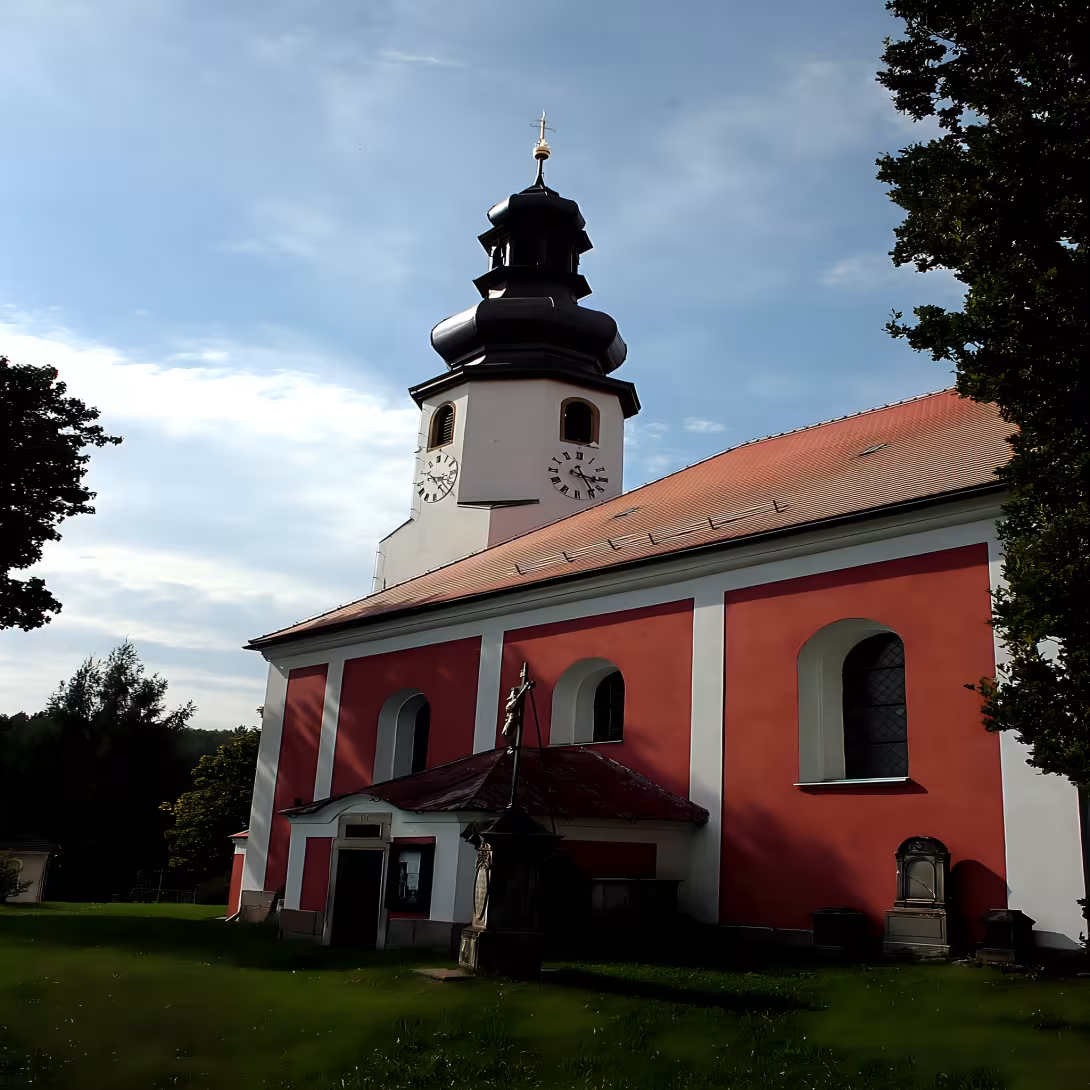
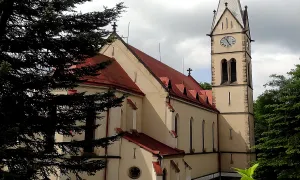
The Church of Saint Nicholas in Mníšek is a Baroque sacred building located at the intersection of roads on a low hill, formerly a cemetery. Constructed between 1739 and 1740 by architect Jan Fugenauer, it replaced an earlier church from 1570. This church has been recognized as a cultural monument since 1966 due to its architectural significance and historical context within the Baroque period in Bohemia.
The original church built in 1570 was supplanted by the current structure between 1739 and 1740, reflecting broader cultural and architectural developments of that era. During the 18th century, Bohemia was part of the Habsburg Monarchy, which experienced a flourishing of Baroque architecture as part of Counter-Reformation efforts across Europe. The Church of Saint Nicholas exemplifies this period's religious and artistic fervor.
Architecturally, the church features a rectangular layout with pilasters that enhance its structural elegance. Its right-angled presbytery is topped by a barrel vault, while the nave boasts a flat ceiling complemented by a three-sided wooden gallery. The west tower, heightened in 1775 with an octagonal spire and onion dome, adds to the church's distinctive silhouette. Inside, the main altar from 1859 showcases Rococo elements, including a tabernacle and arch. Two side altars crafted by Ch. Breuer and Jan Hájek in 1769 are noted for their richly carved and gilded designs.
The church's artistic features extend to its interior, where panel paintings and sculptures contribute to the spiritual ambiance. Notably, there is a panel painting of Saint John Nepomucene with angel figures by Jan Filip Leubner, alongside a pulpit adorned with angels and a Moses sculpture from 1762 by the same artists who created the side altars. The gallery hosts four Rococo paintings depicting significant biblical scenes.
Nearby stands a late Baroque parsonage from 1767, designed by mason Josef Thuma. This two-story building features a central risalit and mansard roof, adding to the historical charm of the area surrounding the church.
Today, the Church of Saint Nicholas remains an accessible cultural monument, inviting visitors to explore its architectural beauty and rich history. Its preservation as a protected site underscores its importance in understanding the Baroque period's influence on religious architecture in Bohemia. Visitors are encouraged to appreciate this remarkable example of 18th-century craftsmanship and its enduring legacy within the region.
Then and now
Drag the slider to compare how the landmark may have looked when it was built with the view today.
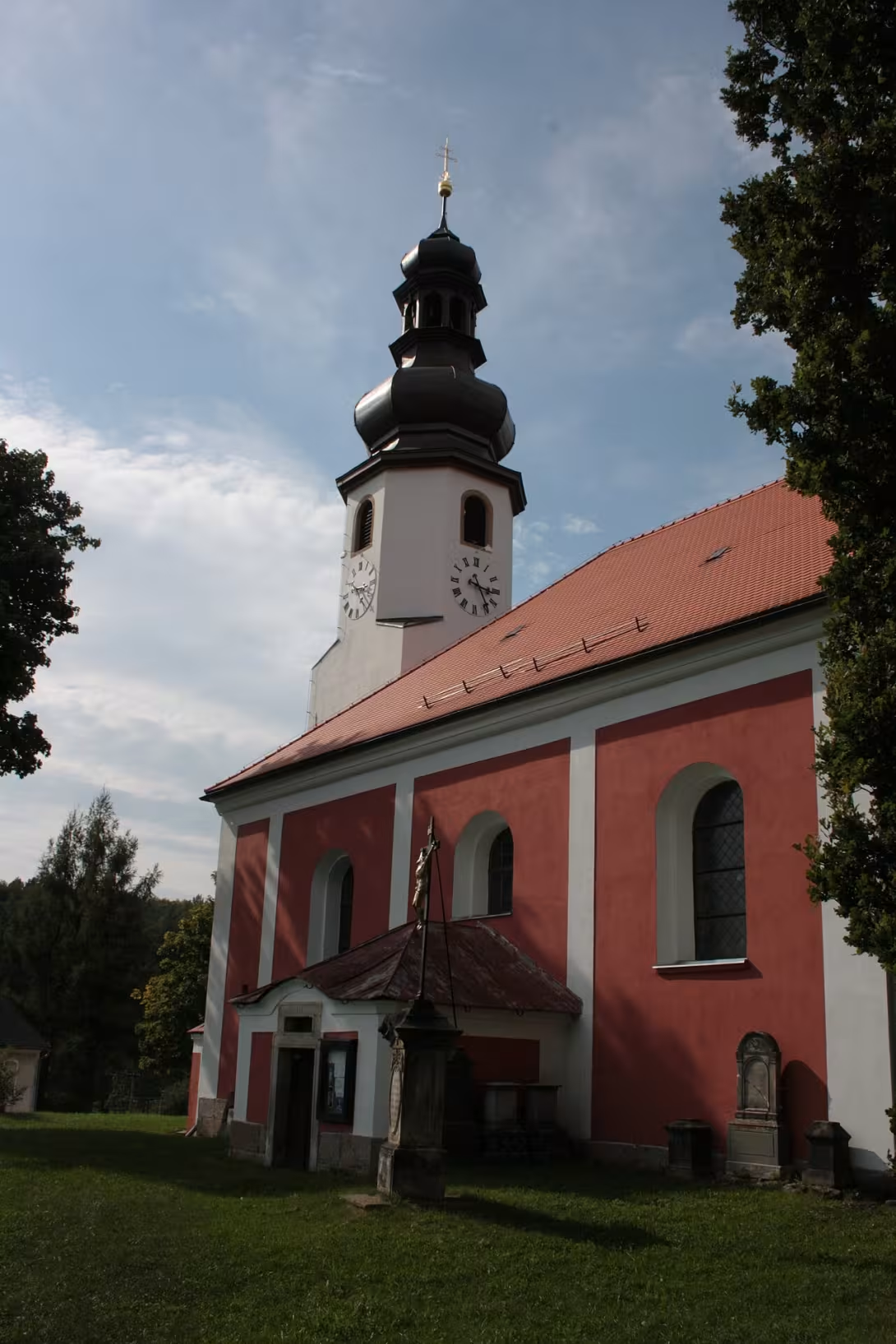
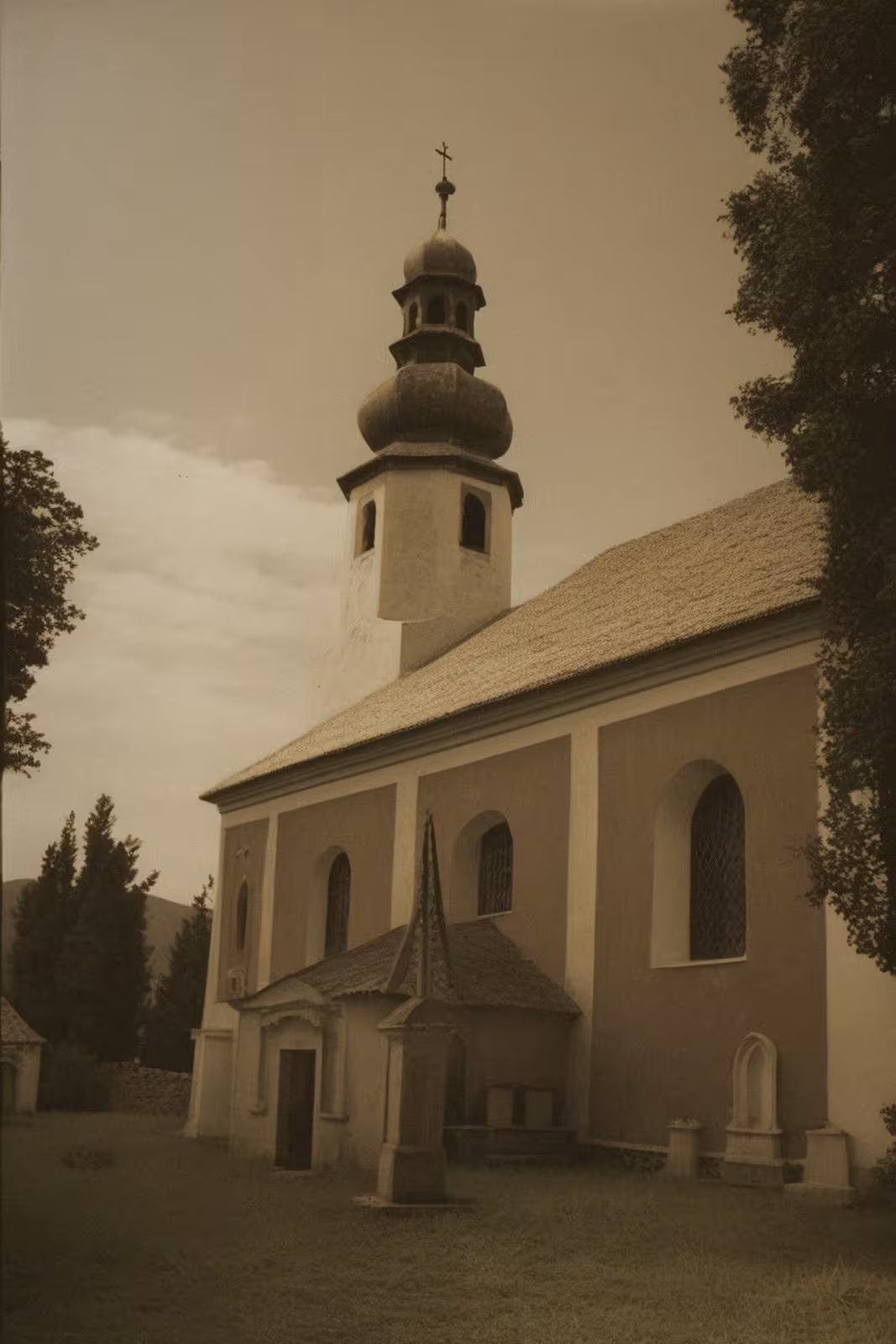
The historical appearance on the left is an AI-generated visualisation and serves as inspiration only.
Historical milestones
- 1570
- The original church was built.
- 1739
- The construction of the new Baroque church began.
- 1740
- The new Baroque church was completed.
- 1775
- A belfry with an octagonal spire and onion-shaped roof was erected on the western tower.
- 1859
- The main altar with Rococo elements was created.
- 1966
- The church was recognized as a cultural monument.
Architectural development
Constructed in the baroque style between 1739 and 1740, the Church of Saint Nicholas features a rectangular layout with pilasters. The presbytery is topped by a barrel vault, while the nave has a flat ceiling. A three-sided wooden gallery is present in the nave. Notable architectural elements include a rococo main altar from 1859 and two side altars crafted by Ch. Breuer and Jan Hájek in 1769.
Historical events
The original church from 1570 was replaced by the current structure between 1739 and 1740.
In 1775, the tower of the church was heightened with an octagonal spire.
Points of interest
- The Church of Saint Nicholas was built on a site that once served as a cemetery, reflecting the common practice of constructing churches over older sacred or burial grounds to symbolize continuity and renewal.
- Architect Jan Fugenauer, who designed the church between 1739 and 1740, played a significant role in shaping Baroque architecture in Bohemia, yet his name remains less celebrated compared to contemporaries like Kilian Ignaz Dientzenhofer.
Guide
This guide is narrated by a synthetic voice generated by artificial intelligence.
Show guide text
This text was created by artificial intelligence and has not been editorially reviewed. It may contain inaccuracies.
Welcome to the historic Church of Saint Nicholas in Mníšek, a stunning example of baroque architecture nestled on a low hill where roads intersect. As you stand here, imagine yourself stepping back into time, surrounded by the rich tapestry of history that this sacred site embodies.
The origins of this church trace back to 1570 when an earlier structure was erected on this very spot. This original building served as a spiritual haven for the community until it was replaced in the mid-18th century with the magnificent baroque edifice you see today. Between 1739 and 1740, architect Jan Fugenauer masterfully designed what would become a cornerstone of Mníšek's cultural heritage.
As your eyes sweep over the church, take note of its rectangular layout accentuated by elegant pilasters that add depth and character to the façade. The right-angled presbytery draws attention, leading you naturally toward the west tower. This tower is particularly striking with its octagonal spire, a feature added in 1775, which adds both height and grace to the skyline.
The church's history is enriched by stories of its evolution over time. In 1859, a main altar adorned with rokoko elements was crafted, adding an intricate layer of artistry within the sacred space. Recognized as a cultural monument in 1966, this church stands not just as a place of worship but as a testament to enduring faith and architectural brilliance.
An intriguing aspect of this site is its foundation on what was once a cemetery. This reflects a common historical practice where churches were built over older sacred or burial grounds, symbolizing continuity and renewal—a fascinating insight into the cultural mindset of past generations.
As you continue your exploration, let yourself be enveloped by the atmosphere of reverence that has permeated this place for centuries. Each stone tells a story, each detail invites curiosity. We encourage you to delve deeper into its history, perhaps uncovering more about Jan Fugenauer's vision and how it shaped not only this church but also the community around it.
Thank you for joining us on this journey through time at the Church of Saint Nicholas in Mníšek. May your visit inspire a deeper appreciation for the layers of history that connect us to our past. As we conclude, feel free to wander further and discover more about this remarkable landmark. Safe travels as you continue your exploration!
Tips for visitors
The best time to visit the Church of Saint Nicholas in Mníšek is during late spring or early autumn when the weather is pleasant, allowing for comfortable exploration of both the church and its surroundings. These seasons offer mild temperatures ideal for walking around the area without the discomfort of summer heat or winter cold. Additionally, visiting outside peak tourist season ensures a more tranquil experience, allowing you to appreciate the baroque architecture and historical ambiance in peace.
Parking is available near the Church of Saint Nicholas, but it's advisable to check local resources or maps ahead of time for specific details on parking availability. The church can also be accessed via public transportation; however, it's recommended to verify current routes and schedules through a reliable transport search tool to ensure smooth travel plans.
When visiting the Church of Saint Nicholas, consider bringing comfortable walking shoes as you may want to explore the surrounding area, including the nearby late baroque parsonage. A camera is also suggested for capturing the stunning architecture and serene landscape, especially during golden hour when the light enhances the church's features beautifully.
For photography enthusiasts, some of the best spots include the intersection where roads meet near the church, offering a picturesque view with the low hill in the background. Early morning or late afternoon provides optimal lighting conditions for capturing the church’s baroque details and the surrounding landscape.
Nearby attractions within 30 minutes include the historical road leading to the church, which offers insights into the area's past. Families with children might enjoy exploring this road together, learning about its significance while engaging in a leisurely walk.
Businesses nearby
Do you run a restaurant, accommodation, shop, museum, rental, wellness or other visitor service near this monument? Show yourself directly to the people heading to it — this is how they will see you in the app and on the web:
Events nearby
Zdroj akcí: otevřená data měst a obcí ČR (Národní katalog otevřených dat) a kalendář akcí Národního památkového ústavu.
Nearby
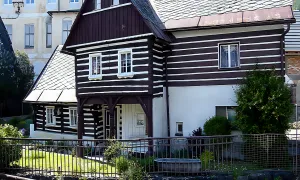
Near the church is a late baroque parsonage from 1767, designed by mason Josef Thuma. The area around the church includes a road with historical significance.
Accommodation nearby
Trips and activities nearby
Guided tours, tickets and activities nearby from GetYourGuide
Affiliate link: if you buy from the partner, we may receive a commission. The price for you does not change.
Search tours and activities →Themed route
Thematic Walking Tour: Mníšek's Architectural Heritage
1. Kostel svatého Mikuláše (Mníšek) - *Type:* Church - *Why Visit:* Begin your journey at the heart of Mníšek with Kostel svatého Mikuláše, a stunning example of ecclesiastical architecture. This church stands as a testament to the region's rich religious history and offers visitors an opportunity to appreciate its serene atmosphere and architectural beauty.
2. Late Baroque Parsonage - *Type:* Historical Building - *Why Visit:* A short walk from the church, you'll find the late baroque parsonage designed by mason Josef Thuma in 1767. This building is significant for its historical architecture and provides insight into the lives of clergy during that period. Its proximity to the church makes it a perfect complement to your visit.
3. Historical Road - *Type:* Historical Site - *Why Visit:* Explore the road with historical significance surrounding Kostel svatého Mikuláše. This area offers a glimpse into the past, showcasing how transportation and trade routes evolved in the region. Walking along this path allows you to immerse yourself in the history of Mníšek while enjoying its natural surroundings.
This tour provides an enriching experience focused on the architectural and historical significance of Mníšek's landmarks, offering insights into their cultural heritage and historical context.
Seasonal recommendations
Spring: Visiting the Church of Saint Nicholas during spring offers a breathtaking view as nature awakens around Mníšek, with blossoming flowers and fresh greenery enhancing the church's historic charm. The soft, warm sunlight creates a serene atmosphere ideal for appreciating the intricate architecture and peaceful surroundings. Visitors should anticipate moderate crowds, especially on weekends, so arriving early can ensure a more tranquil experience. Wearing comfortable layers is advisable as temperatures can vary; light jackets may be needed in the evenings.
Summer: Summer at the Church of Saint Nicholas is perfect for those who enjoy vibrant landscapes and longer daylight hours, allowing ample time to explore both the church's interior and its picturesque setting. The lush greenery and blooming gardens create a lively backdrop that complements the historic structure. This season often sees increased visitor numbers, particularly during midday, so planning your visit in the morning or late afternoon can help avoid larger crowds. Lightweight clothing is recommended, along with sun protection to enjoy the sunny days comfortably.
Autumn: Autumn brings a magical transformation to Mníšek as the Church of Saint Nicholas sits amidst a tapestry of reds, oranges, and yellows. The crisp air and golden light provide an enchanting setting for photography enthusiasts and those who appreciate nature's beauty. While visitor numbers may decrease compared to summer, it’s still wise to check opening hours as they might be shorter due to the season. Wearing layers is essential to stay warm during cooler days, and carrying a scarf or hat can enhance your comfort while exploring.
Winter: The Church of Saint Nicholas in winter exudes a serene and mystical atmosphere, with snow-covered surroundings adding an ethereal quality to its historic architecture. The shorter daylight hours mean that planning ahead for the limited opening times is crucial; early visits are recommended to make the most of the experience. Winter visitors should dress warmly, as temperatures can be quite low, and consider bringing gloves and a hat. While fewer people might visit during this season, it offers a unique opportunity to enjoy the church in quiet solitude amidst a winter wonderland.
Visualizations and artistic views


The visualisations are generated by artificial intelligence and serve as inspiration.
Photos from the area
Real photos taken near the monument


Zdroj a licence jsou uvedeny u každého snímku.
Tips from visitors
No tips yet. Be the first!
Log in and add your tip.
Sources and literature
Fotografie: Jan Polák / CC BY-SA 3.0, rozlišení zvýšeno umělou inteligencí — Wikimedia Commons. The author and licence also appear when you hover over the image.
Faktickým podkladem tohoto textu byl článek na Wikipedii, jehož autory jsou přispěvatelé Wikipedie. Článek je dostupný pod licencí CC BY-SA 4.0.
Location on the map
Příběhy a pověsti
Legendy, pověsti a příběhy spjaté s touto památkou
Fotografie návštěvníků
Zatím žádné fotografie. Buďte první, kdo přidá fotografii z návštěvy!
Přihlaste se a přidejte svou fotografii nebo hodnoťte.
Za ověřenou návštěvu v aplikaci získáte víc bodů — poznáme podle GPS, že jste na místě.
Reviews and comments