






Kostel svatého Mikuláše (Prostiboř) Church
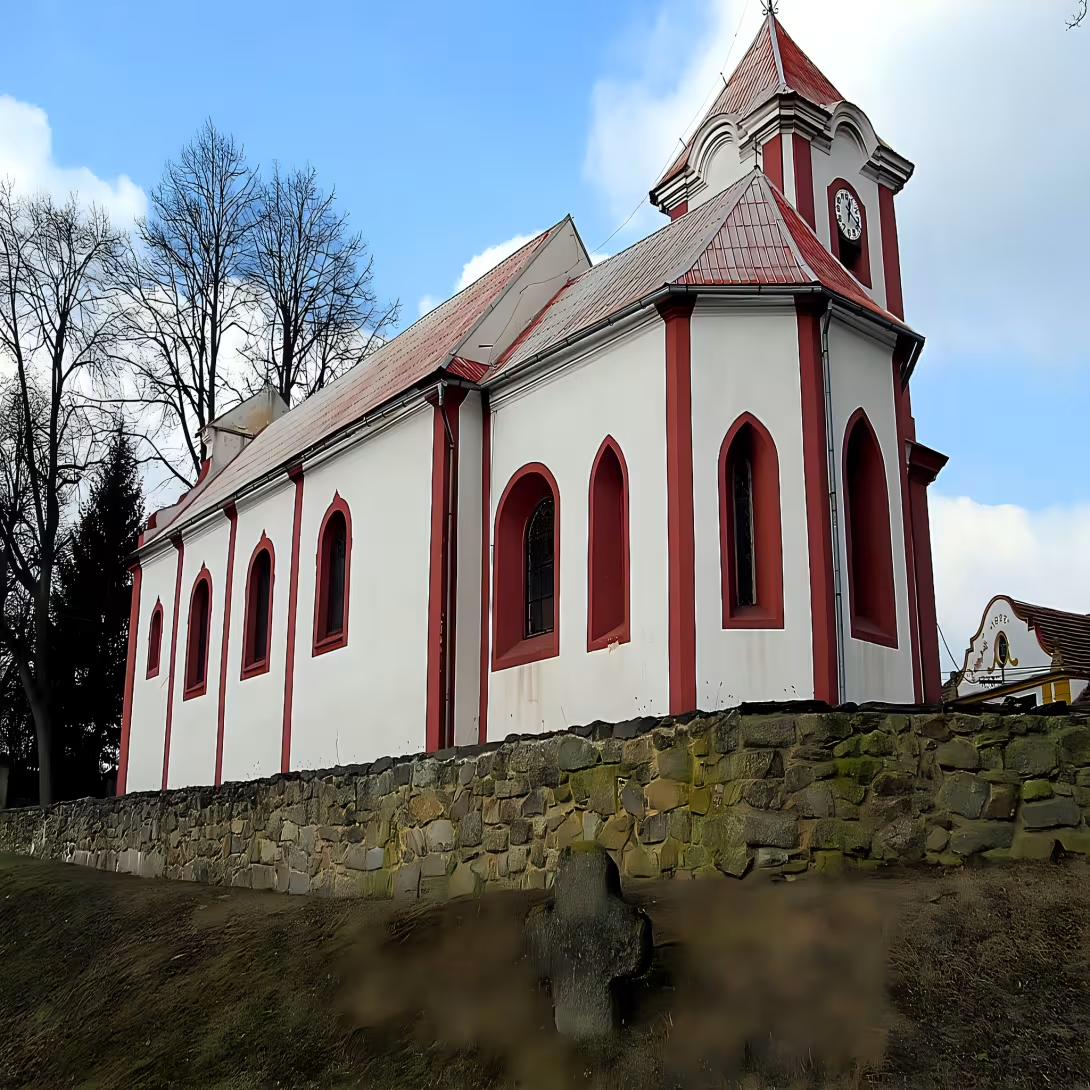
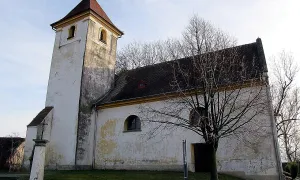
The Church of Saint Nicholas in Prostiboř is a cultural monument showcasing Gothic and Baroque architectural styles. Situated on a gentle hill overlooking the village square, this church was originally built in the early 14th century and has undergone significant transformations since then. Its historical significance is heightened by its location within an old cemetery enclosed by stone walls.
The origins of the Church of Saint Nicholas date back to the early medieval period when Prostiboř first saw settlement activity documented in 1115. Constructed during the Luxembourg dynasty's rule over Bohemia, a time marked by cultural and architectural development across Europe, the church is first mentioned in connection with patronage rights by the second half of the 14th century, indicating its local importance.
Architecturally, the church began as a Gothic structure, featuring a five-sided presbytery with cross vaulting—a hallmark of Gothic design. The Baroque period brought extensive renovations between 1753 and 1756, significantly altering its form. These changes included extending and vaulting the nave, adding a sacristy to the north side of the presbytery, constructing a spire, redesigning windows, and introducing new elements such as a triumphal arch and gallery, reflecting Baroque aesthetics.
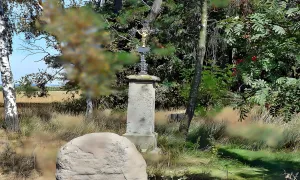
Throughout its history, the church has been surrounded by an old cemetery enclosed by a stone wall, enhancing its historical ambiance. A legend associated with this site tells of a girl who died from fear after being interrupted while picking flowers from a new grave; her story is commemorated by a stone reconciliation cross situated between the church and the chapel of Saint John Nepomucene.
Today, the Church of Saint Nicholas remains an accessible cultural monument that offers visitors insight into its rich historical tapestry. Its blend of Gothic and Baroque elements provides a unique architectural experience, while the surrounding cemetery adds to its serene atmosphere. This site is worth visiting for those interested in exploring the layers of history embedded within its walls, offering insights into both the past and the artistic transformations that have shaped it over time.
Then and now
Drag the slider to compare how the landmark may have looked when it was built with the view today.
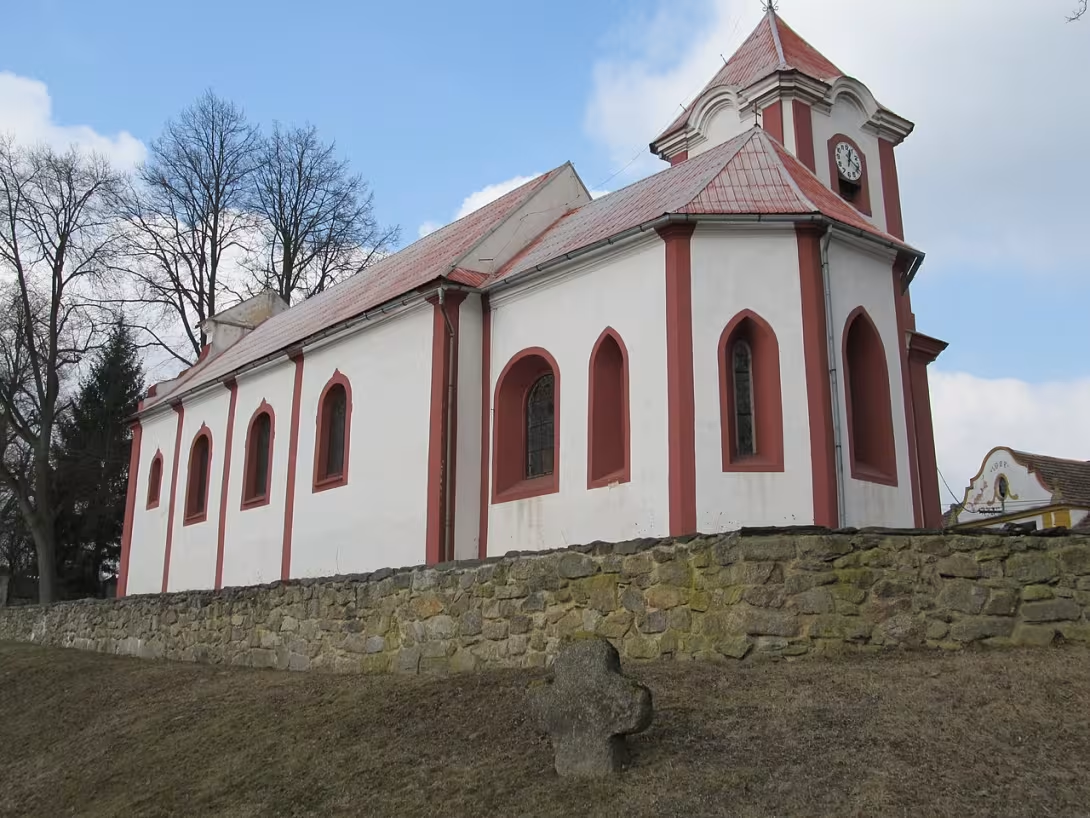
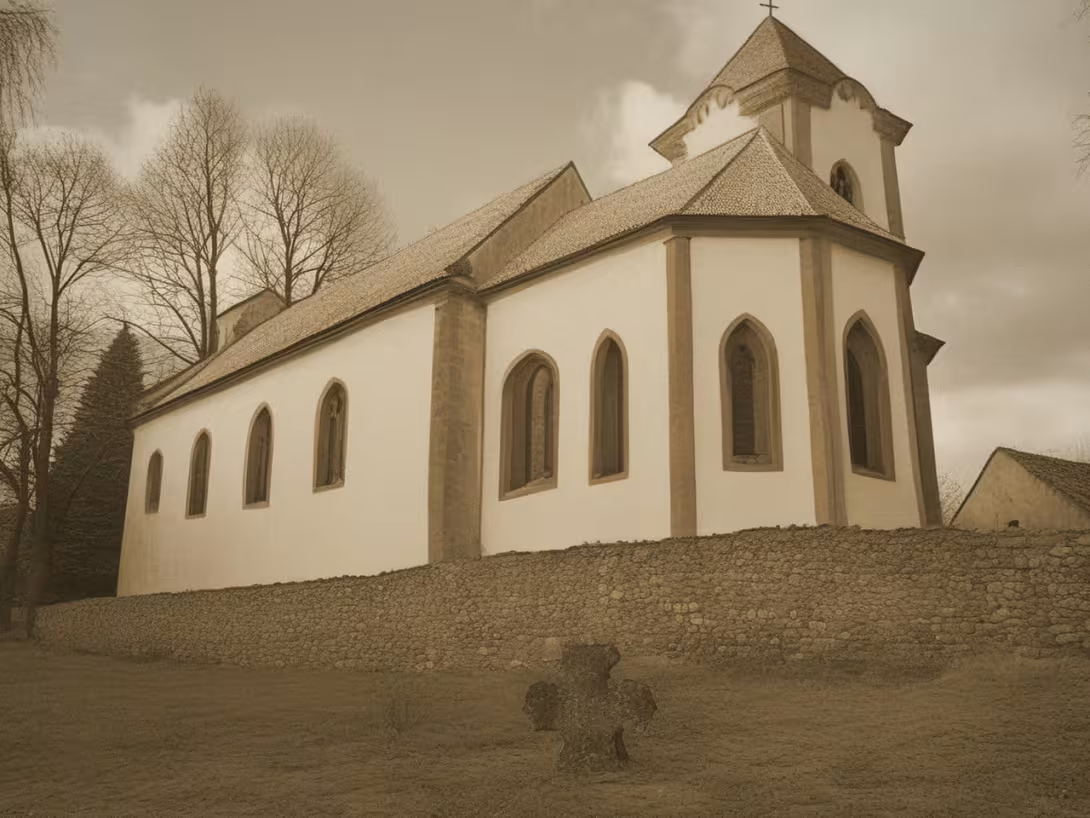
The historical appearance on the left is an AI-generated visualisation and serves as inspiration only.
Historical milestones
- 1115
- První dokumentovaná osídlení Prostiboře.
- kolem 1300
- Výstavba kostela svatého Mikuláše v raném středověku.
- polovina 14. století
- První zmínka o patronátu kostela.
- 1753
- Počátek barokních přestavbách.
- 1756
- Dokončení barokních přestavbách kostela.
Architectural development
Initially built as a Gothic church in the early 14th century, it features a five-sided presbytery with cross vaulting. The Baroque period saw extensive modifications including the extension of the nave, addition of a sacristy, and construction of a spire. Windows were redesigned, and new elements like a triumphal arch and gallery were added.
Historical events
The church is first mentioned in connection with patronage rights in the second half of the 14th century.
Baroque renovations took place between 1753 and 1756, significantly altering its structure.
Points of interest
- The Church of Saint Nicholas is surrounded by an old cemetery enclosed by a stone wall, which adds to its historical ambiance and provides insight into medieval burial practices.
- A local legend speaks of a girl who died from fear after being interrupted while picking flowers from a new grave; her story is commemorated by a stone reconciliation cross between the church and the chapel of Saint John Nepomucene.
- The church's architectural evolution reflects significant cultural shifts, transitioning from Gothic to Baroque styles during renovations in the mid-18th century, showcasing changing artistic tastes over time.
- Originally built during the Luxembourg dynasty's rule, the Church of Saint Nicholas highlights a period marked by substantial development in Bohemia and across Europe, emphasizing its historical importance beyond local boundaries.
- The church's five-sided presbytery with cross vaulting is an example of Gothic design, which was later transformed to include Baroque elements such as a triumphal arch and gallery during renovations between 1753 and 1756.
Guide
This guide is narrated by a synthetic voice generated by artificial intelligence.
Show guide text
This text was created by artificial intelligence and has not been editorially reviewed. It may contain inaccuracies.
Welcome to the historic Church of Saint Nicholas in Prostiboř. As you stand here on the outskirts of this quaint village, take a moment to absorb the serene ambiance surrounding you. Imagine yourself stepping back into time as you gaze upon this cultural monument, originally constructed in the early 14th century.
Let's delve into its history: The first documented settlement of Prostiboř dates back to 1115. By around 1300, the Church of Saint Nicholas was built during the early Gothic period. Its architectural significance is highlighted by a preserved five-sided presbytery with two fields of cross vaulting and sections of longitudinal walls from that era. In the mid-14th century, there's mention of the church's patronage, indicating its importance to the community.
Now, shift your focus to the Baroque period, which brought significant changes between 1753 and 1756. During this time, the church underwent extensive renovations, reflecting the stylistic evolution from its Gothic origins. As you look around, notice how these layers of history are woven into the fabric of the building's architecture.
The Church of Saint Nicholas is enveloped by an old cemetery enclosed by a stone wall, adding to its historical ambiance and offering insight into medieval burial practices. This feature not only enhances the church’s mystique but also connects us with the past.
As you explore further, local legends add another layer of intrigue. One such tale speaks of a girl who met her untimely end from fear after being interrupted while picking flowers from a new grave—a story that adds to the enigmatic charm of this site.
We invite you to wander around and let your imagination roam as you ponder these stories and architectural marvels. Take in the atmosphere, feel the history beneath your feet, and perhaps even hear echoes of those who walked here before us.
Thank you for joining us on this journey through time at the Church of Saint Nicholas. We hope it has been an enlightening experience, and we encourage you to continue exploring the rich tapestry of Prostiboř's heritage. Safe travels as you uncover more secrets hidden in history.
Frequently asked questions
Can the monument be visited?
Religious buildings are usually open mainly during services; at other times a visit is normally arranged with the parish or the operator. We have not verified specific times.
Where is the monument?
Location: Prostiboř, Plzeňský kraj. The map on this page shows the exact spot.
Why is the monument protected?
It is listed in the Central List of Cultural Monuments of the Czech Republic as a cultural monument (register no. 30016/4-1877).
Businesses nearby
Do you run a restaurant, accommodation, shop, museum, rental, wellness or other visitor service near this monument? Show yourself directly to the people heading to it — this is how they will see you in the app and on the web:
Events nearby
Zdroj akcí: otevřená data měst a obcí ČR (Národní katalog otevřených dat) a kalendář akcí Národního památkového ústavu.
Accommodation nearby
Themed route
Tematická výletní trasa: Kostel svatého Mikuláše, Prostiboř
1. Kostel svatého Mikuláše (Prostiboř) - Typ: Historická památka - Proč stojí za návštěvu: Tento barokní kostel je nejvýraznějším architektonickým dílem v Prostiboři. Jeho bohaté historie a umělecké prvky, jako jsou fresky a sochy, přitahují návštěvníky z celého regionu. Je to nejen místo modlitby, ale i kulturní centrum obce.
2. Obecní dům (Prostiboř) - Typ: Historický objekt - Proč stojí za návštěvu: Nachází se v blízkosti kostela a je typickým příkladem venkovského obecního domu. Jeho historie a architektura odrážejí životní styl obyvatel Prostiboře v minulých stoletích, což poskytuje vhled do místní kultury a tradic.
3. Zvonice kostela svatého Mikuláše - Typ: Architektonický prvek - Proč stojí za návštěvu: Zvonice je nejen funkčním, ale i estetickým doplňkem kostela. Její výška a historie zvonů přitahují pozornost turistů. Vystoupení po schodech nabízí pohled na obec a okolní krajinu, což je ideální pro fotografy.
4. Nádvoří kostela svatého Mikuláše - Typ: Kulturní areál - Proč stojí za návštěvu: Nádvoří slouží jako místo setkávání pro místní obyvatele a turisty. Během různých kulturních akcí nebo trhů se zde odehrávají živé události, které poskytují autentický pohled na místní tradice a komunitu.
Tato trasa nabízí návštěvníkům možnost prozkoumat historii a kulturu Prostiboře prostřednictvím jeho nejvýraznějších míst, přičemž se každé místo odlišuje svými jedinečnými charakteristikami.
Seasonal recommendations
Spring: Visiting the Church of Saint Nicholas in Prostiboř during spring offers a unique experience as nature begins to awaken around this historic site. The surrounding landscape is adorned with blooming flowers and lush greenery, creating a vibrant backdrop that enhances the church's architectural beauty. The soft light of early spring mornings can cast a gentle glow on the stone façade, making it an ideal time for photography enthusiasts. Visitors should be prepared for occasional rain showers by wearing comfortable layers and waterproof footwear. Although crowds are generally manageable during this season, arriving earlier in the day is advisable to fully enjoy the serene atmosphere before more tourists arrive.
Summer: Summer at the Church of Saint Nicholas is characterized by its warm weather and extended daylight hours, making it perfect for exploring the church's intricate details under clear skies. The surrounding countryside comes alive with lush vegetation and vibrant colors, offering picturesque views that complement the historic architecture. This is also a popular time for visitors, so planning your visit during off-peak hours or weekdays can help avoid larger crowds. Comfortable walking shoes and light clothing are recommended to stay cool as you explore, and don't forget sunscreen and a hat to protect against the sun's rays.
Autumn: The autumn season transforms the Church of Saint Nicholas into a stunning canvas with its warm hues of reds, oranges, and yellows enveloping the surrounding landscape. This period offers a magical atmosphere as the cooler temperatures make for a comfortable visit without the summer heat. The church is beautifully illuminated by the soft, golden light typical of fall afternoons, providing an ideal setting for photography or simply enjoying a peaceful moment. Visitors should dress in layers to accommodate fluctuating temperatures and be prepared for shorter days with earlier closures, ensuring they maximize their time at this picturesque site.
Winter: Winter brings a unique charm to the Church of Saint Nicholas, as snow blankets the area, creating a serene and almost mystical atmosphere around this historic landmark. The church's silhouette against a crisp winter sky can be particularly striking, offering a different perspective from other seasons. However, visitors should dress warmly in layers and wear sturdy boots for navigating snowy paths. While fewer tourists typically visit in winter, it remains an enchanting time to experience the church's quiet beauty amidst the tranquility of a snow-covered landscape.
Visualizations and artistic views


The visualisations are generated by artificial intelligence and serve as inspiration.
Photos from the area
Real photos taken near the monument


Zdroj a licence jsou uvedeny u každého snímku.
Atmosphere of the place
This atmospheric visualisation of the place and period was generated by artificial intelligence. It is not real footage of the location.
Tips from visitors
No tips yet. Be the first!
Log in and add your tip.
Sources and literature
Photos: Krabat77 / CC BY-SA 3.0, rozlišení zvýšeno umělou inteligencí — Wikimedia Commons. The author and licence also appear when you hover over the image.
Faktickým podkladem tohoto textu byl článek na Wikipedii, jehož autory jsou přispěvatelé Wikipedie. Článek je dostupný pod licencí CC BY-SA 4.0.
Location on the map
More monuments – Prostiboř
Show all in the municipality

Příběhy a pověsti
Legendy, pověsti a příběhy spjaté s touto památkou
Příběh: Kostel svatého Mikuláše (Prostiboř)
Bylo to v pondělí ráno, kdy Martin, mladý kněz z Prostibora, tři hodiny po modlitbách objevil nevysvětlitelné znaky na svém oltáři. Kostel svatého Mikuláše n…
Číst příběh
Pověst: Kostel svatého Mikuláše (Prostiboř)
Podle místní pověsti stojí ten kamenný kříž u hřbitovní zdi v Prostiboři již dlouhá staletí a každý, kdo jím prochází, ví, že připomíná víc než jen kámen. Př…
Číst příběhFotografie návštěvníků
Zatím žádné fotografie. Buďte první, kdo přidá fotografii z návštěvy!
Log in a přidejte svou fotografii nebo hodnoťte.
Za ověřenou návštěvu v aplikaci získáte víc bodů — poznáme podle GPS, že jste na místě.
Reviews and comments