



kostel svatého Mikuláše Tolentinského (Vratěnín) Church
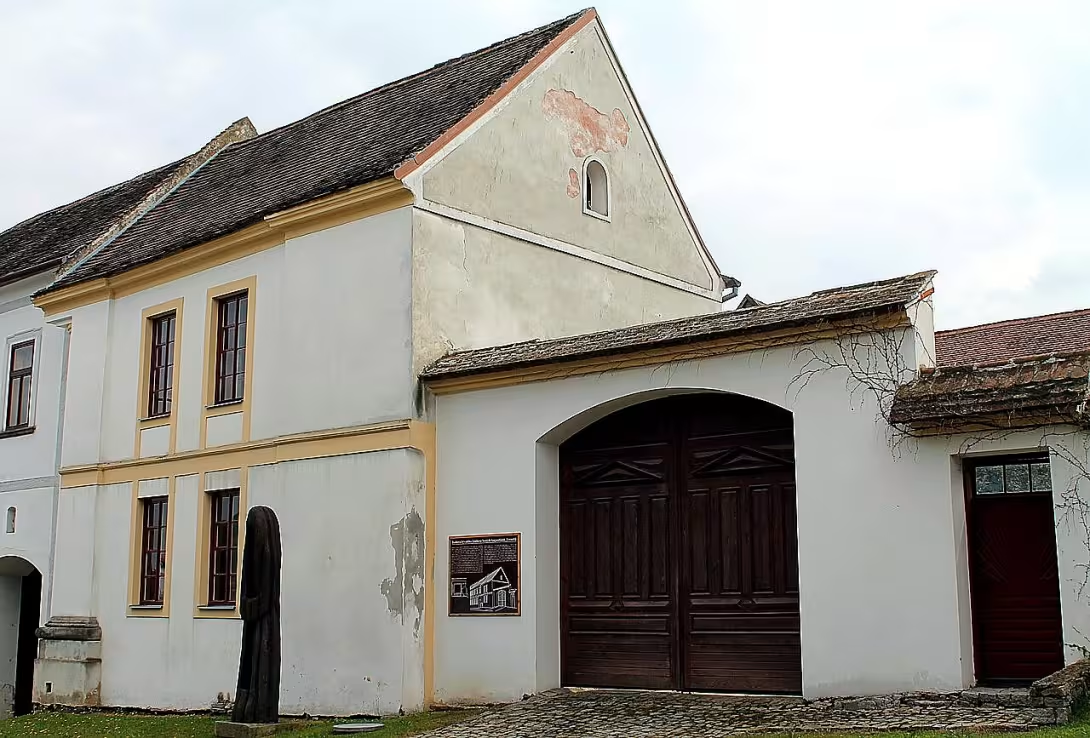
The Church of Saint Nicholas Tolentino in Vratěnín is a nearly vanished Baroque church that once belonged to an Augustinian Canons Regular monastery. Situated on the eastern edge of Vratènìn in South Moravia, this historical site is notable for its architectural style and religious heritage. Consecrated in 1739, it features a main altar dedicated to Saint Nicholas Tolentino. Despite its rich history, the church was destroyed by fire in 1821 and has not been restored since.
The origins of the Church date back to the early 18th century during the Baroque period, prominent in Bohemia after the Thirty Years' War. This era saw a resurgence of Catholic influence across Europe, reflected in elaborate architectural styles and religious art. The foundation stone was laid on July 29, 1726, marking the start of construction. By January 1, 1728, Franz Heissler von Heltersheim confirmed his donation for the church's construction, which included materials such as 1000 měřic of lime and a promise to build the main altar. The church was completed by 1740, with the nave and choir finished by 1729, and it was consecrated on June 18, 1739.
Architecturally, the Church exemplifies Baroque style, characterized by elaborate design and religious symbolism. The main altar, dedicated to Saint Nicholas Tolentino—a significant figure in Catholicism—stands as a testament to this period's artistic expression. Other altars within the church were dedicated to the Holy Trinity, Saint Anthony of Padua, and the Fourteen Holy Helpers. Although much of the church was destroyed by fire in 1821, remnants such as a portion of the high pilaster order from the street side remain visible today.
Ownership and administration of the church underwent significant changes over time. Initially associated with the Augustinian Canons Regular monastery, the convent was dissolved in 1814. Following this dissolution, some assets were transferred to a nearby monastery. Today, the site is privately owned and used for residential purposes, with parts of the former monastery serving as housing.
Key events in the church's history include its foundation stone laying in 1726, the confirmation of Franz Heissler von Heltersheim's donation in 1728, and its consecration in 1739. The most dramatic event was the fire in 1821 that destroyed both the convent and the church, leading to its current state as a historical ruin.
Today, the Church of Saint Nicholas Tolentino stands as a cultural heritage site protected by the Czech Republic. While it has not been restored, visitors can still appreciate the remnants of its Baroque architecture and the historical significance it holds. The surrounding area features typical rural landscapes of South Moravia, adding to the charm of this historical site.
The Church of Saint Nicholas Tolentino offers a unique glimpse into the religious and architectural history of early 18th-century Bohemia. Its preservation as a cultural heritage site ensures that future generations can appreciate its historical value. Visitors are invited to explore this remarkable monument and reflect on its storied past, even in its current state as a nearly vanished relic of Baroque architecture.
Then and now
Drag the slider to compare how the landmark may have looked when it was built with the view today.
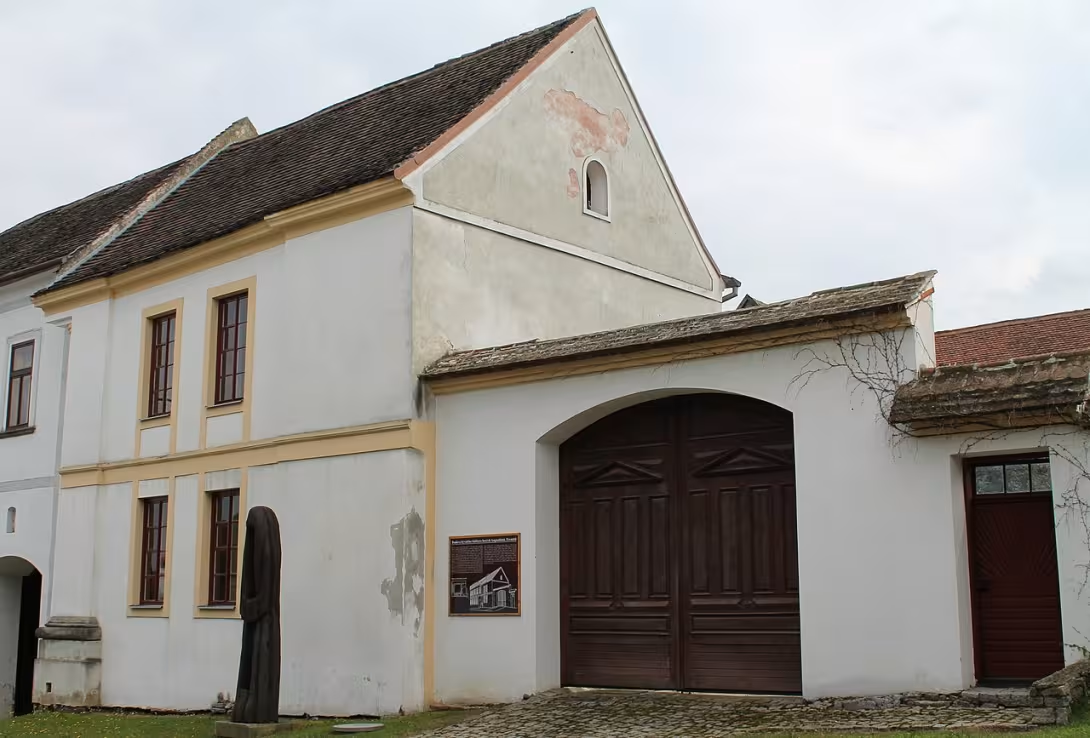
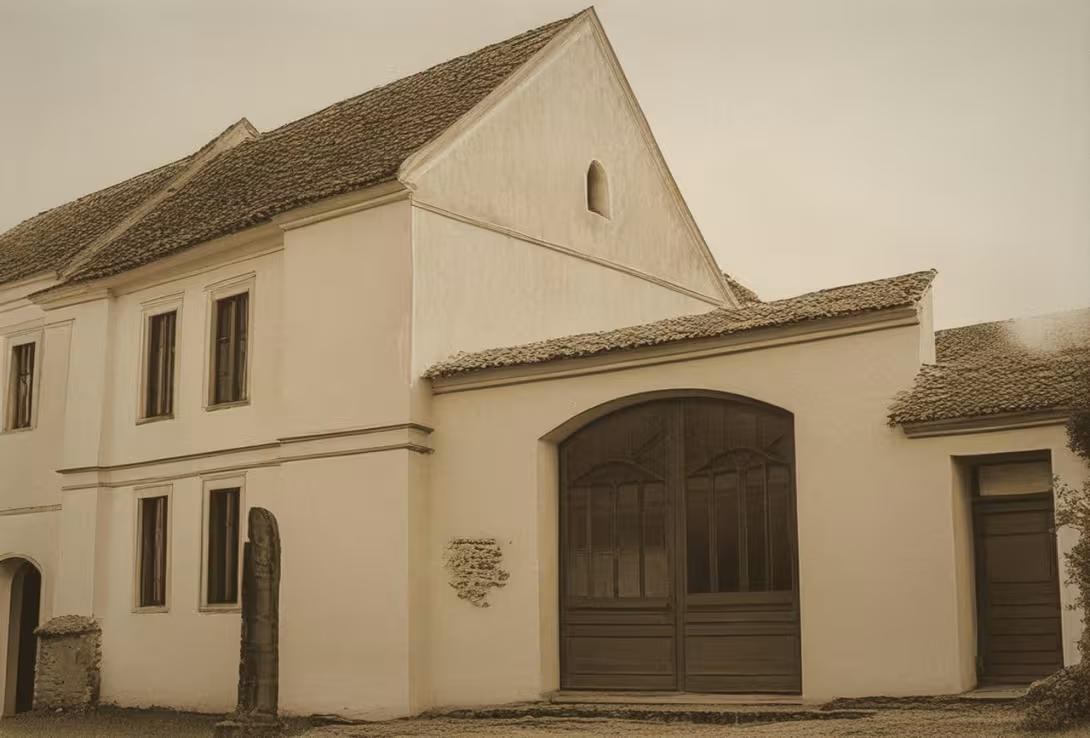
The historical appearance on the left is an AI-generated visualisation and serves as inspiration only.
Historical milestones
- 1726
- Laying of the church's foundation stone.
- 1739
- Consecration of the church.
Architectural development
The church's construction began in 1726 with its completion in 1740. It features a Baroque style, characterized by the main altar dedicated to Saint Nicholas Tolentino and other altars within. The nave and choir were completed by 1729, while the entire structure was finished by 1739.
Historical events
29 July 1726: Laying of the church's foundation stone.
1 January 1728: Franz Heissler von Heltersheim confirmed his donation for construction, including materials and a promise to build the main altar.
18 June 1739: The church was consecrated.
1821: The convent and church were destroyed by fire.
Owners
The church was initially associated with the Augustinian Canons Regular monastery. After the dissolution of the convent in 1814, some assets were transferred to a nearby monastery. The site is now privately owned and used for residential purposes.
Points of interest
- The Church of Saint Nicholas Tolentino was part of an Augustinian Canons Regular monastery, which dissolved in 1814 due to the secularization movements sweeping through Europe at that time.
- Despite its destruction by fire in 1821, a portion of the high pilaster order from the street side remains visible today, offering a rare glimpse into Baroque architectural elements.
- The church's main altar was dedicated to Saint Nicholas Tolentino, an Italian saint known for his work with the poor and sick, reflecting the Catholic Church’s emphasis on charity during the Baroque period.
- Franz Heissler von Heltersheim, who confirmed his donation in 1728, played a crucial role in the church's construction by providing materials such as lime, which was essential for creating the durable structures typical of that era.
- After its destruction, parts of the former monastery were repurposed for residential use, illustrating how historical sites can adapt to modern needs while preserving their cultural significance.
Guide
This guide is narrated by a synthetic voice generated by artificial intelligence.
Show guide text
This text was created by artificial intelligence and has not been editorially reviewed. It may contain inaccuracies.
The Church of Saint Nicholas of Tolentino in Vratěnín is nearly ruined today. It used to be a monastery church of the barefoot Augustinians and stood on the eastern edge of the village. Together with the area of the former monastery, it is protected as a cultural monument.
The foundation stone of the church was blessed on July 29th, 1726. The construction was supported by the Uherce count Franz Heissler of Heltersheirn. His donation was confirmed on January 1st, 1728. The count donated, among other things, one thousand measures of lime and promised to have the main altar built. In return, the monks had to hold services for the deceased members of the count's family.
Construction proceeded relatively quickly. The choir and the longitudinal nave were completed by 1729. The entire church was finished in 1739 and was consecrated on June 18th of that year.
The main altar was dedicated to Saint Nicholas of Tolentino, the patron saint of the church. The side altar belonged to the Holy Trinity. Other smaller altars were dedicated to Saint Anthony of Padua and the Fourteen Holy Helpers.
Monastic life did not last long. In 1814, the convent and the church were dissolved and the property was recorded. Part of the furnishings were purchased by the administrators of Louky Monastery for the Church of Saint Linhart in Havraníky, which was being built at that time.
The year 1821 proved to be fatal, when the church and monastery burned down. The church was never restored. From the street side, part of the high pilaster order that once formed the facade of the church has been preserved. Parts of the perimeter walls still stand. The space that used to be the interior of the church now serves as a garden for the neighboring building of the former monastery, which is inhabited. In the place of the former presbytery, that is the space around the main altar, there are farm buildings today.
Frequently asked questions
Can the monument be visited?
Religious buildings are usually open mainly during services; at other times a visit is normally arranged with the parish or the operator. We have not verified specific times.
Where is the monument?
Location: Vratěnín, Jihomoravský kraj. The map on this page shows the exact spot.
Why is the monument protected?
It is listed in the Central List of Cultural Monuments of the Czech Republic as a cultural monument. It is protected as part of a larger listed ensemble.
Businesses nearby
Do you run a restaurant, accommodation, shop, museum, rental, wellness or other visitor service near this monument? Show yourself directly to the people heading to it — this is how they will see you in the app and on the web:
Nearby
The site is located on the eastern edge of Vratěnín and includes remnants of the former monastery used for residential purposes. The surrounding area features typical rural landscapes of South Moravia.
Accommodation nearby
Themed route
Thematic Walking Tour: Vratěnín and the Church of Saint Nicholas Tolentinate
1. Church of Saint Nicholas Tolentinate (Církev svatého Mikuláše Tolentinského) - Type: Historical Religious Site - Why Visit: Begin your journey at this stunning example of Baroque architecture, a testament to the rich religious history of Vratěnín. The church is renowned for its intricate design and spiritual significance, making it an essential starting point for understanding the area's cultural heritage.
2. Remnants of the Former Monastery - Type: Historical Ruins - Why Visit: Located just a short walk from the church on the eastern edge of Vratěnín, these remnants offer a glimpse into the monastic life that once thrived here. Explore the historical layers and imagine the stories these ruins could tell about the past residents who lived in this serene rural landscape.
3. Rural Landscapes of South Moravia - Type: Scenic Rural Area - Why Visit: As you meander through the surrounding countryside, take in the quintessential rural landscapes that define South Moravia. The rolling fields and traditional architecture provide a peaceful backdrop for reflection and appreciation of nature's beauty, enhancing your connection to this historic region.
This tour offers an immersive experience into Vratěnín’s historical and cultural essence, focusing on its religious heritage and serene natural surroundings.
Seasonal recommendations
Spring: Visiting the ruins of St. Nicholas Tolentine Church during spring offers a unique experience as nature begins to awaken around Vratěnín. The church is enveloped in vibrant wildflowers and budding trees, creating a picturesque backdrop that enhances its historical charm. The soft, diffused light of early mornings or late afternoons casts gentle shadows across the ruins, adding an ethereal quality to your visit. During this time, the site may see moderate visitor numbers as it becomes more accessible with milder weather. It's advisable to wear comfortable walking shoes and layers that can be adjusted for fluctuating temperatures, ensuring you're prepared for both sunshine and occasional spring showers.
Summer: Summer at St. Nicholas Tolentine Church is marked by lush greenery and longer daylight hours, making it an ideal time for exploration. The warm weather brings out the vibrant colors of nature, with wildflowers in full bloom and trees providing ample shade. However, this season also attracts more visitors, especially during peak holiday times. To avoid crowds, consider visiting early in the morning or later in the afternoon. Dressing in light, breathable clothing is recommended to stay comfortable under the summer sun, and carrying a hat and sunscreen can help protect against UV rays.
Autumn: Autumn transforms the ruins of St. Nicholas Tolentine Church into a stunning tapestry of reds, oranges, and yellows as the leaves change color around Vratěnín. The cooler temperatures create a crisp atmosphere that is perfect for leisurely strolls through the historic site. This season often sees fewer visitors than summer, allowing for a more tranquil experience. It's advisable to wear layered clothing to accommodate the variable weather, which can range from warm days to chilly evenings. Carrying an umbrella or raincoat might be wise as autumn rains are common.
Winter: Winter at St. Nicholas Tolentine Church offers a serene and mystical atmosphere as snow blankets the ruins in Vratěnín. The stark contrast between the white landscape and the ancient stones creates a hauntingly beautiful scene, especially under the soft glow of morning or evening light. Visitor numbers tend to be lower during this season, providing an opportunity for quiet reflection amidst the historic site. Dressing warmly is essential, with layers that can be adjusted as needed, along with waterproof boots to navigate any icy paths.
Visualizations and artistic views


The visualisations are generated by artificial intelligence and serve as inspiration.
Photos from the area
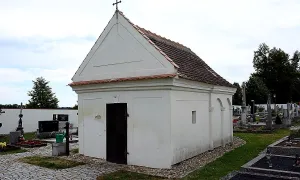
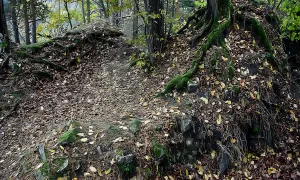
Real photos taken near the monument


Zdroj a licence jsou uvedeny u každého snímku.
Tips from visitors
No tips yet. Be the first!
Log in and add your tip.
Sources and literature
Photos: Harold / CC BY-SA 3.0 — Wikimedia Commons. The author and licence also appear when you hover over the image.
Faktickým podkladem tohoto textu byl článek na Wikipedii, jehož autory jsou přispěvatelé Wikipedie. Článek je dostupný pod licencí CC BY-SA 4.0.
Location on the map



Příběhy a pověsti
Legendy, pověsti a příběhy spjaté s touto památkou
Fotografie návštěvníků
Zatím žádné fotografie. Buďte první, kdo přidá fotografii z návštěvy!
Log in a přidejte svou fotografii nebo hodnoťte.
Za ověřenou návštěvu v aplikaci získáte víc bodů — poznáme podle GPS, že jste na místě.
Reviews and comments