



Kostel svatého Mikuláše (Týniště nad Orlicí) Church
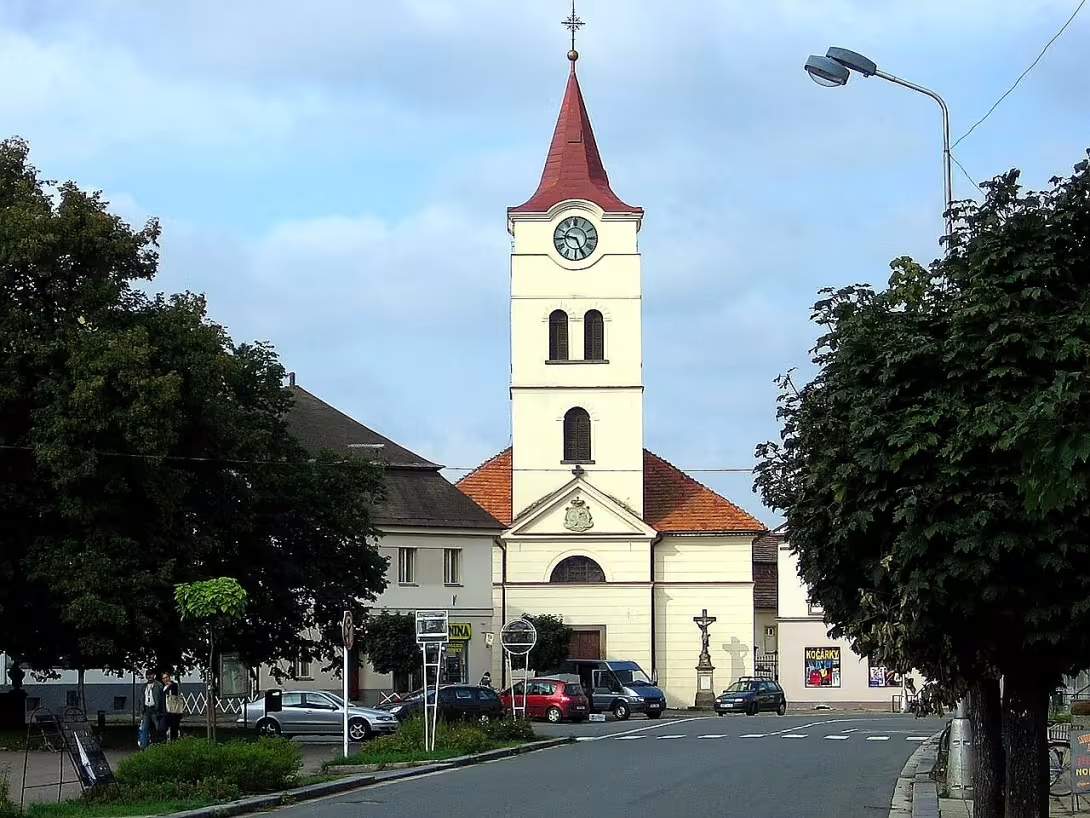
The Church of Saint Nicholas in Týniště nad Orlicí is a significant cultural monument in the Czech Republic, known for its historical and architectural importance. Situated in Týniště nad Orlicí, this Roman Catholic parish church dates back to at least 1361. Its current stone structure began construction in 1692 after a devastating fire that year.
The church's origins are documented as far back as 1361 when it was first mentioned in a church endowment book, underscoring its longstanding significance to the local community. The original wooden structure suffered multiple fires before being rebuilt as a stone edifice starting in 1692. This reconstruction followed a catastrophic fire in 1686 that destroyed both the church and much of Týniště nad Orlicí. Throughout the 18th century, the church underwent several expansions, with its distinctive façade and bell tower completed in 1794. These developments were part of broader Baroque trends across Europe, influenced by the Catholic Church's Counter-Reformation efforts.
Architecturally, the Church of Saint Nicholas exemplifies Baroque style, characterized by elaborate design and decorative elements. The current form began with stone construction in 1692, replacing an earlier wooden structure that had repeatedly succumbed to fire. Over time, it expanded significantly, particularly throughout the 18th century. A notable feature added in 1794 was the distinctive façade and bell tower, which remain defining elements of its appearance today. In 1941, an additional floor for clocks was incorporated into the tower, enhancing its architectural complexity.
Throughout its history, various spiritual leaders have stewarded the church, contributing to its preservation and restoration. Notably, P. A. Jílek and P. I. Havlíček played significant roles in recent restoration efforts, ensuring necessary repairs and enhancements. From 2004-2009, a major renovation project focused on repairing roof coverings. This effort included installing a new bell tower structure between 2007 and 2008, supported financially by the Ministry of Culture and Královéhradecký kraj, with personal backing from Ing. Bradík, then regional governor.
The interior is adorned with several noteworthy artworks that enhance its cultural value. The main altar painting, crafted by academic painter Jan Umlauf, depicts Saint Nicholas descending to children against a backdrop illustrating Týniště nad Orlicí during a significant flood. This artistic choice likely aimed to emphasize the dramatic impact of such natural events on the community. Other notable works by Umlauf include paintings of Saints Cyril and Methodius, and John of Nepomuk. Additionally, an altar dedicated to Saint Barbara features work by another artist, Templér. The church also houses a collection of four bells cast in 1971 at Manoušek's bell foundry, along with early Baroque furnishings such as a pulpit and baptismal font dating back to 1563.
Today, the Church of Saint Nicholas remains an active place of worship, hosting services on Sundays at 9:00 AM, Wednesdays at 6:00 PM, and Fridays at 6:00 PM. Its historical significance, combined with its architectural beauty and rich interior artistry, make it a compelling destination for visitors interested in exploring the cultural heritage of the Czech Republic.
The Church of Saint Nicholas is not only a testament to the resilience and faith of the Týniště nad Orlicí community but also a remarkable example of Baroque architecture and art. Its preservation as a cultural monument ensures that future generations can appreciate its historical and aesthetic value. Visitors are encouraged to explore this site, where history and spirituality converge in a space of enduring beauty and significance.
Then and now
Drag the slider to compare how the landmark may have looked when it was built with the view today.
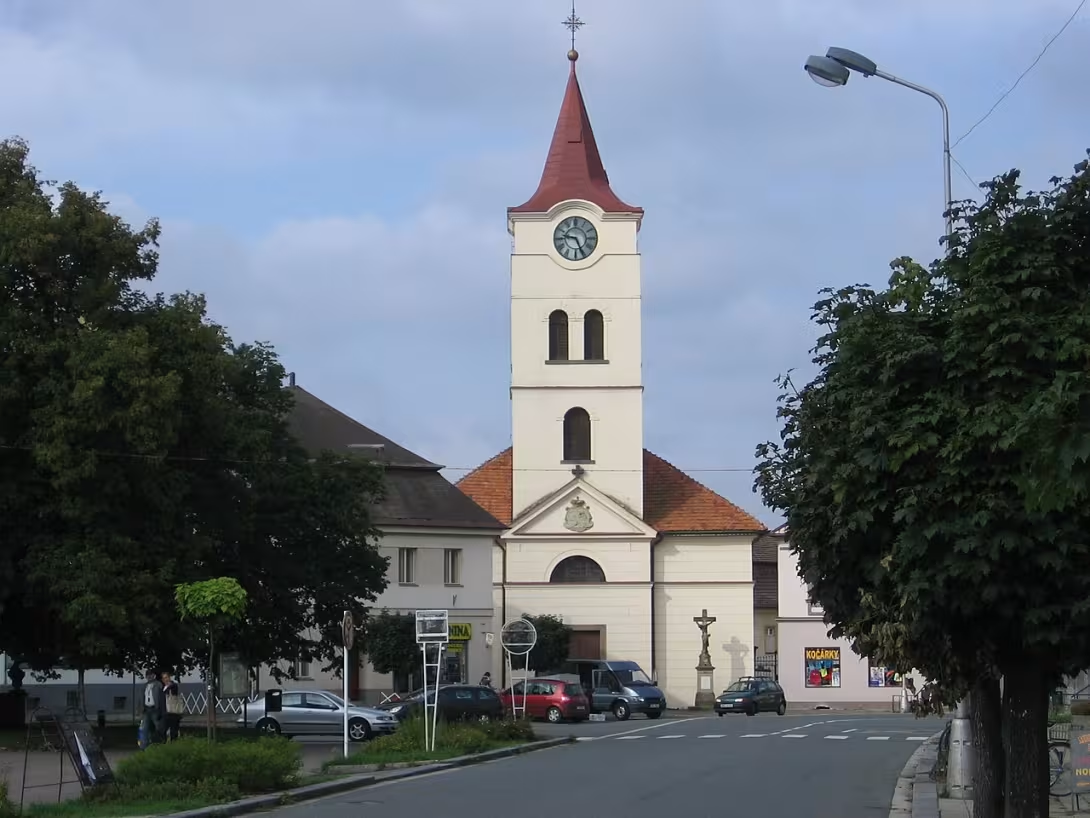

The historical appearance on the left is an AI-generated visualisation and serves as inspiration only.
Historical milestones
- 1361
- First mention of the church in the parish necrology book.
- 1686
- The church and town were destroyed by fire, leading to reconstruction.
- 1692
- The fire led to the beginning of construction of the current stone structure of the church.
- 1794
- Completion of the characteristic façade and tower.
- 1941
- Addition of another floor for a clock in the tower.
Architectural development
The Church of Saint Nicholas was initially a wooden structure that suffered multiple fires before being rebuilt as a stone church in 1692. Throughout the 18th century, it underwent several expansions, with its distinctive façade and bell tower completed in 1794. In 1941, an additional floor for clocks was added to the tower.
Historical events
- 1361
- First written mention of the church in a church endowment book.
- 1686
- A fire destroyed both the church and much of the town, leading to reconstruction efforts starting in 1692.
Points of interest
- The Church of Saint Nicholas has a history of resilience against fires, having been rebuilt as a stone structure in 1692 after multiple incidents destroyed its original wooden form. This repeated rebuilding effort highlights the community's determination to preserve their place of worship.
- In 1941, an additional floor for clocks was added to the church's bell tower, reflecting both architectural innovation and the importance placed on timekeeping within the community during that era.
- The main altar painting by Jan Umlauf uniquely depicts Saint Nicholas descending to children set against a backdrop of Týniště nad Orlicí during a significant flood. This artistic choice underscores the historical impact of natural disasters on the town's collective memory and identity.
- Among its collection, the church houses four bells cast in 1971 at Manoušek's bell foundry, showcasing the blend of traditional craftsmanship with more modern production techniques that have been part of its history.
- The church’s interior features early Baroque furnishings such as a pulpit and baptismal font dating back to 1563. These elements provide insight into the stylistic transitions within religious architecture over several centuries.
Guide
This guide is narrated by a synthetic voice generated by artificial intelligence.
Show guide text
This text was created by artificial intelligence and has not been editorially reviewed. It may contain inaccuracies.
Welcome to the historical Church of Saint Nicholas in Týniště nad Orlicí. As you stand before this majestic structure, take a moment to absorb its grandeur and significance. The church, with its robust stone walls and towering presence, is a testament to the resilience and dedication of the community that has cherished it for centuries.
Let's delve into its origins and historical context. The first mention of a church on this site dates back to 1361 in a parish obituary book, marking the beginning of a long-standing religious tradition here. However, it wasn't until 1686 that a devastating fire razed both the town and the wooden church to the ground. This tragic event set the stage for the construction of the current stone edifice, which began in 1692. The community's determination to rebuild is evident in this transition from wood to stone, symbolizing their resilience against adversity.
As you explore further, notice the architectural features that define this church. The façade and tower, completed in 1794, are particularly striking. These elements showcase a blend of styles that have evolved over time, reflecting both historical influences and local craftsmanship. While specific architects remain unknown, the workmanship speaks volumes about the era's architectural ambitions.
Throughout its history, several key figures have been associated with this church. Notably, P. A. Jílek and P. I. Havlíček played significant roles in its development and preservation. Their contributions helped shape the church into the cultural monument it is today.
One of the most fascinating aspects of Saint Nicholas Church is its history of resilience against fires. Originally built as a wooden structure, it was destroyed by fire multiple times before being rebuilt as a stone edifice in 1692. This repeated rebuilding effort highlights not only the community's determination but also their unwavering commitment to preserving this sacred space.
As you continue your exploration, take a moment to appreciate the church's role within the community and its enduring legacy. The addition of an extra floor for clocks in the tower in 1941 is a testament to its ongoing evolution and adaptation over time.
We invite you to delve deeper into the history and stories that this remarkable church holds. Each corner and detail invites curiosity, offering insights into the past while standing as a beacon of cultural heritage today. Thank you for joining us on this journey through time at the Church of Saint Nicholas in Týniště nad Orlicí. We hope your visit has been both enlightening and inspiring.
Tips for visitors
The Church of Saint Nicholas in Týniště nad Orlicí is best visited during the late spring to early autumn months, typically from May through September. During this time, the weather is generally pleasant, allowing for comfortable exploration both inside and outside the church. The natural light enhances the architectural details and interior artwork, making it an ideal period for photography enthusiasts. Additionally, local festivals or religious events might coincide with these months, offering a unique cultural experience.
It's advisable to verify current routes and schedules through a transportation search tool or local travel websites to ensure convenient access.
When visiting the Church of Saint Nicholas, it is recommended to bring comfortable walking shoes, especially if you plan on exploring the surrounding areas. A camera with a zoom lens can be beneficial for capturing detailed shots of the church's architecture and interior artistry. Additionally, consider bringing a light jacket or sweater as temperatures inside historical buildings can sometimes be cooler than outside.
For photography enthusiasts, some of the best spots to capture the Church of Saint Nicholas include its western facade, which is illuminated beautifully during sunrise or sunset. The stained glass windows are particularly striking when photographed with natural lighting filtering through them. Early morning visits often provide soft light that enhances the church's intricate details and textures.
Nearby attractions within a 30-minute drive from Týniště nad Orlicí include the scenic landscapes of the Bohemian Paradise, offering picturesque hiking trails and viewpoints.
Frequently asked questions
Can the monument be visited?
Religious buildings are usually open mainly during services; at other times a visit is normally arranged with the parish or the operator. We have not verified specific times.
Where is the monument?
Location: Mírové nám., Týniště nad Orlicí, Královéhradecký kraj. The map on this page shows the exact spot.
Why is the monument protected?
It is listed in the Central List of Cultural Monuments of the Czech Republic as a cultural monument (register no. 32610/6-2438).
Businesses nearby
Do you run a restaurant, accommodation, shop, museum, rental, wellness or other visitor service near this monument? Show yourself directly to the people heading to it — this is how they will see you in the app and on the web:
Events nearby


Zdroj akcí: otevřená data měst a obcí ČR (Národní katalog otevřených dat) a kalendář akcí Národního památkového ústavu.
Accommodation nearby
Themed route
Tematická výletní trasa: Kostel svatého Mikuláše (Týniště nad Orlicí)
1. Kostel svatého Mikuláše
Typ: Historická památka
Proč stojí za návštěvu: Tento barokní kostel je nejvýraznější architektonickou památkou v obci Týniště nad Orlicí. Jeho bohaté historie a unikátní interiér, který zahrnuje krásné sochy a fresky, přitahují návštěvníky hledajících hlubší poznání o místní kultuře a duchovním životě.
2. Mikulášské náměstí
Typ: Historické náměstí
Proč stojí za návštěvu: Toto centrální náměstí v obci je ideálním místem pro relaxaci a prohlídku. S kostelem svatého Mikuláše jako pozadím nabízí pohled na historickou architekturu a poskytuje příležitost prozkoumat další menší památky a sochy, které dodávají místu jedinečný charakter.
3. Muzeum Týniště nad Orlicí
Typ: Místní muzeum
Proč stojí za návštěvu: Muzeum nabízí cenné poznatky o historii a kultuře obce. Jeho expozice zahrnují artefakty, které dokumentují život v regionu od pravěku po současnost, což je neocenitelným zdrojem informací pro ty, kteří chtějí hluboce porozumět historickému kontextu místního kostela a obce.
4. Park u kostela
Typ: Místní park
Proč stojí za návštěvu: Park nabízí klidnou zastávku pro odpočinek po prohlídce kostela a muzea. Jeho přírodní prostředí je ideální pro krátké procházky nebo relaxaci na lavičce, což umožňuje návštěvníkům plněji ocenit mírný a klidný zážitek v obci Týniště nad Orlicí.
Tato trasa nabízí komplexní pohled na historii, kulturu a přírodní krásy obce Týniště nad Orlicí, zaměřené kolem jejího nejvýraznějšího symbolu - kostela svatého Mikuláše.
Seasonal recommendations
Spring: Visiting the Church of Saint Nicholas during spring offers a unique experience as nature begins to awaken around Týniště nad Orlicí. The blooming flowers and fresh greenery create a picturesque backdrop, enhancing the serene atmosphere that envelops this historic site. Morning visits are ideal when the light is soft and gentle, casting beautiful shadows across the church's architectural details. While crowds can be minimal during weekdays, it’s advisable to wear comfortable walking shoes as paths may still be damp from occasional spring rains.
Summer: Summer brings vibrant life to the Church of Saint Nicholas, with lush landscapes framing its historic façade. The long daylight hours allow for extended exploration, but it's best to arrive early in the morning or later in the afternoon to avoid the peak midday heat and larger crowds that frequent this time of year. Light, breathable clothing is recommended, along with sunglasses and a hat to protect against the sun. This season offers an excellent opportunity to enjoy outdoor activities in the surrounding area after visiting the church.
Autumn: The autumn months transform the Church of Saint Nicholas into a stunning canvas of warm colors as leaves change hue around Týniště nad Orlicí. The cooler temperatures and softer light create a magical atmosphere, ideal for photography enthusiasts looking to capture the historic site in its seasonal glory. While this is a popular time for visitors drawn by the scenic beauty, weekdays can offer quieter moments for reflection. Layered clothing is advisable due to the fluctuating temperatures, ensuring comfort as you explore.
Winter: Winter cloaks the Church of Saint Nicholas in a serene blanket of snow, offering a tranquil and almost ethereal experience. The shorter days mean that visiting early is essential to make the most of the limited daylight hours when the church is open. The crisp air can be invigorating, but it's crucial to dress warmly with layers, including thermal wear and a waterproof outer layer, as conditions can change quickly. This season provides a peaceful time for visitors seeking solitude amidst the quiet beauty of the winter landscape.
Visualizations and artistic views


The visualisations are generated by artificial intelligence and serve as inspiration.
Photos from the area
Real photos taken near the monument


Zdroj a licence jsou uvedeny u každého snímku.
Tips from visitors
No tips yet. Be the first!
Log in and add your tip.
Sources and literature
Photos: Radek Bartoš / CC BY-SA 3.0 — Wikimedia Commons. The author and licence also appear when you hover over the image.
Faktickým podkladem tohoto textu byl článek na Wikipedii, jehož autory jsou přispěvatelé Wikipedie. Článek je dostupný pod licencí CC BY-SA 4.0.
Location on the map

Příběhy a pověsti
Legendy, pověsti a příběhy spjaté s touto památkou

Příběh: Kostel svatého Mikuláše (Týniště nad Orlicí)
Bylo to v pondělí ráno, kdy Martin Čermák zjistil, že jeho život se rozpadá pod nohama jako země během prudké bouře. Hlasité štěstí jeho manželky Anna a jeji…
Číst příběh
Pověst: Kostel svatého Mikuláše (Týniště nad Orlicí)
Traduje se, že v dobách, kdy stál na místě dnešního zděného chrámu ještě dřevěný kostelík, sužovaly Týniště nad Orlicí záplavy tak strašlivé, že se o nich vy…
Číst příběhFotografie návštěvníků
Zatím žádné fotografie. Buďte první, kdo přidá fotografii z návštěvy!
Log in a přidejte svou fotografii nebo hodnoťte.
Za ověřenou návštěvu v aplikaci získáte víc bodů — poznáme podle GPS, že jste na místě.
Reviews and comments