






Kostel svatého Mikuláše (Žerčice) Church
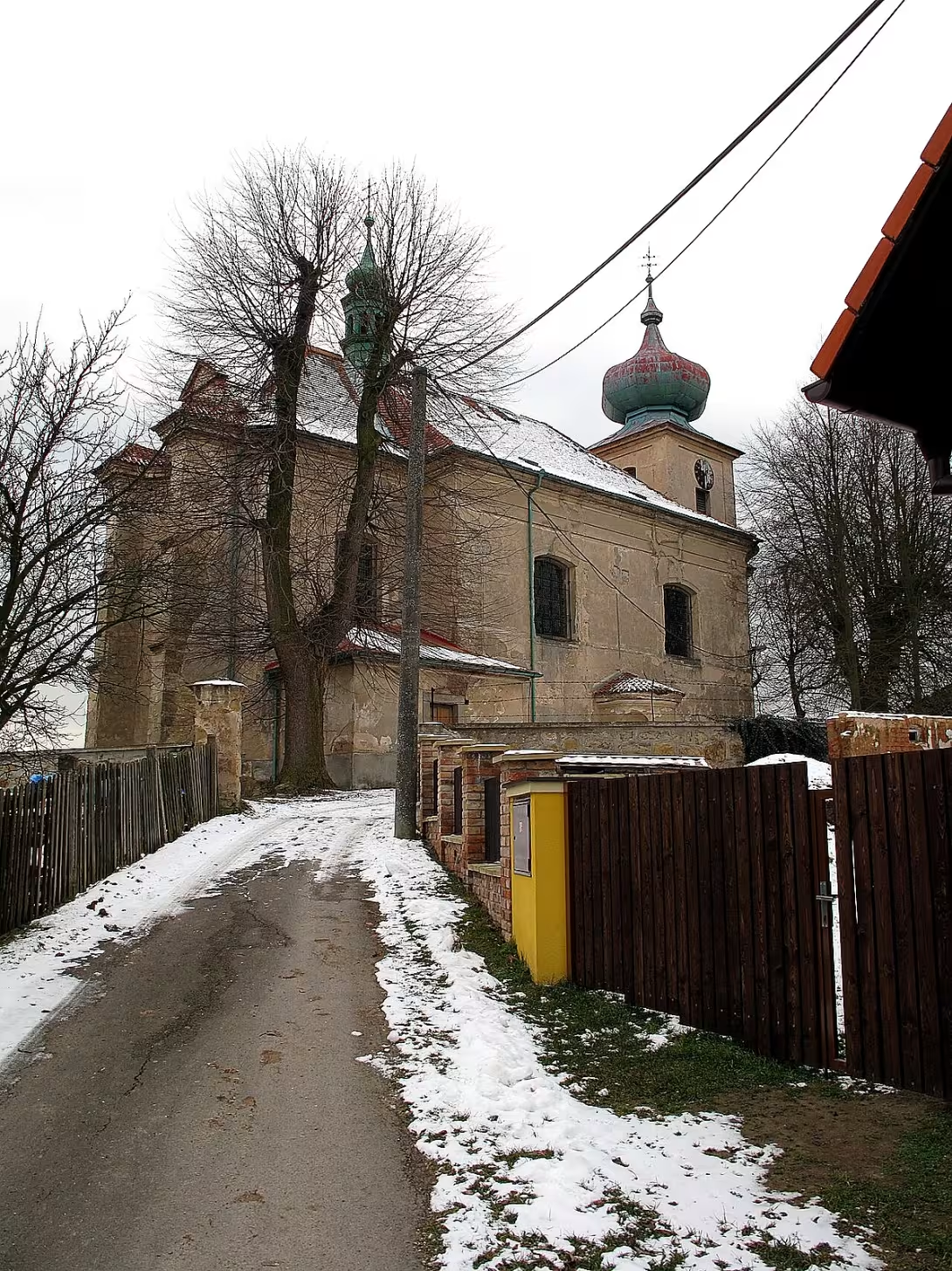
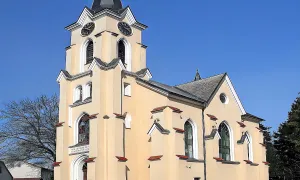
The Church of Saint Nicholas in Nučice is a remarkable example of Baroque architecture that reflects the cultural wealth of Bohemia in the early 18th century. This single-boat church is located in the village Žerčice within the Central Bohemian Region, which was built in 1730 under the patronage Eleonora z Valdštejna. It stands as a protected cultural monument of the Czech Republic, built on an older medieval chapel since 1070.
During the time of the Czech Republic in the Habsburg monarchy and its prosperous Baroque era, significant architectural and artistic changes in the whole of Europe, influenced by counter-reformation, have manifested themselves. The church replaced an earlier structure which for centuries showed both continuity and transformation of religious architecture.
Architecturally, it has different baroque elements. Designed by Fr. M. Kaňka with posts from F. J. Prée and master builder J. Sovenský, the church contains a rectangular presbytery, two polo side chapel and a pyramid tower integrated into the western facade. The interior is arched with planks supported by robust pilasters, while segment windows with arch edges increase its complex design.
The artistic elements of the church are equally remarkable. Its main altar, built in 1736, was designed by F.I. Prée and made by carpenter P. Vyšohlíd and sculptor Josef Jiří Jelínek. This altar is equipped with statues of saints Václav and Vitus, probably the work of M. Jelínek. Its artistic significance adds an altar depicting St. Nicholas from F.D. Barbieri. Moreover, the Rococo Confessor of 1790 and the Baptist font of tin dating back to the beginning of the 17th century are remarkable functions in the church.
The Church of St. Nicholas is now accessible to visitors who are interested in Baroque architecture and history. Its preservation as a cultural monument ensures a lasting recognition of its historical importance and architectural beauty. Visitors can explore its richly decorated interior and learn about artistic contributions from various craftsmen who played a role in its creation.
The Church of Saint Nicholas is not only an architectural treasure, but also a testament to the cultural and religious history of the region. Its preservation allows the current audience to connect with the past and offer views on the influence of the Baroque period on Czech architecture. This church invites visitors to explore its historical depths and appreciate the artistic craftsmanship that stood the test of time.
Then and now
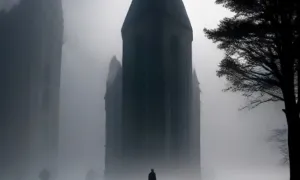
Drag the slider to compare how the landmark may have looked when it was built with the view today.
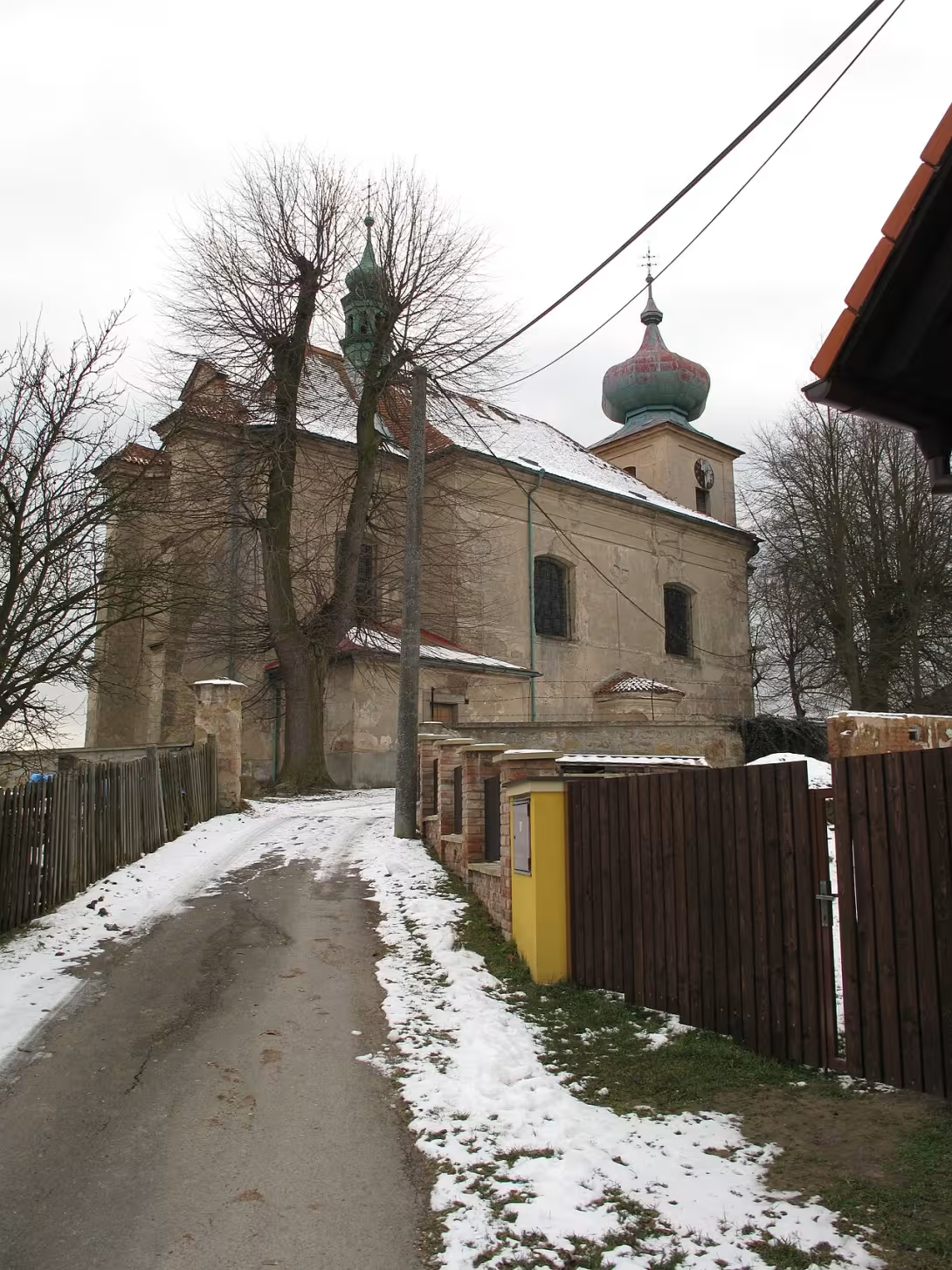
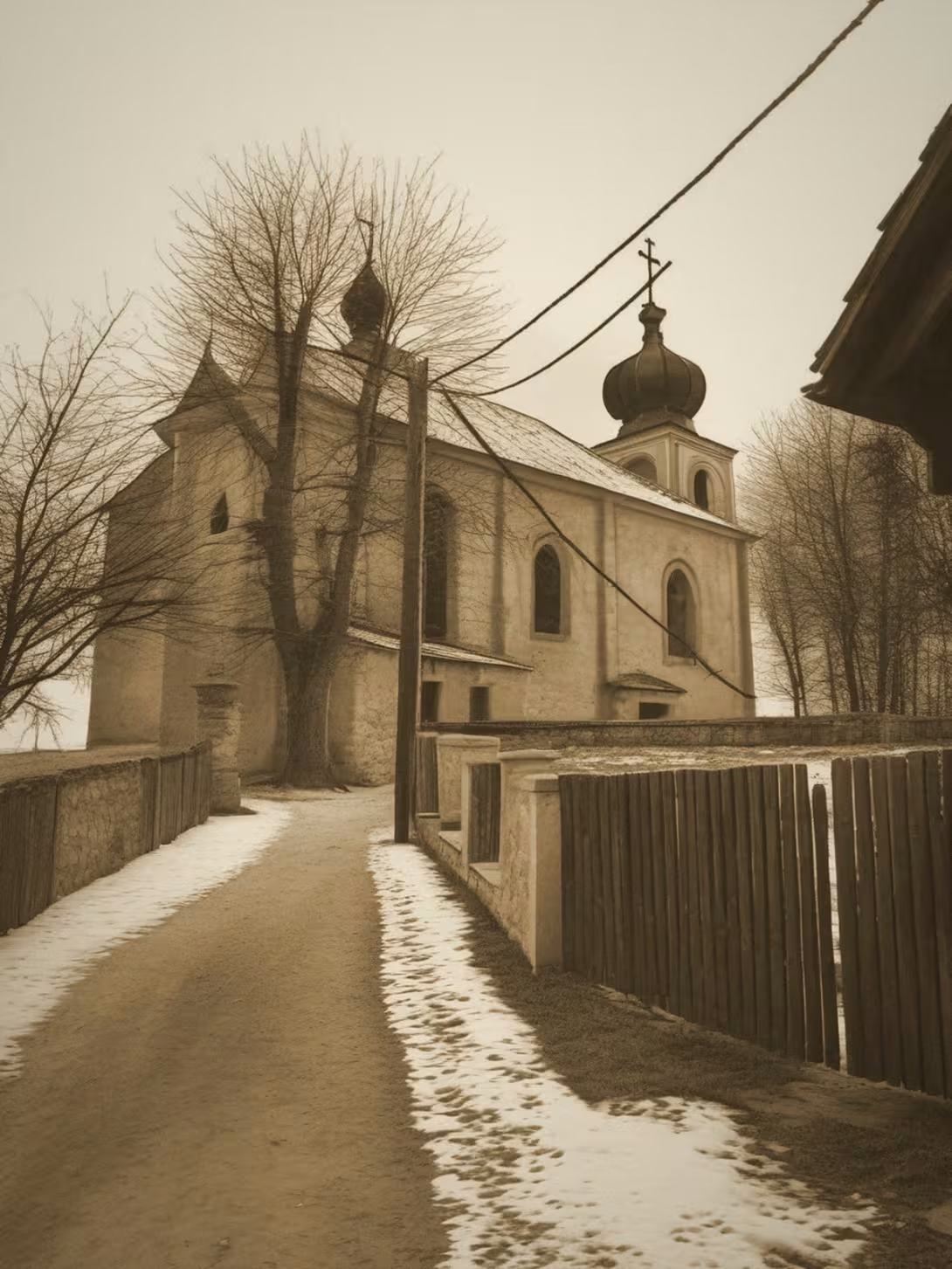
The historical appearance on the left is an AI-generated visualisation and serves as inspiration only.
Historical milestones
- 1070
- A mention of an older medieval chapel.
- 1730
- The construction of St. Nicholas' church has begun.
- 1736
- Main altar construction complete.
- 1790
- Confessor Rococo added to the church.
Architectural development
The Church of Saint Nicholas presents baroque architectural elements, including segmental windows with played arches and arched interior supported by robust Pillasters. The main altar from 1736 offers proposals by F.I. Prée, created by carpenter P. Vyšohlíd and sculptor Josef Jiří Jelínek. Other remarkable accessories include the altar of St. Nicholas F.D. Barbieri and the Confessor Rococo from 1790.
Historical events
the church was built in 1730 under the auspices of Eleonora z Valdštejna.
She replaced the older medieval chapel mentioned in 1070.
Points of interest
- The Church of Saint Nicholas was built on the site of an older medieval chapel from 1070, highlighting the long-standing religious presence in Nučice. - Architect Fr. M. Kaňka collaborated with F. J. Prée and master builder J. Sovenský for its construction and showed a mixture of talents which contributed to baroque style church. - The main altar is the statues of the saints Wenceslas and Vitus, which are supposed to be produced by M. Jelínek, which link it to the remarkable Czech art. - The unique feature in the church is the baptism font made of tin, dated from the beginning of the 17th century, which offers a view of historical liturgical practices. - The Rococo confession from the church, created in 1790, reflects later stylistic evolution in the Baroque period and adds an interesting layer of artistic history.
Guide
This guide is narrated by a synthetic voice generated by artificial intelligence.
Show guide text
This text was created by artificial intelligence and has not been editorially reviewed. It may contain inaccuracies.
Welcome to the church of St. Nicholas in Určice, the magnificent law of Baroque architecture nestled in Středočeský kraj. As you stand before this beautiful building, take a moment to absorb its noble and historical significance. Elegant single-boat construction church is supplemented by rectangular presbytery, two side chapels and an integrated pyramid tower that rises elegantly from the western facade.
Let's immerse ourselves in its origins and rich history. Although our current site dates from 1730 when construction began, it stands on sacred ground with roots reaching up to 1070. The ancient medieval chapel once decorated this place and marked the long-standing religious presence in Jorčice. In 1736 the main altar was completed and in 1790 added another artistic talent to the interior of the Confessor Rococo.
The creation of this church was a joint masterpiece of architect Fr. M. Kaňka who worked alongside F. J. Prée and master builder J. Sovenský. Their common talent brought an architectural miracle that reflects cultural wealth in the early 18th century of Bohemia.
As you explore further, notice how each element contributes to the church of the story. The integration of the lateral chapels and the seamless mixture of baroque design elements are proof of the visionaries behind its creation. Historical characters such as Eleonora z Valdštejna and artists such as P. Vyšohlíd played an important role in shaping this sacred space, adding layers of personal history to the story church.
It is fascinating how the church of St. Nicholas was built in an ancient place - a medieval chapel from 1070. This continuity underlines a deeply rooted spiritual legacy that has been preserved and transformed for centuries.
At the end of our survey, I urge you to further explore this remarkable place. Every corner holds stories waiting to be revealed, every stone whispers stories of the past. Thank you for joining me on this journey through time and architecture at St. Nicholas' church in Jorčice. Safe roads, as you dare further into history.
Frequently asked questions
Can the monument be visited?
Religious buildings are usually open mainly during services; at other times a visit is normally arranged with the parish or the operator. We have not verified specific times.
Where is the monument?
Location: Žerčice, Středočeský kraj. The map on this page shows the exact spot.
Why is the monument protected?
It is listed in the Central List of Cultural Monuments of the Czech Republic as a cultural monument (register no. 29660/2-1773).
Businesses nearby
Do you run a restaurant, accommodation, shop, museum, rental, wellness or other visitor service near this monument? Show yourself directly to the people heading to it — this is how they will see you in the app and on the web:
Nearby
➜ Zobrazit interaktivní přehled okolí – restaurace, ubytování, půjčovny a další místa v okruhu 15 km.
Data: OpenStreetMap contributors, okruh 15 km.
🏰 Historické památky
- Helma (pam. padlým v Napoleonských válkách) (8.2 km)
- 1914-1918 (8.4 km)
- zámek Vlčí Pole (8.6 km)
- Jan Ámos Komenský (10.1 km)
- Svatopluk Čech (10.2 km)
- Muzeum Mladoboleslavska (10.2 km)
- Okresní museum Mladá Boleslav - palác Templ (10.3 km – Krajířova 102)
- Letci II.sv války (10.4 km)
🍽️ Restaurace a stravování
- Pizzeria Diverso (9.6 km – třída T. G. Masaryka 1076)
- Sportbar Astra Crücos (9.6 km – třída T. G. Masaryka 1075)
- Pivnice U Vobrázků (9.7 km – třída T. G. Masaryka 1077)
- Restaurace Zlatá Kovadlina (10.1 km – Železná 33)
- Vinárna (10.3 km)
- Krajní mez (11.9 km)
- U Markvarta (13.1 km – 26)
- Pod Skalou (13.2 km)
🏨 Ubytování
- Nirvana (8.9 km)
- Hotel Stefanie (9.0 km)
- Viva Residence (9.6 km – Viničná 153)
- Hotel Zimní stadion (9.9 km – Viničná 31)
- Motel R10 (9.9 km)
- Hotel U Hradu (10.2 km – Staroměstské náměstí 108)
- Ubytovna Na Letišti (10.2 km – Regnerova 1199)
- Hotel Grunt (10.5 km – Linhartova 1256)
🚲 Půjčovny a sport
- Decathlon (7.5 km – Jičínská 1419)
- Sportisimo (7.7 km)
- Stevens (9.1 km)
- Sport centrum (9.9 km)
- Sokolovna (10.1 km)
- Sport Český Ráj (10.3 km – Nerudova 616/30)
- Sportovní hala (10.6 km)
- Jízdní kola Petr Hlaváč (11.0 km – 17. listopadu 1333)
🥾 Turistika a příroda
- Lhotky (mysl.) (2.6 km)
- Karlovec hájovna (3.8 km)
- Petkovy (5.3 km)
- Veselice (7.0 km)
- Dobrá Voda (8.2 km)
- Vlčí Pole (8.6 km)
- Dolní Bousov, náměstí (9.8 km)
- Info Bus (9.8 km)
Accommodation nearby
Themed route
Thematic Travel Route: Kostel svatého Mikuláše (Žerčice)
1.Kostel svatého Mikuláše (Žerčice) - Type: Religious monument - The reason behind the visit: This Baroque church is carried by a cultural and historical center of the city Žerčice, but also post on architectural beauty 18. Century. Its interior offers rich decorated altars and frescoes, which are set by an example of baroque art in the region.
2. Local rectory - Type: Religious institutions - The standing room: Farovna, located next to St. Nicholas' church, is carried by the administration centre for the main community, but also by the architectural complement of the church. They eat history and relation to the church providing a muzzle view into the religious life of the village.
3. The village at the church - Type: City area - Why is standing behind the wall: The village in front of the church is an ideal bridge for rest and reflection on the prosthetic cube. Historical buildings in the surrounding area of supplied materiality, which make demanding perfect quantity to use small quantities and history.
4. City Park - Type: Green area - The standing area: The city park, located in the close proximity of St. Nicholas' church, offers a quiet area for relaxation and walks. It is the ideal city for those that is determined with respect to incremental beauty and germ with distance after the national church.
This route offers a comprehensive use of cultural and historical life in Nučice, counting the Main City - Church of St. Nicholas, and continuing the dam of the local rectory which has a park.
Seasonal recommendations
Spring: Spring season in St. Nicholas church in Jerčice is a time of restoration and natural splendor, as the surrounding landscape bursts in lively colour with flowering flowers and fresh greenery. This period offers a peaceful atmosphere ideal for the award of architecture church against the background of the awakening nature. Visitors are advised to wear comfortable walking shoes suitable for exploring a fresh surroundings that can still be wet from spring rains. The weather can be unpredictable, so it is recommended that clothes be layered. Since the season marks the beginning of increased tourist activities, arrive early on the day will help to avoid larger crowds and ensure a quieter experience.
Summer: Summer in St. Nicholas' Church provides long hours of the day ideal for exploring the interior of the church and its picturesque surroundings. The lush green increases the historical charm of the church, making it an excellent time to photograph photos with natural lighting. However, it is also a peak tourist season, so visitors should plan their visit during off peak hours such as early morning or late afternoon to avoid the crowd. Light, breathable clothes are recommended due to high temperatures and for sun protection it is recommended to wear a hat and sunscreen.
Autumn: Autumn transforms St. Nicholas' church into a haven of warm colors with its leaf-turning shades of orange, red and gold. Colder weather creates a cozy atmosphere ideal for enjoying the historical atmosphere of the church. This season often sees fewer visitors compared to summer, which allows a more intimate experience. Visitors should dress in layers to adapt to fluctuating temperatures throughout the day, and comfortable shoes are recommended for walking through potentially wet leaves. Morning visits are ideal for capturing the peaceful beauty of autumn without large crowds.
Winter: Winter in St. Nicholas' Church offers a unique charm with snow-covered surroundings that creates a picturesque environment for this historic monument. A short time of day means a visit late in the morning or early in the afternoon is best to make as much natural light as possible, both inside and outside the church. Visitors should dress warmly in layers because temperatures can be relatively cold, and bring robust shoes suitable for walking on potentially icy roads.
Visualizations and artistic views


The visualisations are generated by artificial intelligence and serve as inspiration.
Photos from the area
Real photos taken near the monument


Zdroj a licence jsou uvedeny u každého snímku.
Tips from visitors
No tips yet. Be the first!
Log in and add your tip.
Sources and literature
Photos: Juandev / CC BY-SA 3.0 — Wikimedia Commons. The author and licence also appear when you hover over the image.
Faktickým podkladem tohoto textu byl článek na Wikipedii, jehož autory jsou přispěvatelé Wikipedie. Článek je dostupný pod licencí CC BY-SA 4.0.
Location on the map

Příběhy a pověsti
Legendy, pověsti a příběhy spjaté s touto památkou
Fotografie návštěvníků
Zatím žádné fotografie. Buďte první, kdo přidá fotografii z návštěvy!
Log in a přidejte svou fotografii nebo hodnoťte.
Za ověřenou návštěvu v aplikaci získáte víc bodů — poznáme podle GPS, že jste na místě.
Reviews and comments