






Kostel svatého Mikuláše (Žlutice) Church
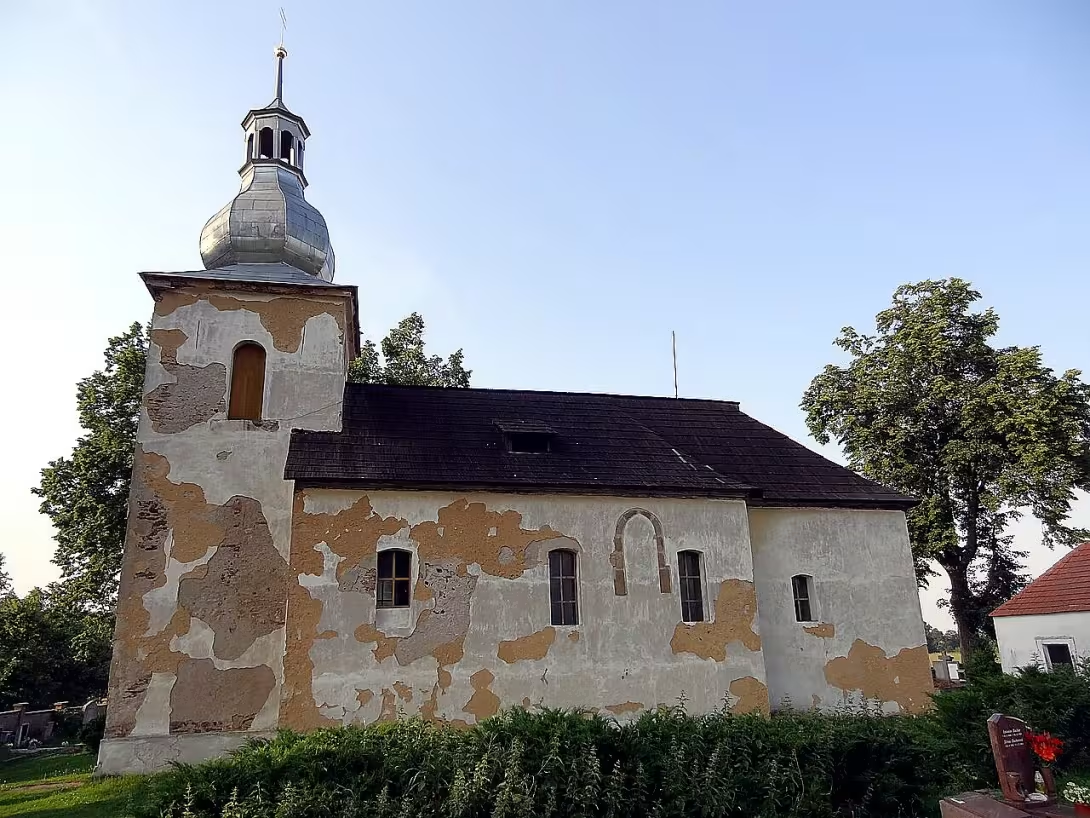
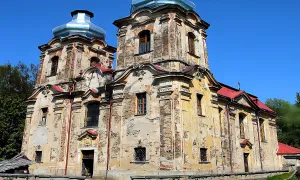
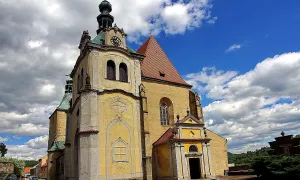
The Church of Saint Nicholas in Žlutice is a Roman Catholic filial church situated about one kilometer northwest of the town center and 800 meters east of Verušice village. Originally constructed in early Gothic style around 1400, it was later transformed into Baroque architecture in 1765. This church stands as a cultural monument within the Czech Republic due to its historical significance and architectural evolution.
Dating back to the early 15th century when Bohemia was part of the Holy Roman Empire, the Church of Saint Nicholas has a rich history. During this period, Gothic architecture, characterized by pointed arches, ribbed vaults, and flying buttresses, was prevalent across Europe. Initially under the jurisdiction of the parish of Středka, which disappeared after 1575 for unknown reasons, the church was mentioned in a purchase agreement by Jindřich IV. z Plavna in 1538, indicating its significance at that time.
Architecturally, the Church began as an early Gothic structure around 1400 and underwent significant changes in 1765 when it transitioned to Baroque style. This included modifications such as replacing higher Gothic windows with narrower, lower rectangular ones. The church features a single-nave rectangular structure with a narrowed presbytery and a tower projecting from the western facade. Notably, the tower has a pyramidal roof transitioning into a bulbous one topped by an open lantern. Inside, it boasts a flat ceiling, a Gothic triumphal arch, and a cross vault over the presbytery without ribs.
Throughout its history, the Church experienced changes in ownership and administration. Initially under the parish of Středka, it later fell under the Žlutický deanery from 1384 onwards. The church's property was linked to Milevský Monastery. After the transition of the Žlutice estate to the Kokořovci in 1575, there are no further records about Středka.
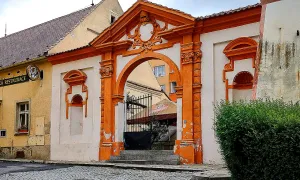
The church is surrounded by a cemetery with a gate and enclosing wall, maintained as part of its heritage. A group of eight (originally ten) linden trees known as Tilia cordata grows around the cemetery, adding to the site's historical charm.
Today, the Church of Saint Nicholas remains an important cultural monument in Žlutice. Restoration efforts have included repairs to the roof and steeple between 2009 and 2010. The church is notable not only for its architectural transformation from Gothic to Baroque but also for its surrounding heritage trees and well-maintained cemetery. Visitors can appreciate its historical significance and architectural beauty, making it a worthwhile destination for those interested in Czech history and architecture.
The Church of Saint Nicholas offers a unique glimpse into the past with its blend of Gothic and Baroque elements, surrounded by nature's own monuments—the linden trees. Its preservation as a cultural monument ensures that future generations can continue to explore and appreciate this historical site. Visitors are invited to experience the tranquility and history embodied by this church, making it a must-see for anyone exploring the Karlovarský region.
Then and now
Drag the slider to compare how the landmark may have looked when it was built with the view today.
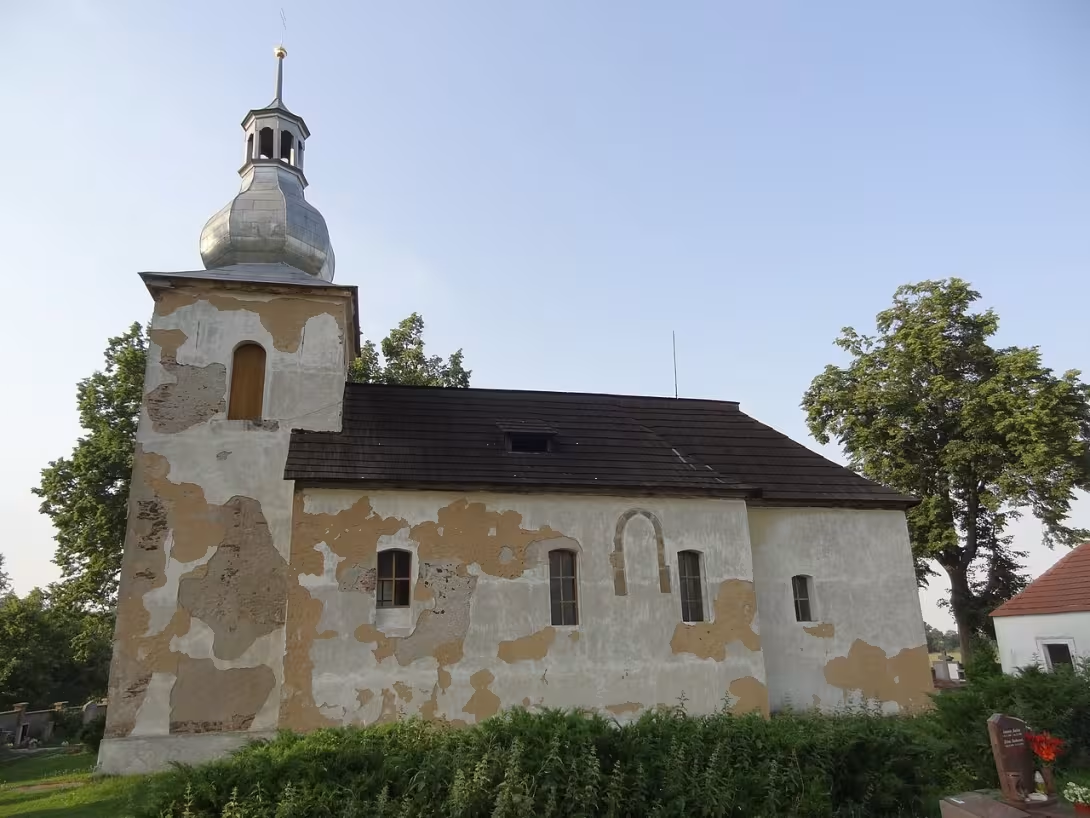
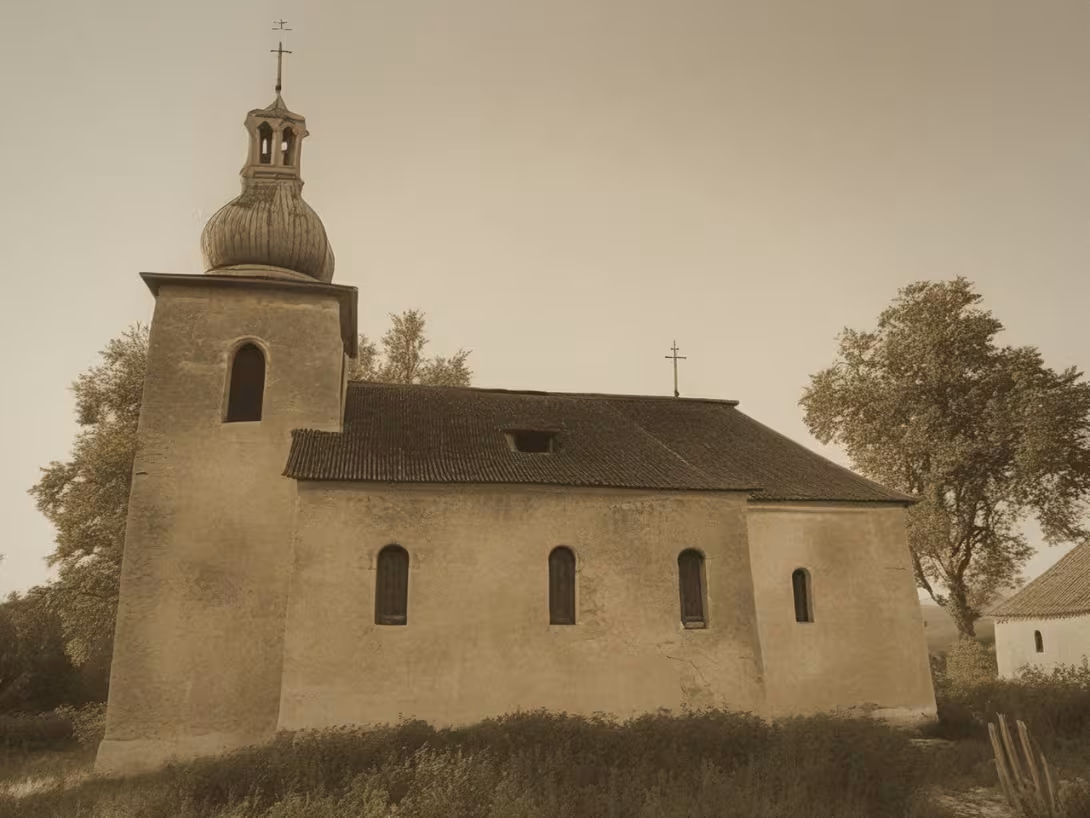
The historical appearance on the left is an AI-generated visualisation and serves as inspiration only.
Historical milestones
- 1538
- The church was mentioned in a purchase agreement.
- 1765
- The church was transformed from Gothic to Baroque style.
Architectural development
Initially constructed as an early Gothic structure around 1400, the Church of Saint Nicholas underwent significant architectural changes in 1765 when it was converted to Baroque style. This included modifications such as replacing higher Gothic windows with narrower and lower rectangular ones. The church's tower features a pyramidal roof transitioning into a bulbous one topped by an open lantern.
Historical events
In 1538, the church was mentioned in a purchase agreement by Jindřich IV. z Plavna.
The village of Středka, under which the church originally fell, disappeared after 1575 with no known reasons.
Points of interest
- Despite its early Gothic origins around 1400, the Church of Saint Nicholas underwent a significant architectural transformation in 1765 when it was converted to Baroque style. This change included replacing higher Gothic windows with narrower, lower rectangular ones, reflecting broader European trends during that era.
- The church's history is intertwined with the mysterious disappearance of its original parish jurisdiction, Středka, after 1575. Although records do not specify why this occurred, it marked a pivotal shift in administrative control to the Žlutický deanery.
- A unique feature of the Church of Saint Nicholas is its surrounding cemetery, which includes a group of eight (originally ten) linden trees known as Tilia cordata. These heritage trees add historical charm and are an integral part of the site's natural landscape.
- The church was once linked to the Milevský Monastery through property ownership, highlighting its connection to broader monastic networks in medieval Bohemia. This association underscores the church's significance beyond just a local religious institution.
- One intriguing aspect is that the church features a Gothic triumphal arch and a cross vault over the presbytery without ribs, blending Gothic structural elements with later Baroque modifications—a testament to its architectural evolution over centuries.
Guide
This guide is narrated by a synthetic voice generated by artificial intelligence.
Show guide text
This text was created by artificial intelligence and has not been editorially reviewed. It may contain inaccuracies.
Welcome to the Church of Saint Nicholas in Žlutice, a remarkable testament to both Gothic and Baroque architectural styles nestled just outside the town center. As you stand here, take a moment to absorb the serene atmosphere surrounding this historic site. The church's single-nave rectangular structure stretches out before you, its presbytery subtly narrowing toward the altar—a design choice that speaks volumes about its layered history.
The origins of this church trace back to the early 15th century when it was constructed in the Gothic style around 1400. It served as a spiritual haven for the local community and has been an integral part of Žlutice's landscape ever since. In fact, by 1538, the church had already secured its place in history, being mentioned in a significant purchase agreement.
Fast forward to 1765, the Church of Saint Nicholas underwent a profound transformation, shifting from its original Gothic roots to embrace Baroque aesthetics. This change is evident as you observe the architectural details: the once higher Gothic windows were replaced with narrower, lower rectangular ones—a reflection of broader European trends during that period. These modifications not only altered the church's appearance but also enriched its historical narrative.
As we delve deeper into this site's past, it's intriguing to note that despite these changes, many aspects of its original structure remain intact, allowing us to appreciate both eras' craftsmanship and artistry. While specific architects or historical figures associated with its transformation are not known, the church stands as a silent witness to the evolving tastes and religious practices over centuries.
One captivating aspect of this church is how it encapsulates a period of transition in architectural history. The blend of Gothic and Baroque elements invites contemplation on how cultural influences and artistic trends have shaped sacred spaces throughout time.
As you continue your exploration, take a moment to wander around the vicinity, absorbing the serene environment that surrounds this historic edifice. Whether you're drawn to its architectural details or simply wish to reflect in its peaceful presence, there's much to discover here.
Thank you for joining us on this journey through history at the Church of Saint Nicholas. We hope your visit has been enlightening and inspiring. As you move forward, may your curiosity lead you to uncover more hidden gems within Žlutice and beyond.
Tips for visitors
The best time to visit the Church of Saint Nicholas in Žlutice is during late spring or early autumn when the weather is mild, allowing for a comfortable exploration of the church and its surroundings. These seasons offer pleasant temperatures and fewer crowds compared to summer months, making it ideal for enjoying the serene atmosphere of this historical site. Additionally, visiting during these times provides an opportunity to witness the natural beauty surrounding Žlutice, with lush greenery in spring or vibrant autumn foliage.
Parking is available near the church, but due to its location approximately one kilometer northwest of the town center, it's advisable to check for parking spaces upon arrival. For those preferring public transport, the church can be accessed via local bus services from Žlutice; however, specific routes and schedules should be verified in advance through a transportation search engine or local tourism office. This ensures a smooth journey to the site without any last-minute surprises.
When visiting the Church of Saint Nicholas, it's recommended to bring comfortable walking shoes as exploring the church grounds and its vicinity might involve some walking. Additionally, carrying a camera is advisable for capturing the architectural beauty of the church and the picturesque landscapes around Žlutice. A light jacket or sweater could also be useful, especially if visiting during cooler months or in the evening when temperatures can drop.
For photography enthusiasts, early morning or late afternoon provides the best natural lighting to capture the Church of Saint Nicholas's architectural details and its serene surroundings. The soft, golden hues of sunrise or sunset enhance the textures and colors of the church, creating stunning visual effects. Exploring the area around the church during these times can also offer unique perspectives and compositions for photography.
Nearby attractions within a 30-minute drive include the village of Verušice, located just 800 meters east of the church. This quaint village offers a glimpse into local life and culture, with its traditional architecture and peaceful landscapes providing a perfect complement to your visit to the Church of Saint Nicholas. For families with children, exploring these nearby areas can be both educational and entertaining, offering insights into the region's history and natural beauty.
Businesses nearby
Do you run a restaurant, accommodation, shop, museum, rental, wellness or other visitor service near this monument? Show yourself directly to the people heading to it — this is how they will see you in the app and on the web:
Events nearby
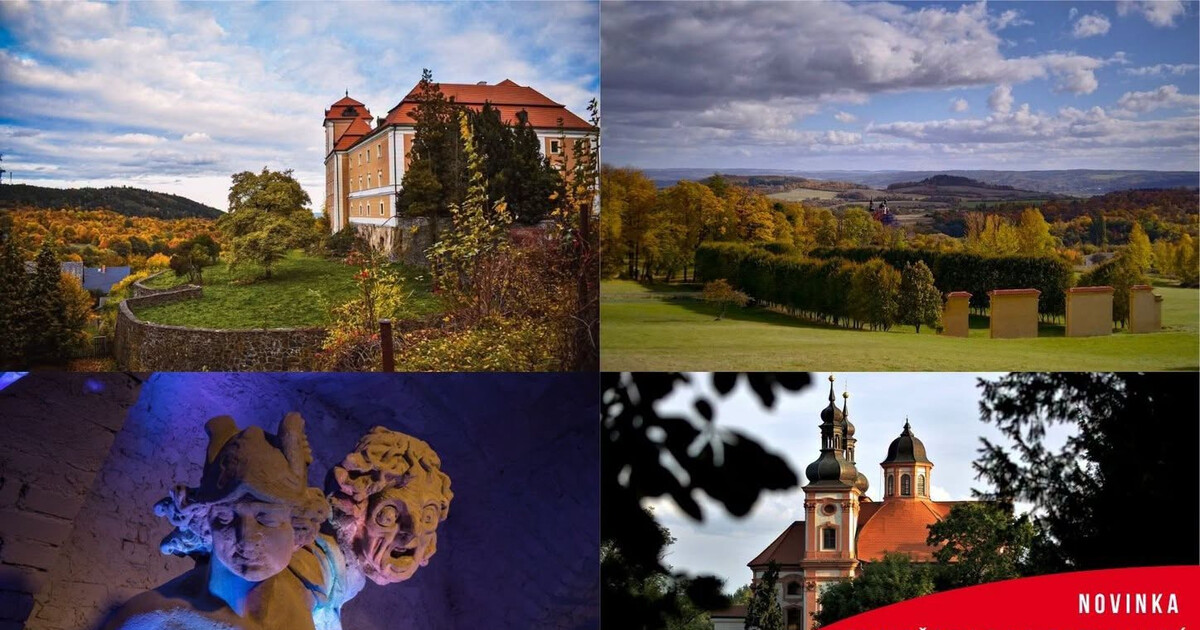

Zdroj akcí: otevřená data měst a obcí ČR (Národní katalog otevřených dat) a kalendář akcí Národního památkového ústavu.
Accommodation nearby
Trips and activities nearby
Guided tours, tickets and activities nearby from GetYourGuide
Affiliate link: if you buy from the partner, we may receive a commission. The price for you does not change.
Search tours and activities →Themed route
Tematická výletní trasa: Kostel svatého Mikuláše (Žlutice)
1. Kostel svatého Mikuláše (Žlutice) - *Typ:* Náboženská památka - *Proč stojí za návštěvu:* Tento barokní kostel, postavený v první polovině 18. století, je krásným příkladem sakrální architektury s bohatou historií a uměleckými prvky. Jeho interiér nabízí návštěvníkům pohled na dekorativní fresky a dřevěné sochy, které přitahují milovníky historie i umění.
2. Kaple svaté Anny (Žlutice) - *Typ:* Kaple - *Proč stojí za návštěvu:* Tato kaple je jednou z nejstarších sakrálních památek v obci, jejíž historie sahá až do 14. století. Je známá svým klasicistním interiérem a nabízí pokojné místo pro meditaci nebo krátkou zastávku během návštěvy kostela.
3. Kostel Nanebevzetí Panny Marie (Žlutice) - *Typ:* Náboženská památka - *Proč stojí za návštěvu:* Postavený v 18. století, tento kostel je dalším přitažlivým místem pro milovníky historické architektury. Jeho bohatá dekorace a umělecké prvky ztělesňují duchovní tradice obce.
4. Zvonice kostela svatého Mikuláše (Žlutice) - *Typ:* Věž - *Proč stojí za návštěvu:* Zvonice, která dominuje místnímu panoramatu, nabízí nejen historický pohled na obec, ale také možnost prozkoumat její architektonické detaily. Je to ideální místo pro pochopení významu zvonů a jejich role ve společenství.
5. Nádvoří kostela svatého Mikuláše (Žlutice) - *Typ:* Nádvoří - *Proč stojí za návštěvu:* Toto místo je ideální pro odpočinek a refleksi po prozkoumání kostela. Nádvoří nabízí klidný prostor, kde si můžete užít přírodního světla a vzduchu, zatímco se díváte na historické stavby kolem.
Tato trasa vás provede skrze náboženské a kulturní památky obce Žlutice, nabízející pohled do její bohaté historie a uměleckého dědictví.
Seasonal recommendations
Spring: The spring season at Church of St. Nicholas (Žlutice) is marked by a lush awakening as the surrounding landscape bursts into vibrant colors with blooming flowers and fresh greenery. This natural beauty enhances the church's historic architecture, creating an enchanting atmosphere for visitors. During this time, mornings can be brisk, so it's advisable to wear layers that you can adjust throughout the day. While the crowds are not yet at their peak, arriving early in the morning allows for a more peaceful exploration of the site.
Summer: Summer brings long days and warm temperatures, making it an ideal time to visit Church of St. Nicholas (Žlutice). The golden sunlight beautifully illuminates the church's stonework, highlighting its intricate details. However, this is also the peak tourist season, so expect larger crowds. To avoid the midday heat and busy times, plan your visit for early morning or late afternoon. Comfortable walking shoes and light clothing are recommended to comfortably enjoy both the historical site and the surrounding natural beauty.
Autumn: Autumn at Church of St. Nicholas (Žlutice) offers a stunning display of fall foliage, with vibrant reds, oranges, and yellows creating a picturesque backdrop for the historic church. The cooler temperatures make it a pleasant time to stroll through the area, though evenings can become quite chilly as the season progresses. Layered clothing is essential to adapt to changing weather conditions throughout the day. This season also sees fewer visitors compared to summer, allowing for a more tranquil experience.
Winter: Winter transforms Church of St. Nicholas (Žlutice) into a serene and magical destination, with snow often blanketing the landscape and giving the church an ethereal appearance. The shorter days mean that visits are best planned early in the day to make the most of daylight hours. Visitors should dress warmly in insulated layers, including hats and gloves, as temperatures can be quite low. While some facilities may have reduced operating hours during this season, the quiet atmosphere provides a unique opportunity for reflection amidst the historic setting.
Visualizations and artistic views


The visualisations are generated by artificial intelligence and serve as inspiration.
Photos from the area
Real photos taken near the monument


Zdroj a licence jsou uvedeny u každého snímku.
Tips from visitors
No tips yet. Be the first!
Log in and add your tip.
Sources and literature
Fotografie: MartinVeselka / CC BY-SA 4.0 — Wikimedia Commons. The author and licence also appear when you hover over the image.
Faktickým podkladem tohoto textu byl článek na Wikipedii, jehož autory jsou přispěvatelé Wikipedie. Článek je dostupný pod licencí CC BY-SA 4.0.
Location on the map
Příběhy a pověsti
Legendy, pověsti a příběhy spjaté s touto památkou
Fotografie návštěvníků
Zatím žádné fotografie. Buďte první, kdo přidá fotografii z návštěvy!
Přihlaste se a přidejte svou fotografii nebo hodnoťte.
Za ověřenou návštěvu v aplikaci získáte víc bodů — poznáme podle GPS, že jste na místě.
Reviews and comments