






kostel svatého Ondřeje v Nelahozevsi Church
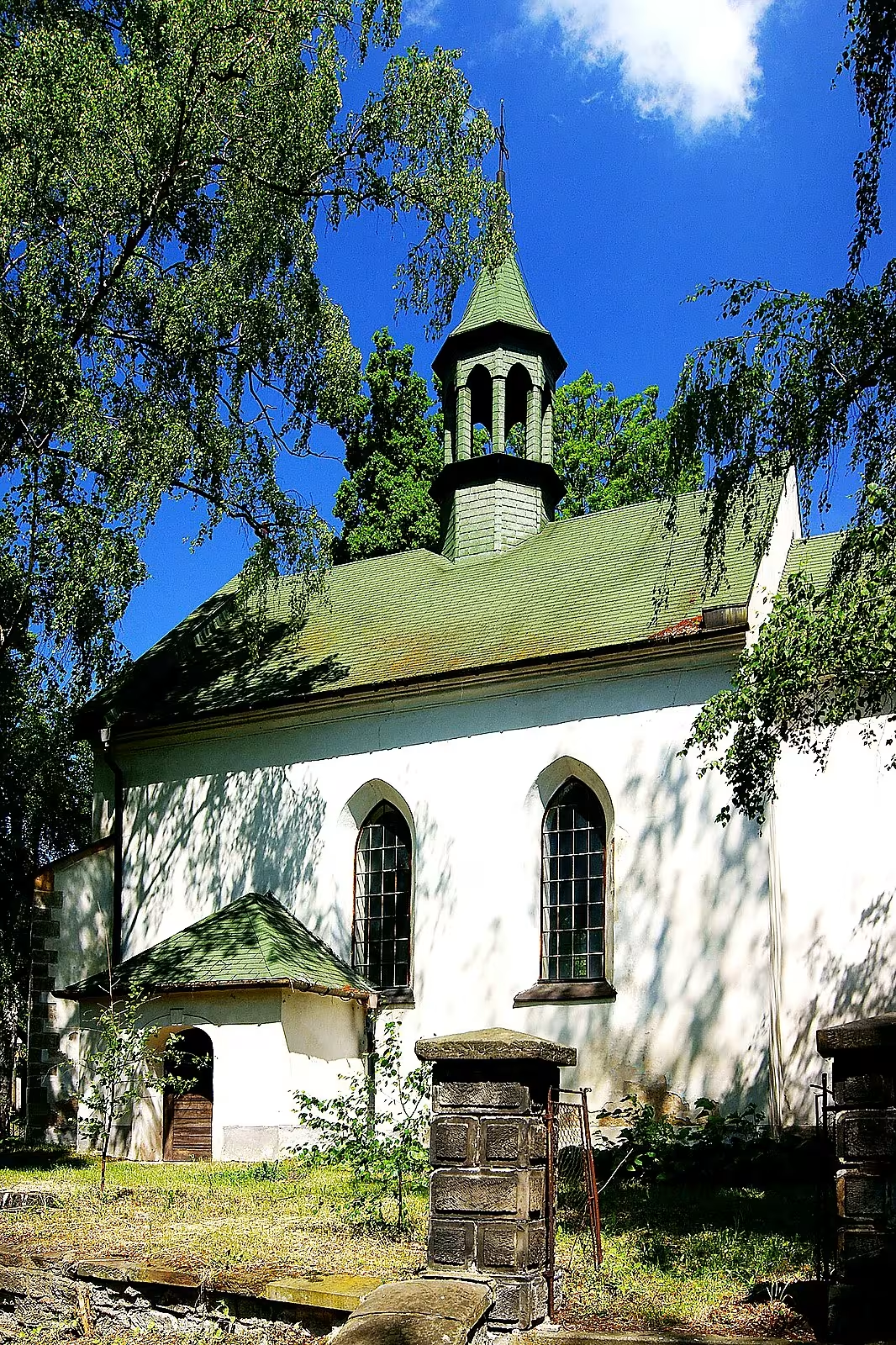
The Church of Saint Andrew in Nelahozeves is a notable historical monument near the railway station and close to the Vltava River. Originally built in the first half of the 14th century, it underwent significant neogothic renovations during the 18th and 19th centuries. This church stands out for its architectural evolution and rich history, reflecting both local and broader European influences from its time.
The origins of the Church of Saint Andrew trace back to the early 14th century when it was first constructed. Its initial purpose as a parish church is documented in 1352, marking an important phase in its historical timeline. Over the centuries, the church experienced several changes in status and ownership. In 1787, it became a filial church before regaining its parish status in 1857. The village of Nelahozeves, along with the church and nearby castle, initially belonged to Czech princes and later to the Prague chapter. Ownership eventually reverted to the monarch, and in 1469, King Jiří of Poděbrad granted it to his advisor Řehoř z Heimbruku, who was later dispossessed. The ownership changed hands multiple times until Florián Gryspek acquired it in 1544.
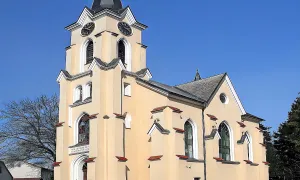
Architecturally, the Church of Saint Andrew is distinguished by its neogothic style, a result of renovations carried out during the 18th and 19th centuries. Its exterior features an oblong nave that concludes with a narrower presbytery supported by buttresses. The western façade is flat without a bell tower, instead offering three portals leading into the church. Internally, the church boasts a ribbed cross vault in the presbytery, while the nave is covered with a wooden truss ceiling. These elements highlight the architectural transition from its original Gothic construction to neogothic enhancements.
Throughout its history, the Church of Saint Andrew has been under various ownerships and administrations, reflecting the turbulent political landscape of Bohemia during the medieval period. Initially owned by Czech princes and later managed by the Prague chapter, the church's control eventually returned to the monarch. The 15th century saw King Jiří of Poděbrad granting the village to his advisor Řehoř z Heimbruku, who was subsequently dispossessed. Ownership frequently changed hands until Florián Gryspek acquired it in the mid-16th century.
The church is home to several intriguing features and artifacts that enhance its historical significance. Notably, it houses an organ from 1881 crafted by Karl Sniffner, which stands out for having six manuals—a rarity for village organs. Additionally, a gothic stone wall tabernacle adorned with a pointed arch and frieze can be found on the southern side of the presbytery. These elements contribute to the church's unique character and historical value.
Today, the Church of Saint Andrew remains an accessible site under the administration of the Římskokatolická farnost Kralupy nad Vltavou since 2005. Its status as a filial church adds to its religious significance in the region. Visitors are drawn not only by its architectural beauty and historical depth but also by its connection to notable figures like Antonín Dvořák, who was baptized here. The church's proximity to Nelahozeves Castle further enhances its appeal as part of a culturally rich area.
The Church of Saint Andrew stands as a testament to the dynamic history and cultural heritage of Nelahozeves. Its architectural evolution from Gothic to neogothic styles mirrors broader European trends while retaining local significance. Visitors are invited to explore this historical monument, where they can appreciate its architectural beauty, delve into its storied past, and experience the serene ambiance it offers by the Vltava River.
Historical milestones
- 1352
- First documented mention of the church as a parish church.
- 1787
- The church was designated as a filial church.
- 1857
- It regained its status as a parish church.
Architectural development
Originally constructed in the early 14th century, the Church of Saint Andrew underwent significant neogothic renovations during the 18th and 19th centuries. The exterior is characterized by flat western façade with three portals leading into the church, while the interior features a ribbed cross vault in the presbytery and a wooden truss ceiling in the nave.
Historical events
- 1352
- First documented mention of the church as a parish church.
- 1787
- The church was designated as a filial church.
- 1857
- It regained its status as a parish church.
Owners
Initially owned by Czech princes and later by the Prague chapter, ownership eventually returned to the monarch. In 1469, King Jiří of Poděbrad granted the village to his advisor Řehoř z Heimbruku, who was later dispossessed. Ownership frequently changed hands until Florián Gryspek acquired it in 1544.
Points of interest
- The Church of Saint Andrew was originally built in the first half of the 14th century but gained its parish status much later in 1857 after initially becoming a filial church in 1787. This shift highlights the evolving ecclesiastical roles and community importance it held over time.
- King Jiří of Poděbrad granted Nelahozeves, including the Church of Saint Andrew, to his advisor Řehoř z Heimbruku in 1469, only for him to be later dispossessed. This reflects the turbulent political dynamics and shifting allegiances during that era.
- The church's organ from 1881, crafted by Karl Sniffner, is particularly unique due to its six manuals, a feature uncommon for village organs of that period. This rarity underscores both the craftsmanship involved and the community's investment in musical heritage.
- Despite undergoing significant neogothic renovations during the 18th and 19th centuries, the Church of Saint Andrew retains elements of its original Gothic architecture, such as the ribbed cross vault in the presbytery, illustrating a blend of historical styles that characterize its structure.
- The church houses a gothic stone wall tabernacle on the southern side of the presbytery, adorned with a pointed arch and frieze. This artifact not only adds to the aesthetic appeal but also serves as a tangible link to its medieval origins.
Guide
This guide is narrated by a synthetic voice generated by artificial intelligence.
Show guide text
This text was created by artificial intelligence and has not been editorially reviewed. It may contain inaccuracies.
Welcome to the Church of Saint Andrew in Nelahozeves, a remarkable historical monument nestled near the railway station and close to the Vltava River. As you stand here, take a moment to absorb its serene presence against the backdrop of this charming locale. The church exudes an aura of timelessness, inviting you on a journey through history.
The Church of Saint Andrew was originally constructed in the first half of the 14th century, marking it as one of the region's significant medieval structures. Initially serving as a parish church, its role evolved over the centuries. In 1787, the church transitioned to a filial status and later regained its importance as a parish church in 1857. This change reflects not only architectural transformations but also shifts in community significance.
As you look around, notice the oblong nave that gracefully leads into a narrower presbytery. The structure is crowned by an intriguing five-sided octagonal closure supported by buttresses, a testament to its neogothic reconstruction during the 18th and 19th centuries. These architectural details invite you to appreciate how historical narratives are etched into every stone.
The church's history is intertwined with notable figures such as Florián Gryspek z Gryspachu, whose influence left an indelible mark on this site. Although many architects remain unnamed, their vision has endured through the centuries, shaping the spiritual and cultural landscape of Nelahozeves.
One particularly intriguing aspect of this church is its journey from a parish to a filial status and back again. This shift highlights the evolving ecclesiastical roles it played within the community, reflecting broader historical currents at play during those times.
As you continue your exploration, let yourself be drawn into the stories that linger in these walls. Feel free to wander around, taking in the atmosphere of this sacred space where history and spirituality converge.
Thank you for joining us on this journey through time. We hope this experience has enriched your understanding of Nelahozeves' heritage. As we conclude our audio guide, we encourage you to explore further and discover more about this fascinating place. Safe travels as you continue your adventure!
Frequently asked questions
Can the monument be visited?
Religious buildings are usually open mainly during services; at other times a visit is normally arranged with the parish or the operator. We have not verified specific times.
Where is the monument?
Location: Nelahozeves, Středočeský kraj. The map on this page shows the exact spot.
Why is the monument protected?
It is listed in the Central List of Cultural Monuments of the Czech Republic as a cultural monument (register no. 35414/2-1389).
Businesses nearby
Do you run a restaurant, accommodation, shop, museum, rental, wellness or other visitor service near this monument? Show yourself directly to the people heading to it — this is how they will see you in the app and on the web:
Events nearby
Zdroj akcí: otevřená data měst a obcí ČR (Národní katalog otevřených dat) a kalendář akcí Národního památkového ústavu.
Nearby
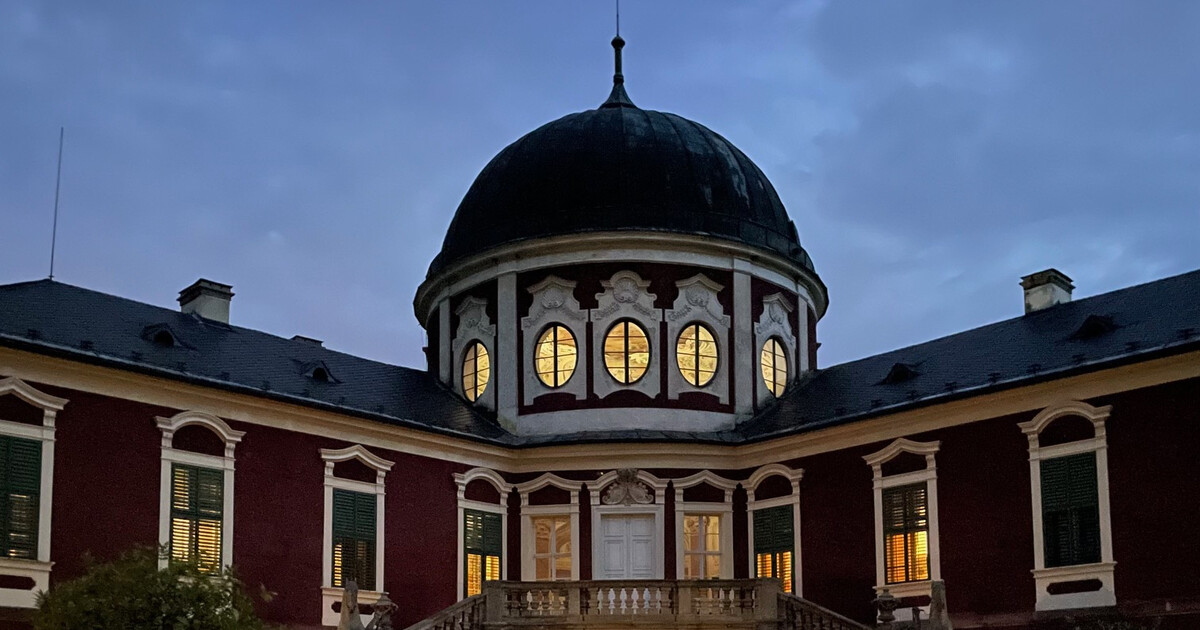
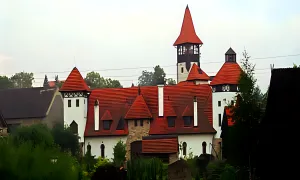
The church is situated in the central part of Nelahozeves near the Prague-Děčín railway line, close to the Vltava River. The area also features the nearby Nelahozeves Castle.
Accommodation nearby
Trips and activities nearby
Guided tours, tickets and activities nearby from GetYourGuide
Affiliate link: if you buy from the partner, we may receive a commission. The price for you does not change.
Search tours and activities →Themed route
Tematická výletní trasa: Nelahozeves a kostel svatého Ondřeje
1. Kostel svatého Ondřeje
- Typ: Kostel
- Proč stojí za návštěvu: Tento barokní kostel, postavený v 18. století, je nejen duchovním centrem obce, ale také architektonickou perli s bohatou historií a uměleckými prvky. Jeho interiér nabízí pohled na krásné fresky a sochy, které přitahují návštěvníky z celého regionu.
2. Nelahozeves Castle
- Typ: Zámek
- Proč stojí za návštěvu: Tento barokní zámek, nacházející se v blízkosti kostela svatého Ondřeje, je známý svou krásnou architekturou a historickým významem. Zámek byl několikrát rekonstruován a sloužil jako inspirace pro mnohé umělce, což jej činí fascinujícím cílem pro milovníky dějin a architektury.
3. Vltava River
- Typ: Řeka
- Proč stojí za návštěvu: Procházka podél Vltavy, která tekne blízko obce Nelahozeves, nabízí klidnou a krásnou příležitost prozkoumat přírodní prostředí. Řeka je ideálním místem pro relaxaci, piknik nebo jen pro užívání pohledu na rozlehlé kraje kolem.
Tato trasa nabízí kombinaci historických a přírodních atrakcí v oblasti Nelahozeves, což ji činí ideální volbou pro ty, kteří chtějí objevit to nejlepší z této malebné lokality.
Seasonal recommendations
Spring: Visiting the Church of Saint Andrew in Nelahozeves during spring offers a unique experience as nature awakens around this historic site. The surrounding gardens and landscapes are adorned with vibrant wildflowers, creating a picturesque setting that enhances the church's architectural beauty. As daylight extends, visitors can enjoy softer natural lighting that highlights intricate details of the building. It’s advisable to dress in layers due to fluctuating temperatures typical of spring weather. Early mornings or late afternoons might be ideal for avoiding larger crowds as locals and tourists alike take advantage of this pleasant season.
Summer: Summer is a popular time to explore the Church of Saint Andrew, with its lush greenery providing a stunning backdrop. The long daylight hours allow visitors ample time to appreciate both the church's interior and exterior in full detail, while the warm weather encourages outdoor exploration of Nelahozeves. However, this season also brings larger crowds, especially during peak tourist times, so arriving early can help avoid the busiest periods. Light, breathable clothing is recommended for comfort as you enjoy the vibrant atmosphere.
Autumn: The autumn months transform the Church of Saint Andrew's surroundings into a tapestry of warm colors with reds, oranges, and yellows dominating the landscape. This season offers a more serene experience compared to summer, with fewer visitors allowing for a peaceful visit. The soft light filtering through the trees can create a magical atmosphere around the church, making it an ideal time for photography enthusiasts. As temperatures begin to drop, wearing comfortable layers is advisable to stay warm during your exploration.
Winter: Winter brings a quiet charm to the Church of Saint Andrew in Nelahozeves, with snow often blanketing the area and adding a tranquil beauty to its historic architecture. The shorter days mean that visitors should plan their visit around available daylight hours, as some services might have reduced opening times. While the cold weather necessitates warm clothing, including hats, gloves, and scarves, it also offers a unique opportunity to see the church in a serene, snow-covered setting. Despite potential icy conditions, winter provides a peaceful backdrop for those looking to experience the site away from the summer crowds.
Visualizations and artistic views


The visualisations are generated by artificial intelligence and serve as inspiration.
Photos from the area
Real photos taken near the monument


Zdroj a licence jsou uvedeny u každého snímku.
Tips from visitors
No tips yet. Be the first!
Log in and add your tip.
Sources and literature
Photos: Stanislav Dusík / CC BY-SA 4.0 — Wikimedia Commons. The author and licence also appear when you hover over the image.
Faktickým podkladem tohoto textu byl článek na Wikipedii, jehož autory jsou přispěvatelé Wikipedie. Článek je dostupný pod licencí CC BY-SA 4.0.
Location on the map

Příběhy a pověsti
Legendy, pověsti a příběhy spjaté s touto památkou
Fotografie návštěvníků
Zatím žádné fotografie. Buďte první, kdo přidá fotografii z návštěvy!
Log in a přidejte svou fotografii nebo hodnoťte.
Za ověřenou návštěvu v aplikaci získáte víc bodů — poznáme podle GPS, že jste na místě.
Reviews and comments