






rodný dům Antonína Dvořáka Museum building
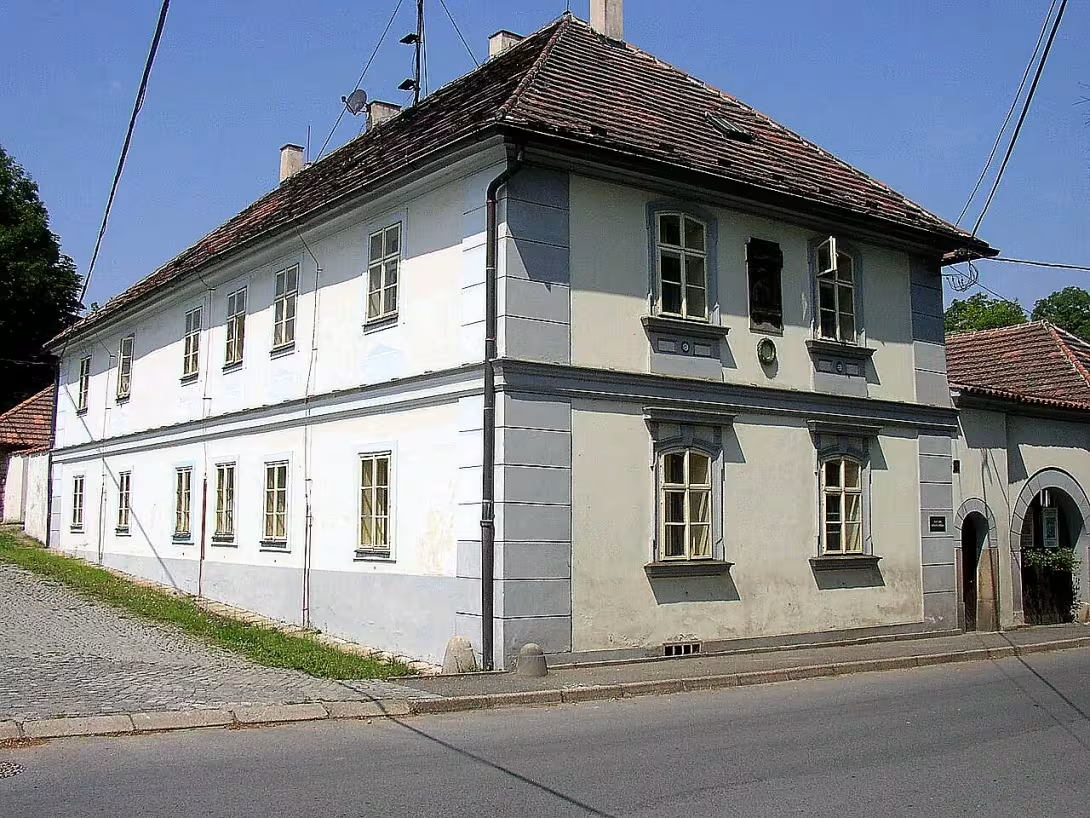
Antonín Dvořák's home house in Nelahozevsi (Mělík district) is a classical building from the end of the 18th century, whose core dates back to the 16th century. This monument is remarkable not only by its historical value but also by its importance for the cultural heritage of the Czech Republic. Today there is an interactive museum that brings the life and work of a composer closer to it.
The house is rooted in the 16th century when it was originally a Baroque building. Over the years, it has undergone several transformations and its current classical form was created at the end of the 18th century. After the fire in 1842, a reconstruction was carried out, but it kept the original ground plan of the ground floor with a pub and three living rooms. The Dvořák family rented the house in 1840.
Building ownership changed over time. In 1817 the Engelhardt family bought it, but already in 1840 it became the owner of the Dvořák family. After many years, namely in 2019, the house was handed over under restitution to the original owners - the Lobkowicz Roudnice branch.
The site has become the center of many important events. The first celebrations of the native took place on his 60th birthday in 1901, when the delegation of the village visited Dvořák in Vysoká and gave him the diploma of honorary citizenship Nelahozevese. Another memorable event was the location of the memorial plate by sculptor František Hnátek in 1913.
Architecturally, it's a classicist building with a valb roof. Even after the fire in 1842, the layout of the ground floor rooms remained the same. The house underwent several repairs, the last of which was completed in 2024.
At present rodný dům Antonína Dvořáka is not only a protected monument but also a visitor centre. The new interactive exhibition, opened in June 2024, focuses on the childhood of the composer and his musical path. The curator and programme manager of the exhibition is the musicologist Eleonora Marie Kinská.
Visiting this place in Nelahozevsi offers not only a view into the life of one of the most important Czech composers, but also an opportunity to explore the rich history and architecture of the region. It is a space where the influence of the Enlightenment period on the Czech cultural heritage can be appreciated while immersing itself in the music world of Dvořák.
Then and now
Drag the slider to compare how the landmark may have looked when it was built with the view today.
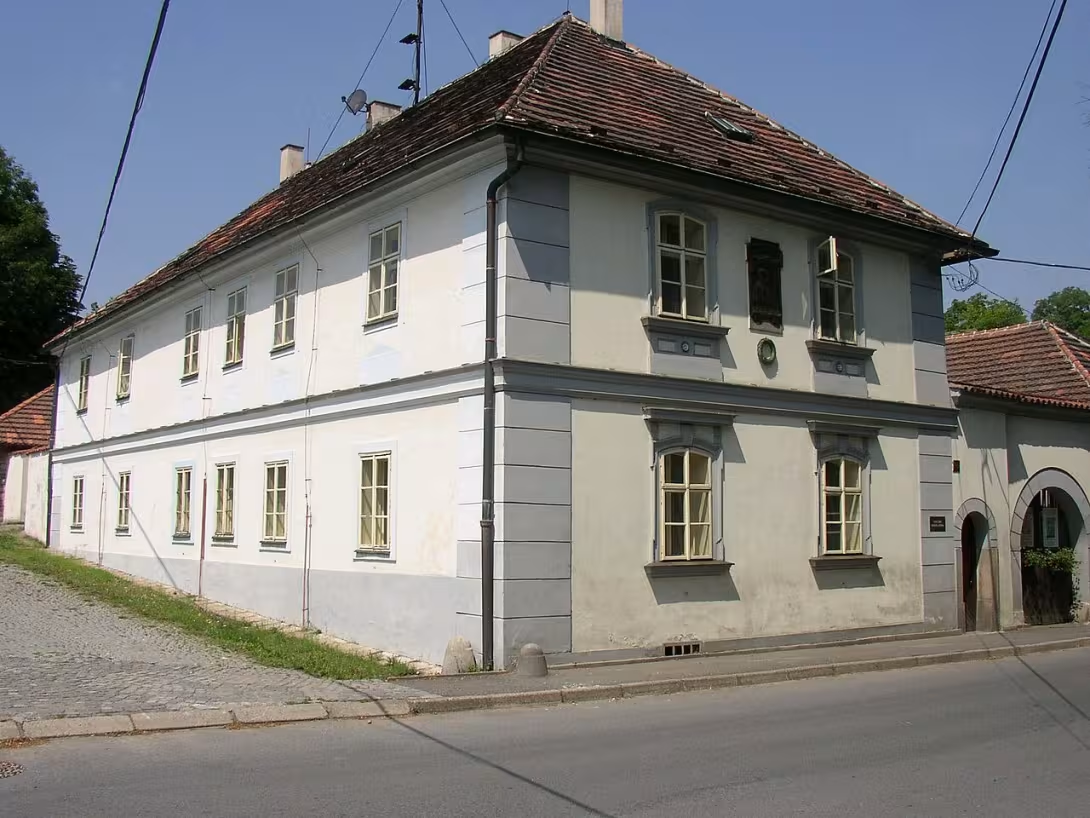
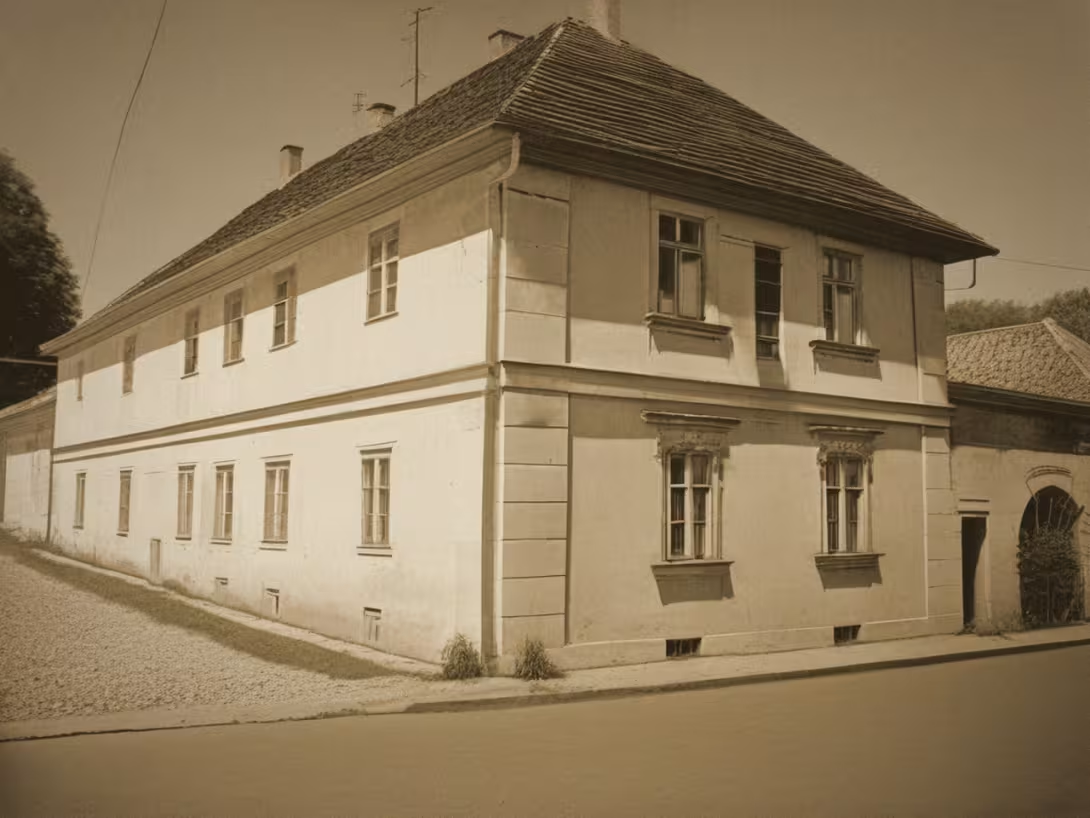
The historical appearance on the left is an AI-generated visualisation and serves as inspiration only.
Historical milestones
- 1841
- Antonín Dvořák was born here.
- 1913
- Planting a memorial plate on the home home.
- 2025
- Opening an interactive museum.
Architectural development
The originally baroque house from the 16th century was rebuilt into a classical form in the late 18th century. After the fire in 1842, the building was reconstructed, but the floor layout of the rooms was preserved. The last reconstruction took place between 1977 and 2024.
Historical events
- 1841
- Antonín Dvořák was born here.
- 1901
- First celebration of a prominent native on his 60th birthday.
- 2025
- The reconstruction of the house and the opening of the interactive museum are completed.
Owners
- 1817
- 1840
- 2019
Points of interest
- The core of the building dates back to the 16th century, when it was originally a Baroque building. - After the fire in 1842 the original ground floor plan with a pub and three living rooms was preserved. - In 2019, the house was handed over under restitution to the Lobkowicz family branch. - In 1913 a memorial plate was placed by sculptor František Hnátek. - In June 2024 a new interactive exhibition was opened, whose curator is Eleonora Marie Kinská.
Guide
Show guide text
This text was created by artificial intelligence and has not been editorially reviewed. It may contain inaccuracies.
Welcome to Nelahozevsi, in the quiet corner of Central Bohemia, where today you will stop in front of a place that is much more than just an ordinary building. You are standing outside the home of one of the most important Czech musical geniuses, Antonín Dvořák. Feel this moment and the atmosphere around you. In front of you is a classical building that radiates its appearance of calm and sobriety typical of the late eighteenth century. It's a house that carries layers of time and tells the story of the simple beginning of a great life.
If you look at the overall form of the building, you see a house that currently serves as a museum, but its history is much more layered. Although the outside face of the house corresponds to the style of classicism, its true beginnings extend far deeper into the past. The core of this building dates back to the 16th century, when the building was originally a Baroque building. It is fascinating to think that the walls that surround us today commemorate centuries of transformations and generations of people who lived and worked here. The house was not always a silent monument to culture. For a long time there was an inn, which made it a living center of local social events, instead of meeting people and exchanging news.
Now pay attention to the architecture itself. Look at the facade and see the proportions of the building. The classicist elements that you see here give the house some dignity and order. Although the particular architects who brought the house into its present form are not known, it is clear that it was a meticulous reconstruction that was meant to reflect the period spirit. Notice how the house fits into the landscape and how naturally it works in the area of Nelahozevsi. It's an architecture that doesn't scream, but whispers about its past.
Right here, in this environment, in 1841 came the world of Antonín Dvořák. Imagine the contrast between the modesty of this house and the monumentality of the symphonies that this man later wrote, which today sounds like the greatest concert halls in the world. Dvořák spent his first years here, perceiving the sounds of nature, local folk songs and the atmosphere of the countryside that accompanied him throughout his creative life. This house was the cornerstone of his identity.
Now let's think about one dramatic moment in the history of the building. Just after the birth of little Antonín, in 1842, the house hit a fire. It might seem that such an event would completely change or destroy the building, but paradoxically, it is precisely because of the way the house was subsequently repaired that we have a rare insight into its original form today. The original ground plan of the ground floor was preserved after the fire. This means that even today we can perceive the layout of the premises where the pub and three living rooms were located. It is unique to abhor what everyday life looked like in the middle of the nineteenth century in a small Czech town.
If you observe the house, notice the commemorative plaque as well. It was placed on the facade in 1913, 10 years after the death of the composer. The board created by the sculptor serves as a constant reminder that this is where the story of the music master began. It is a symbol of the nation's gratitude and recognition of the importance of a man who has been able to combine Czech folk taste with the highest standards of world music.
But time passed, and the house went through modern changes. In 2019, a significant legal step took place when the house was handed over to the Lobkowicz family as part of the restitution. This change of ownership has helped ensure future care for the memory. In 2024, the house went through a complex reconstruction that breathed new life into it. The aim was not only to preserve historical substance, but to prepare space for a modern way of telling stories.
And so we came to the present. An interactive museum opened in 2025. This is not just a collection of old objects behind glass, but a space that wants to actively involve you in the world of Antonín Dvořák. The museum is designed to provide you with insight into the inner world of the composer, his inspiration and his path to recognition. It's a bridge between the past and the present, where history meets modern technologies to help you better understand who Dvořák really was.
Stop for a moment and try to imagine what the noises sounded like over a century ago. Treework, guest calls at the pub, and perhaps the first clumsy tone of musical instrument in the hands of a young boy. It is fascinating that this building, which survived fires, changes in regimes and owners, is still standing and today welcomes us as a witness to history.
Now that you know the story of this house, its architecture and the personalities that were connected to it, it's time to enter. I invite you to cross the threshold of this house and be guided by the interactive world of music and life of Antonín Dvořák. Discover the details that await you in the interior, and let yourself be carried away by the melodies that have found their beginning in these walls.
I wish you an inspirational tour and remember to perceive the silence between the tones that will accompany you in this house. Welcome inside.
Tips for visitors
For the best experience we recommend a visit in calmer times of the year or during working days when there are fewer visitors in the interior and you can better enjoy the atmosphere of the historic apartment.
The monument can be reached by car and public transport; Please check the current parking possibilities in Nelahozevsi and specific transport links in pre-prepared routes or on the carrier's website.
It is advisable to bring change for on-the-spot payments and comfortable footwear for movement in historical areas.
If you plan to photograph the exterior of the building, the best light is during the golden hour when reflected on the facade; In the interior it is necessary to follow the current rules of the museum regarding the use of lightning.
For families with children, the tour is interesting thanks to stories associated with the life of a famous composer, which can motivate children to learn about history during the journey.
Businesses nearby
Do you run a restaurant, accommodation, shop, museum, rental, wellness or other visitor service near this monument? Show yourself directly to the people heading to it — this is how they will see you in the app and on the web:
Nearby
XXXHistorical monuments (91)
- Museum Antonín Dvořáka 0.0 km
- Castle Nelahozeves 0.2 km web
- Memorial of Václava Jírová 0.5 km
- Memorial of the Empress 0.8 km
- Gallery VK 37 1.9 km
- Torzo statue of St. John Nepomuk 1.9 km
- Jaroslav Seifert 2.1 km
- Jaroslav Vrchlický 2.1 km
- Four annual periods 2.5 km
- Immortal 2.5 km
- Municipal Museum 2.5 km Vrchlický 590 / 9
- Stop Gymnasium 2.6 km
- Veltruse Castle 2.6 km Island 59 + 420 315 781 146 web
- Tomb of unknown private 2.6 km
- Saint Jan Nepomucký 2.7 km
- Monument Richard van der Schotta 2.9 km
- Mars 3.6 km
- Egyptian Pavilon 3.9 km
- Château 4.4 km
- Fortress Museum Sazena 5.0 km
Restaurant and catering (246)
- U 0.1 km
- V Subtitle 0.2 km
- Castle Restaurant 0.2 km
- Marina Vltava 0.4 km
- U Václava 1.0 km
- U Aleše 1.4 km
- U Kincla 1.4 km
- Pizza Place 1.5 km
- Aramark 1.6 km
- U Zivce 1.7 km
- U Libushe 1.7 km
- Restaurant near Libushe 1.7 km
- Blue passage 1.8 km
- Firefly 1.8 km
- Šalandax5ZX 2.0 km m.J. Seiferta 706
- Istanbul Kebab 2.0 km
- U Czech Crown 2.0 km
- Chemik 2.0 km
- Longberry 2.1 km
- Restaurant on Diviny 2.1 km
Accommodation (25)
- Tourist hostel K.Č.T. 0.9 km
- Libushe 1.7 km
- Na Zavis 2.1 km Palacký 125 web
- Hostel Viktor 2.2 km
- Autocamp OboraxZ4ZX 2.4 km
- Josef Kubovsky 2.6 km
- Accommodation To Lands 3.1 km Premysova 137 / 2 + 420 603535402 web
- Lake Vojkovice 5.9 km Vojkovice 169 web
- Statek 1738 5.9 km
- Vojkovna 6.2 km
- U Jordan 7.4 km
- Guesthouse Hudec 11.0 km + 420 728 937 382
- Hotel Amamyka 11.2 km
- Penzion Jasonou 11.8 km Dvořák 238
- Allegro 12.2 km Čsl. Army 281 / 5 + 420 777 802 773 web
- U St. Wenceslas 12.3 km
- MiladaxZ4ZX 12.6 km
- Olga 12.6 km
- Academic 12.9 km Tyršovo us. 2222 web
- Tramp village of Praetec Čecha 13.0 km
▶ Rental and Sport (32)
- Marina Vltava 0.4 km
- Port Nelahozeves 0.5 km
- Kubiček 1.3 km
- Sport Palas 1.9 km Ježko 723 922 303 web
- cycloservis 2.1 km
- Ekor 2.1 km + 420 315 723 620
- JC Cycloservis 2.1 km
- Swimming Pool 2.1 km V Luhu 1089
- Badminton Kralupy 2.2 km
- Derfl 2.5 km Palacky to us. 1092 + 420 315 725 301 web
- gym + bowling 2.5 km Podřipská 914
- _ 2.5 km
- Bohemia Kralupy 2.7 km
- Jiří Katona CYCLOSPORT 5.2 km
- Sportisimo 5.3 km Rudolf Diesel 506
- Sports shooting range 6.0 km
- Otvovice swimming pool 6.4 km
- TJ Sokol Hostin 7.4 km
- Multi-function boiler centre 8.4 km
- Sokol Libchice 8.6 km Square Freedom 249
© Tourism and Nature (140)
- U Janáče 0.2 km
- Strach halda 1.0 km
- Jaroslav Seiferta 2.1 km
- Laudon Pavilon 2.2 km
- øoil 2.3 km
- Hostibejk 2.3 km
- Dór pavilon 2.9 km
- XZ0 XCave 2.9 km
- Veltrun Castle Park 3.2 km
- Radovich 3.6 km
- Prospect Radovich 3.8 km
- Egyptian Pavilon 3.9 km
- Sfinga 4.0 km
- Nehod 4.1 km
- Pavilón Marie Theresa 4.2 km
- Spray ravine at Gekh 4.7 km
- park at school 4.8 km
- Sv. Jan Nepomucký 4.9 km
- Renaissance hospital 4.9 km
- Baroque Cheese 4.9 km
Accommodation nearby
Trips and activities nearby
Guided tours, tickets and activities nearby from GetYourGuide
Affiliate link: if you buy from the partner, we may receive a commission. The price for you does not change.
Search tours and activities →Themed route
1. Birth house Antonín Dvořák - museum exposition, type: museum. You will recognize the life and work of a famous composer through his personal belongings. 2. Tanks at the house, type: area. You'll walk in a quiet space right by the historic building. 3. Park by the museum, type: park. You will find a place to relax near the monument.
Seasonal recommendations
Spring in Nelahozevsi brings awakening nature and fresh colors around the museum. The soft spring light highlights the details of the facade of the house and creates an optimistic atmosphere. I recommend wearing layered clothes because weather is very variable in this period. It is best to visit the memory in the morning when the air is the cleanest.
The summer season is characterized by dense greenery and intense sun, which creates a rich, lively atmosphere. Expect a larger number of visitors in the main season, so come right at the opening to avoid the biggest crowds and heat. Choose light, breathable clothes and don't forget enough fluids.
Autumn offers a melancholy mood that matches the creation of a famous composer, and golden leaves in the surrounding gardens. A misty wound gives the place a special mystery and peace. It's practical to carry a waterproof coat or umbrella for frequent collisions. The ideal time for a tour is late afternoon when the landscape shines with warm tones.
In winter, Nelahozevsi has a quiet and freezing purity that underlines the architecture of the building. The interior of the museum works in contrast to the outside cold very cosy. In advent time, I recommend checking in advance the shortened opening hours and choosing really warm, thermal clothes and shoes so that the frost does not prevent you from experiencing history.
Visualizations and artistic views


The visualisations are generated by artificial intelligence and serve as inspiration.
Photos from the area
Real photos taken near the monument


Zdroj a licence jsou uvedeny u každého snímku.
Tips from visitors
No tips yet. Be the first!
Log in and add your tip.
Sources and literature
Fotografie: neuveden / Public domain — Wikimedia Commons. The author and licence also appear when you hover over the image.
Faktickým podkladem tohoto textu byl článek na Wikipedii, jehož autory jsou přispěvatelé Wikipedie. Článek je dostupný pod licencí CC BY-SA 4.0.
Location on the map
Příběhy a pověsti
Legendy, pověsti a příběhy spjaté s touto památkou
Fotografie návštěvníků
Zatím žádné fotografie. Buďte první, kdo přidá fotografii z návštěvy!
Přihlaste se a přidejte svou fotografii nebo hodnoťte.
Za ověřenou návštěvu v aplikaci získáte víc bodů — poznáme podle GPS, že jste na místě.
Reviews and comments