





Kostel svatého Václava (Běhařovice) Church
Objekt se nedochoval — na místě dnes nestojí. Následující text popisuje jeho historii, ne současnou návštěvu.
The Church of Saint Wenceslas in Běhařovice was once a small Romanesque church that served as the parish church until its demolition in 1802. Located in Běhařovice, Jihomoravský kraj, this historical monument is notable for both its architectural style and turbulent history marked by fires and eventual replacement. Although it no longer stands, remnants of its existence are cherished through a chapel built on its site.
The first documented mention of the Church dates back to 1349, when parish priest Sobynco is referenced in the zemské desky (land registers). This suggests that by this time, the church was already an established structure within the community. The exact date of its construction remains unknown, but it is assumed to have been built during a period when Romanesque architecture was prevalent in Bohemia, characterized by thick walls and small openings. During its existence, Běhařovice experienced significant historical events, including the Hussite Wars and the Thirty Years' War, which brought widespread devastation across the region.
Architecturally, the Church featured a single-nave design with an apsidal end, typical of Romanesque churches. Its thick walls and small windows and doors were adorned with reliefs on both the portal and interior walls, adding to its artistic value. Despite these features, the church suffered significant damage from fires in 1577 and again in 1626 during the Swedish occupation, leaving it dilapidated despite repair attempts.
Ownership of the church transitioned over time, with notable figures such as Jiří Kryštof Teuffel playing a role in its history. After the fire in 1577, Teuffel initiated construction of a new Church of the Holy Trinity nearby, which eventually became the parish church. The original church continued to serve until it was completely demolished in 1802, with its materials repurposed for local school construction.
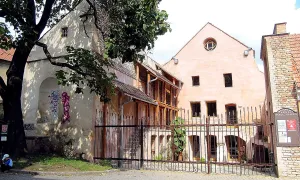
Key events include the fires of 1577 and 1626, which significantly damaged the structure. Despite repairs, these incidents left the church in poor condition, leading to its eventual replacement by the Church of the Holy Trinity. In 1826, a small chapel dedicated to Saint Wenceslas was built on the site where the original church once stood. This chapel incorporated reliefs from the old church, including a depiction of the crucified Christ and two female figures, preserving elements of its artistic heritage.
Today, while the Church of Saint Wenceslas no longer exists as a physical structure, its legacy endures through the chapel that stands in its place. Visitors can explore this site to gain insight into the historical and architectural significance of the original church. The chapel serves not only as a reminder of the past but also as a testament to the resilience and continuity of cultural heritage in Běhařovice. This monument, though no longer standing, remains an important part of local history and is worth visiting for those interested in exploring the rich tapestry of Bohemian architectural and historical narratives.
Historical milestones
- 1349
- First documented mention of the church with reference to parish priest Sobynco.
- 1577
- The church was significantly damaged by a fire, leading to its dilapidated state despite repairs.
- 1626
- Another devastating fire during the Swedish occupation further destroyed the church.
Architectural development
Originally built in a Romanesque style, the Church of Saint Wenceslas had thick walls and small openings. After suffering damage from fires in 1577 and 1626, it underwent repairs but remained in poor condition. A new church was constructed nearby, leading to its eventual demolition in 1802.
Historical events
- 1349
- First documented mention of the church with reference to parish priest Sobynco.
- 1577
- The church was significantly damaged by a fire, leading to its dilapidated state despite repairs.
- 1626
- Another devastating fire during the Swedish occupation further destroyed the church.
- 1802
- The church was completely demolished and its materials were repurposed for local school construction.
Points of interest
- The Church of Saint Wenceslas was documented as early as 1349 in the zemské desky, indicating it played a significant role in the community long before its eventual demolition. - Despite being constructed during the Romanesque period, known for its sturdy and simple designs, the church featured intricate reliefs on both its portal and interior walls, showcasing an unexpected artistic flair.
- The church's ownership transitioned over time, with figures like Jiří Kryštof Teuffel playing a pivotal role; after the 1577 fire, he initiated the construction of the Church of the Holy Trinity nearby, which eventually replaced it as the parish church.
- In a remarkable act of preservation, reliefs from the original church were incorporated into the small chapel built in 1826 on its site, including a depiction of the crucified Christ and two female figures, maintaining a connection to its artistic heritage.
- The Church of Saint Wenceslas endured significant damage during both the Hussite Wars and the Thirty Years' War, highlighting its resilience amidst widespread regional devastation.
Guide
This guide is narrated by a synthetic voice generated by artificial intelligence.
Show guide text
This text was created by artificial intelligence and has not been editorially reviewed. It may contain inaccuracies.
Welcome to the historic site of Kostel svatého Václava in Běhařovice. As you stand here, imagine the remnants of a once majestic Romanesque church that played a vital role in this community for centuries. Though it no longer stands today, its story is etched into the fabric of history.
The Church of Saint Wenceslas was first documented back in 1349, marking it as an integral part of Běhařovice's spiritual life. At that time, parish priest Sobynco served here, overseeing a small yet significant place of worship for the local community. This church wasn't just any building; it was a testament to the Romanesque period's architectural style—characterized by its sturdy and simple designs.
As you look around this site, envision the thick walls that once defined the church, with their small windows and doors. The exterior would have been adorned with intricate reliefs on both the portal and interior walls, showcasing the artistry of an era long past. These details speak to a time when craftsmanship was as much about function as it was about beauty.
The history of this church is marked by resilience in the face of adversity. In 1577, a devastating fire severely damaged the structure, leaving it in disrepair despite attempts at restoration. The community's determination saw it through that crisis, but another challenge awaited. During the Swedish occupation in 1626, yet another catastrophic fire struck, further destroying what remained of this beloved church.
Despite its eventual replacement by the new Church of the Holy Trinity, the legacy of Kostel svatého Václava endures. It reminds us of the community's resilience and the historical figures like Sobynco who played pivotal roles in its story.
Now, as you stand here, take a moment to appreciate not just what was lost but also what remains—the spirit of a place that once served as a beacon for faith and community. Let this site inspire you to explore more about Běhařovice's rich history and the stories embedded within it.
Thank you for joining us on this journey through time, and we invite you to continue discovering the wonders of Jihomoravský kraj. Safe travels as you uncover more hidden gems in this historic region.
Businesses nearby
Do you run a restaurant, accommodation, shop, museum, rental, wellness or other visitor service near this monument? Show yourself directly to the people heading to it — this is how they will see you in the app and on the web:
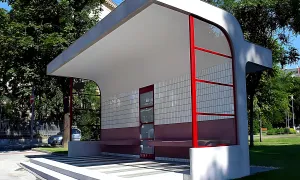
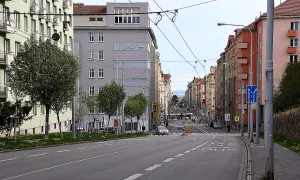
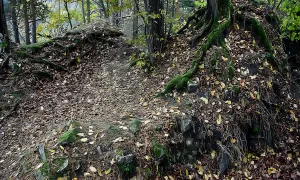
Visualizations and artistic views

The visualisations are generated by artificial intelligence and serve as inspiration.
Tips from visitors
No tips yet. Be the first!
Log in and add your tip.
Sources and literature
Faktickým podkladem tohoto textu byl článek na Wikipedii, jehož autory jsou přispěvatelé Wikipedie. Článek je dostupný pod licencí CC BY-SA 4.0.
Location on the map


Příběhy a pověsti
Legendy, pověsti a příběhy spjaté s touto památkou
Fotografie návštěvníků
Zatím žádné fotografie. Buďte první, kdo přidá fotografii z návštěvy!
Log in a přidejte svou fotografii nebo hodnoťte.
Za ověřenou návštěvu v aplikaci získáte víc bodů — poznáme podle GPS, že jste na místě.
Reviews and comments