






Kostel svatého Václava (Holubice) Church
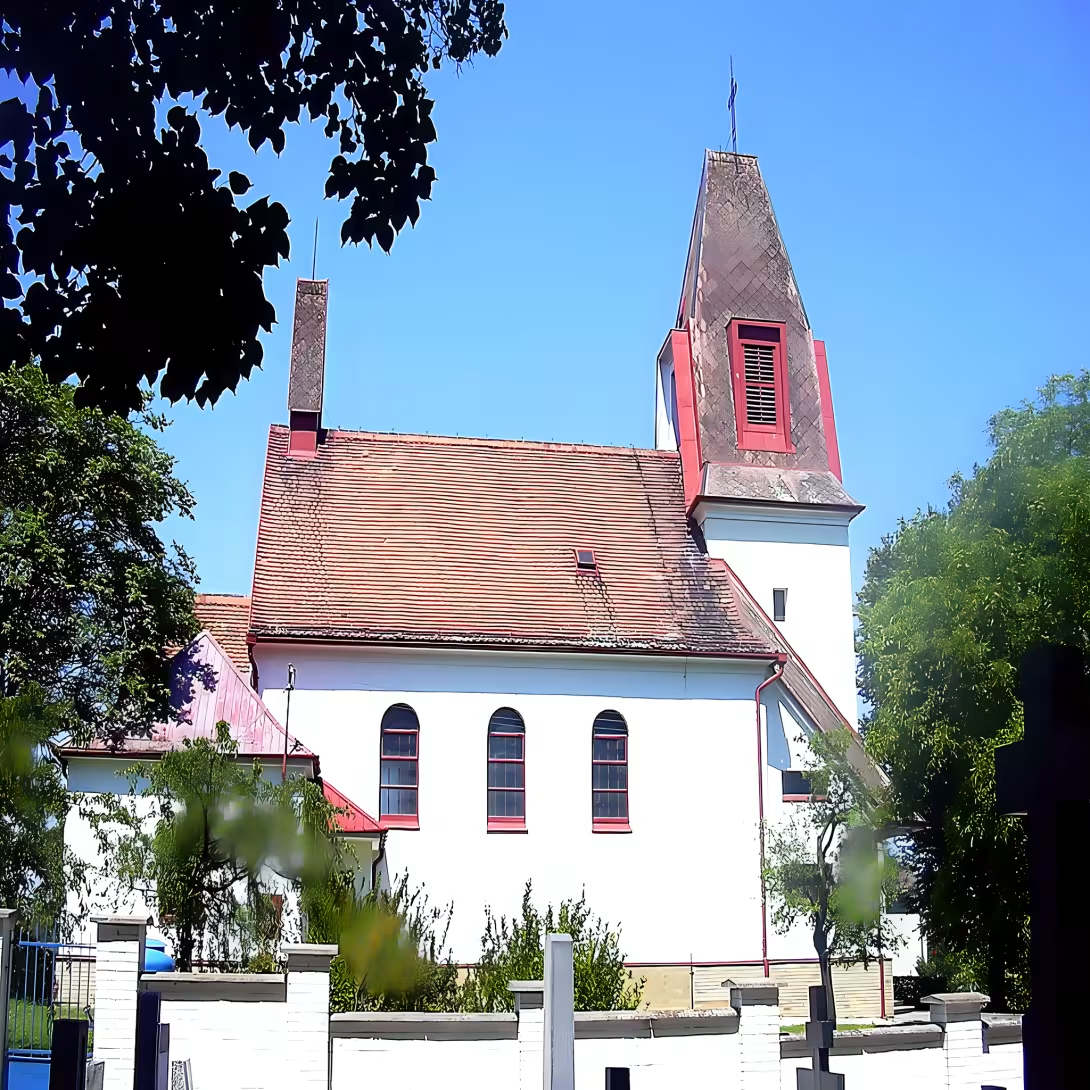
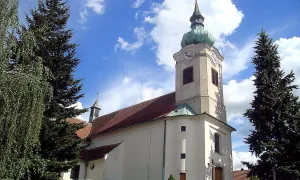
The Church of Saint Wenceslas in Holubice is a Roman Catholic church located in the village of Holubice within the Vyškov District. Constructed and inaugurated on July 14, 1929, it serves as a filial church to the parish of Pozořice. This monument stands out for its community-driven origins and historical significance during a transformative period in Czechoslovakia's history.
The Church was built when Czechoslovakia had recently emerged as an independent nation following World War I. The late 1920s were marked by efforts to solidify national identity and cultural heritage amidst broader European political changes. In this context, the construction of the church reflects both local community involvement and the broader nationalistic spirit of the era. Financed through collections from local residents, the building process underscores a collective effort to establish a place of worship for the village's spiritual needs.
Architecturally, the Church was designed in a contemporary style typical of the late 1920s. This period saw an embrace of modernist elements in architecture, reflecting broader trends across Europe. The church initially featured four bells crafted by Rudolf Manoušek's foundry, adding to its aesthetic and auditory appeal. However, these bells were confiscated during World War II in 1943, a common fate for many cultural artifacts during the conflict. In 1972, new bells were acquired, restoring an important element of the church’s original design.
Throughout its history, the Church has remained under the administration of the Roman Catholic Church, serving as a filial church to the parish of Pozořice. This connection highlights its role within the larger ecclesiastical structure and community life in the region. The confiscation and subsequent replacement of the bells are notable events that reflect both the impact of global conflicts on local communities and their resilience in preserving cultural heritage.
Today, the Church of Saint Wenceslas stands as a testament to the historical and cultural journey of Holubice and its residents. It remains accessible to visitors who wish to explore its architectural features and understand its place within the broader narrative of Czechoslovak history. The church is not only a site of religious significance but also a symbol of community spirit and perseverance through challenging times.
Visiting the Church offers an opportunity to connect with the rich tapestry of local history and appreciate the enduring legacy of communal effort in building places of worship that continue to serve their communities. Its story is one of resilience, cultural identity, and the power of collective action, making it a worthwhile destination for those interested in exploring Czech heritage.
Then and now
Drag the slider to compare how the landmark may have looked when it was built with the view today.
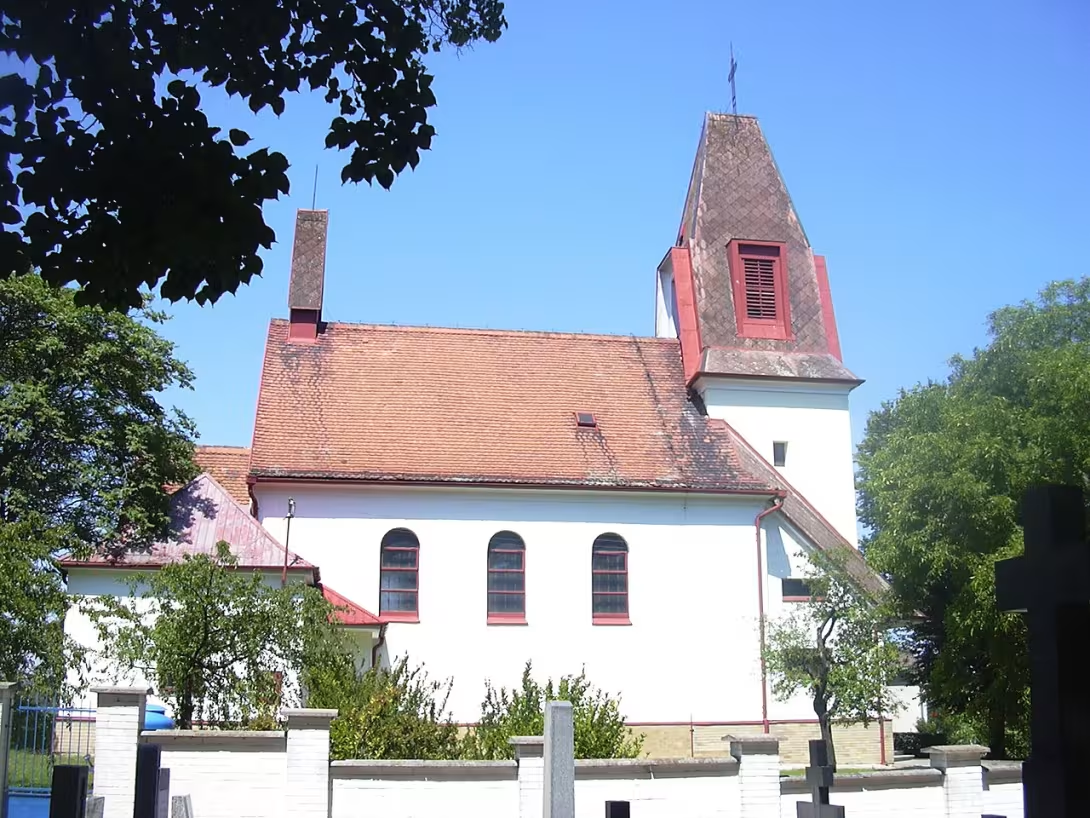
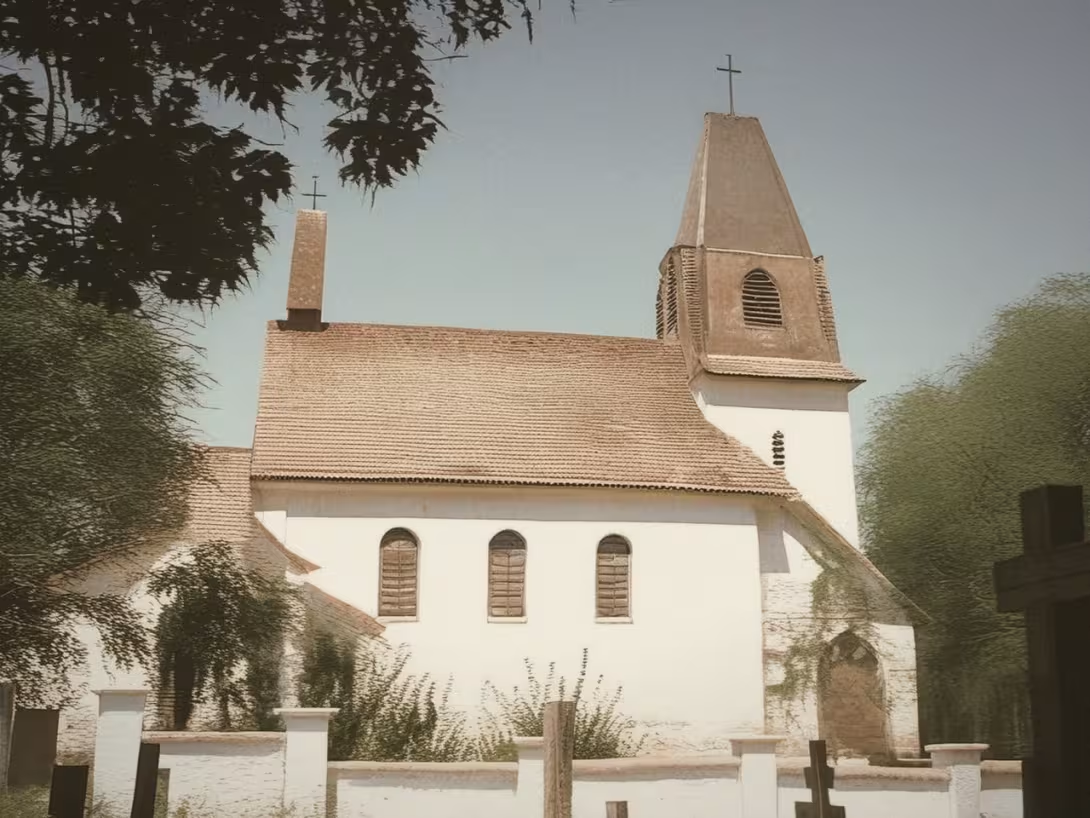
The historical appearance on the left is an AI-generated visualisation and serves as inspiration only.
Historical milestones
- 1929
- The church was built and inaugurated.
- 1943
- The original four bells were confiscated.
- 1972
- New bells were acquired for the church.
Architectural development
The Church of Saint Wenceslas was constructed in a contemporary style typical of the late 1920s. Initially equipped with bells from Rudolf Manoušek's foundry, these were replaced after their confiscation during World War II.
Historical events
The church was built and inaugurated on July 14, 1929.
In 1943, the original four bells were confiscated.
New bells were acquired for the church in 1972.
Guide
This guide is narrated by a synthetic voice generated by artificial intelligence.
Show guide text
This text was created by artificial intelligence and has not been editorially reviewed. It may contain inaccuracies.
Welcome to the Church of Saint Wenceslas in Holubice, a serene and historic gem nestled in this charming village within the Vyškov District. As you stand here, take a moment to absorb your surroundings: the modest yet dignified structure before you is more than just a building; it's a testament to community spirit and historical resilience.
The Church of Saint Wenceslas was constructed during an era when Czechoslovakia was fervently establishing its national identity following World War I. This period marked significant political changes across Europe, with local communities like Holubice playing their part in shaping the cultural landscape. Built and inaugurated on July 14, 1929, this church stands as a symbol of collective effort and dedication. It's fascinating to note that it was funded entirely by local residents, showcasing the strong community bonds that brought this sacred space into existence.
As you take in its architecture, notice the simplicity and functionality that characterize this Roman Catholic church. Though specific architectural details aren't highlighted here, you can appreciate the understated elegance of its design—a reflection of the era's broader architectural trends. The church serves as a filial to the parish of Pozořice, underscoring its role within the local religious community.
The history of this church is marked by notable events that add depth to its story. Initially equipped with four bells cast by Rudolf Manoušek’s foundry, these bells were confiscated in 1943—a poignant reminder of the turbulent times during World War II. However, resilience prevailed, and new bells were acquired for the church in 1972, restoring its auditory presence within the village.
While specific architects remain unknown, the spirit behind this church's creation is evident in every stone and beam. It stands not just as a place of worship but as a beacon of hope and unity that has weathered historical upheavals.
One intriguing aspect of this church is how it encapsulates the broader European political changes post-World War I while reflecting local community spirit. This duality makes it more than a religious site; it's a cultural landmark where history and faith intertwine.
As you continue to explore, let your curiosity guide you. Discover the subtle details that tell stories of resilience and hope. The Church of Saint Wenceslas invites you to delve deeper into its history, to listen closely to the echoes of the past within its walls.
Thank you for joining us on this journey through time and community. We encourage you to explore further and immerse yourself in the rich tapestry that is Holubice's heritage. Safe travels as you continue your adventure!
Tips for visitors
The best time to visit the Church of Saint Wenceslas in Holubice is during late spring or early autumn, when the weather is pleasant for walking around the village and enjoying the church's architecture without the crowds that can occur on weekends or holidays. The lighting during these times is also ideal for photography, capturing the intricate details of the church’s facade.
Public transportation can also be a convenient way to reach the village; however, you should verify current routes and schedules through a reliable travel app or website before departure.
When visiting the Church of Saint Wenceslas, consider bringing comfortable walking shoes as exploring the surrounding area on foot can enhance your experience. A camera is recommended for capturing the church’s architectural beauty, especially during golden hours when natural light accentuates its features. Additionally, carrying a small umbrella or raincoat could be useful in case of unexpected weather changes.
For photography enthusiasts, the best spots around the Church of Saint Wenceslas are those that offer a clear view of its facade and bell tower. Early morning or late afternoon provides soft lighting conditions ideal for capturing the church’s details. Exploring the village streets can also yield interesting perspectives and compositions.
Another option is to visit the local countryside for scenic walks or cycling routes that showcase the natural beauty of the Jihomoravský kraj region.
For families visiting with children, Holubice provides a serene environment where kids can enjoy exploring the village's open spaces. The Church of Saint Wenceslas itself offers a peaceful setting to learn about local history and architecture. Bringing along some snacks or a picnic lunch could make for a delightful family outing.
Frequently asked questions
Can the monument be visited?
Religious buildings are usually open mainly during services; at other times a visit is normally arranged with the parish or the operator. We have not verified specific times.
Where is the monument?
Location: Holubice, Jihomoravský kraj. The map on this page shows the exact spot.
Businesses nearby
Do you run a restaurant, accommodation, shop, museum, rental, wellness or other visitor service near this monument? Show yourself directly to the people heading to it — this is how they will see you in the app and on the web:
Events nearby

Zdroj akcí: otevřená data měst a obcí ČR (Národní katalog otevřených dat) a kalendář akcí Národního památkového ústavu.
Accommodation nearby
Trips and activities nearby
Guided tours, tickets and activities nearby from GetYourGuide
Affiliate link: if you buy from the partner, we may receive a commission. The price for you does not change.
Search tours and activities →Themed route
Thematic Walking Tour: Holubice and the Church of Saint Wenceslas
1. Church of Saint Wenceslas (Holubice)
Type: Historical Landmark
Why Visit: Begin your journey at this stunning example of Baroque architecture, known for its intricate design and historical significance in the region. The church serves as a spiritual center for the community and offers visitors a glimpse into the rich cultural heritage of Holubice.
2. Local Cemetery
Type: Historical Site
Why Visit: Located near the Church of Saint Wenceslas, this cemetery provides an opportunity to reflect on the history and stories of those who have lived in Holubice over the centuries. It's a serene place that complements your visit to the church with its peaceful atmosphere.
3. Community Center
Type: Cultural Venue
Why Visit: Just a short walk from the church, this center is often bustling with local events and activities. It offers insights into contemporary community life in Holubice and may host exhibitions or gatherings that highlight local traditions and crafts.
4. Local Farmsteads
Type: Agricultural Landmark
Why Visit: Explore the surrounding farmsteads to understand the agricultural roots of Holubice. These farms are integral to the village's economy and lifestyle, offering a picturesque view of rural life in the Jihomoravský region.
5. Walking Paths through Farmland
Type: Scenic Route
Why Visit: Conclude your tour by strolling along the scenic walking paths that weave through Holubice’s farmlands. These paths offer a tranquil setting to appreciate the natural beauty of the area and provide a perfect ending to your thematic exploration of this charming village.
This tour offers a comprehensive look at both the historical and contemporary aspects of Holubice, centered around its most iconic landmark, the Church of Saint Wenceslas.
Seasonal recommendations
Spring: Visiting the Church of St. Wenceslas during spring offers a unique experience as nature awakens around Holubice, with blooming flowers and fresh greenery enhancing the church's serene beauty. The soft natural light at this time of year casts a gentle glow on the historic architecture, creating a tranquil atmosphere perfect for reflection. Visitors should be prepared for occasional rain showers typical of spring; therefore, it is advisable to wear layers that can easily be adjusted as temperatures fluctuate throughout the day. Early morning visits are recommended to avoid larger crowds and fully appreciate the peaceful ambiance.
Summer: The summer season brings vibrant life to the Church of St. Wenceslas in Holubice, with lush landscapes and warm sunlight accentuating its historic charm. This is a popular time for tourists, so expect larger visitor numbers, particularly during peak daylight hours. To make the most of your visit, arrive early in the morning or later in the afternoon when it's cooler and less crowded. Comfortable walking shoes and light clothing are essential to navigate the area comfortably while exploring both the church and its surroundings.
Autumn: Autumn transforms the Church of St. Wenceslas into a picturesque scene with rich hues of red, orange, and gold enveloping Holubice. The crisp air and gentle breeze create an inviting atmosphere for visitors seeking a peaceful retreat from the bustling world. As days grow shorter, plan your visit during daylight hours to fully enjoy the warm colors and softer lighting that autumn provides. Layered clothing is recommended to stay comfortable as temperatures can vary significantly throughout the day.
Winter: The winter season offers a unique charm at the Church of St. Wenceslas with its historic architecture beautifully framed by snow-covered landscapes in Holubice. Shorter days mean earlier closures, so plan your visit accordingly to make the most of the available daylight. The church may have limited services or events during this time, but the quiet and peaceful atmosphere is perfect for those seeking a serene experience. Dress warmly with thermal layers and waterproof outerwear to stay comfortable while exploring the area's winter wonderland.
Visualizations and artistic views


The visualisations are generated by artificial intelligence and serve as inspiration.
Photos from the area
Real photos taken near the monument


Zdroj a licence jsou uvedeny u každého snímku.
Tips from visitors
No tips yet. Be the first!
Log in and add your tip.
Sources and literature
Photos: cs:User:Pernak1 / CC BY-SA 3.0, rozlišení zvýšeno umělou inteligencí — Wikimedia Commons. The author and licence also appear when you hover over the image.
Faktickým podkladem tohoto textu byl článek na Wikipedii, jehož autory jsou přispěvatelé Wikipedie. Článek je dostupný pod licencí CC BY-SA 4.0.
Location on the map



Příběhy a pověsti
Legendy, pověsti a příběhy spjaté s touto památkou
Příběh: Kostel svatého Václava (Holubice)
„Tohle je konec, Antoníne, dál už není kam jít,“ vyrazil z úst Matěje chraplý hlas, zatímco v dlani svíral těžký měšek s mincemi, které mu nepatřily. Stál v …
Číst příběh
Pověst: Kostel svatého Václava (Holubice)
Traduje se v Holubicích, že zvony kostela svatého Václava nebyly jen kovem a hlaholením — byly živou pamětí celé obce, odlitou z obětí každého stavení. Když…
Číst příběhFotografie návštěvníků
Zatím žádné fotografie. Buďte první, kdo přidá fotografii z návštěvy!
Log in a přidejte svou fotografii nebo hodnoťte.
Za ověřenou návštěvu v aplikaci získáte víc bodů — poznáme podle GPS, že jste na místě.
Reviews and comments