






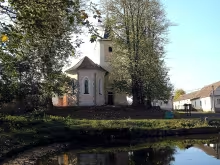
The Church of Saint Wenceslas in Křakov is a prominent Gothic structure at the village's heart, located within Mířkov district of Plzeňský kraj. Constructed around 1340 during the early 14th century, it holds historical significance and showcases architectural evolution through Renaissance and Baroque renovations. Today, it functions as a filial church under the Roman Catholic parish in Horšovský Týn.
Built when Bohemia was a cultural and political hub in Central Europe, the Gothic style of this period reflected both architectural innovation and religious fervor. The church's core structure dates back to around 1340, with its northern nave wall featuring an original portal from that era.
Architecturally, it is a single-nave building with a polygonal choir and a northern tower. Renaissance additions like a sacristy were later added, followed by significant Baroque renovations in the 17th century, which included interior modifications. The church features gabled roofs covered with tiles, smooth plastered facades, and a distinctive northern tower capped with an eternit-covered spire. Its western façade is adorned with a unique gable-shaped pediment featuring stylized motifs.
Throughout its history, the Church of Saint Wenceslas has experienced various construction and renovation phases. The original Gothic structure dates to the early 14th century, while significant Baroque renovations in the 17th century included interior changes. These modifications reflect evolving architectural styles and religious practices over time.
Today, the church is nestled near Křakovský potok and close to the protected landscape area Sedmihoří. It welcomes visitors interested in exploring its historical architecture and serene surroundings. The Church of Saint Wenceslas offers insight into the region's rich cultural heritage, making it a worthwhile destination for history and architecture enthusiasts.
Visiting this church allows appreciation of its architectural beauty and historical significance. Its blend of Gothic, Renaissance, and Baroque elements tells a story of centuries of artistic and religious evolution. The Church of Saint Wenceslas invites visitors to explore its serene setting and reflect on the cultural heritage it represents.
Historical milestones
- 1340
- Construction of the core structure, including the northern wall of the nave with its portal.
- 17th century
- Baroque renovations and interior modifications.
Architectural development
The Church of Saint Wenceslas was initially constructed as a Gothic edifice around 1340. It later saw Renaissance modifications with the addition of a sacristy and substantial Baroque transformations in the 17th century, which included interior adjustments. The church's architecture features gabled roofs covered with tiles, smooth plastered facades, and a distinctive tower capped with an eternit-covered spire.
Historical events
The original construction of the Church of Saint Wenceslas began in the first quarter of the 14th century.
In the 17th century, the church underwent significant Baroque renovations.
Points of interest
- The Church of Saint Wenceslas features an original portal on its northern nave wall from around 1340, offering a rare glimpse into early Gothic craftsmanship in the region.
- During its Baroque renovations in the 17th century, the church's interior was significantly altered to reflect contemporary religious practices, including changes that emphasized dramatic lighting and ornate decorations typical of the period.
Guide
Show guide text
Welcome to the Church of Saint Wenceslas in Křakov, a stunning testament to Gothic architecture nestled at the heart of this charming village. As you stand here on this gentle elevation, take a moment to absorb the serene atmosphere surrounding this historic site.
The story of this church begins around 1340 when its core structure was erected, including the northern wall of the nave with its original portal—a remarkable piece showcasing early Gothic craftsmanship. This period laid the foundation for what would become a significant landmark in the region.
As you gaze at the church's single-nave design, notice how it gracefully rises to meet the polygonal choir and the attached northern tower, elements that speak volumes about the architectural evolution over centuries. The 17th-century Baroque renovations brought further transformations, altering the interior to reflect contemporary styles of the time while preserving its historical essence.
While specific architects and key historical figures remain unknown, this church still whispers tales of a bygone era through its enduring presence. One captivating detail is the original portal on the northern nave wall from around 1340. This feature offers a rare glimpse into the artistry and architectural techniques of the time, making it an essential point of interest for visitors like yourself.
As we conclude this brief journey through history, I invite you to explore further and discover more about this remarkable church's past. Take your time to wander around, let your imagination run with stories untold, and cherish the beauty that has stood the test of time. Thank you for joining me on this exploration, and I hope it inspires you to delve deeper into the rich history of Křakov.
Enjoy your visit!
Tips for visitors
The Church of Saint Wenceslas in Křakov is best visited during the late spring to early autumn months, ideally from May to September. During this period, the weather is generally pleasant, allowing visitors to enjoy the surrounding natural beauty of Sedmihoří and explore the church without the discomfort of winter conditions. The soft light during these months also enhances the architectural details of the Gothic structure, making it an ideal time for photography enthusiasts.
Parking near Křakov can be limited due to its rural setting; however, there are usually spaces available in the village vicinity. For those preferring public transport, regional buses may serve nearby towns with connections to Plzeňský kraj. It's advisable to check current bus schedules online or at local tourist information centers before your visit to ensure a smooth journey.
When visiting the Church of Saint Waveslas in Křakov, it is recommended to bring comfortable walking shoes as you may wish to explore the surrounding areas and trails near Křakovský potok. Additionally, carrying a camera or smartphone for capturing the picturesque landscapes and architectural details can enhance your experience. Don't forget to pack water, snacks, and perhaps a light jacket in case of changing weather conditions.
For photography enthusiasts, the best spots around the church are those that capture its silhouette against the rolling hills and natural backdrop of Sedmihoří. The late afternoon light often provides dramatic shadows and highlights on the Gothic architecture. Exploring different angles from the gentle elevation where the church is perched can yield stunning compositions.
Within a 30-minute drive or walk, visitors can explore the protected landscape area of Sedmihoří, which offers scenic trails, panoramic views, and opportunities for hiking and picnicking amidst nature. This makes it an excellent spot for families with children who enjoy outdoor activities. The natural setting provides a peaceful environment where kids can run around safely while parents appreciate the tranquility.
Businesses nearby
Do you run a restaurant, accommodation, shop, museum, rental, wellness or other visitor service near this monument? Show yourself directly to the people heading to it — this is how they will see you in the app and on the web:
Nearby
Located near Křakovský potok and within proximity to the protected landscape area Sedmihoří, the church stands amidst rolling hills and natural beauty.
Accommodation nearby
Themed route
Tematická výletní trasa kolem kostela svatého Václava (Křakov)
1. Kostel svatého Václava (Křakov) - *Typ:* Historická památka - *Proč stojí za návštěvu:* Tento barokní kostel je nejen duchovním centrem obce Křakov, ale také architektonickou perli s bohatou historií. Jeho významná stavba a interiér nabízejí návštěvníkům pohled na minulost a umělecké dílo.
2. Křakovský potok - *Typ:* Přírodní atrakce - *Proč stojí za návštěvu:* Tento malebný potok, který protéká blízko kostela, je ideálním místem pro krátké relaxační chvilky nebo piknik. Jeho přítoky a okolní zelená krajina nabízejí klidné prostředí pro odpočinek v přírodě.
3. Sedmihoří - *Typ:* Chráněná krajinná oblast - *Proč stojí za návštěvu:* Tato oblast je známá svou jedinečnou geologickou strukturou a rozmanitostí přírodních scén. Prozkoumání Sedmihoří nabízí pohledy na výjimečné horské kraje, které jsou ideální pro milovníky přírody a fotografií.
Tato trasa nabízí kombinaci kulturních zážitků s přírodními krásami oblasti kolem Křakovského kostela.
Seasonal recommendations
Spring: Visiting the Church of Saint Wenceslas in Křakov during spring offers a unique experience as nature begins to awaken around this historic site. The surrounding landscape is adorned with vibrant wildflowers and budding trees, creating an enchanting atmosphere that enhances the church's timeless beauty. During this season, the weather can be unpredictable, so it’s advisable to wear layers that you can adjust throughout your visit. Mornings are often cooler, while afternoons may become pleasantly warm. This time of year tends to attract fewer visitors than summer, allowing for a more peaceful exploration.
Summer: Summer is an ideal time to experience the Church of Saint Wenceslas in Křakov due to its long daylight hours and generally pleasant weather. The lush greenery surrounding the church creates a picturesque setting that complements its architectural splendor. However, this season also sees increased tourist activity, especially during peak vacation periods. To avoid crowds, consider visiting early in the morning or later in the afternoon. Comfortable walking shoes and light clothing are recommended to navigate the site comfortably, but don't forget sunscreen and a hat for protection against the sun.
Autumn: Autumn brings a magical transformation to Křakov as the Church of Saint Wenceslas becomes enveloped in warm hues of reds, oranges, and yellows. The crisp air and mellow sunlight enhance the serene atmosphere, making it an ideal time for photography enthusiasts and those seeking tranquility. Leaves may cover pathways, so sturdy shoes are recommended for navigating uneven terrain. As temperatures drop, layering your clothing is wise to stay comfortable throughout your visit. While fall is a popular season for tourism, visiting on weekdays can help avoid larger crowds.
Winter: Winter at the Church of Saint Wenceslas in Křakov offers a serene and contemplative experience as snow blankets the landscape, adding an ethereal quality to this historic site. The shorter days mean that visits should be planned early, with ample lighting conditions for exploring its architectural details. It's essential to dress warmly, including thermal layers, hats, gloves, and waterproof boots, to enjoy your visit comfortably in potentially cold weather. While winter may deter some visitors due to the chill, those who brave it often find a peaceful setting with fewer crowds, allowing for a more intimate experience of this historic church.
Visualizations and artistic views

Vizualizace jsou generovány umělou inteligencí a slouží jako inspirace.
Tips from visitors
No tips yet. Be the first!
Log in and add your tip.
Location on the map



Příběhy a pověsti
Legendy, pověsti a příběhy spjaté s touto památkou
Reviews and comments