



Kostel svatého Jakuba Staršího (Staňkov II) Church
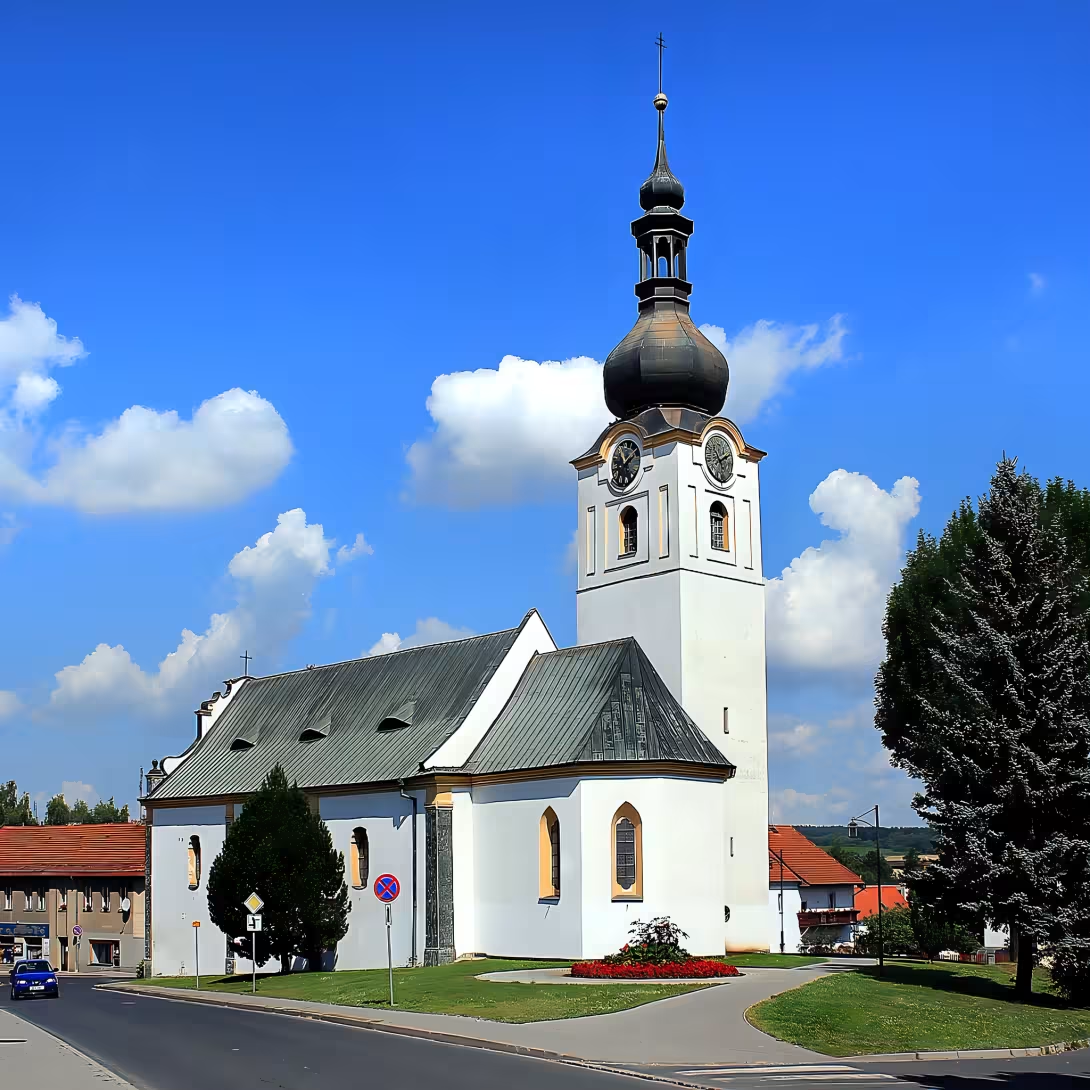
The Church of Saint James the Elder in Staňkov II is a testament to the Czech Republic's rich cultural heritage. Originally built in the Gothic style, it has undergone numerous renovations over the centuries, reflecting various architectural influences and historical events that have shaped its current form. As a protected cultural monument, it serves as both a place of worship and a significant historical site for locals and visitors.
The church dates back to at least 1271 when it was first documented in written records. This period marked an era of Gothic architectural development in Bohemia, part of the Holy Roman Empire. Under various Czech kings, the region experienced a flourishing of arts and culture, contributing to the heritage seen in structures like this church.
Architecturally, the church began as a Gothic structure but evolved through several phases. In the late 17th century, significant modifications were made to its presbytery and tower. The main nave was extended during extensive Baroque renovations starting in 1738, reflecting the stylistic shift of that era. An additional clock floor was added to the tower in 1751, enhancing its architectural complexity. Further reconstructions occurred in 1909, between 1987-1991, and from 2012-2017, ensuring its preservation for future generations.
Throughout its history, the church has been a focal point of community life. In 1673, the tower was equipped with four bells, two of which were requisitioned for war in 1916, highlighting its role during significant historical events. The surrounding area also saw changes; a cemetery that existed until 1784 was abolished by an edict from Joseph II, and an enclosing wall around the church was demolished in 1833.
Today, the Church of Saint James the Elder stands as a cultural monument open to visitors who wish to explore its historical and architectural significance. The interior features a flat-ceilinged nave with rhythmically arranged facades, complemented by Baroque elements such as a varnished gallery from 1685 and fresco paintings. Preservation efforts ensure it remains an accessible site for those interested in Czech history.
Visiting the church offers a unique opportunity to connect with the past while appreciating its architectural beauty and historical depth. It stands as a symbol of resilience and cultural continuity, inviting all curious about its storied past to explore its sacred halls.
Then and now
Drag the slider to compare how the landmark may have looked when it was built with the view today.
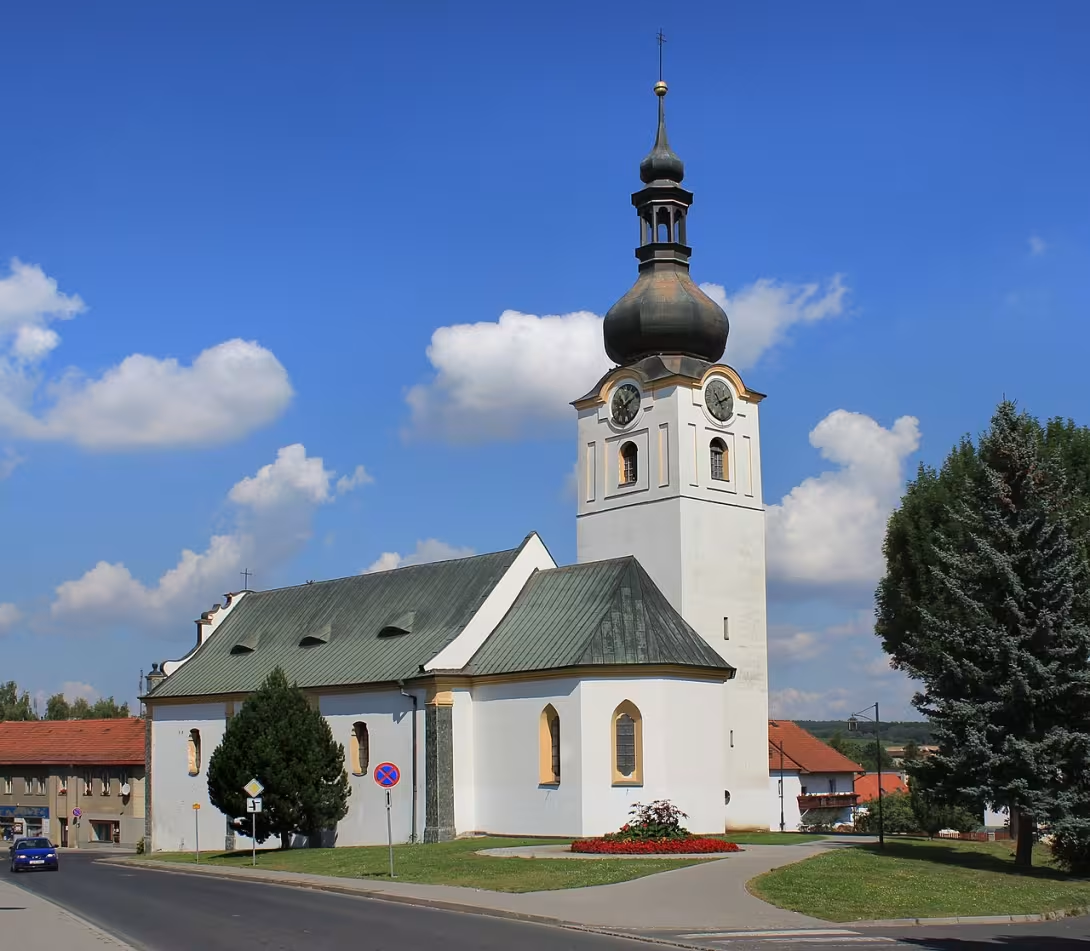
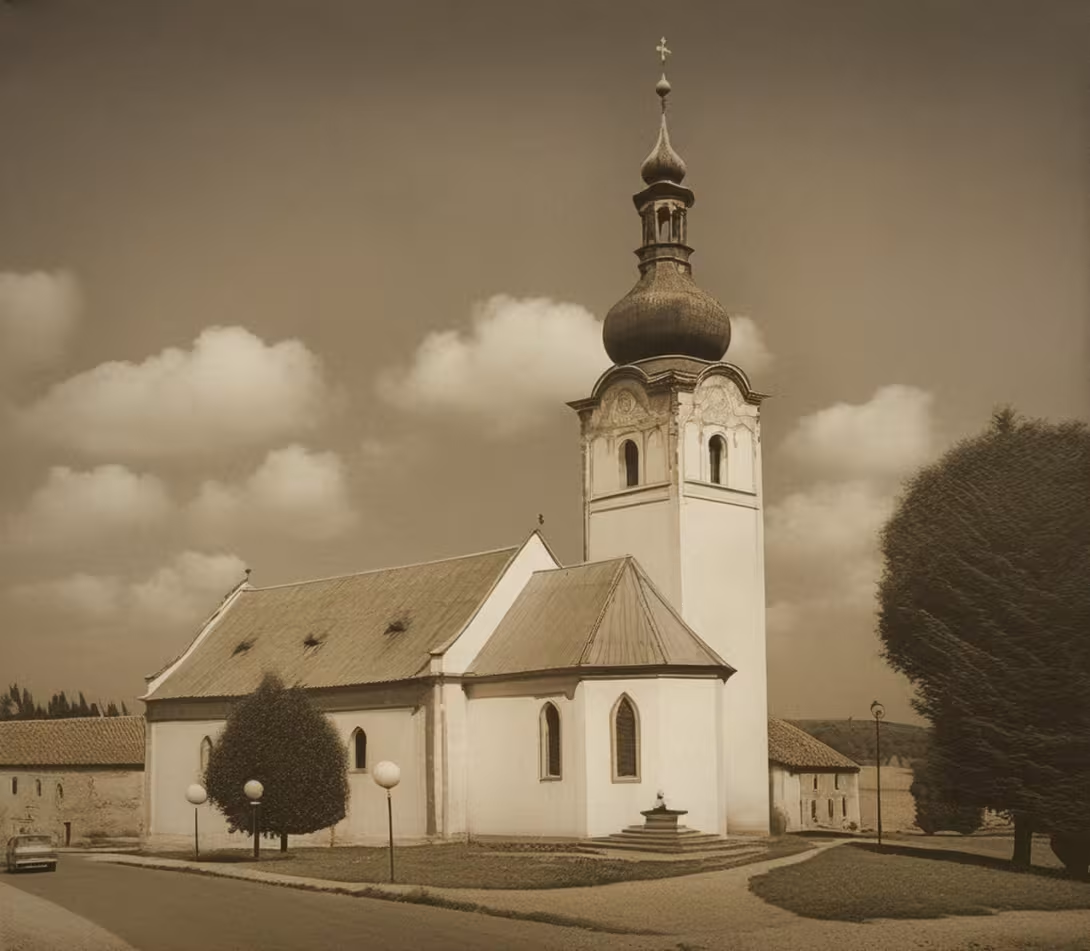
The historical appearance on the left is an AI-generated visualisation and serves as inspiration only.
Historical milestones
- 1271
- Church first documented in written records.
- 1673
- Tower equipped with four bells.
- 1738
- Baroque renovations began, extending the main nave.
- 1751
- Additional clock floor added to tower.
- 1784
- Cemetery abolished by Joseph II's edict.
- 1833
- Enclosing wall around church demolished.
Architectural development
The church has undergone several architectural phases, beginning as a Gothic structure. In the late 17th century, it saw modifications to its presbytery and tower. The main nave was extended during extensive baroque renovations starting in 1738, with an additional clock floor added to the tower in 1751. Further reconstructions took place in 1909, between 1987-1991, and from 2012-2017.
Historical events
The church and parish are documented as early as 1271.
In the late 17th century, the presbytery was modified, and the tower received four bells in 1673, two of which were requisitioned for war in 1916.
Points of interest
- The Church of Saint James the Elder has a unique feature in its tower: it was equipped with four bells in 1673, but two were taken during World War I in 1916 for war efforts, reflecting its involvement in historical conflicts.
- An intriguing aspect of the church's history is the abolition of the cemetery that surrounded it until 1784. This change came about due to an edict by Joseph II, illustrating how broader imperial policies impacted local traditions and landscapes.
- The church underwent a significant architectural transformation during Baroque renovations starting in 1738, which included extending the main nave. This shift highlights the dynamic nature of its design evolution over centuries, adapting to changing artistic trends.
- A lesser-known detail is that an enclosing wall around the church was demolished in 1833, marking a change in how sacred spaces were perceived and utilized within the community during that period.
- The addition of a clock floor to the tower in 1751 not only enhanced its architectural complexity but also symbolized the merging of functionality with aesthetic considerations typical of the era's advancements.
Guide
This guide is narrated by a synthetic voice generated by artificial intelligence.
Show guide text
This text was created by artificial intelligence and has not been editorially reviewed. It may contain inaccuracies.
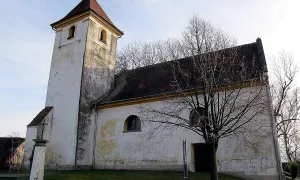
The Church of Saint James the Elder in Staňkov is the parish church of the local parish and is protected as a cultural monument. It was originally a Gothic structure that was transformed over the centuries by several reconstructions.
The church and the rectory are documented in written sources as early as 1271. In the second half of the 17th century, the presbytery was renovated, and in 1673 the tower was also adapted, with four bells added to its bell chamber at that time. Two of them were requisitioned in 1916 for military purposes. From 1738 onwards, extensive Baroque modifications to the main nave took place, during which the nave was extended. This date is also inscribed on the granite main portal's keystone. The clock chamber of the tower was added in 1751.
Until 1784, a cemetery surrounded the church, which was abolished by a decree of Joseph II. The boundary wall around the church was demolished in 1833. Further reconstructions took place in 1909, between 1987 and 1991, and in the years 2012 to 2017.
The church is single-naved, with a rectangular ground plan. The nave is followed by a narrower presbytery with a five-sided closure, and a square clock tower adjoins its northern side. On the ground floor of the tower is the sacristy, and on the fifth floor is the bell chamber. The tower is topped with an onion dome with a cupola, finial, and cross. The western façade is crowned by a gable with volute wings and an undulating split cornice. The nave is illuminated by barred windows with stucco frames, while the chancel has pointed windows.
The interior has a flat ceiling with fresco decoration. The walls of the nave are rhythmically articulated by bundle pilasters with Composite capitals. In the western section is an organ loft supported by two pillars, whose richly undulating balustrade projects into the space. The presbytery belongs to the oldest surviving parts of the church. It is covered by two bays of cross and radial vaulting, whose ribs converge in circular relief keystones. Still in 2001, a Gothic roof structure was preserved above both the nave and the presbytery.
An early Baroque wooden main altar of portal type dates from 1685. It bears a painting of Saint James by the painter Martin Strejc from Horšovský Týn. From the second half of the 17th century are also the side altars of Saint Sebastian and Saint John of Nepomuk, originally dedicated to the Virgin Mary. From the same period comes the pulpit, which was renovated in the 19th century. The church acquired a Neo-Gothic Marian altar in 1914 and the Stations of the Cross on the walls of the nave in 1930. The original glass chandelier from 1849 was replaced by a refurbished electric chandelier.
Tips for visitors
The best time to visit the Church of St. James the Elder in Staňkov II is during late spring or early autumn. During these months, you can enjoy pleasant weather that enhances your experience while exploring the church's architectural details and surrounding landscapes. Additionally, visiting outside peak tourist seasons often means fewer crowds, allowing for a more serene and personal encounter with this cultural monument.
Alternatively, public transport can be used; however, it's advisable to check current routes and schedules in advance through an online search or local travel resources to ensure a smooth journey.
When planning your visit, consider bringing comfortable walking shoes, especially if you plan to explore the surrounding area of Staňkov II. Also, carrying a camera is recommended for capturing the church’s Gothic architecture and its serene environment. A small backpack with water and snacks can enhance your comfort during the visit.
For photography enthusiasts, the best spots around the Church of St. James the Elder are those that capture both the structure's intricate details and its natural surroundings. Early morning or late afternoon light often provides a soft glow that accentuates the church’s features. Exploring different angles from outside can also yield unique perspectives.
Nearby attractions within 30 minutes include other historical sites in the Plzeňský kraj region, offering a glimpse into local history and culture. These nearby locations provide additional context to the area's heritage and are perfect for extending your visit beyond just the church.
Frequently asked questions
Can the monument be visited?
Religious buildings are usually open mainly during services; at other times a visit is normally arranged with the parish or the operator. We have not verified specific times.
Where is the monument?
Location: Nádražní, Staňkov II, Staňkov, Plzeňský kraj. The map on this page shows the exact spot.
Why is the monument protected?
It is listed in the Central List of Cultural Monuments of the Czech Republic as a cultural monument (register no. 41599/4-2217).
Businesses nearby
Do you run a restaurant, accommodation, shop, museum, rental, wellness or other visitor service near this monument? Show yourself directly to the people heading to it — this is how they will see you in the app and on the web:
Accommodation nearby
Themed route
Tematická výletní trasa: Kostel svatého Jakuba Staršího (Staňkov II)
1. Kostel svatého Jakuba Staršího (Staňkov II) - Typ: Náboženská památka - Proč stojí za návštěvu: Tento historický kostel je architektonickou perli Plzeňského kraje, nabízející poutavý pohled na gotickou a renesanční architekturu. Je to ideální místo pro ty, kdo mají zájem o historii a náboženské umění.
2. Obecní úřad Staňkov II - Typ: Místní správa - Proč stojí za návštěvu: Navštívte obecní úřad pro poznání místních zvyklostí a historie. Zde najdete informace o kulturních akcích v okrese, což je skvělý způsob, jak se lépe ponořit do života obce.
3. Místní park u kostela - Typ: Zelená zóna - Proč stojí za návštěvu: Park nabízí klidnou atmosféru pro odpočinek a reflexi po prozkoumání historických míst. Je to ideální místo k relaxaci, procházce nebo fotografování s impozantními pozadími kostela.
4. Místní tržnice (pokud je v okolí) - Typ: Tradiční trh - Proč stojí za návštěvu: Zde můžete prozkoumat místní produkty a potraviny, což vám umožní pochutnat si na autentické regionální jídlo. Je to také skvělý způsob, jak se setkat s místními obyvateli a zažít jejich životní styl.
Tato trasa nabízí komplexní pohled na kulturní i každodenní aspekty života v Staňkov II.
Seasonal recommendations
Spring: Visiting the Church of Saint James the Elder during spring offers a unique experience as nature awakens around Staňkov II, with blossoming flowers and fresh greenery enhancing the church's historic charm. The mild weather provides comfortable conditions for exploring both indoors and outdoors, while the soft natural light creates an inviting atmosphere. As the area becomes more popular among locals and tourists alike, it's advisable to visit in the morning when crowds are smaller, allowing for a peaceful exploration of this historical site.
Summer: Summer is ideal for experiencing the Church of Saint James the Elder under the warm glow of long daylight hours, which beautifully illuminate its architectural details. The surrounding landscape is lush and vibrant, offering picturesque views that complement the church's serene ambiance. However, due to increased tourist activity during the peak summer season, it's best to arrive early in the day to avoid larger crowds. Dressing in light, breathable clothing will ensure a comfortable visit under the sun.
Autumn: Autumn at Staňkov II is characterized by a stunning display of fall foliage that frames the Church of Saint James the Elder, creating a picturesque and tranquil setting. The cooler temperatures are perfect for leisurely strolls around the area, allowing visitors to fully appreciate the changing colors and crisp air. As the tourist traffic begins to wane compared to summer months, this is an excellent time to visit with fewer crowds. Layered clothing will keep you comfortable as the weather transitions.
Winter: Winter transforms Staňkov II into a serene wonderland, with snow often blanketing the Church of Saint James the Elder and its surroundings, offering a magical atmosphere that highlights its historic features in a new light. The shorter days mean the church is best visited during daylight hours to fully enjoy its beauty under winter's unique lighting conditions. Due to potentially harsh weather conditions, visitors should dress warmly and check opening times as they may be reduced during this season. Despite fewer visitors, it remains an enchanting time to explore this historic site.
Visualizations and artistic views


The visualisations are generated by artificial intelligence and serve as inspiration.
Photos from the area
Real photos taken near the monument


Zdroj a licence jsou uvedeny u každého snímku.
Tips from visitors
No tips yet. Be the first!
Log in and add your tip.
Sources and literature
Photos: This file is available under Creative Commons BY-SA license. Basically: You can use this picture for any purpose, provid / CC BY-SA 3.0, rozlišení zvýšeno umělou inteligencí — Wikimedia Commons. The author and licence also appear when you hover over the image.
Faktickým podkladem tohoto textu byl článek na Wikipedii, jehož autory jsou přispěvatelé Wikipedie. Článek je dostupný pod licencí CC BY-SA 4.0.
Location on the map
More monuments – Staňkov II
Show all in the municipality


Příběhy a pověsti
Legendy, pověsti a příběhy spjaté s touto památkou
Fotografie návštěvníků
Zatím žádné fotografie. Buďte první, kdo přidá fotografii z návštěvy!
Log in a přidejte svou fotografii nebo hodnoťte.
Za ověřenou návštěvu v aplikaci získáte víc bodů — poznáme podle GPS, že jste na místě.
Reviews and comments