






kostel svatého Václava (Křižanov) Church
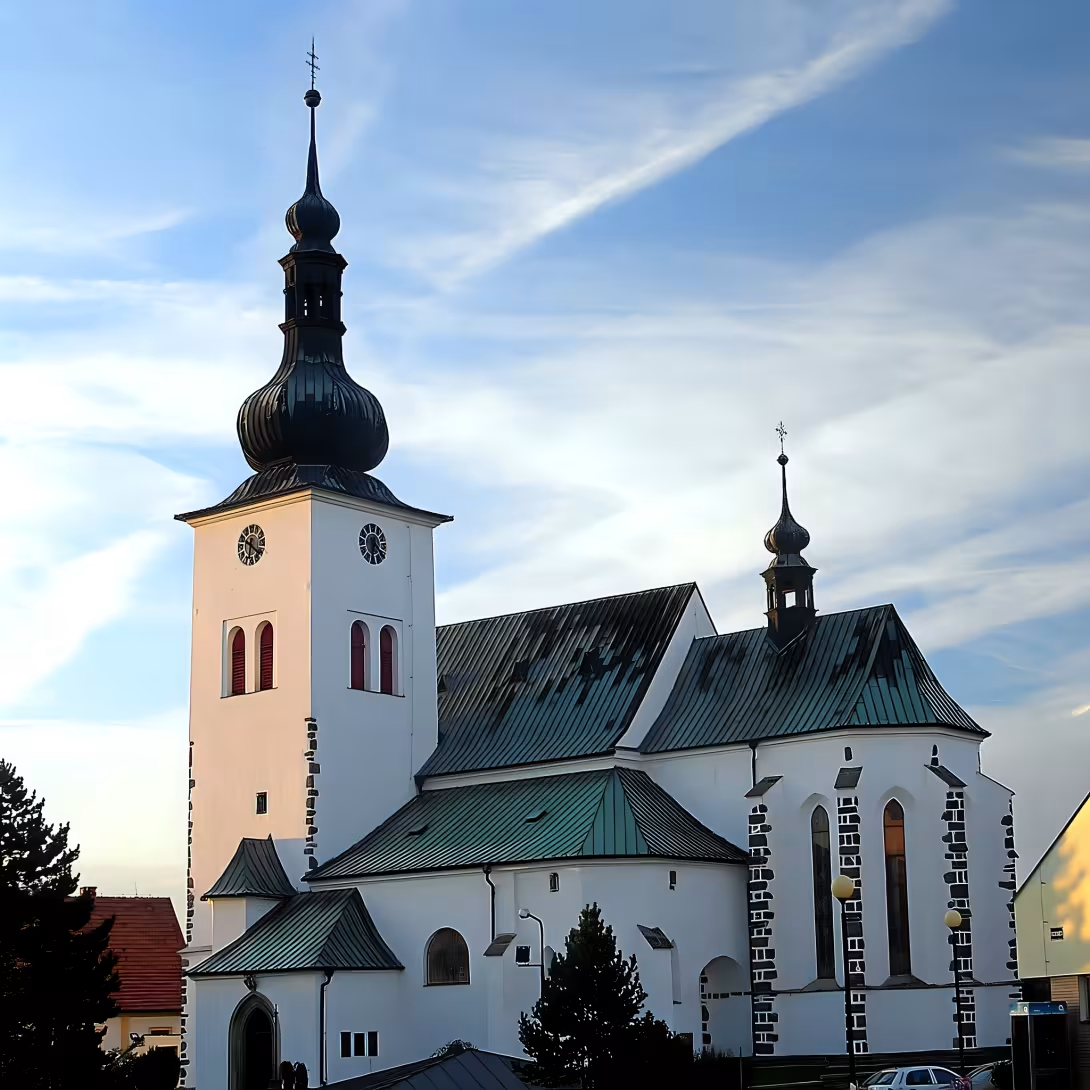
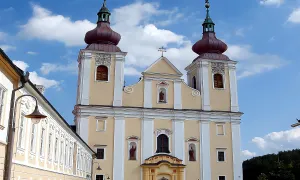
The Church of Saint Wenceslas in Křižanov is a testament to Romanesque origins and Baroque transformations, marking it as a significant cultural monument within the village. Located at the heart of Křižanov, this church is an architectural marvel and a historical beacon reflecting Bohemia's religious and artistic developments.
The earliest documented mention of both the village and the church dates back to 1239, indicating their longstanding presence in the region. The initial construction phase began in the first half of the 13th century under the Romanesque style during the Přemyslid dynasty, known for its religious and architectural advancements. One of the oldest parts of the church is its tower, which started to take shape during this era.
Architecturally, the Church of Saint Wenceslas features an oriented single-nave structure with significant elements from both Romanesque and Baroque periods. The original Romanesque design includes a polygonal chancel and a sacristy attached to its north side. By contrast, the south side hosts a rectangular chapel dedicated to Saint Michael, which also concludes in a polygonal chancel. This blend of styles is further emphasized by significant Baroque renovations during the late 17th century. These modifications were commissioned by Eleonora z Oppersdorfu rozená Dietrichsteinová and included the addition of vaults, new windows, and a music gallery in the western part of the nave.
The church has undergone several transformations over its history. In the early 20th century, it received Neo-Gothic elements that further diversified its architectural narrative. A notable event is the reconstruction following lightning damage in 1719, completed by 1732. This period also saw the addition of Baroque porticos and a new entrance to the church.
Today, the Church of Saint Wenceslas remains an active parish church within the Křižanov community. Its historical significance and architectural beauty make it a worthwhile visit for those interested in exploring Bohemian heritage. The church not only serves as a place of worship but also stands as a cultural monument that invites visitors to delve into its rich history and appreciate its artistic evolution over centuries.
Then and now
Drag the slider to compare how the landmark may have looked when it was built with the view today.
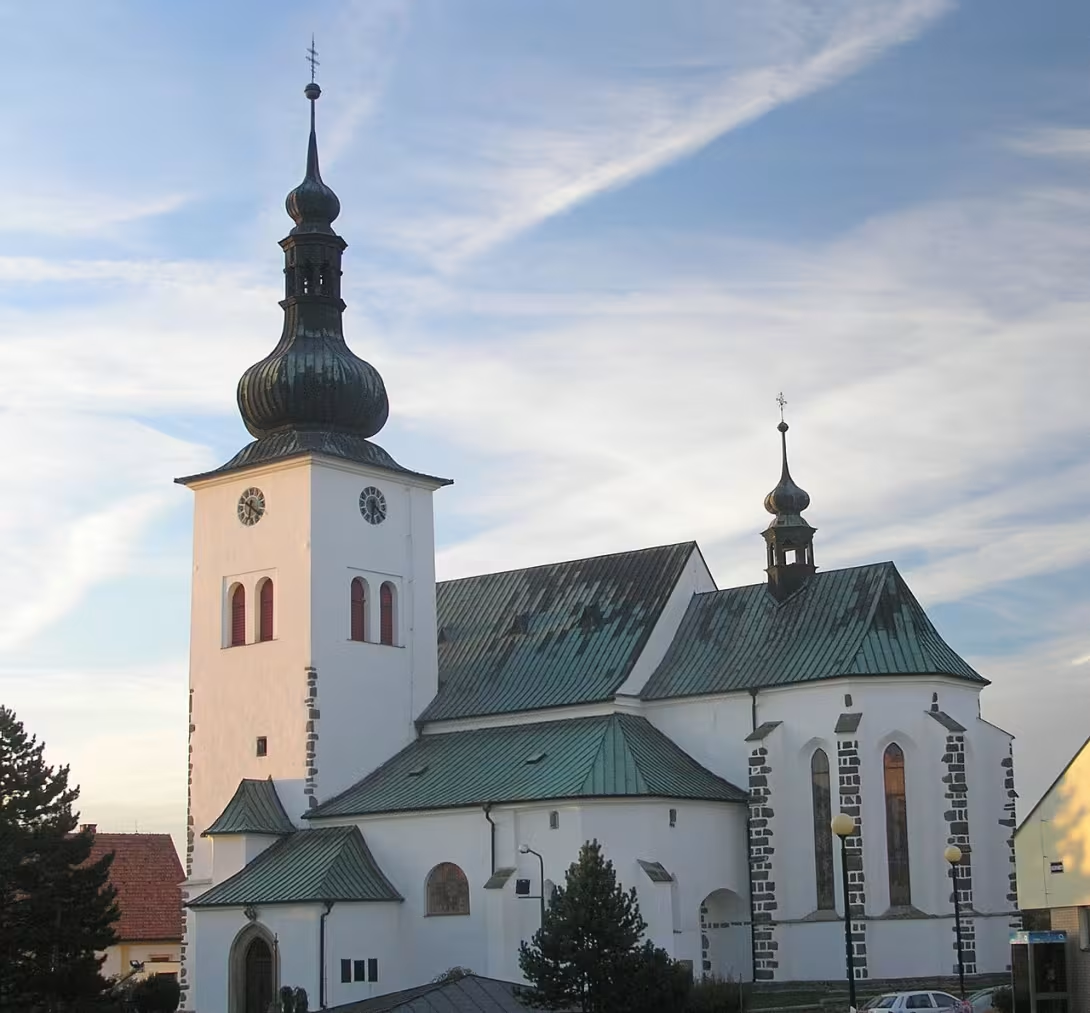

The historical appearance on the left is an AI-generated visualisation and serves as inspiration only.
Historical milestones
- 1239
- First documented mention of the village and church.
- 1732
- Reconstruction after lightning damage in 1719.
Architectural development
The Church of Saint Wenceslas began as a Romanesque structure in the first half of the 13th century, with its tower being one of the oldest parts. By the late 17th century, it underwent significant Baroque renovations commissioned by Eleonora z Oppersdorfu rozená Dietrichsteinová, including the addition of vaults and new windows. The church's interior was further modified in the early 20th century with Neo-Gothic elements.
Historical events
- 1239
- First written mention of the village and church.
- 1732
- Reconstruction following lightning damage in 1719.
Points of interest
- The Church of Saint Wenceslas is one of the few structures in Křižanov that has survived multiple architectural transformations from Romanesque to Baroque and even Neo-Gothic styles, reflecting a unique blend rarely seen in other regional churches.
- Legend has it that during its construction in the 13th century, workers discovered ancient relics beneath the site of the church, leading to local folklore about hidden treasures or mystical artifacts buried within its foundations.
- A curious architectural feature is the dual polygonal chancels at both ends of the chapel dedicated to Saint Michael; this unusual design choice hints at influences from other European Romanesque structures and perhaps a symbolic representation of duality in religious practice.
- The Baroque renovations commissioned by Eleonora z Oppersdorfu rozená Dietrichsteinová included not only structural changes but also an emphasis on acoustics, as evidenced by the addition of a music gallery—suggesting that musical performances were an integral part of church services during her time.
- Despite its historical significance and enduring presence, the Church of Saint Wenceslas was nearly lost to neglect in the 19th century when local authorities considered demolishing it for urban development; however, community efforts saved it from destruction, highlighting the villagers' deep connection to their heritage.
Guide
This guide is narrated by a synthetic voice generated by artificial intelligence.
Show guide text
This text was created by artificial intelligence and has not been editorially reviewed. It may contain inaccuracies.
Welcome to the Church of Saint Wenceslas in Křižanov, a remarkable testament to architectural evolution and historical significance. As you stand here amidst the village's heart, take a moment to soak in the serene atmosphere surrounding this Romanesque church with its Baroque embellishments. Notice how it harmoniously blends into the landscape, inviting you to explore its rich past.
The story of this sacred site begins in 1239 when Křižanov and its church were first documented. Over centuries, the village has witnessed numerous transformations, yet this church stands as a resilient witness to time's passage. In 1719, lightning struck, leading to significant damage that necessitated reconstruction by 1732. These events are not just dates in history but pivotal moments that shaped the church’s current appearance.
Architecturally, the Church of Saint Wenceslas is fascinating. Observe its oriented single-nave structure and the polygonal chancel that defines its unique silhouette. Attached to the north side is a sacristy, while the south hosts a rectangular chapel dedicated to Saint Michael, complete with its own polygonal chancel. These elements reflect a blend of styles—Romanesque foundations enriched by Baroque modifications—that make this church a rare gem in Křižanov.
This historic site has connections to notable figures such as Eleonora z Oppersdorfu rozená Dietrichsteinová, whose legacy intertwines with the village's history. Her influence is part of what makes this place not just a building but a living narrative of the past.
Now, let your imagination wander to the legends surrounding its construction—a time when craftsmen and masons might have gathered here, sharing stories under the watchful gaze of Saint Wenceslas himself. Such tales add an aura of mystery and wonder to your visit, inviting you to ponder the lives that once intersected with this sacred space.
As we conclude our journey through the Church of Saint Wenceslas, I encourage you to continue exploring Křižanov’s streets and stories. Each corner holds a piece of history waiting to be discovered. Thank you for joining me on this auditory exploration, and may your curiosity guide you to many more hidden treasures.
Tips for visitors
The best time to visit the Church of Saint Wenceslas in Křižanov is during late spring or early autumn when the weather is pleasant, allowing you to comfortably explore both the church and its surroundings. This period also offers softer natural lighting for photography and fewer crowds, enhancing your experience. The village's charm is particularly striking during these seasons, with vibrant landscapes that complement the historical architecture.
It's advisable to check current transportation options online before your visit for the most accurate information.
When visiting the Church of Saint Wenceslas, consider bringing comfortable walking shoes as you may want to explore the village and its surroundings on foot. A camera is recommended to capture the church’s Romanesque architecture with Baroque modifications, especially during the golden hours of early morning or late afternoon when the light beautifully accentuates the building's features.
Photography enthusiasts will find several spots around the Church of Saint Wenceslas ideal for capturing its architectural beauty. The best lighting is typically found in the early morning or late afternoon when the sun casts a soft glow on the church’s façade and interior details. Additionally, taking photos from the village square can provide a picturesque backdrop that includes both the church and surrounding historical buildings.
For families with children visiting Křižanov, consider exploring nearby attractions within a 30-minute drive to enrich your experience. The Vysočina region offers various nature trails and parks perfect for family outings. While specific details about these locations are not provided here, they offer opportunities for outdoor activities and learning about the local environment.
Nearby, you can find other historical sites or natural attractions within a 30-minute drive from Křižanov. These include charming villages and scenic landscapes that provide additional context to the region's history and culture. Exploring these areas can complement your visit to the Church of Saint Wenceslas by offering insights into the broader heritage of the Vysočina region.
Frequently asked questions
Can the monument be visited?
Religious buildings are usually open mainly during services; at other times a visit is normally arranged with the parish or the operator. We have not verified specific times.
Where is the monument?
Location: Benešovo náměstí, Křižanov, Kraj Vysočina. The map on this page shows the exact spot.
Why is the monument protected?
It is listed in the Central List of Cultural Monuments of the Czech Republic as a cultural monument (register no. 38051/7-4170).
Businesses nearby
Do you run a restaurant, accommodation, shop, museum, rental, wellness or other visitor service near this monument? Show yourself directly to the people heading to it — this is how they will see you in the app and on the web:
Events nearby
Zdroj akcí: otevřená data měst a obcí ČR (Národní katalog otevřených dat) a kalendář akcí Národního památkového ústavu.
Accommodation nearby
Themed route
Thematic Walking Tour: Křižanov and the Church of Saint Wenceslas
1. Church of Saint Wenceslas (Křižanov) - Type: Historical Monument, Religious Site - Why Visit: This stunning Baroque church is a centerpiece in Křižanov, known for its intricate architecture and historical significance. It offers visitors a glimpse into the religious heritage of the region with its beautifully preserved interior.
2. Křižanov Village Square - Type: Historical Site - Why Visit: Located just steps away from the Church of Saint Wenceslas, the village square is an ideal spot to immerse yourself in local history and culture. It provides a picturesque setting where you can appreciate traditional Czech architecture and enjoy a moment of tranquility.
3. Křižanov Cemetery - Type: Historical Site - Why Visit: A short walk from the village square, this cemetery is notable for its historical gravestones and serene atmosphere. It offers an opportunity to reflect on the past while enjoying the peaceful surroundings that contrast with the lively village center.
4. Local Artisan Workshops - Type: Cultural Experience - Why Visit: Explore nearby workshops where local artisans craft traditional Czech goods. This experience allows visitors to appreciate regional craftsmanship and possibly purchase unique souvenirs, providing a deeper connection to Křižanov's cultural heritage.
5. Křižanov Community Center - Type: Cultural Venue - Why Visit: Conclude your tour at the community center, where you can engage with local events and exhibitions. It serves as a hub for cultural activities in Křižanov, offering insights into contemporary life while celebrating traditional customs.
This walking tour offers a comprehensive exploration of Křižanov's historical and cultural landmarks, providing visitors with an enriching experience that highlights the charm and heritage of this quaint village.
Seasonal recommendations
Jaro: During the spring season, St. Wenceslas Church in Křižanov is adorned with vibrant greenery and blooming shrubs that enhance the scenic beauty of its surroundings. Sunny days provide ideal lighting for photographing historical structures and church details. This is also a time when nature awakens from winter slumber, creating an atmosphere full of hope and new beginnings. For spring visits, it's recommended to wear clothing suitable for mild temperatures, as days can be warm while evenings remain cooler. The best time to visit is usually around noon when the sun illuminates the church and its surroundings most gloriously.
Léto: Summer brings long days and warm nights, adding vibrancy to visits of St. Wenceslas Church in Křižanov. However, midday sunlight can be too harsh for photographing architectural details, making earlier or later visits more suitable. This season is popular among tourists, leading to higher visitor numbers, especially during peak summer months. It's advisable to wear light clothing and apply sun protection cream. If planning a visit on weekends or during peak times, an early visit is recommended to avoid crowds.
Podzim: In autumn, St. Wenceslas Church in Křižanov offers a unique atmosphere with softer sunlight and golden hues of falling leaves that add a romantic touch to its historic architecture. This warmer season provides a more tranquil environment for visiting as many people have not yet visited before winter sets in. Clothing should be suitable for mild to cool temperatures, with the option to layer depending on the day. The best time to visit is usually around noon or early afternoon when sunlight is ideal for photography and strolls.
Zima: A winter visit to St. Wenceslas Church in Křižanov offers a serene and quiet atmosphere as the historic church is surrounded by snow or cold winter colors. Sunlight can be excellent for photography, especially during early mornings or late afternoons when light reflects off roofs and facades. During winter, it's important to dress warmly with coats and footwear suitable for snowy conditions. Visiting on quiet weekdays can provide a more peaceful experience.
Visualizations and artistic views


The visualisations are generated by artificial intelligence and serve as inspiration.
Photos from the area
Real photos taken near the monument


Zdroj a licence jsou uvedeny u každého snímku.
Tips from visitors
No tips yet. Be the first!
Log in and add your tip.
Sources and literature
Photos: Paveln4 / CC BY-SA 3.0, rozlišení zvýšeno umělou inteligencí — Wikimedia Commons. The author and licence also appear when you hover over the image.
Faktickým podkladem tohoto textu byl článek na Wikipedii, jehož autory jsou přispěvatelé Wikipedie. Článek je dostupný pod licencí CC BY-SA 4.0.
Location on the map


Příběhy a pověsti
Legendy, pověsti a příběhy spjaté s touto památkou
Fotografie návštěvníků
Zatím žádné fotografie. Buďte první, kdo přidá fotografii z návštěvy!
Log in a přidejte svou fotografii nebo hodnoťte.
Za ověřenou návštěvu v aplikaci získáte víc bodů — poznáme podle GPS, že jste na místě.
Reviews and comments