






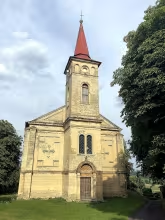
The Church of Saint Wenceslas in Strážiště is a prominent pseudoromanesque structure that dominates the village landscape. Located in Drahobuz, within the Litoměřice district, this church was constructed in 1865 and serves as a significant historical monument. Its architectural style and rich interior artifacts make it an important site for visitors interested in religious history and art.
Strážiště's origins date back to its first documented mention in 1352, highlighting the village's long-standing historical significance. The current Church of Saint Wenceslas replaced an earlier structure, reflecting a period of architectural renewal during the mid-19th century when Bohemia was part of the Austrian Empire. This era saw a revival of historical styles across Europe, known as Historicism, which influenced the church’s pseudoromanesque design.
Architecturally, the Church features a longitudinal three-nave layout with a polygonal presbytery on its eastern side and a slender tower on the west. The tower houses the main entrance to the building. The interior retains some original elements from earlier constructions, such as a mussel-shaped stone baptismal font, adding historical depth to the church's setting.
The church is home to several notable artworks that enhance its cultural value. Among these is a baroque painting from the late 17th century attributed to an artist associated with Karl Škréta. Originally housed in a now-ruined nunnery in Prague, this artwork was later framed by Max ze Sloupu in 1833 and brought to Strážiště. Visitors can also admire late baroque oval paintings of the four evangelists from the second half of the 18th century, as well as an image of a saintly bishop above the entrance. A glass chandelier dating back to the 19th century further enriches the church's interior.
Today, the Church of Saint Wenceslas remains accessible and continues to be a focal point for both locals and tourists. Its blend of historical architecture and preserved artifacts offers a glimpse into the past while maintaining its role as an active place of worship. The church’s significance lies not only in its architectural beauty but also in its ability to connect visitors with the rich cultural heritage of Strážiště.
Visitors are invited to explore this remarkable site, where history and art converge within the walls of a community landmark. The Church of Saint Wenceslas stands as a testament to the enduring legacy of historical architecture and religious devotion, making it a worthwhile destination for anyone interested in experiencing the cultural tapestry of the Czech Republic.
Historical milestones
- 1352
- The village of Strážiště was first documented.
- 1865
- Construction of the current church structure completed.
Architectural development
The Church of Saint Wenceslas underwent significant architectural development when the present pseudoromanesque structure was built in 1865. The design features a longitudinal three-nave layout with a polygonal presbytery and a tower on the west side, which includes the main entrance. Inside, the church retains some original elements like a mussel-shaped stone baptismal font.
Historical events
The village of Strážiště was first documented in 1352, marking its early historical significance.
The current church structure was constructed in 1865, replacing an earlier building.
Points of interest
– The Church of Saint Wenceslas in Strážiště once housed a baroque painting attributed to an artist linked with Karl Škréta. This artwork originally belonged to a now-ruined nunnery in Prague, adding an intriguing layer of historical connection between these two locations.
– One of the church's interior elements is a mussel-shaped stone baptismal font, which adds a unique touch to its architectural ensemble. Such distinctive designs are rare and highlight the creativity involved in ecclesiastical artistry during earlier periods.
Guide
Show guide text
Welcome to the Church of Saint Wenceslas in Strážiště, a remarkable pseudoromanesque structure that gracefully commands the village landscape. As you stand here, take a moment to absorb its presence; it's as if the church itself is inviting you into its storied past. Built in 1865, this architectural gem replaced an older building and has since become a prominent feature of the community.
Let's delve into its history. The village of Strážiště first emerged in historical records back in 1352, marking the beginning of a long-standing narrative that would eventually lead to the construction of this church. Fast forward to the mid-19th century when the current structure was completed, replacing an earlier edifice and symbolizing both continuity and renewal for the village.
Now, turn your attention to its architecture. The Church of Saint Wenceslas is characterized by a longitudinal three-nave design with a polygonal presbytery on the east side and a slender tower reaching skyward from the west. As you look around, notice how these elements blend seamlessly into the landscape, creating an inviting yet majestic atmosphere.
While specific architects remain unknown, the church's design speaks volumes about its era and purpose. Inside, though not visible to us now, visitors can find a mix of historical treasures that have been carefully preserved over time. Imagine stepping inside where history whispers through the walls.
One intriguing story linked to this place involves a baroque painting once housed here, attributed to an artist connected with Karl Škréta. This artwork originally belonged to a nunnery in Prague, now in ruins, creating a fascinating historical thread that ties Strážiště to the capital city's past.
As you continue your exploration, let this church inspire curiosity and wonder. Each stone and corner holds stories waiting to be discovered. We invite you to wander around its grounds, perhaps sit for a moment, and imagine the lives and events it has witnessed over centuries.
Thank you for joining us on this journey through time at the Church of Saint Wenceslas. May your visit leave you with lasting impressions and a deeper appreciation for the rich tapestry of history that surrounds you in Strážiště. Safe travels as you continue to explore, and may each step reveal new wonders!
Businesses nearby
Do you run a restaurant, accommodation, shop, museum, rental, wellness or other visitor service near this monument? Show yourself directly to the people heading to it — this is how they will see you in the app and on the web:
Accommodation nearby
Trips and activities nearby
Guided tours, tickets and activities nearby from GetYourGuide
Search tours and activities →Themed route
Thematic Tour Itinerary: Strážiště
1. Kostel svatého Václava (Strážiště) - Type: Church - Why Visit: This is the main attraction of your visit, offering a glimpse into the rich architectural history and cultural heritage of the region. The church's Gothic style and historical significance make it a must-see for anyone interested in religious architecture or local history.
2. Local Historical Museum (Strážiště) - Type: Museum - Why Visit: Located near the Church, this museum provides insights into the area’s past through various exhibits that highlight local traditions, artifacts, and stories. It's an excellent place to deepen your understanding of Strážiště's cultural background.
3. Community Park (Strážištë) - Type: Park - Why Visit: A short walk from the Church, this park offers a peaceful setting for relaxation and reflection. It’s perfect for enjoying nature, taking leisurely strolls, or simply unwinding after exploring historical sites.
4. Local Artisan Market (Strážištë) - Type: Market - Why Visit: Held periodically near the Church area, this market showcases local crafts and products. It's an ideal spot to purchase unique souvenirs, interact with artisans, and experience the vibrant community spirit of Strážištë.
This itinerary provides a well-rounded exploration of Strážištë’s cultural and historical offerings while keeping travel distances minimal and convenient.
Seasonal recommendations
Spring: Visiting the Church of St. Wenceslas during spring offers a unique experience as nature begins to awaken around Strážiště. The surrounding landscape is adorned with blooming flowers and fresh greenery, providing a picturesque backdrop that enhances the church's historical charm. This time of year often sees fewer visitors compared to the summer months, allowing for a more tranquil exploration of the site. It’s advisable to wear layers as temperatures can vary; mornings may be cool while afternoons warm up. Early visits are recommended to enjoy the serene atmosphere and avoid any lingering morning dew.
Summer: The summer season at the Church of St. Wenceslas is characterized by longer daylight hours, making it an ideal time for extended tours and photography. The lush greenery and vibrant flowers in full bloom create a stunning natural setting that complements the historical architecture. However, this period also attracts more tourists, so planning your visit during weekdays or early mornings can help avoid crowds. Comfortable walking shoes and light clothing are recommended due to warmer temperatures, along with sunscreen for protection against the sun.
Autumn: Autumn at the Church of St. Wenceslas is a magical time when the foliage around Strážiště transforms into a palette of warm colors. The cooler weather makes it pleasant for leisurely walks and exploring the church without the summer heat. This season often sees fewer tourists, providing an opportunity to appreciate the site's beauty in relative solitude. It’s wise to wear layers as temperatures can fluctuate, and carrying a light jacket is advisable for crisp evenings. Visiting during this time allows you to experience the serene atmosphere enhanced by the changing leaves.
Winter: The Church of St. Wenceslas takes on an enchanting appearance during winter, with snow often blanketing the landscape around Strážiště, creating a fairy-tale-like setting. The shorter daylight hours and potential for inclement weather mean that visits might be more intimate, with fewer tourists braving the cold. It’s essential to dress warmly in layers and wear waterproof boots if visiting during snowy conditions. Checking opening times is important as they may vary due to winter conditions. Early morning visits are ideal to capture the quiet beauty of the church under a soft light before it gets too dark or cold.
Visualizations and artistic views

Vizualizace jsou generovány umělou inteligencí a slouží jako inspirace.


Atmosphere of the place
Atmospheric visualization of the setting and era
Tips from visitors
No tips yet. Be the first!
Log in and add your tip.




Reviews and comments